4 reasons older homes need different safety rules
Older houses carry charm, craftsmanship, and history, but they also hide risks that newer building codes were designed to prevent. If you live in or are considering buying an older home, you are not dealing with the same safety baseline as a modern build, which is why you need a different playbook for keeping it safe. Understanding where those risks come from is the first step toward updating the rules you use to protect yourself and your family.
Instead of assuming your place is “grandfathered in” and therefore fine, it helps to see how age affects wiring, materials, layout, and everyday hazards. Once you know the pressure points, you can prioritize inspections, upgrades, and simple fixes that respect the home’s character while bringing its safety into the present.
1. Old wiring was never designed for modern power use
Most older homes were built before anyone imagined streaming boxes in every room, multiple gaming consoles, or a kitchen full of high‑wattage appliances running at once. That gap matters, because the original electrical systems were sized for a fraction of today’s load, which can leave you with overloaded circuits, overheated wires, and a higher risk of fire. Safety guidance on older properties notes that these houses were constructed before many of the electronics and appliances you now plug in even existed, so the infrastructure simply was not engineered for current demand, and that mismatch can strain an aging electrical system enough to cause fires or electrocutions.
On top of capacity issues, the materials and layouts inside the walls may be outdated or deteriorating. Some older homes still rely on knob‑and‑tube wiring or ungrounded outlets, and even where those have been partially replaced, the work may be patchy or out of code. Analysts who look at older housing stock flag “electrical dilemmas” as a core concern, pointing out that today’s households run on a significantly higher number of gadgets and appliances than those of the past, which can overwhelm older panels and circuits. When you combine that with reports that older homes pose an even greater threat because of their age and original design, it becomes clear that you need stricter personal rules around electrical inspections, panel upgrades, and the use of extension cords and power strips than you would in a newer build.
2. Legacy materials can carry hidden health hazards
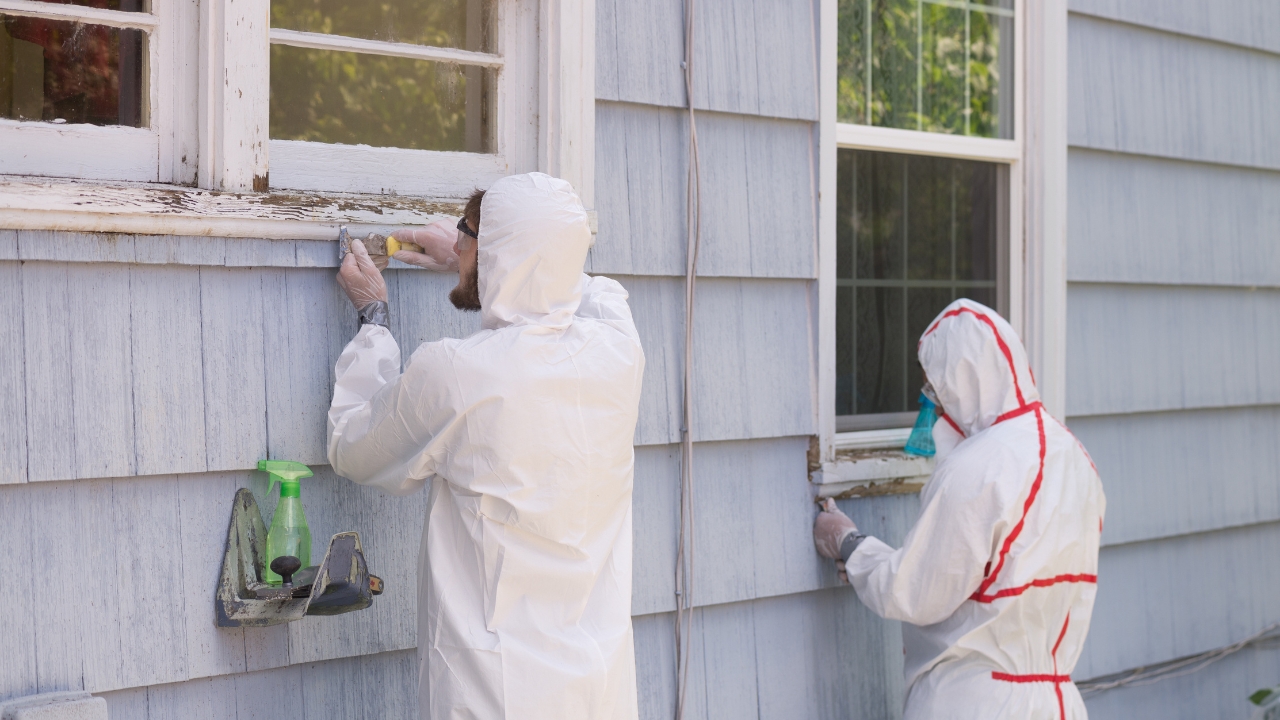
Even if the lights work and the outlets look fine, the bones of an older house may include substances that are now known to be dangerous. Many older homes were built with materials that fall under “hazardous materials,” including asbestos, lead paint, and radon, all of which can have serious long‑term health effects. Remediation experts point to three common dangers in homes built prior to 1978 that can come with long‑term health consequences, highlighting lead, asbestos, and certain forms of contamination that can become airborne and easily inhaled when disturbed. In some properties built before 1975, specialists such as Powell have found asbestos in blown‑in insulation, window caulking, pipe insulation, siding, corrugated panels, and roofing materials, which means a simple renovation can turn into a serious exposure if you do not know what you are cutting into.
Lead paint is another quiet risk, especially around windows, doors, and trim where friction creates dust that children can ingest. Radon, a radioactive gas that seeps in from the soil, is also a concern in older basements and crawl spaces. Newly constructed homes often use radon‑resistant building technique such as radon barriers and enhanced ventilation to help mitigate this risk, but older homes were not built with these techniques and therefore rely entirely on testing and mitigation systems added later. Safety checklists for buyers of older homes emphasize that one of the biggest issues with purchasing an older home is the presence of hazardous materials, and that many building materials commonly used decades ago are now classified as known carcinogens or as posing other health risks. That is why your safety rules for an older property should include routine radon tests, professional evaluations for asbestos and lead before any demolition, and a willingness to budget for remediation instead of assuming a quick DIY project is harmless.
3. Wear, tear, and outdated layouts change how you move through the space
Time does not just age materials, it reshapes how safe a house feels underfoot. Older homes have been through years, or even decades, of wear and tear, and that can show up as loose stair treads, uneven floors, sagging porches, and railings that no longer feel solid. Guidance on common issues in older homes lists structural concerns alongside problems like Termite damage, Mold and mildew, and Plumbing that is past its prime, all of which can undermine the stability of floors and walls. Staircase specialists also point out that as safety standards have improved over time, older stairs may not comply with the most recent building regulations, which can mean risers that are too tall, treads that are too shallow, or missing handrails, any of which can increase the risk of falls.
Layout is another place where age matters, especially if you plan to age in place or have older relatives living with you. The ideal design for a home for aging in place is described as a flat home where all living areas are on one single level, with key spaces like the kitchen, laundry, and master bedroom on the first level. Many older homes, by contrast, rely on steep interior staircases, narrow hallways, and bathrooms tucked on upper floors. Fall prevention guides stress that floors, stairways, and hallways should have secure handrails on both sides of any stairs, and that you should hold the rail every time you go up or down, which is much harder to do if the original design never included proper railings. When you combine that with advice from senior safety experts who note that as we age, our home may not be as easy to navigate as it was years ago and that Getting up and down a set of stairs can become a chore, it becomes clear that older homes call for stricter internal rules about lighting, grab bars, railings, and possibly even rethinking which floors you use daily.
4. Everyday fall and trip risks are amplified in older houses
Falls are a leading cause of injury for older adults, and the quirks of an older house can quietly stack the odds against you. Safety checklists for caregivers urge you to Assess your home for tripping hazards, from loose rugs and trailing cords to cluttered hallways and poor lighting, and those issues tend to be more common where floors are uneven or outlets are scarce. Fall prevention resources frame fall prevention as the first priority in home safety, recommending changes like removing loose throw rugs, repairing torn carpet, and clearing pathways of obstacles such as rocks and roots outside. In older homes, where original flooring may be wavy and thresholds between rooms more pronounced, those basic hazards can be harder to tame without a deliberate plan.
Bathrooms and stairs are particular hot spots. Senior safety specialists recommend secure grab bars in the shower or near the toilet, non‑slip surfaces, and sturdy railings on both sides of any staircase. They also suggest installing plug‑in sensor lights so that nighttime trips to the bathroom do not happen in the dark, and they warn caregivers to Watch out for cords and clutter that can catch a foot. Room‑by‑room fall prevention guidance echoes this, urging you to Ensure there are handrails on both sides of any stairs and to Hold the rail every time you use them. Because older homes often have smaller bathrooms, tighter staircases, and fewer built‑in lights, you need more aggressive personal rules about lighting upgrades, grab bar installation, and decluttering than you might in a newer, more open layout.
Like Fix It Homestead’s content? Be sure to follow us.
Here’s more from us:
- I made Joanna Gaines’s Friendsgiving casserole and here is what I would keep
- Pump Shotguns That Jam the Moment You Actually Need Them
- The First 5 Things Guests Notice About Your Living Room at Christmas
- What Caliber Works Best for Groundhogs, Armadillos, and Other Digging Pests?
- Rifles worth keeping by the back door on any rural property
*This article was developed with AI-powered tools and has been carefully reviewed by our editors.