5 Gardening Habits That Waste Time and Money
A lot of “working in the garden” is actually just fixing things we created by accident—overwatering, buying the wrong plants, or fighting the soil instead of working with it. If your yard feels like a money pit, chances are a few habits are quietly making it harder than it has to be.
Here are the big ones worth breaking first.
Buying plants without a plan
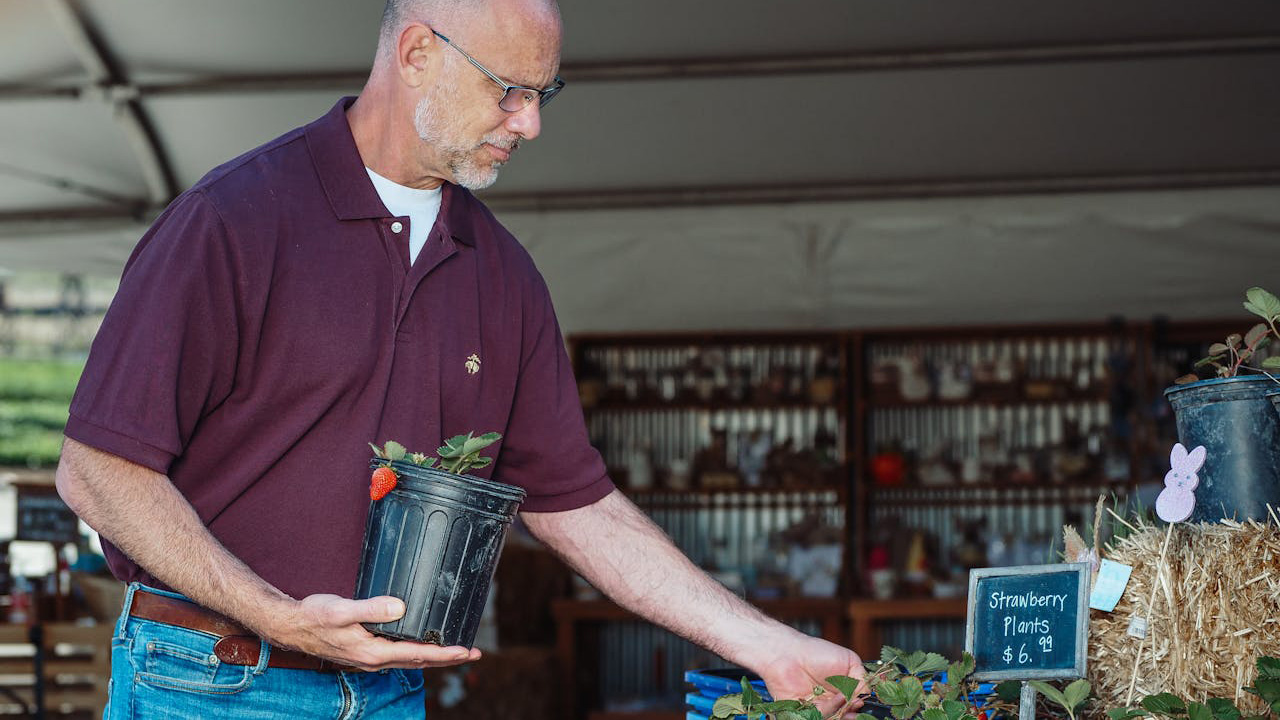
Walking into the garden center with no plan is the fastest way to blow the budget. You grab whatever looks pretty, get home, and realize half of it needs full sun, the other half needs shade, and none of it fits together. A month later, some of those “had to have” plants are crispy or stuffed in the wrong place.
Instead, sketch or list what you actually need before you shop: a shrub for privacy, perennials for a shady bed, something for a container. Shop with your yard conditions in mind—sun, shade, and how much watering you’re realistically going to do. Pretty plants are everywhere; the ones that work in your yard are the ones worth paying for.
Over-planting and crowding beds

It’s tempting to fill every bare inch of soil because full beds look good right away. The problem is crowded plants fight for water, light, and nutrients. They get leggy, prone to disease, and need more pruning and watering just to limp along. You end up spending more on replacements and still feel like the bed never quite looks right.
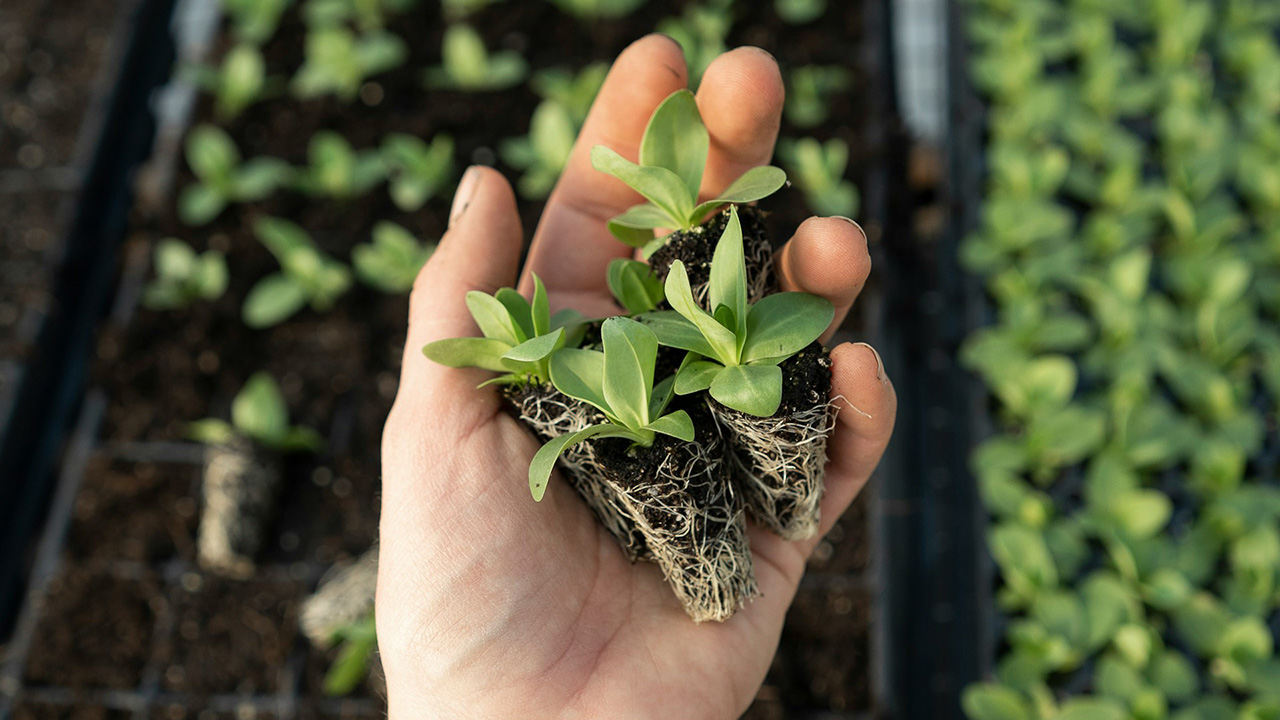
Take a breath and look at the tag for mature size. Give each plant the space it actually needs, even if it means the bed looks a little sparse the first year. You can tuck in temporary annuals while things grow in. Long-term, you’ll spend less time hacking things back and less money replacing plants that were doomed from day one.
Watering on a strict schedule instead of checking the soil
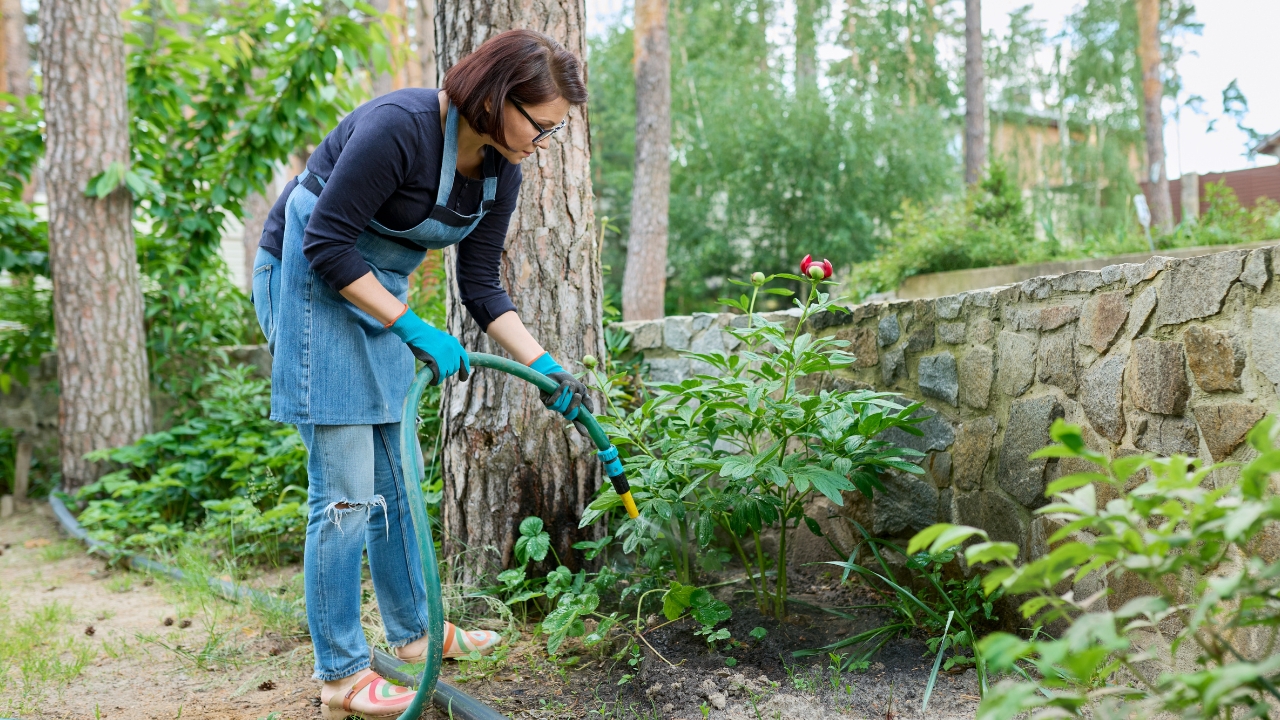
“Water every day” sounds responsible, but it’s often the fastest way to ruin plants and waste money on your water bill. Constant shallow watering encourages weak, surface roots and can cause rot, fungus, and disease. Plants that never get a chance to dry out are more fragile, not less.
Get in the habit of checking the soil instead of the calendar. Stick a finger a couple inches down—if it’s still damp, wait. When you do water, soak deeply so roots grow down instead of staying right at the top. You’ll have tougher plants and fewer problems, and you’ll actually use less water overall.
Fighting your soil instead of improving it
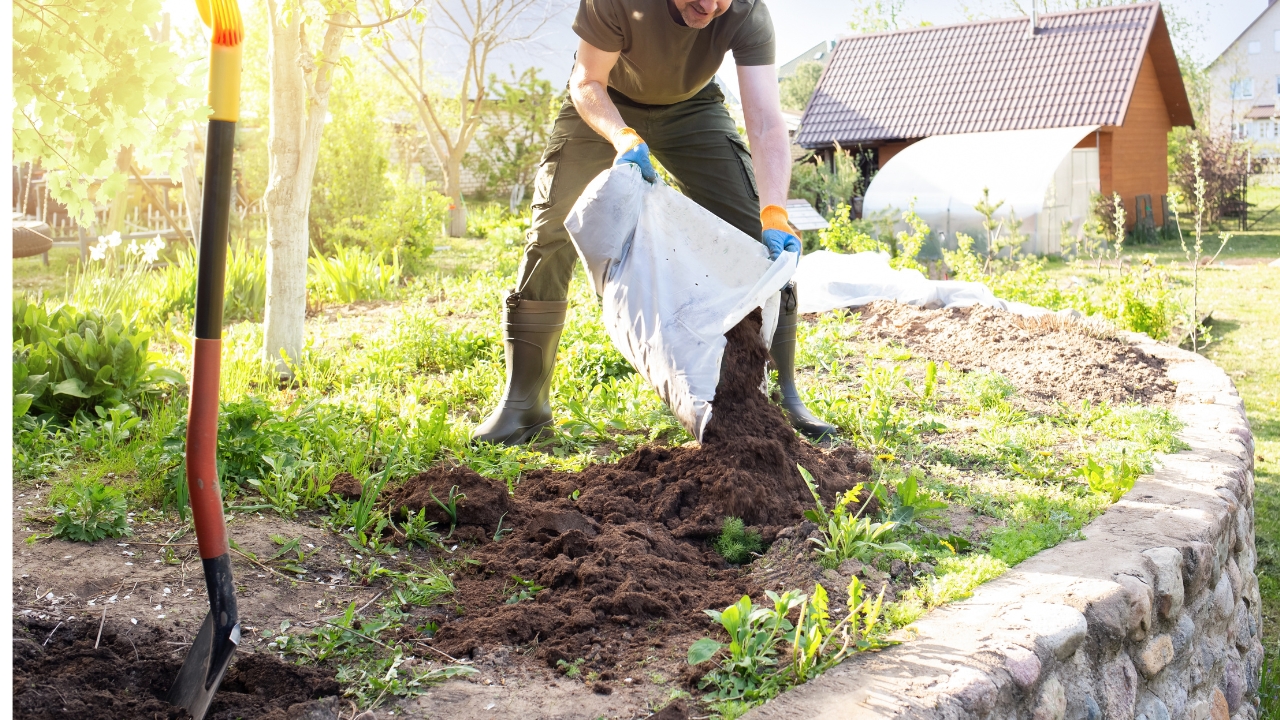
It’s easy to think, “I’ll just buy better dirt in bags” every time you plant something. That adds up fast and still doesn’t fix the underlying issue. Trying to grow plants that hate your native soil—like forcing thirsty plants into sand or dry-loving plants into heavy clay—is a constant uphill battle.
Instead, accept what you’ve got and work on improving it over time. Add compost, shredded leaves, or aged manure each season. Choose plants that are known to do well in your type of soil and climate. The more you build the soil you already have, the less you’ll spend on bags of stuff and emergency plant replacements.
Constantly “cleaning” every leaf and stem
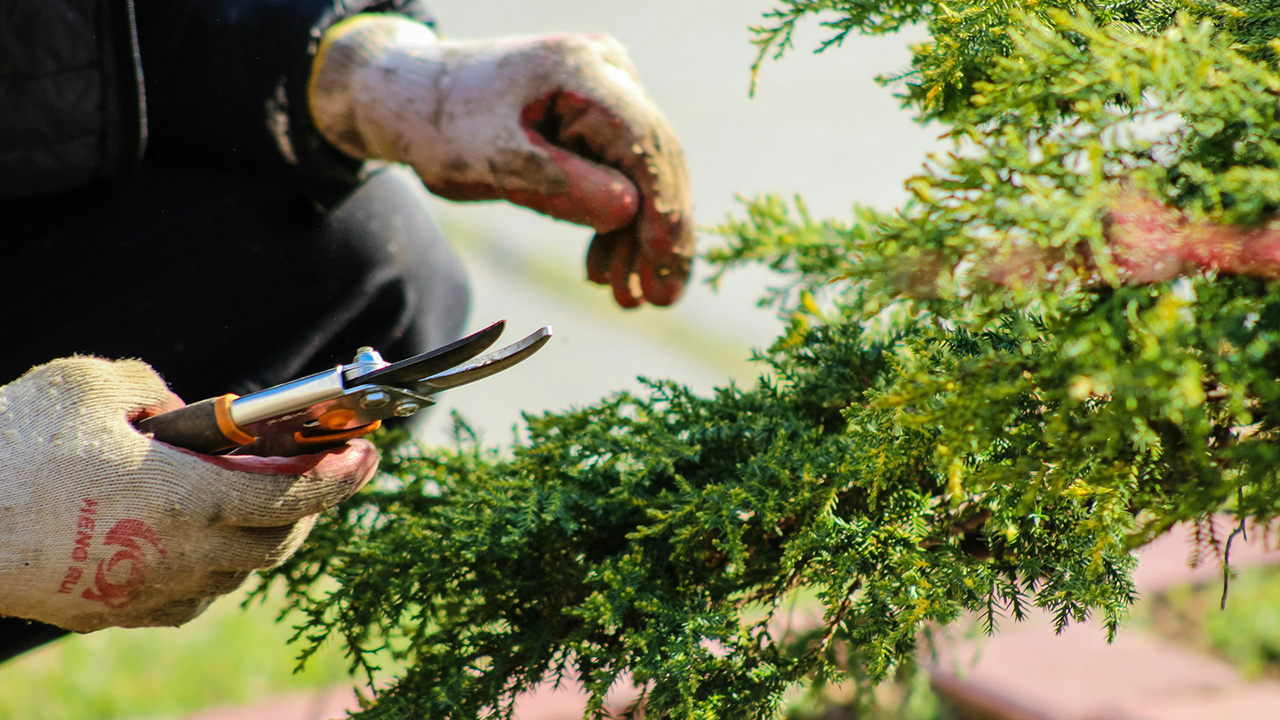
Some of us can’t stand seeing a single “messy” leaf, so we’re out there trimming and clearing every time we walk by. Over-pruning, stripping away every fallen leaf, and keeping beds too bare actually works against you. You’re removing free mulch, stressing plants, and exposing soil to erosion and weeds.
Focus your cleanup on what truly needs to go: diseased leaves, rotten fruit, and plants that are obviously done. Leave some healthy leaves and stems over winter for insulation and wildlife. Use small chores—like cutting back one plant or collecting a bucket of leaves—as you have time instead of constantly redoing whole beds. Your garden will be healthier, and you’ll get some of your weekends back.
Like Fix It Homestead’s content? Be sure to follow us.
- I made Joanna Gaines’s Friendsgiving casserole and here is what I would keep
- Pump Shotguns That Jam the Moment You Actually Need Them
- The First 5 Things Guests Notice About Your Living Room at Christmas
- What Caliber Works Best for Groundhogs, Armadillos, and Other Digging Pests?
- Rifles worth keeping by the back door on any rural property
*This article was developed with AI-powered tools and has been carefully reviewed by our editors.