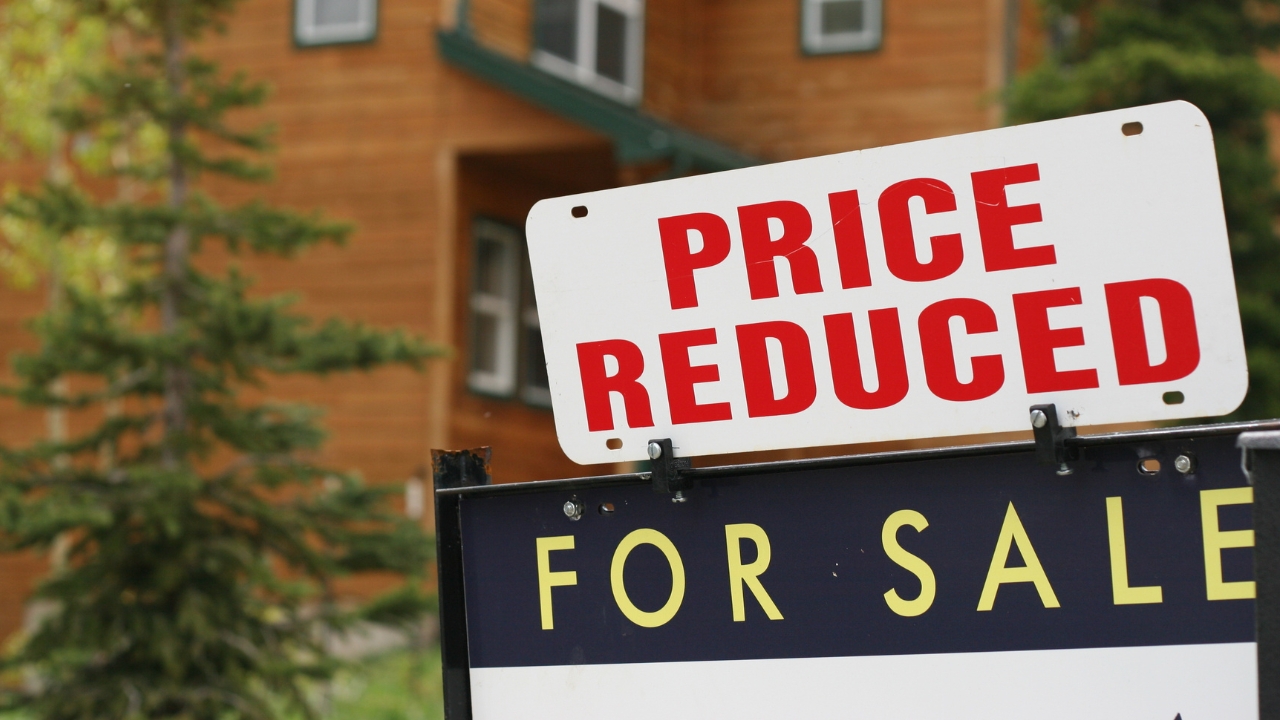
6 houses that always end up getting price cuts
When you list a home, you never expect to watch it sit for weeks as the asking price slowly drifts down. Yet certain types of properties almost invite that outcome, especially in markets where buyers suddenly have more choices and less urgency. By understanding which houses are most likely to need a price cut, you give yourself a better shot at pricing correctly from day one and avoiding a painful reset later.
Across the country, this pattern is already visible in cities where a large share of listings are being reduced and where buyers are pushing back on anything that looks overpriced or flawed. You are not just competing with other sellers; you are competing with buyers’ expectations that they should see value, livability, and future resale strength before they pay full freight.
1. Overpriced starter homes in cooling metros
Entry level listings used to be almost automatic sells, but many now need markdowns when they are priced as if bidding wars are still the norm. In several metros, a significant portion of starter homes are being reduced because buyers are more payment sensitive and are comparing every extra dollar of list price to their monthly budget. Even though the lower price point usually makes starters the most sought after, you can still be forced to cut if you reach too far above recent comparable sales, a trend that recent data on home price cuts has highlighted.
Markets that heated up quickly during the pandemic era now show how unforgiving buyers can be with starter homes that feel mispriced. In places like North Port and similar boomtowns, you are competing against a wave of comparable listings, many owned by sellers who already enjoyed years of appreciation and can afford to undercut you. Insisting on a number that only made sense during the peak frenzy invites buyers to wait you out until you join the long list of starter homes with visible price reductions.
2. Pandemic-era flips and 2022 peak purchases
Houses bought at or near the top of the market often carry expectations that the next buyer will bail out that high basis, and those are exactly the listings that tend to chase the market down. If you purchased in 2022 at a premium and then added renovation costs, you might be tempted to list at a level that covers every dollar you spent. Yet buyers do not care what you paid; they care what the house is worth relative to others on the market, which is why so many 2022-era purchases are now being quietly discounted after weeks of buyer indifference.
This plays out in real time when sellers who bought recently keep trimming their ask in small increments, hoping to meet the market halfway. Some buyers have described seeing constant reductions on homes acquired in 2022, often speculating that these were flips or overleveraged purchases that no longer pencil out at today’s mortgage rates, a pattern that shows up in discussions among first time buyers. If you are in that group, your best protection against a drawn out series of cuts is to price where the comps are now, not where you wish the market still stood.
3. Homes in oversupplied Sun Belt suburbs
In several Sun Belt metros, a flood of new listings has shifted the balance of power toward buyers, and houses that look interchangeable are the first to get discounted. When inventory jumps, the market moves from a world where almost anything sells to one where only the best priced and best presented homes get serious traffic. In Phoenix, Ariz, for example, the Total share of listings with price cuts has reached 37%, with New listings at 7,959 and an Inventory increase of 36.1%, a combination that makes it risky to test the market with an aspirational list price.
Buyers in these areas know they can compare dozens of similar three bedroom homes within a short drive, so they quickly scroll past anything that looks even slightly overpriced. In Phoenix, Arizona, separate data has shown that 31 percent of home listings are seeing reductions, which puts you at a disadvantage the moment you join the crowd of sellers who waited too long to adjust their expectations, a reality that has been highlighted in coverage of What To Know about markets where prices are dropping. If your home is one of many near-identical options, you either need to lead on value from day one or accept that you will probably be writing a smaller number on the sign later.
4. Properties with location red flags
Even in hot markets, buyers penalize homes in locations that look, smell, or sound unpleasant, and those properties are prime candidates for reductions. If your house backs up to a busy highway, sits next to industrial facilities, or faces a bar’s late night patio, you are asking buyers to compromise on daily quality of life. Guidance on What Lowers Property has stressed how Proximity to Things That Look, Smell, Sound Bad can drag down perceived value, and you see that play out when listings with these issues linger while quieter streets go under contract.
Environmental and infrastructure risks also feed into this pattern. If your address falls inside a high risk flood zone, federal rules can require flood insurance as a condition of a loan, which raises buyers’ carrying costs and makes them more resistant to paying top dollar, a reality explained in federal guidance on flood maps. Noise pollution from airports or major roads, which has been documented as a persistent environmental stressor, also pushes many buyers to either demand a discount or keep shopping for a quieter alternative, a reaction that aligns with research on noise pollution and its health effects.
5. Neglected or “zombie” houses and foreclosure-adjacent listings
Homes that look abandoned or poorly maintained almost always end up cutting price because buyers mentally add the cost of repairs and the risk of hidden problems. Municipal programs that target so called zombie homes describe them as properties left vacant during a prolonged foreclosure process, which can damage entire blocks by attracting vandalism and depressing nearby values, a pattern laid out in New York City’s Zombie Homes Initiative. If your house has peeling paint, overgrown landscaping, or obvious deferred maintenance, buyers may treat it as a softer version of that problem and expect a discount to compensate.
Foreclosure related stigma can also weigh on pricing even when your home is not directly in distress. Educational resources that explain foreclosure emphasize how missed payments and legal actions can lead to vacant properties and forced sales, which in turn signal financial stress to neighbors and future buyers. If your street has several bank owned or preforeclosure listings, many buyers will mentally adjust your home’s value downward and use those distressed sales as leverage, a dynamic that often forces you to trim your ask if you want to stand out as the livable, move in ready option.
Like Fix It Homestead’s content? Be sure to follow us.
Here’s more from us:
- I made Joanna Gaines’s Friendsgiving casserole and here is what I would keep
- Pump Shotguns That Jam the Moment You Actually Need Them
- The First 5 Things Guests Notice About Your Living Room at Christmas
- What Caliber Works Best for Groundhogs, Armadillos, and Other Digging Pests?
- Rifles worth keeping by the back door on any rural property
*This article was developed with AI-powered tools and has been carefully reviewed by our editors.