6 houses that turn an open house into a ghost town
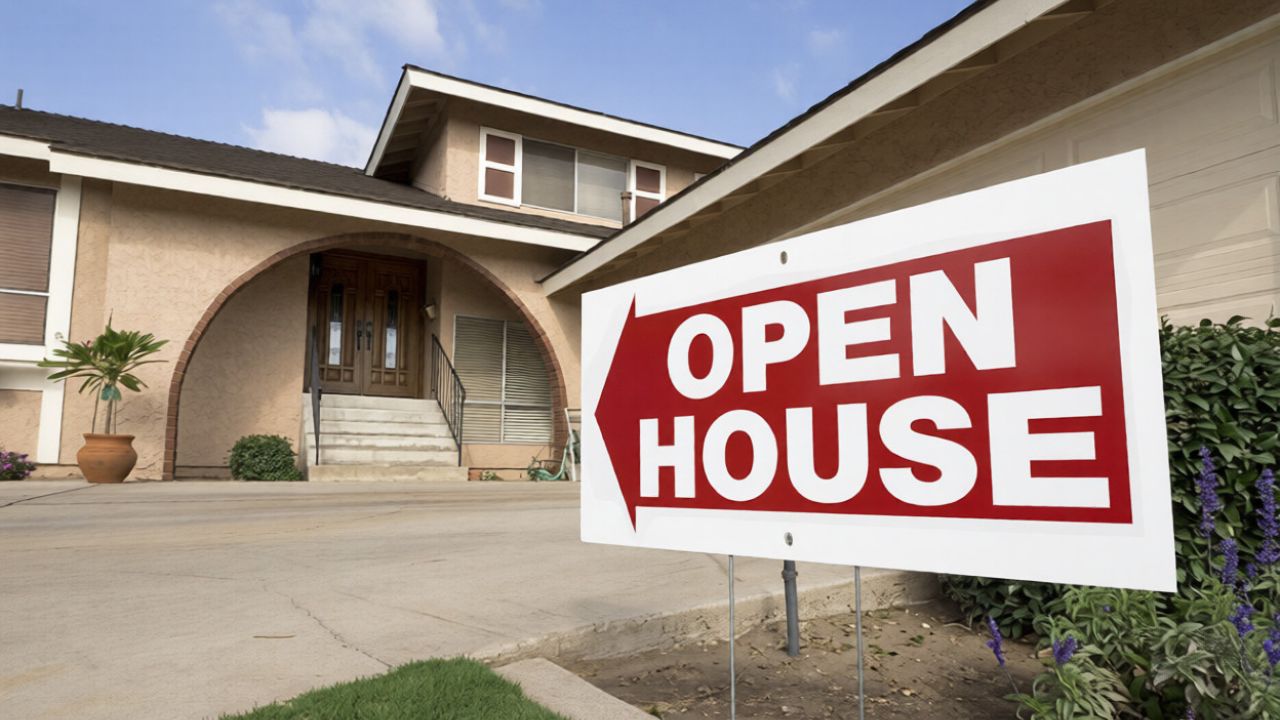
You walk into an open house expecting fresh paint, flattering light, and maybe a plate of cookies. Instead, some properties greet you with a chill that has nothing to do with the thermostat, the kind of atmosphere that sends every other buyer straight back to the sidewalk. When a house carries a history of violence, abandonment, or unexplained activity, it can clear a sign-in sheet faster than any high interest rate.
Across the United States and beyond, there are real homes that feel more like horror sets than dream listings, from half-finished mansions to infamous crime scenes. Tour places like these and you would not be fighting crowds for the best offer; you would be wondering why you are still inside at all.
The $1.6 billion Missouri ghost mansions
Imagine pulling up to what looks like a luxury subdivision, only to realize you are the only car on the road and every driveway is empty. In Missouri, a planned resort community reportedly valued at $1.6 billion never made it to the glossy-brochure stage for buyers like you. Instead, you would find a spine-tingling spread of oversized houses, some with ornate facades and sweeping staircases, standing unfinished or vacant, their windows staring blankly over weedy lots and cracked pavement.
Walk through on an open-house day and you would not be jostling other buyers in the foyer. You would be edging past exposed drywall and silent, echoing rooms, trying not to think about how quickly nature and neglect have taken over these mansions. The development was supposed to be a high-end destination, but its stalled construction and eerie emptiness turned it into a viral ghost town of luxury shells, the exact opposite of the bustling neighborhood you usually hope to see when you tour a home.
Six abandoned houses frozen before demolition
On another property, you could step out of your car and realize the listing is not for one house at all but for an entire cluster of forgotten homes. One report describes a tract of land that spans 51 acres, with six abandoned houses awaiting the wrecking crew. Before demolition begins, you would find interiors that look as if the families simply vanished midweek: toys on floors, dishes in sinks, and furniture arranged around long-cold televisions.
For a buyer, that kind of suspended animation feels less like a bargain and more like a warning. You would be weighing the cost of clearing structures that are already scheduled to be destroyed against the unsettling sensation of walking through other people’s lives left behind. Every creak of the floorboards and every peeling family photo would remind you that this is not a fresh start, it is a graveyard of domestic routines, and most shoppers would retreat to the safety of a standard listing the moment they stepped back outside.
America’s staged nightmares and real hauntings
Even when a property is designed to scare you, the effect can be powerful enough to make you question whether you would ever want to live nearby. Across the country, elaborate seasonal attractions market themselves as some of the scariest haunted houses in the United States, blending theatrical sets, costumed actors, and psychological tricks. Lists of the scariest haunted houses highlight attractions where you walk through dark corridors, past staged torture chambers, or into claustrophobic cells, sometimes in locations that were once real prisons or hospitals.
One example often cited is Terror Behind the at Eastern State Penitentiary in Philadelphia, where you move through actual cellblocks that once held inmates, now reimagined with theatrical lighting and jump scares. As a buyer, you might tell yourself that a nearby haunted attraction is just seasonal entertainment, but when a former penitentiary or asylum becomes a local landmark for fear, it shapes how you feel about the surrounding streets. You are not simply touring a neighborhood; you are walking through a place that markets its own darkness, and that can be enough to send you looking for a quieter ZIP code.
The Sallie House and the Midwest’s paranormal address book
Some houses do not need actors or fog machines to scare you away; their reputations do the work before you even cross the threshold. In the Midwest, travel writers and paranormal enthusiasts regularly single out addresses that combine ordinary architecture with unnerving stories. Guides to the most haunted places in the region describe Victorian homes, hotels, and former hospitals where visitors report cold spots, unexplained footsteps, and objects moving on their own.
One property in particular, the Sallie House, is described as “Considered the most haunted house in America,” with accounts of a small girl who reportedly died during surgery and of several paranormal investigators who claim to have documented activity there. If you were touring that property as a potential buyer, you would be balancing square footage and price against a national reputation for unexplained phenomena. The idea that previous visitors, including Oct and other chroniclers, frame it as a place where the boundary between your world and something else feels thin would be enough to turn a typical open house into a private viewing that you might want to cut short.
The Lizzie Borden House and true crime tourism
In Fall River, Massachusetts, you can walk into a house where the story is so infamous that the address itself functions like a headline. The Lizzie Borden House, located in Fall River, Massachusetts, is described as one of the most terrifying and haunted locations in America, with a history rooted in the brutal 1892 murders of Andrew and Abby Borden. Today, it operates as a museum and lodging, attracting otherworldly and true crime enthusiasts who want to sleep in the same rooms where the killings took place and to hear accounts of apparitions, disembodied voices, and unexplained sounds.
Approach that property as a conventional buyer instead of a guest and you would immediately confront the weight of its story. You would be imagining not just your furniture against the walls but tour groups in the parlor reciting the infamous rhyme about Lizzie Borden, and you would have to accept that your living room might always feel like an exhibit. Even if you do not believe in ghosts, you would be living in a house that people around the world associate with violent death, and that kind of notoriety can thin out interest faster than any structural flaw.
Like Fix It Homestead’s content? Be sure to follow us.
Here’s more from us:
- I made Joanna Gaines’s Friendsgiving casserole and here is what I would keep
- Pump Shotguns That Jam the Moment You Actually Need Them
- The First 5 Things Guests Notice About Your Living Room at Christmas
- What Caliber Works Best for Groundhogs, Armadillos, and Other Digging Pests?
- Rifles worth keeping by the back door on any rural property
*This article was developed with AI-powered tools and has been carefully reviewed by our editors.