6 Mistakes That Can Damage Your Driveway in July
Hot weather is tough on driveways, and July doesn’t cut them any slack. Extreme heat can push small problems into bigger ones fast—especially if your driveway’s already a little cracked or faded.
Between the UV rays, heavy use, and summer habits like parking in the same spot every day, your driveway takes a beating. The good news is that most of the damage is preventable if you know what to watch for.
Skipping Resealing
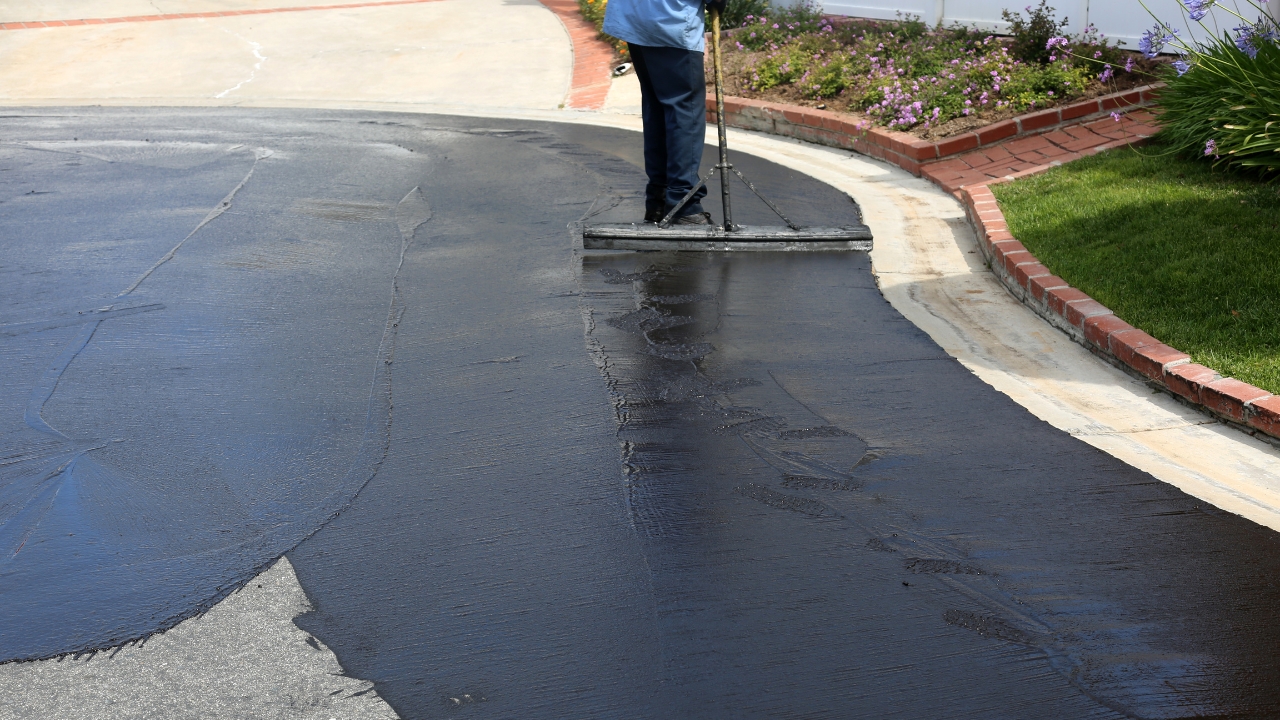
If your driveway hasn’t been sealed in a few years, July heat can speed up surface damage. Sun exposure wears down the protective layer, leaving the surface brittle and prone to cracks. Even small gaps can get worse when the surface starts drying out too much.
Resealing adds a layer of defense that helps with water resistance and sun protection. Summer is a good time to do it—but not in extreme heat. You’ll need a few dry days with moderate temperatures for it to cure properly.
Parking in the Same Spot Every Time

Repeatedly parking in the exact same place puts pressure on one area. In hot weather, that weight can sink into soft asphalt or stress a concrete slab that’s already compromised. You may not see it right away, but ruts and low spots can form over time.
If your driveway’s looking uneven where the tires hit, try switching up where you park, even by a few feet. Distributing the weight helps keep pressure points from breaking down faster.
Using the Pressure Washer Too Often

A pressure washer might feel like the fastest way to clean up oil stains or dirt, but blasting the surface too frequently can wear it down. It can strip sealant or even cause small chips in concrete or asphalt.
If you do need to use one, use a wide-angle tip and keep the nozzle moving. You can also try degreasers or absorbent materials for stains before jumping to high pressure.
Letting Grass or Weeds Creep In
Cracks are bad enough on their own—but once weeds or grass take hold, they make it worse fast. The roots grow underneath and push the crack open wider. July is prime time for that kind of growth.
Pulling weeds and treating cracks early is way easier than digging out a bigger repair later. Use a crack filler or patch to seal them off before things get worse.
Ignoring Drainage Issues

Heavy summer storms can send water rushing across the driveway. If it doesn’t drain off correctly, that water can work its way under the surface and weaken it. Over time, that leads to sinking or cracking.
Watch for standing water or channels where water always flows the same way. You might need to adjust landscaping or redirect a downspout to stop water from pooling where it shouldn’t.
Leaving Heavy Equipment Sitting Too Long
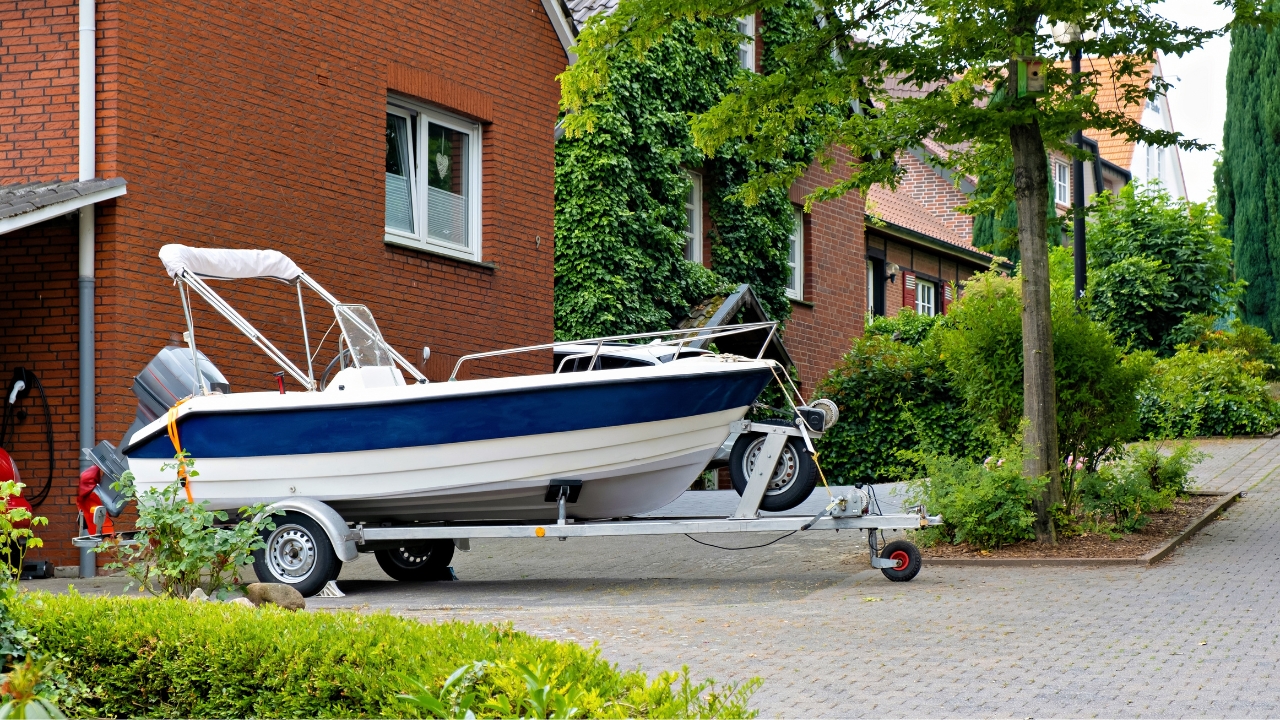
Got a trailer, camper, or boat you’re storing on the driveway? If it sits in one spot for weeks, it can lead to sagging, indentations, or stress cracks—especially when the heat softens asphalt.
If you’re not planning to move it for a while, try using weight-distributing pads or boards underneath the tires or jacks. That extra layer helps prevent long-term wear in one spot.
*This article was developed with AI-powered tools and has been carefully reviewed by our editors.