7 Backyard Features That Always Seem to Attract Wasps
If wasps are taking over your backyard every summer, it’s probably not random. They’re showing up for a reason. Some features in your yard act like magnets without you realizing it—giving them shelter, food, or ideal nesting spots. And once they’ve picked a place, they tend to stick around or come back.
If you want to keep your outdoor space usable without constantly swatting the air, these are the backyard features you’ll want to keep an eye on.
Covered Patios and Pergolas

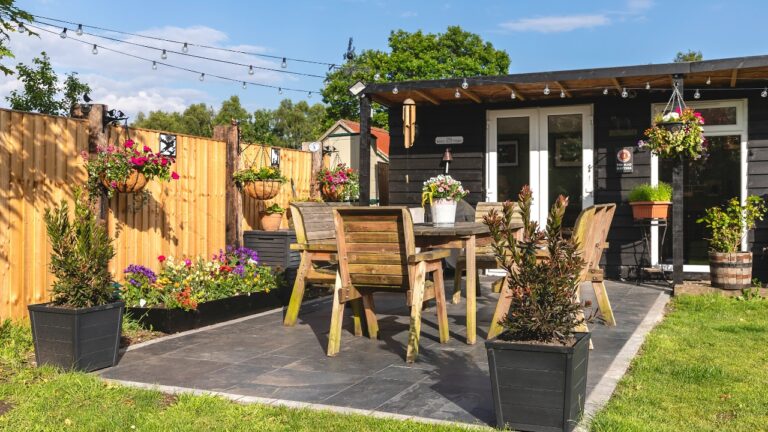
Wasps love overhead structures—especially if they’re shaded, dry, and rarely disturbed. The beams and corners on patios, pergolas, and even breezeways are perfect spots for them to start a nest.
They’re drawn to the protection and like to build where their nest won’t be jostled. Take a look up every few days. Catching a new nest early makes it easier to deal with before it turns into a full swarm situation.
Unused Grills

Grills that sit untouched between uses can attract wasps in more ways than one. Leftover food bits, sugary marinades, and even the cover itself can all bring them in.
If they crawl inside and nest, it’s easy to miss until you fire it up. Make sure your grill is cleaned after every use, and keep the lid sealed tight. Check underneath the lid and in the side burner areas often—they like those quiet, tucked-in corners.
Outdoor Furniture Cushions

Cushions and furniture covers that stay outside full-time can collect more than just dust. Wasps may crawl underneath to get out of the heat, especially if there’s space between the cushion and frame.
Moisture and debris that collect in crevices give them a place to land or start building. Shake out cushions regularly, and check the seams and undersides. If anything feels heavier than it should or looks suspicious, take a closer look.
Playhouses and Swing Sets

Wooden playhouses, forts, or swing sets with hollow beams or gaps are prime wasp real estate. They love spots where they won’t be bothered, and most kids aren’t checking for nests before they climb.
If you’ve got play equipment that hasn’t been used in a while, walk through and inspect it carefully. Pay attention to rooflines, inside panels, or any place that’s hard to see from the ground.
Bird Feeders and Hummingbird Feeders
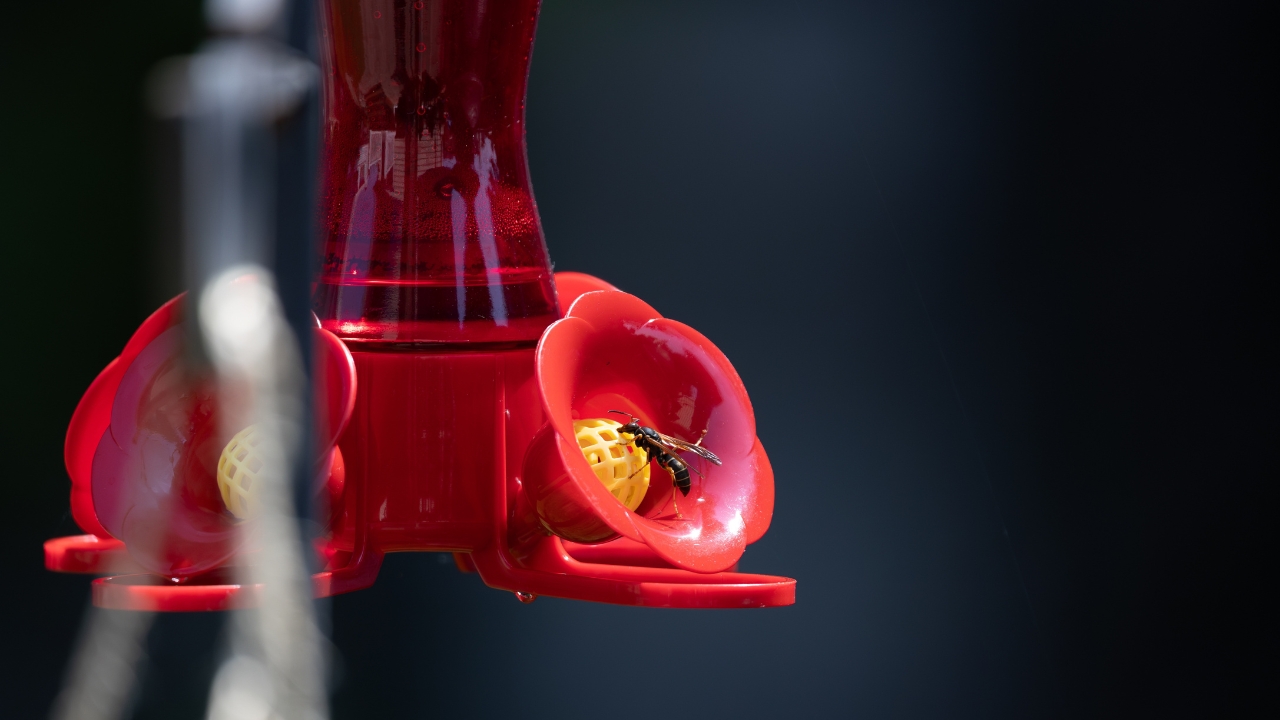
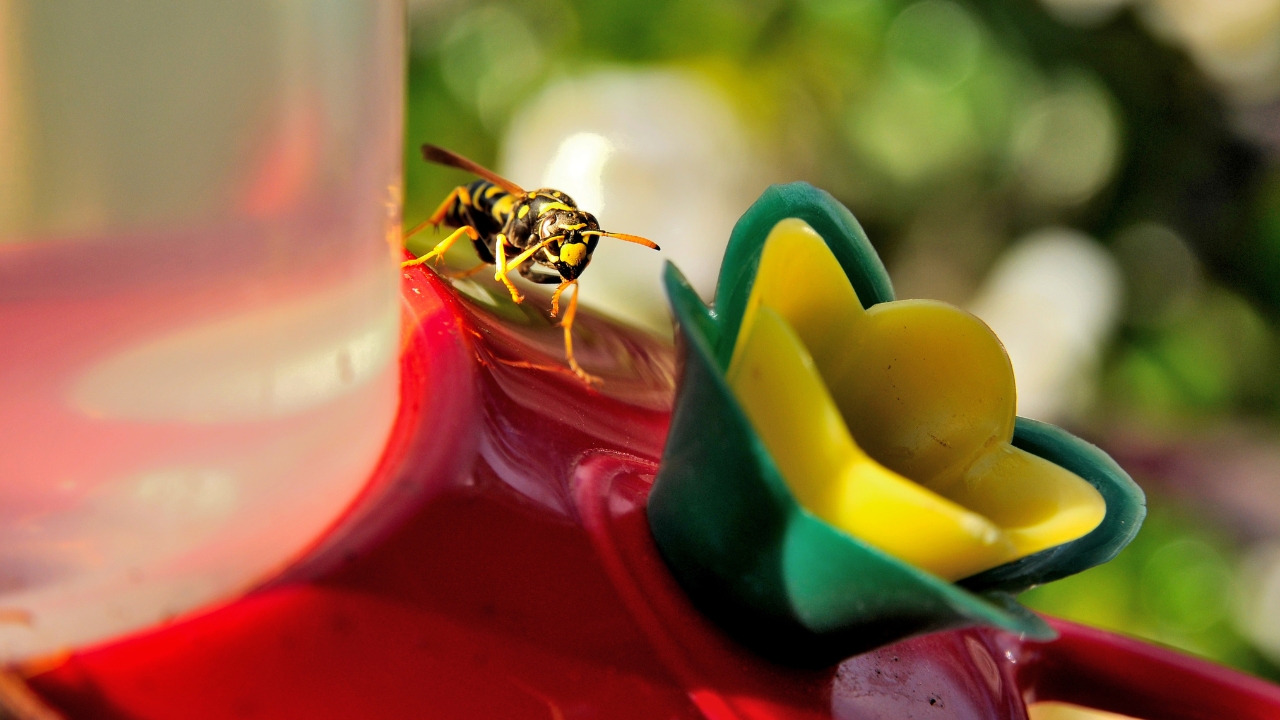
Sugar water, seed dust, and sticky spills can bring in more than birds. Wasps are highly attracted to sugar, and feeders can give them easy access.
Once they know there’s food, they’ll keep coming back—and might start building nearby too. If you’ve got feeders out, clean them often, and move them farther from patios or hangout spots when needed.
Wood Fences and Sheds

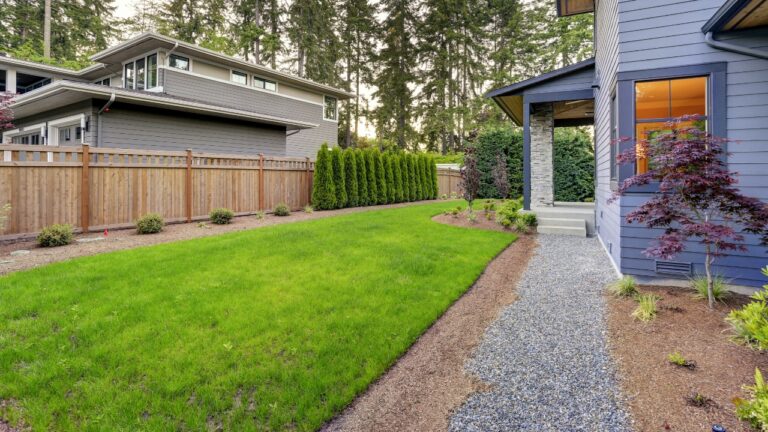
Exposed wood—especially untreated or weathered wood—is another big attractor. Wasps scrape wood fibers to help build their nests, and fences or sheds are perfect for that.
If you’ve noticed little chew marks or thin scrape lines, that could be what’s happening. Painting or sealing your wood surfaces helps deter that behavior. And again, check corners and rooflines for early nest signs.
Trash Cans and Compost Bins

Anything with food residue or strong organic smells is going to be on a wasp’s radar. Open bins or poorly sealed compost piles attract them fast.
Even if your trash can has a lid, leaks or drips around the edges are enough to draw them in. Clean the outsides every so often and rinse your compost pail before tossing it back out. A tight seal is key during the hotter months.
*This article was developed with AI-powered tools and has been carefully reviewed by our editors.