7 Expensive Mistakes People Make When Setting Up Utilities on Land
When you’re setting up land to actually live on, utilities can eat up way more money than most people expect—especially if it’s raw land. And once those trenches are dug or poles are set, fixing mistakes gets expensive fast.
Whether you’re planning for a mobile home or a permanent house, these utility mistakes can cost thousands if you’re not careful. Here’s what people get wrong and how to keep from falling into the same traps.
Skipping the Power Company’s Site Visit

Before you start clearing trees or laying anything down, call your local electric provider and ask for a site visit. They’ll walk your land and tell you exactly where poles, lines, and meters can go. If you guess wrong and put your driveway where they need to run power, you could end up paying for extra poles or underground service that wasn’t in the budget.
Too many people assume electricity is as easy as calling and hooking it up. On raw land, it’s not. Bringing in new service can cost anywhere from $1,000 to over $10,000 depending on the setup. Always start with the power company before doing anything else.
Assuming Water Will Be Easy to Access

If you’re near city water, you’ll likely still have to pay to get the line to your house, and that cost depends on how far your land sits from the main road. If you need a well, that’s an entirely different cost—and you don’t get to choose how deep it goes. Some folks hit water at 60 feet, others don’t hit it till 400.
And drilling isn’t the only cost. You’ll also need a pump, pressure tank, electrical hookups, and a licensed installer. Always get quotes ahead of time and talk to neighbors if you can. Their well depth might give you a ballpark idea of what you’re getting into.
Forgetting to Budget for a Septic System
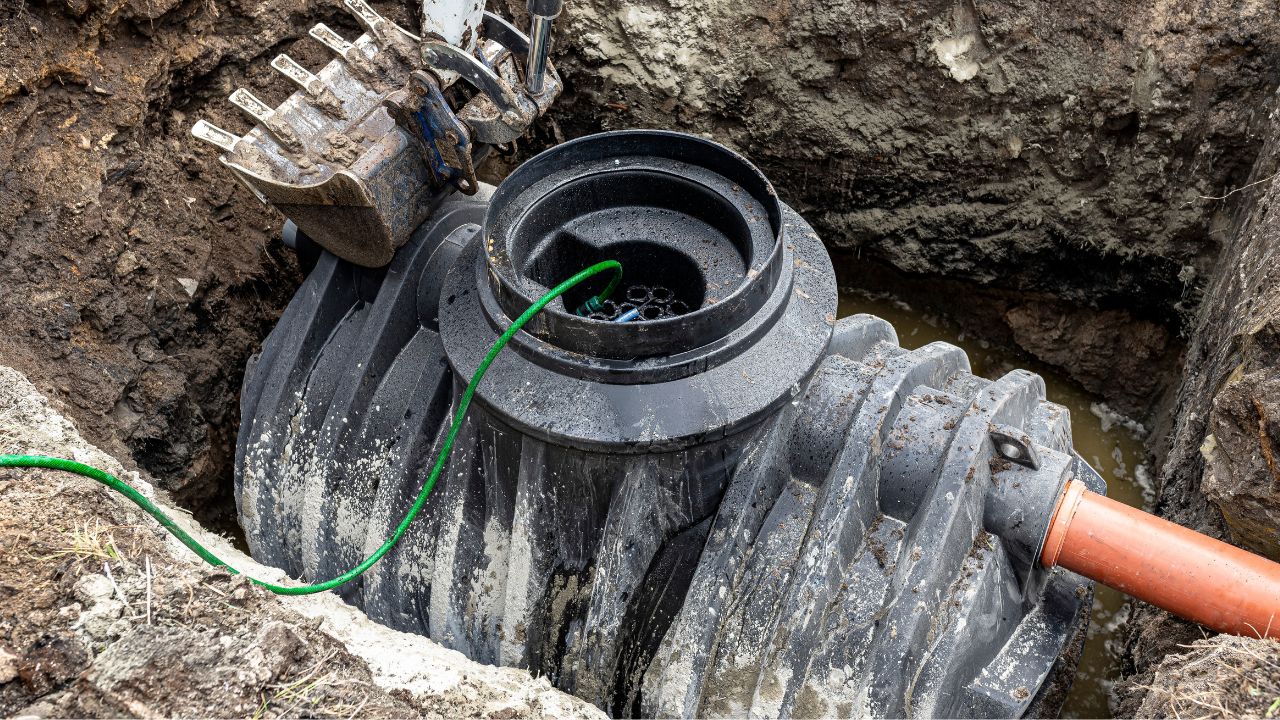
A lot of rural properties don’t have access to city sewer, so you’ll need a septic system—and they aren’t one-size-fits-all. Your land has to be perk tested to see what kind of system it can handle. If the soil doesn’t drain well, you could be stuck paying for an engineered system that runs $15,000 or more.
The biggest mistake people make is assuming any land can support a standard septic. That’s not always true, and skipping this step before you buy land can be a deal-breaker. Always get a perk test done before you commit.
Not Planning for Trenching and Excavation
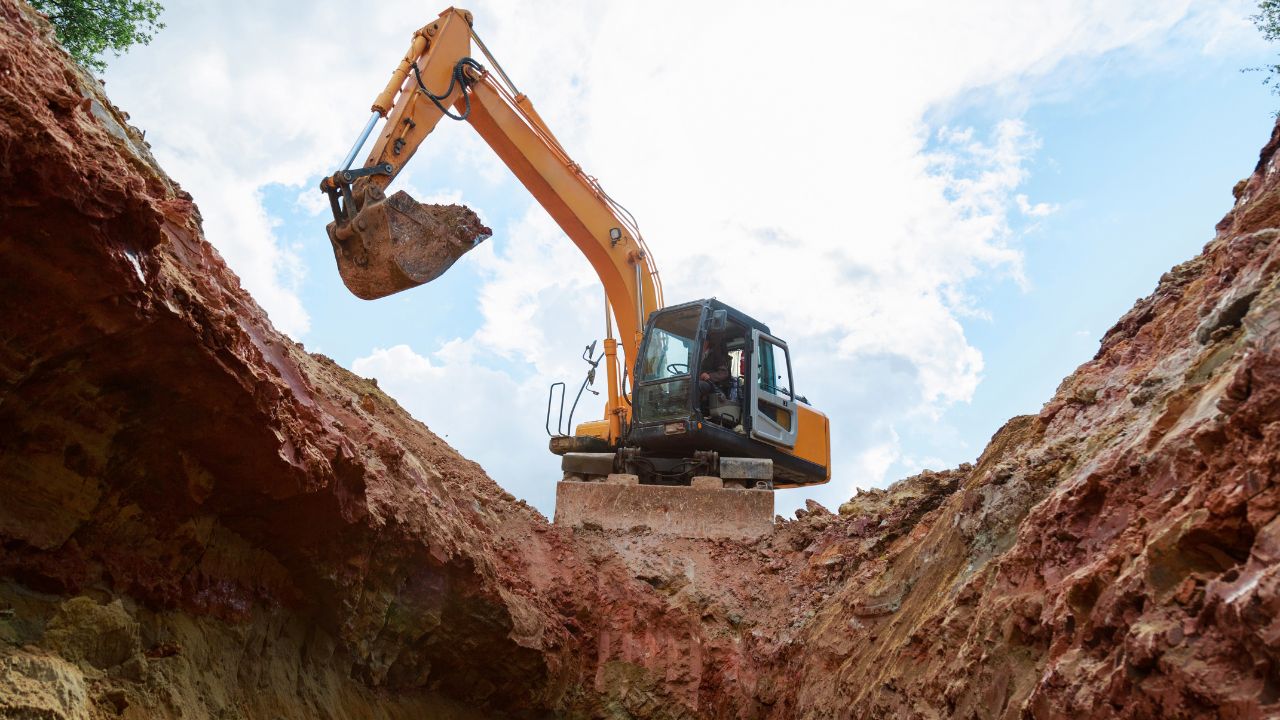
Even if utilities are nearby, you still have to pay to bring them to your house. That means digging trenches for electric, water, and sometimes internet or gas. If your land is rocky, hilly, or full of tree roots, excavation costs can double fast.
Some folks try to save money by doing the digging themselves with rented equipment, but one mistake and you’re looking at damaged lines or code violations. It’s often cheaper in the long run to have professionals handle it—especially if they’re already coordinating with the utility companies.
Installing the Wrong Size Service
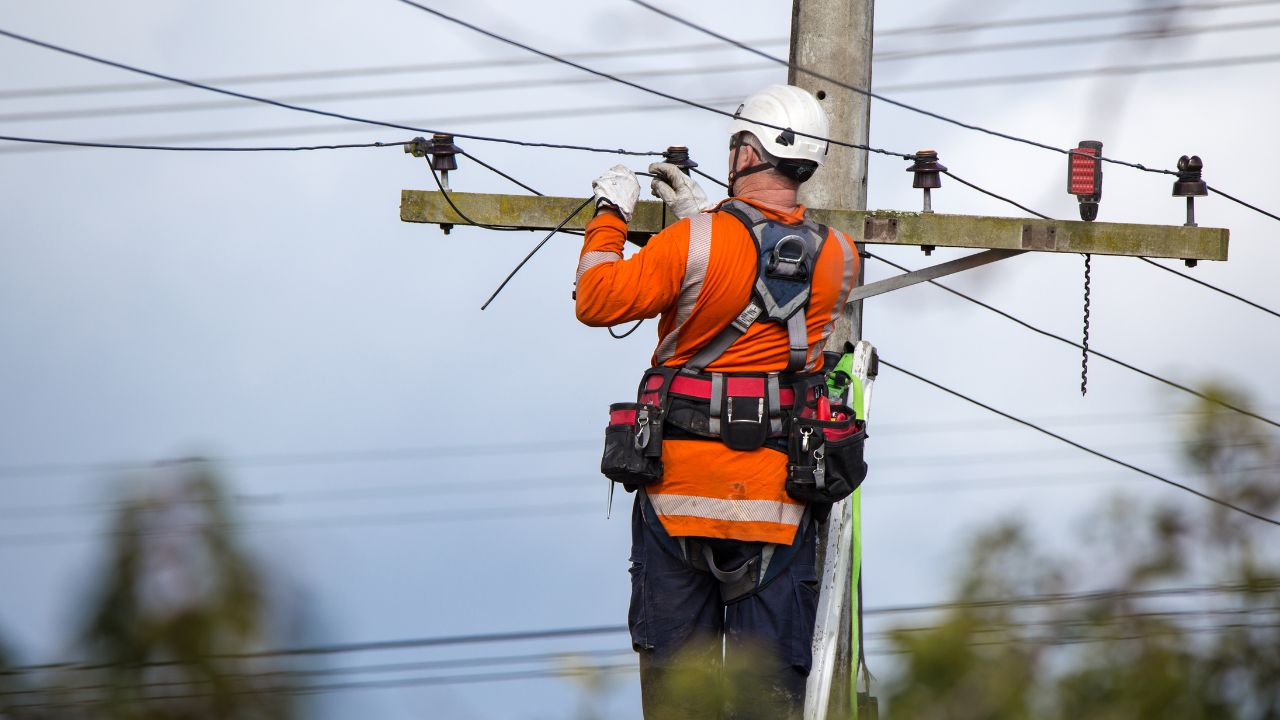
You don’t want to pay for electrical service twice. If you’re only putting in 100-amp service but plan to build a shop or add appliances later, you’re setting yourself up for problems. Upgrading later means tearing out what you already paid for.
It’s better to go ahead and install 200-amp service the first time. It gives you more flexibility for future needs and barely adds much to the original cost. Undersizing utilities is one of those mistakes that doesn’t hurt immediately—but it will later.
Placing the House Too Far From the Road
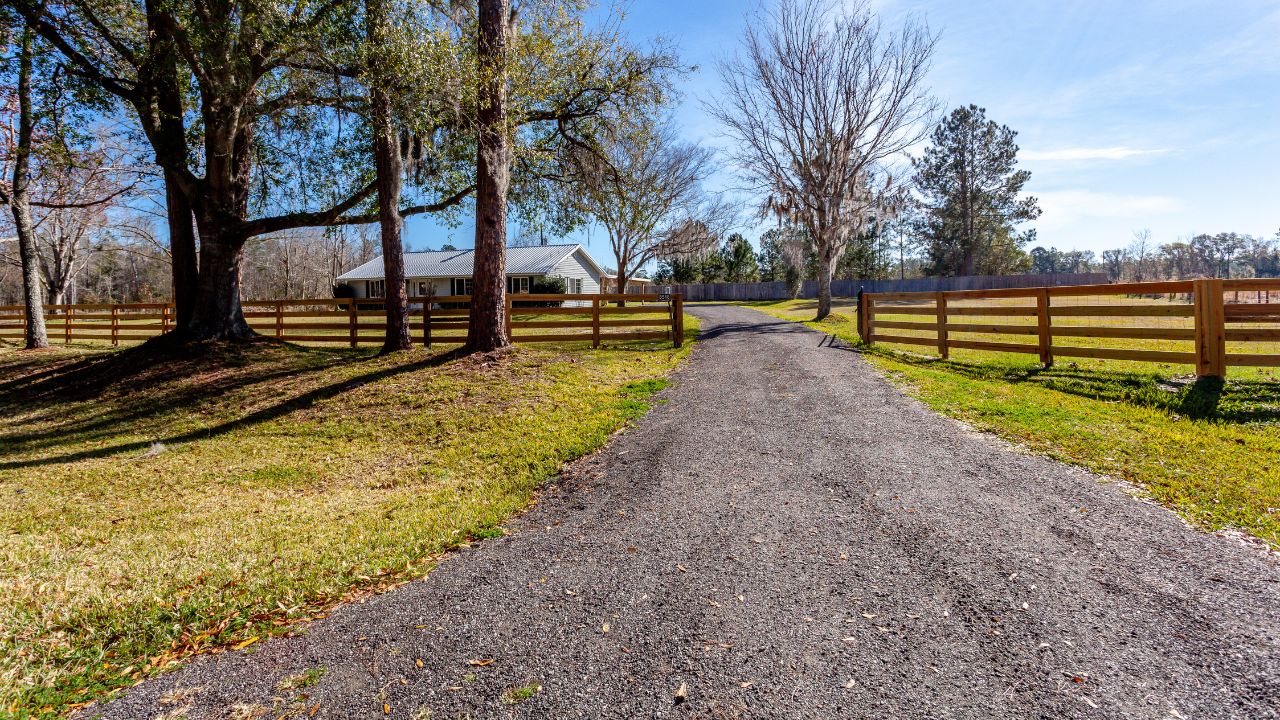
The farther your house or mobile home sits from the road, the more expensive utilities get. Every extra foot of trenching or poles adds to your cost. That dreamy tucked-away setup could cost you thousands more in utility installation before you’re even able to move in.
If your budget is tight, it might be smarter to keep the home closer to the road and use landscaping for privacy. Once everything’s set up and paid off, you can always expand or build further back later.
Ignoring Permits and Inspections
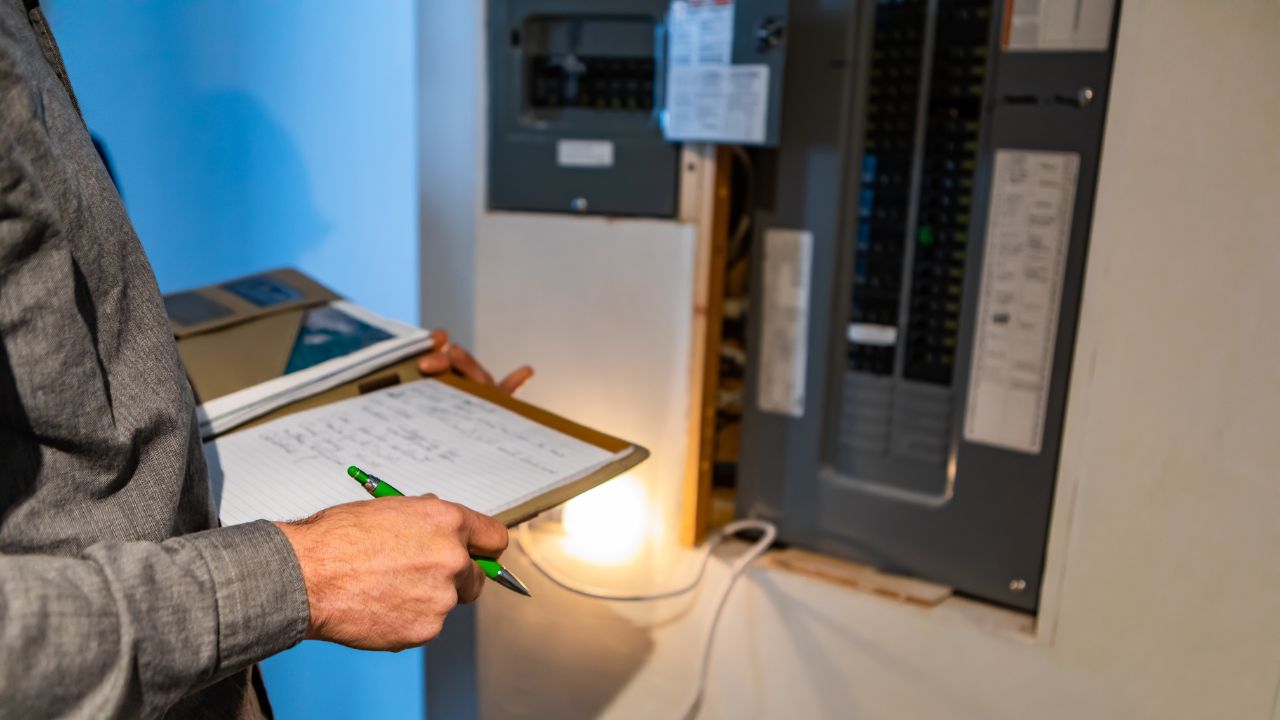
Trying to rush the process or avoid county oversight can end up costing you big. Every utility—electric, septic, and water—usually requires permits and inspections. If you skip them and get caught, you might have to redo the whole setup.
Even worse, selling your property later could get complicated if your utilities aren’t up to code. Make the calls and pay the fees upfront. It’s not fun, but it’s better than getting hit with fines or rework down the line.
*This article was developed with AI-powered tools and has been carefully reviewed by our editors.