7 Smart Ways to Keep Outdoor Furniture Looking New
Outdoor furniture takes a beating—sun, rain, pollen, kids, dogs, and that one cup of coffee that’s been on the side table for three days. You don’t need to baby it, but a few simple habits can keep it looking good for years instead of one season.
Think less “special cleaner routine” and more “tiny things you do as you walk past.” Here’s what actually helps.
1. Rinse off dust and pollen regularly
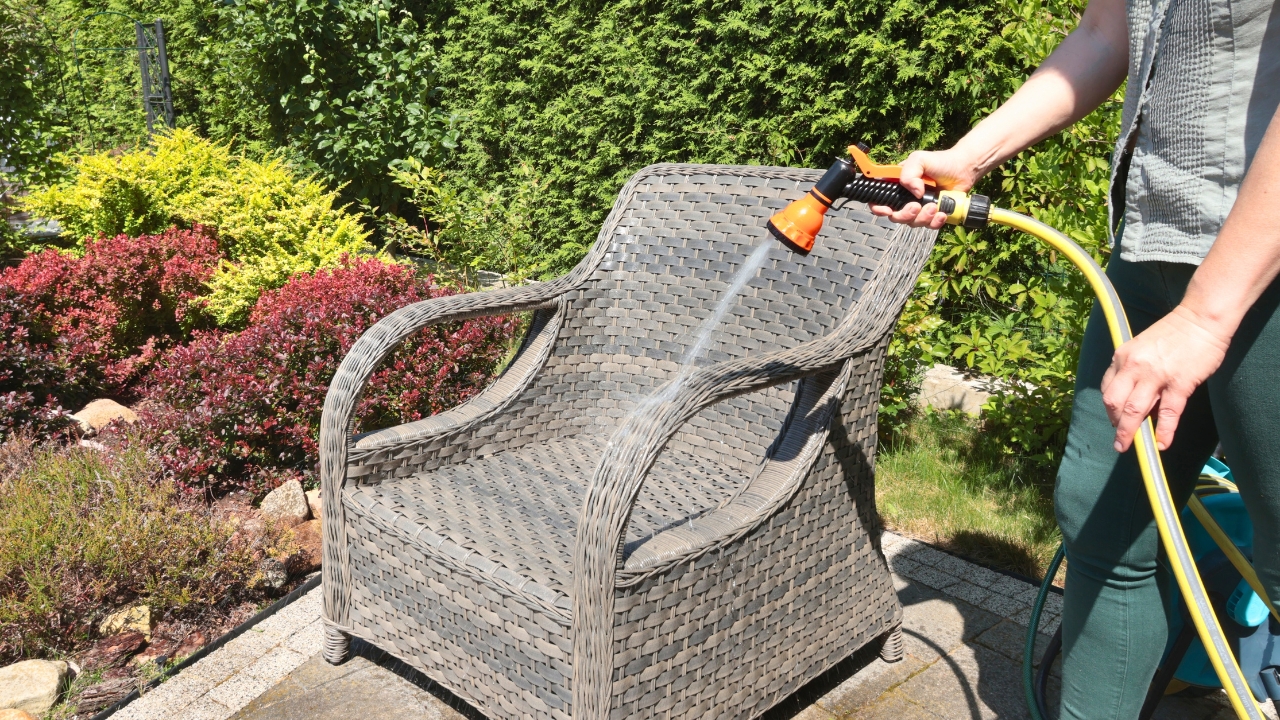
You don’t have to scrub every week, but a quick rinse goes a long way. Dust, pollen, and grime build up on surfaces and work their way into fabrics, making everything look dull and feel rough.
Once a week—or whenever you remember—spray furniture down with a hose on a gentle setting. Focus on flat surfaces where grime settles: tabletops, arms, and chair slats. Let it air dry in the sun. That quick rinse keeps dirt from getting ground in and makes deeper cleanings way easier later.
2. Use cushions with removable, washable covers

If your cushions don’t have removable covers, they’re harder to keep looking fresh. Spills, sunscreen, and mildew all show up fast on outdoor fabric.
When you’re buying or replacing cushions, look for zippers. Being able to pull the cover off and toss it in the wash on a gentle cycle makes a huge difference. Wash with mild detergent, air dry, and put them back on while they’re still just slightly damp so they stretch smoothly. Even if you only wash them a couple of times a season, they’ll look much better than cushions that never get a real clean.
3. Give metal and wood a quick seasonal check
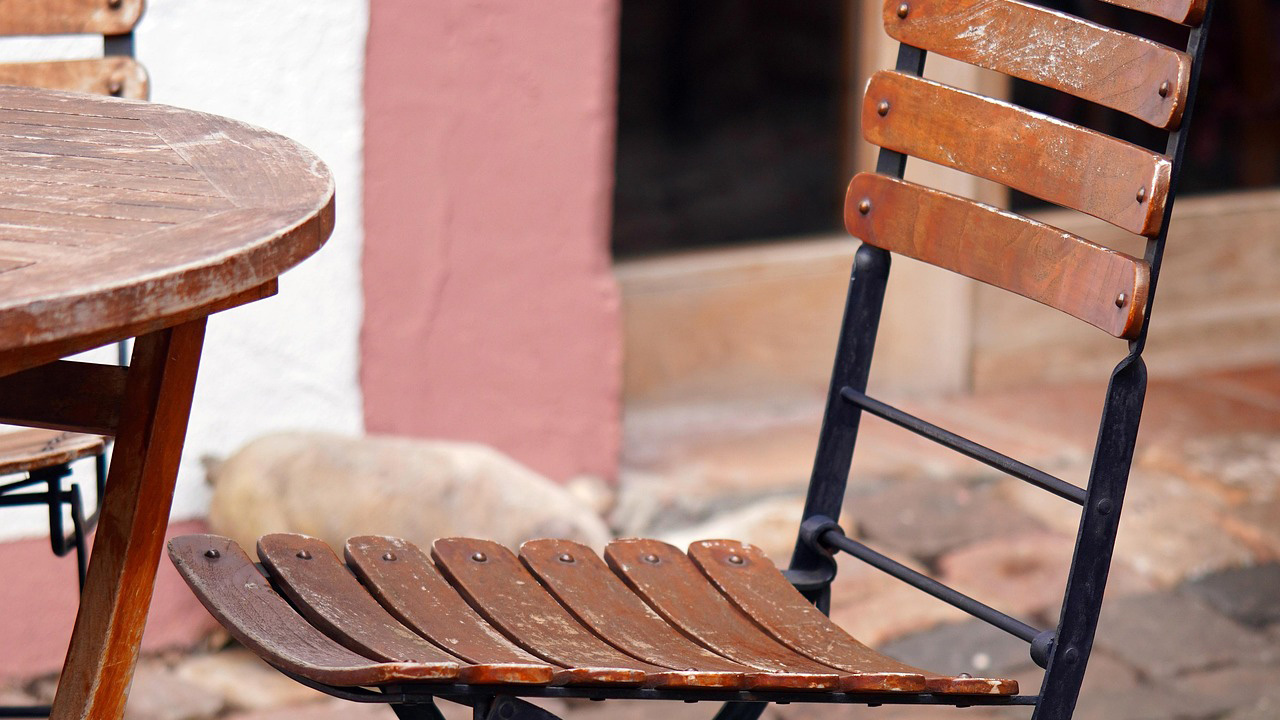
Once in spring and again in early fall, walk around and really look at your furniture frames. Check for chipped paint, rust spots, or dry wood. Catching those early keeps little problems from turning into full replacements.
For metal, lightly sand any rust spots and touch up with outdoor-rated paint that’s close in color. For wood, wipe everything down and add a fresh coat of outdoor oil or sealer if it’s looking dry. This doesn’t have to be a big project—just a few minutes per piece can buy you several more seasons.
4. Keep furniture out of sprinklers and standing water
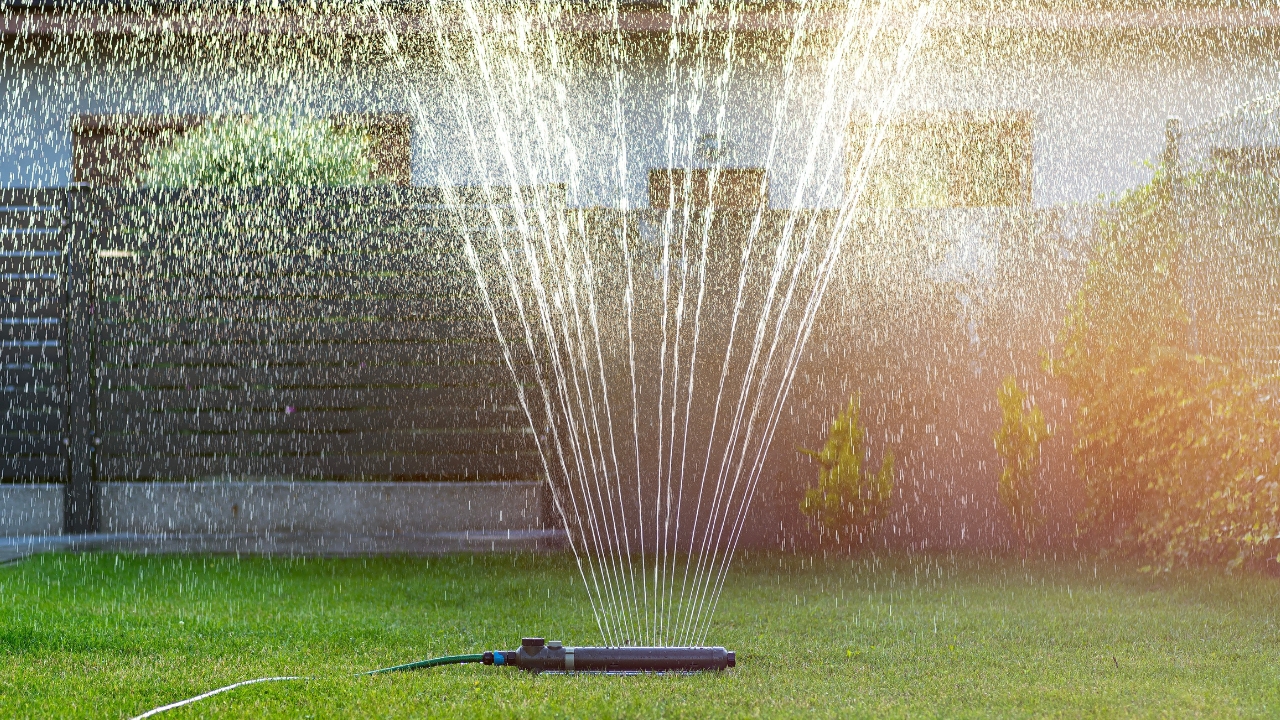
Sprinklers are great for grass, not so great for furniture. Constant water exposure leads to rust, mildew, and warped wood or wicker.
Adjust your sprinkler heads so they’re not hitting the seating area every time they run. If you can’t avoid overspray, at least move cushions or tilt chairs so water doesn’t pool in the seats. After a big rain, tip pieces to dump water and let them dry. Keeping furniture as dry as possible when it’s not actively raining slows down all kinds of wear.
5. Use covers you’ll actually put on
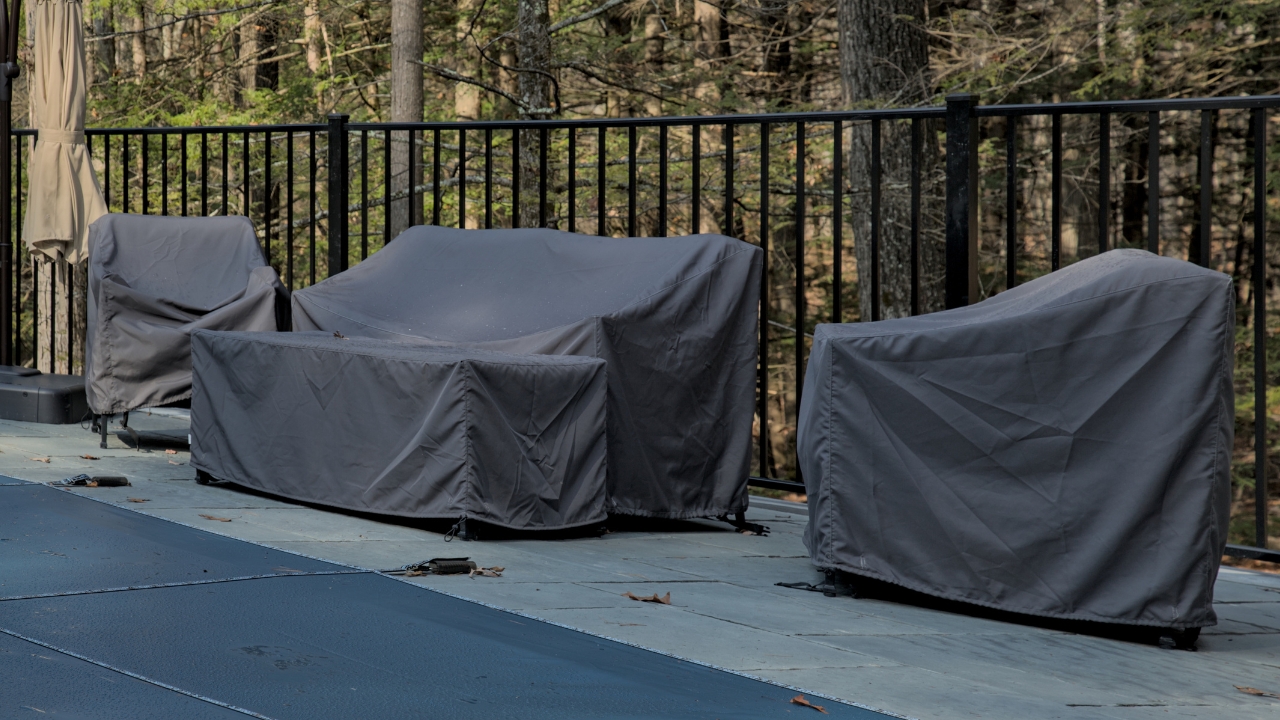
Covers only work if you use them. Instead of buying stiff, heavy covers that are a pain to wrestle with, choose ones that are lighter, have handles, and fit your pieces without a fight.
Store covers in a deck box or bin right by the seating area. That way, if you see a storm coming, you can toss them on in a couple of minutes. Even if you only cover furniture before long stretches of bad weather or when you know you won’t be using the space for a week, you’re still cutting down on sun fade and grime.
6. Give tabletops and armrests a “no coaster” shield

The places that show wear first are flat spots: table centers and armrests. Drinks sit there, water rings form, and sun hits them harder. A simple runner, placemats, or a tray can protect those zones.
For dining tables, keep a runner or outdoor tablecloth folded nearby and pull it out when you’re hosting. For side tables, use a sturdy tray where drinks and plants live. When those pieces start to look rough, you can replace them instead of sanding and refinishing the whole table.
7. Store or stack smart in the off-season
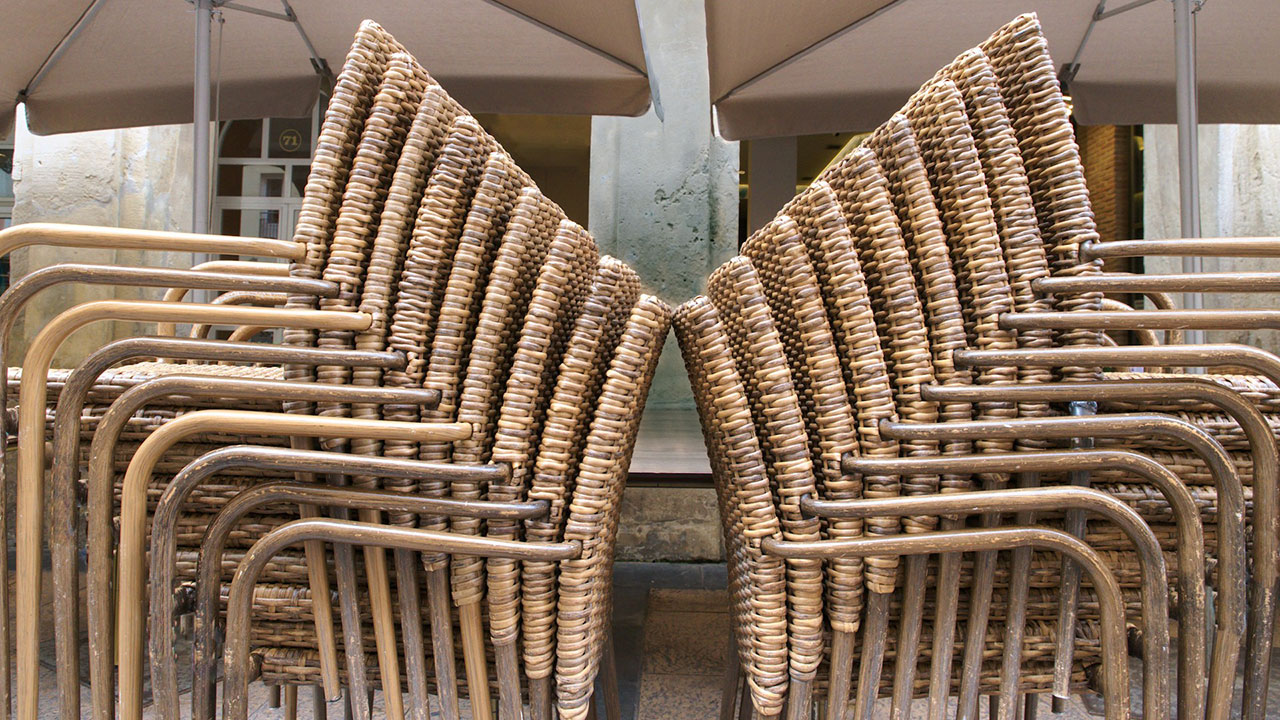
If you have a true off-season where you barely step outside, how you store things matters. Stacking chairs and moving them under a covered area, garage, or even a simple overhang can add years to their life.
Take cushions inside or at least into a dry, covered space. For the frames, don’t sandwich them right up against damp walls or sit them in puddles. Give them airflow. Even if you can’t fully store everything, pulling furniture a few feet closer to the house and covering it helps it survive winter in much better shape.
Like Fix It Homestead’s content? Be sure to follow us.
- I made Joanna Gaines’s Friendsgiving casserole and here is what I would keep
- Pump Shotguns That Jam the Moment You Actually Need Them
- The First 5 Things Guests Notice About Your Living Room at Christmas
- What Caliber Works Best for Groundhogs, Armadillos, and Other Digging Pests?
- Rifles worth keeping by the back door on any rural property
*This article was developed with AI-powered tools and has been carefully reviewed by our editors.