7 Things Historic Farmhouses Get Right (That New Builds Miss)
Old farmhouses weren’t designed for Instagram. They were built for actual living—muddy boots, big meals, and families that were in and out all day. A lot of those details still work better than what you see in some modern houses.
1. Put the mud where the mess actually happens

Historic farmhouses usually have a back door or side entrance that catches the mud first—straight into a porch, boot room, or utility space. Modern houses often dump you right into a hallway or formal entry. Stealing that idea can be as simple as turning one entrance into the “dirty door” and setting up hooks, mats, and laundry there.
2. Keep the kitchen at the center of the house
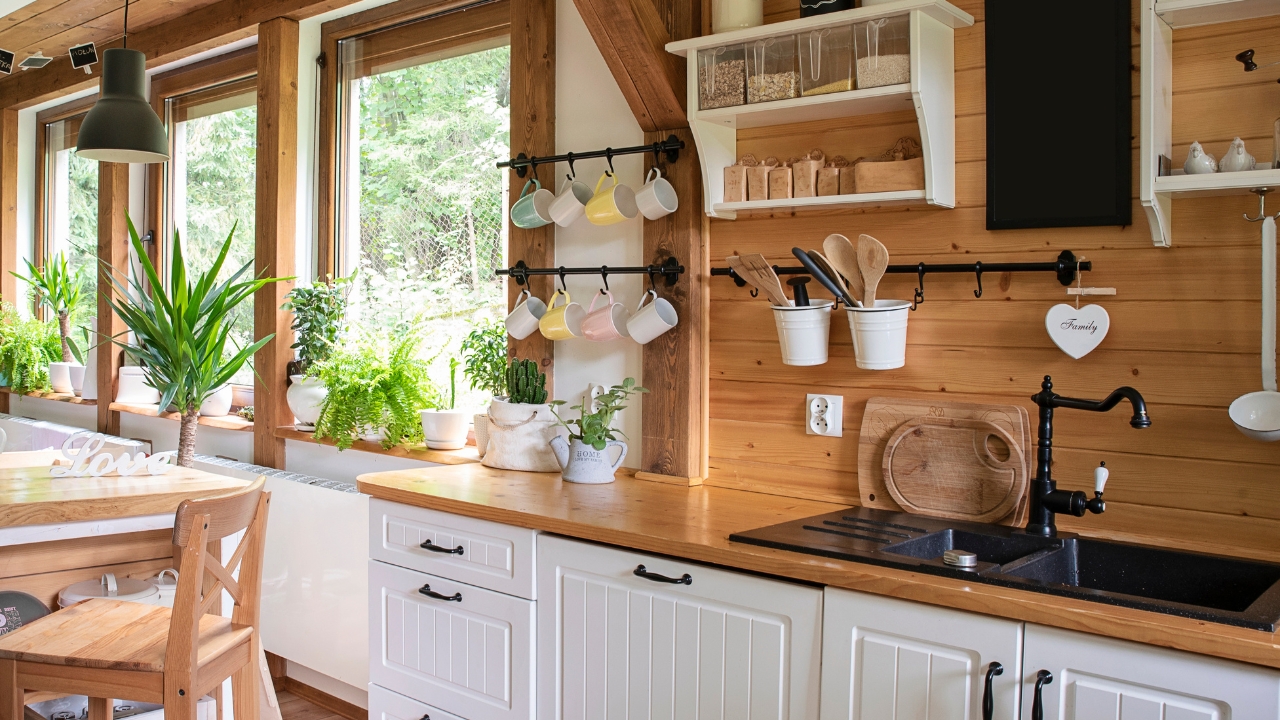
In older homes, the kitchen sits at the heart of everything—close to the back door, near the dining area, and tied into the main traffic paths. It’s not tucked away like a showpiece. Letting your kitchen be the real hub, even if it means a bit of honest clutter, usually makes family life smoother than trying to keep it looking staged 24/7.
3. Use durable, fixable materials

Farmhouses leaned on wood, tile, stone, and metal—things that can be sanded, patched, or repainted instead of replaced every time life happens. When you’re choosing floors, counters, or trim, think, “Can I repair this myself?” Durable beats delicate in a house that actually gets used.
4. Let rooms have a job
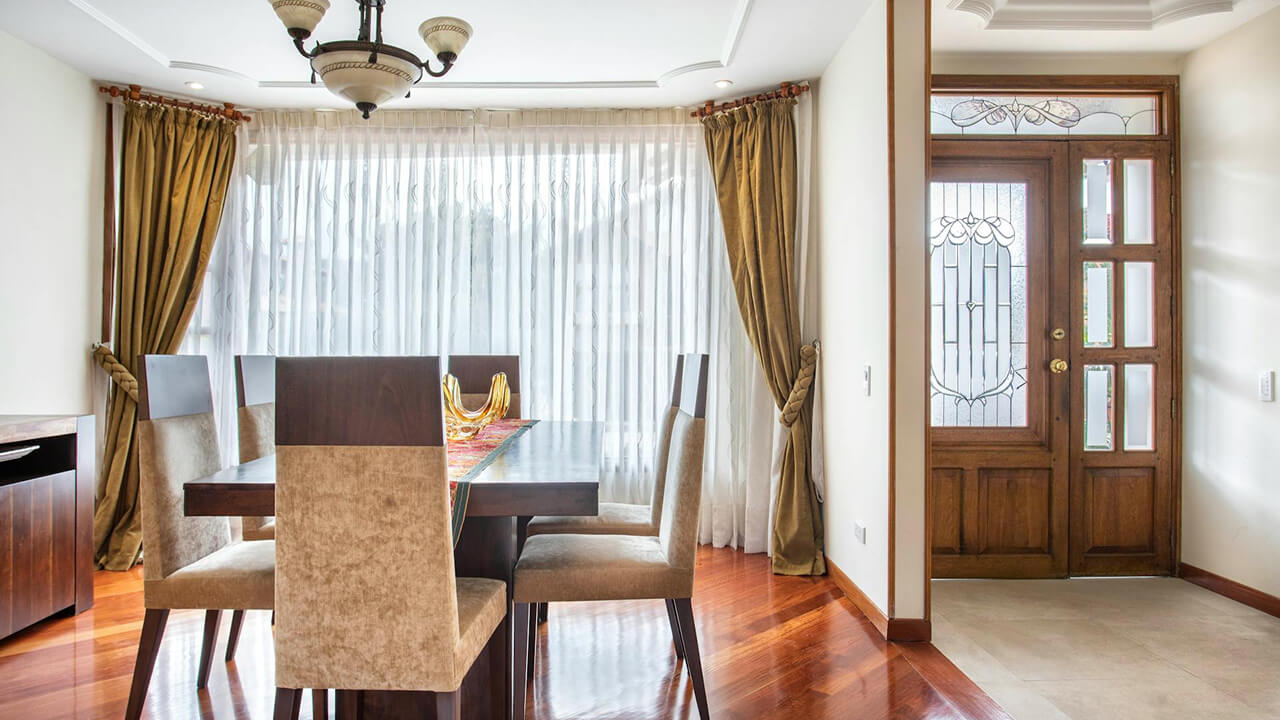
Older houses tend to have clear-purpose rooms: a kitchen for cooking, a parlor or front room for guests, a dining room for big meals. Open-concept everything looks nice, but it can make noise and clutter harder to control. Even if your layout is open, carving out clear “zones” with furniture and rugs makes daily life easier.
5. Build in real storage, not just staging space

Historic farmhouses work hard behind the scenes: pantry cupboards, built-in hutches, hooks, peg rails, attic space. It’s not all pretty shelves. When you add storage that reaches the ceiling, uses dead corners, and hides the ugly stuff, the rest of the house stays calmer without you having to constantly declutter.
6. Use simple trim and repeated details

A lot of old houses use the same trim profile, door style, and hardware finish throughout. That repetition is part of why they feel grounded. Instead of chasing every new trend, pick a trim style and a couple of core finishes and repeat them. It ties rooms together without you having to think so hard.
7. Plan for real traffic, not just photos
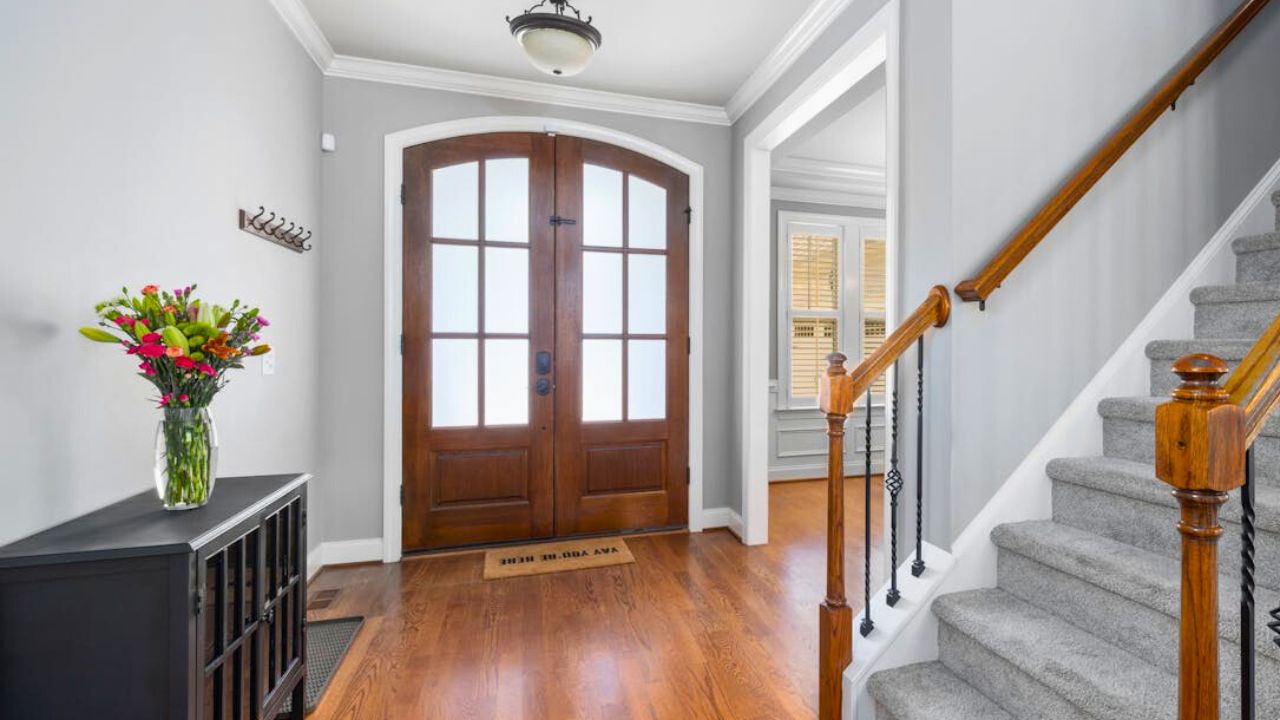
Farmhouses have paths: from door to kitchen, from kitchen to table, from table to porch. Furniture doesn’t block those lines because people actually needed to move through them ten times a day. When you’re arranging your house, walk it like you live there—arms full of groceries, hauling laundry baskets, kids racing past. If you’re dodging furniture, the layout needs adjusting, not another “decor moment.”
Like Fix It Homestead’s content? Be sure to follow us.
- Man Says He Found Out the Fence He Paid For Wasn’t Actually on His Property
- Woman Says Her Neighbor Started Taking Mulch From Her Delivery Pile Before She Could Even Spread It
- I made Joanna Gaines’s Friendsgiving casserole and here is what I would keep
- What Caliber Works Best for Groundhogs, Armadillos, and Other Digging Pests?
*This article was developed with AI-powered tools and has been carefully reviewed by our editors.