7 things you’ll miss most when the power goes out
When the lights cut out and the hum of appliances goes silent, it doesn’t take long before the inconveniences start stacking up. If you live in the country, you’re probably already more prepared than most, but that doesn’t mean a power outage is easy.
You don’t realize how much you rely on electricity until you’re trying to cook dinner, wash your hands, or keep the baby monitor running in total darkness. These are the things you’ll miss the most—and the ones worth having a backup plan for now.
Running Water
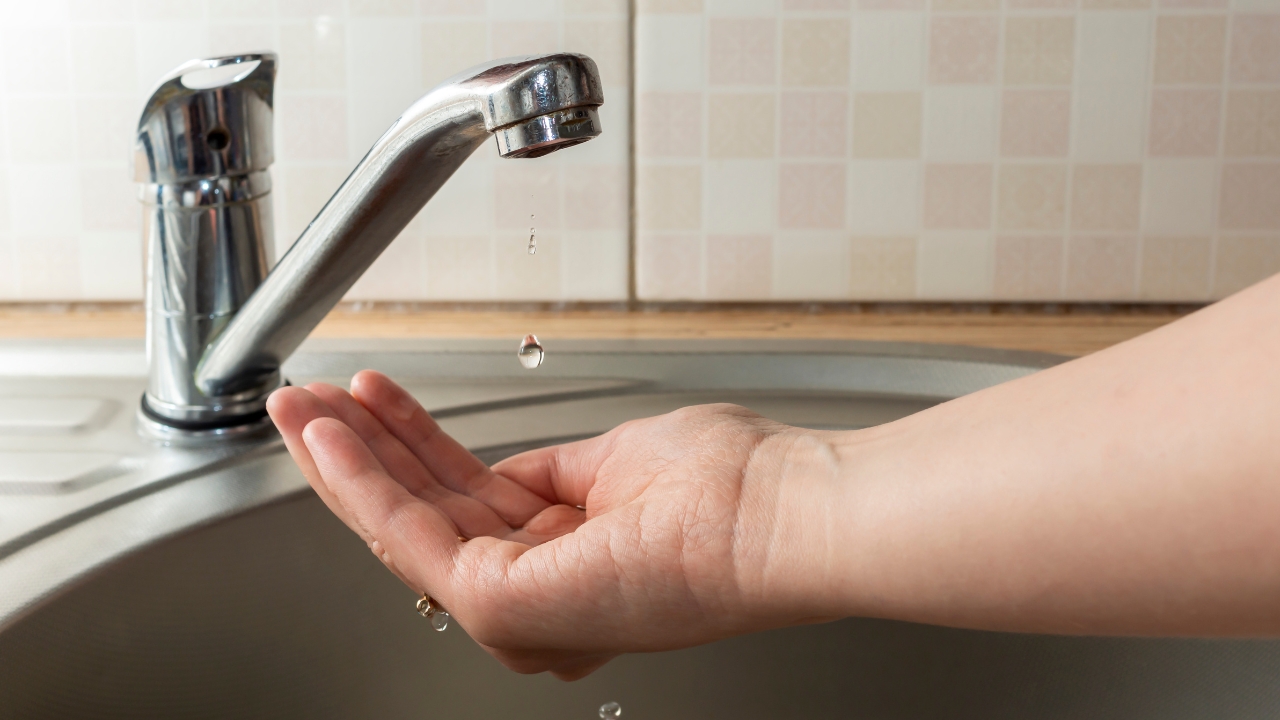
Most rural homes use electric well pumps, which means no power usually means no water. That affects more than drinking—you can’t flush toilets, wash your hands, or take a quick shower to cool down. If you’re not ready with backup water or a generator, you’ll feel the effects fast.
The lack of running water is one of the most frustrating parts of a power outage, especially if you have animals, kids, or hot weather. It’s a good reminder to keep a few days’ worth of water stored and know how to shut off your pump safely.
Refrigeration

The fridge and freezer are two of the first things to go, and the clock starts ticking right away. Within a few hours, your cold food is at risk, and a full freezer can start thawing after 24 to 48 hours.
It’s not just about losing groceries—it’s the stress of not knowing what’s still safe to eat. Having a cooler with ice packs, a backup generator, or a plan to cook or preserve things fast makes a big difference.
Cooking Power

If you rely on an electric stove, microwave, or oven, you’re stuck the moment the power drops. It doesn’t take long to realize how hard it is to make a meal without some kind of backup heat source.
This is where propane camp stoves, grills, or even a wood-burning setup can come in handy. You don’t want to be trying to rig something together in the dark while everyone’s hungry. Even a manual can opener suddenly becomes a big deal.
Cell Phone Charging
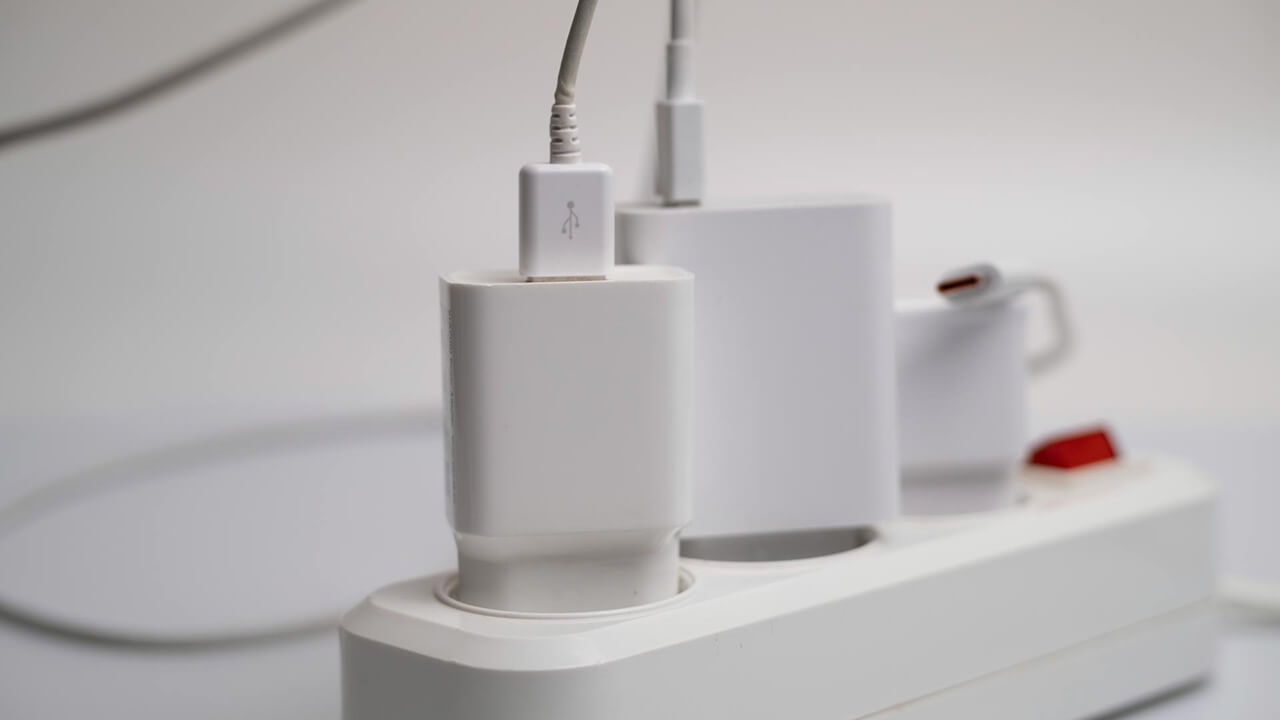
Phones become lifelines when the power goes out—weather updates, emergency alerts, even flashlights and communication. But without power, they’re dead weight once the battery runs out.
Having a few portable battery packs charged ahead of time or a solar charger tucked away is smart. It’s a small thing that makes a huge difference when you need to check on loved ones or call for help.
Air Conditioning or Heat
Depending on the season, losing your HVAC can be more than uncomfortable—it can be dangerous. Summer outages can turn your home into an oven. In winter, things get cold quickly, especially overnight.
Even a box fan or a space heater won’t do any good without power. If you’re in an area that gets extreme temperatures, a wood stove, kerosene heater, or backup generator could be a necessary investment.
Lighting
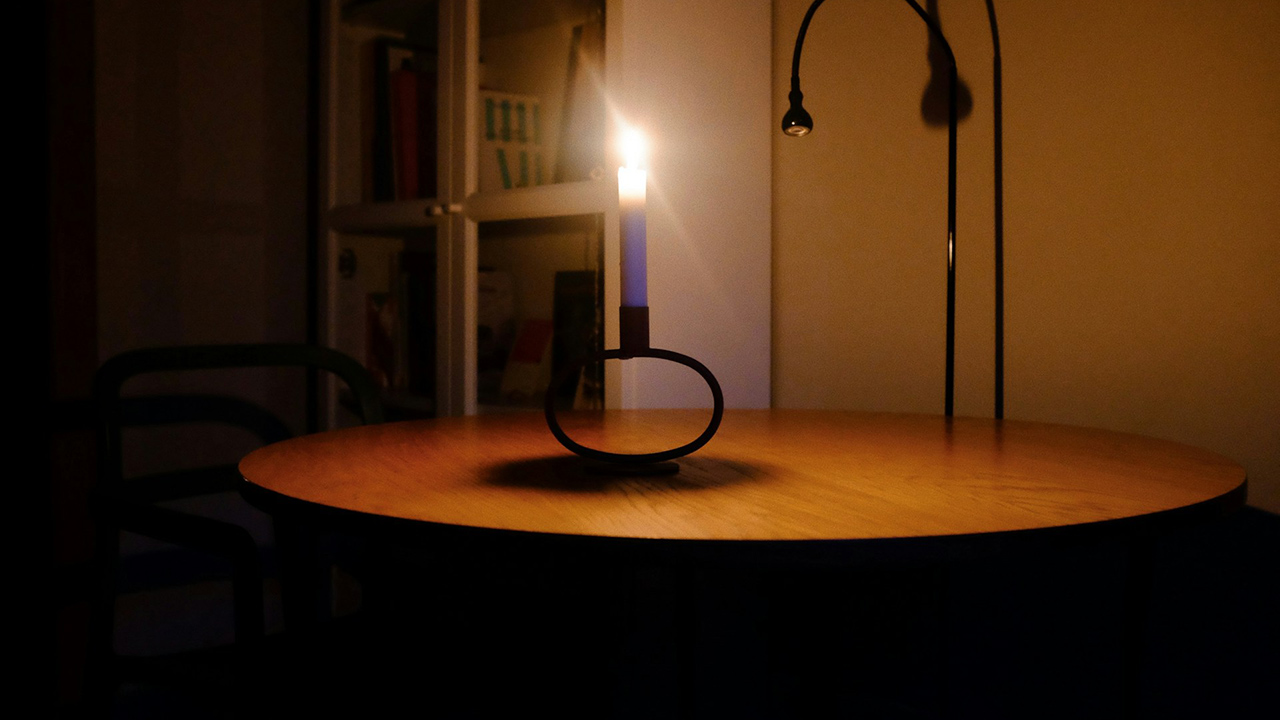
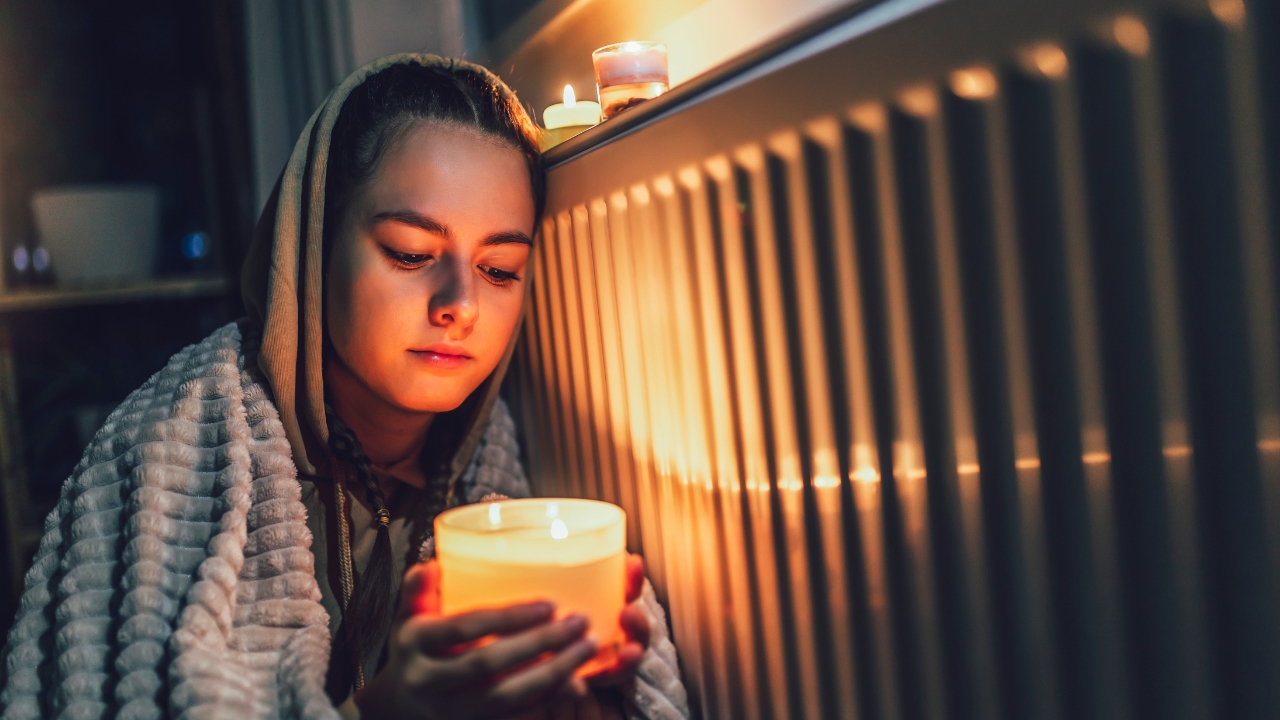
It’s easy to underestimate how dark it gets when the power’s out, especially if you’re used to living near streetlights or neighbors. Out in the country, it’s pitch black.
Without decent backup lighting—flashlights, battery lanterns, or candles—getting anything done is hard. It also becomes a safety issue, especially for kids or older adults navigating the house at night.
Internet and Entertainment

Once your Wi-Fi and TV go down, boredom kicks in faster than you’d think—especially if you have kids. No music, no shows, no online work. It’s quiet, and not in a good way.
It helps to have some offline activities ready to go—books, board games, downloaded movies, or even chores you can knock out by hand. You don’t realize how much you rely on background noise until it’s gone.
*This article was developed with AI-powered tools and has been carefully reviewed by our editors.