7 Yard Tasks to Do Before the Deep Freeze
When the forecast stops talking about cool nights and starts hinting at a hard freeze, it’s time to get the yard ready. A few hours of work now can save hoses, faucets, plants, and planters from expensive damage.
1. Protect every outdoor faucet
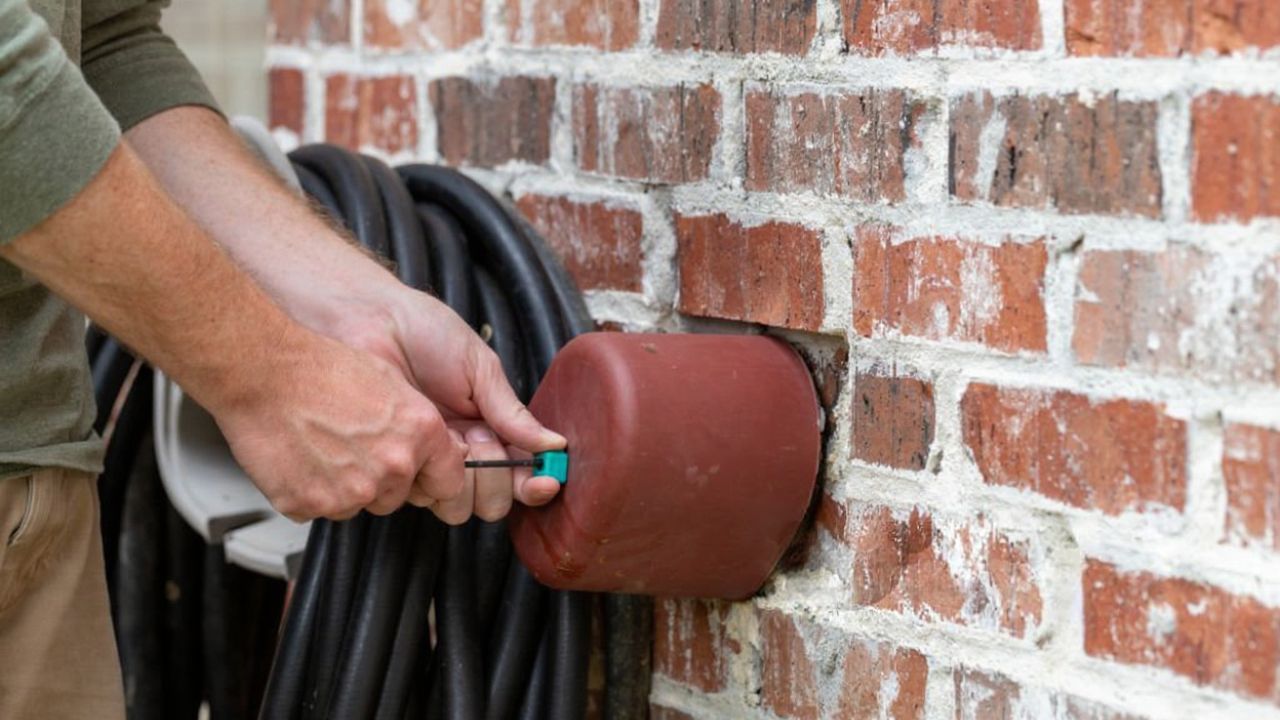
Start by covering outdoor spigots. Foam or hard-shell faucet covers from brands like Frost King are cheap and specifically made to insulate faucets through freezes. Fabric-style insulated covers, like the Artife outdoor faucet covers, wrap around the fixture and cinch tight to block wind and cold. Don’t forget side-yard and back-yard spigots that are easy to overlook.
2. Drain hoses and irrigation lines

Hoses left full of water will split when that water freezes. Before a deep freeze, disconnect every hose, drain it fully, and store it in a shed or garage. Garden guides also recommend draining drip irrigation and other lines ahead of the first hard frost so fittings and timers don’t crack. It’s a boring job, but it’s way cheaper than replacing everything in spring.
3. Cover tender plants with frost cloth

For anything that won’t handle a hard freeze—young shrubs, fall veggies, potted herbs—use frost cloth or horticultural fleece instead of old heavy blankets. Polypropylene frost cloth is light, breathable, and lets light and water in while holding a few degrees of warmth around your plants. Secure the edges with bricks or landscape staples so it doesn’t blow off in the first wind gust.
4. Move or wrap pots and planters

Porous planters like clay, stone, or concrete can crack in freeze–thaw cycles. Garden experts recommend either moving them to a sheltered spot or wrapping them, often with burlap, to buffer temperature swings. If you can’t move bigger pots, elevate them on bricks or pot feet and wrap the container, not the plant itself, so water can still drain.
5. Mulch beds and exposed soil
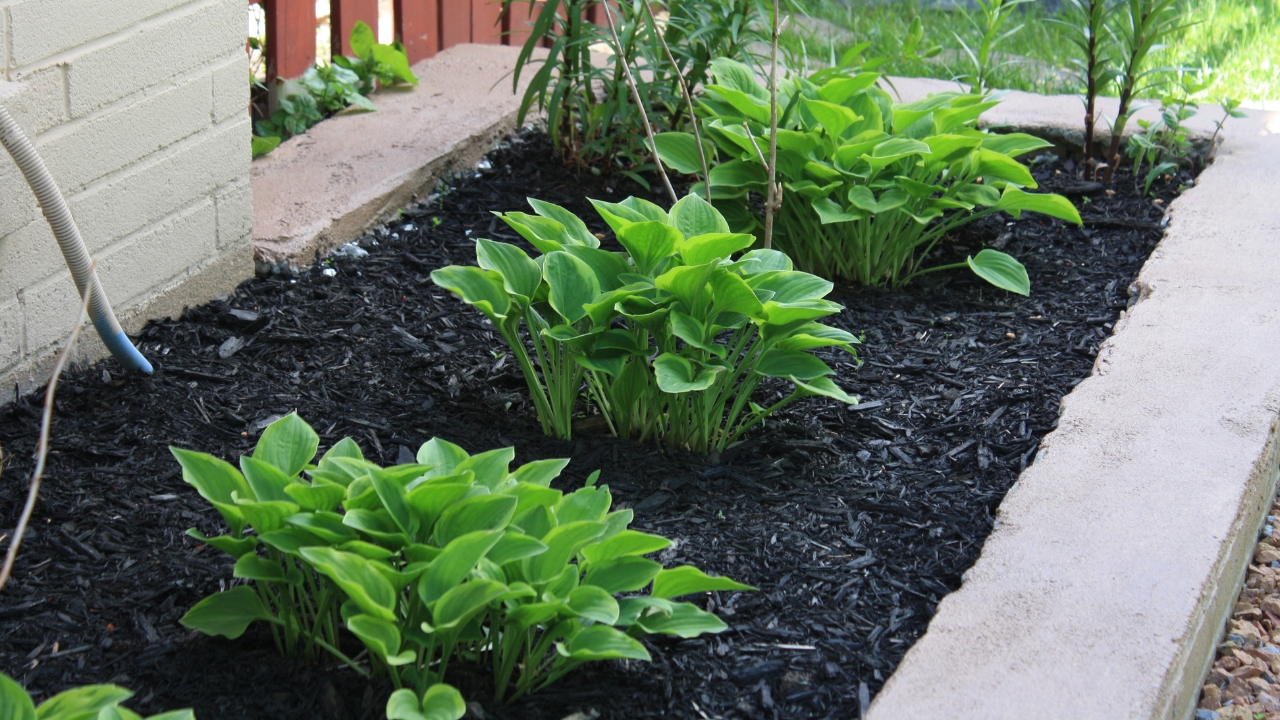
Add a layer of mulch—shredded leaves, straw, or compost—around perennials and in vegetable beds you plan to use again. Mulch insulates roots and helps even out temperature swings, especially for cool-season greens you’re trying to keep going into winter. Don’t pile it right against tree trunks or stems; give them a small “donut” of breathing room.
6. Harvest what can’t handle frost

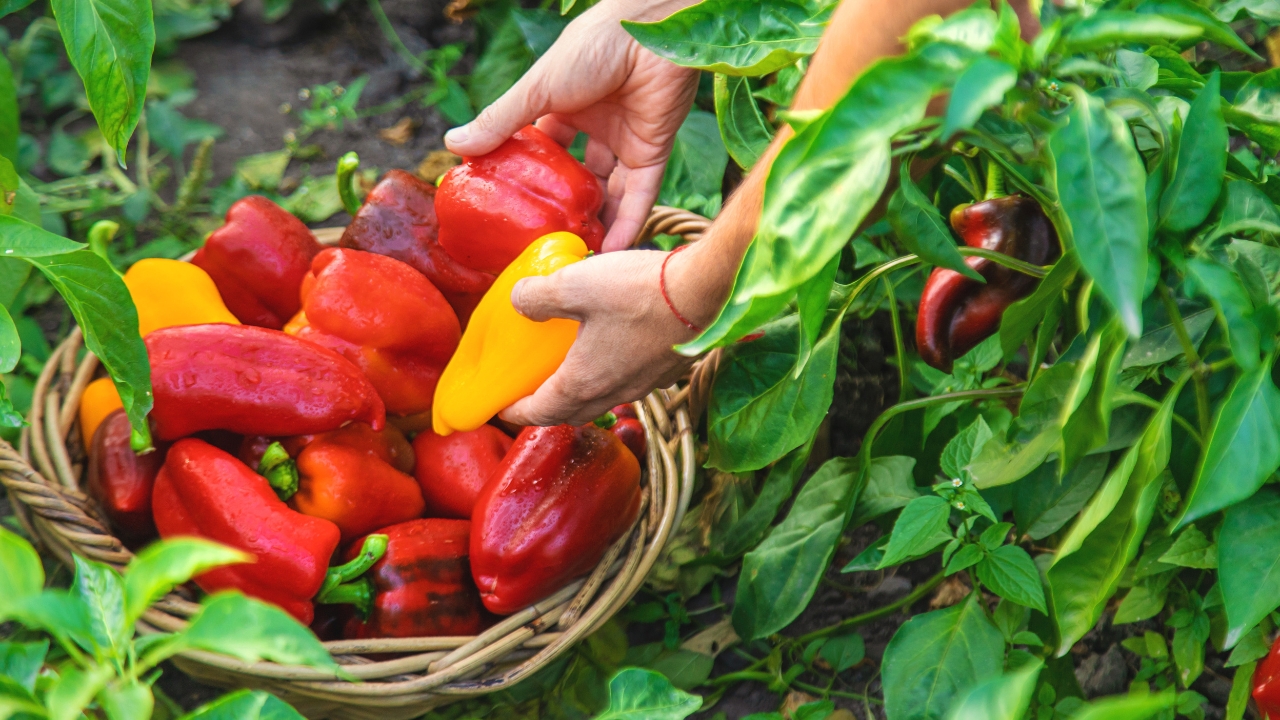
Before a hard freeze, harvest any remaining tender crops: tomatoes, peppers, squash, and any last herbs that hate cold. Garden checklists for pre-frost prep consistently push this step so your work all season doesn’t turn to mush overnight. You can rip out spent plants afterward to keep beds from turning into a slimy mess.
7. Check sheds, fuel, and tools
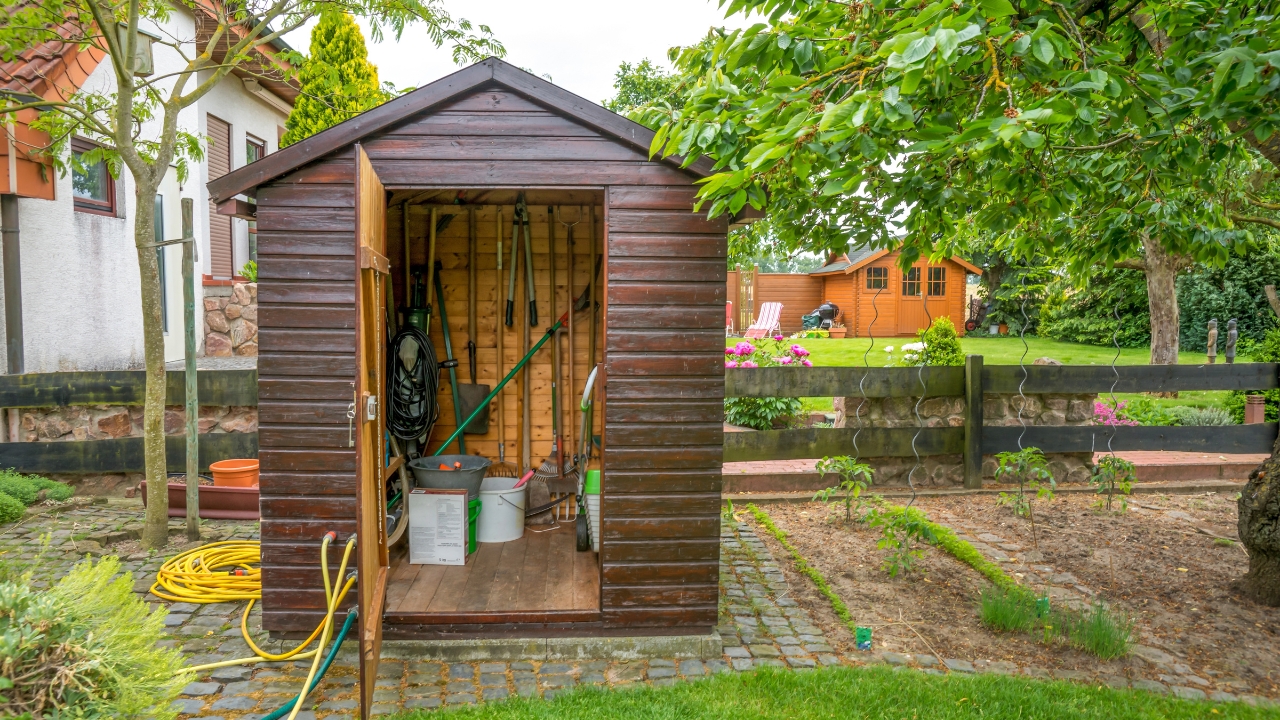
Last, walk the property. Store gas-powered tools with stabilizer in the fuel, coil extension cords off the ground, and make sure snow shovels, ice melt, and gloves are somewhere you can reach when you need them. Lock up fertilizers and chemicals in case critters or kids go exploring while everything else is shut down for winter.
Like Fix It Homestead’s content? Be sure to follow us.
- Man Says He Found Out the Fence He Paid For Wasn’t Actually on His Property
- Woman Says Her Neighbor Started Taking Mulch From Her Delivery Pile Before She Could Even Spread It
- I made Joanna Gaines’s Friendsgiving casserole and here is what I would keep
- What Caliber Works Best for Groundhogs, Armadillos, and Other Digging Pests?
*This article was developed with AI-powered tools and has been carefully reviewed by our editors.