8 habits that make open spaces harder to keep clean
Open-concept layouts can feel spacious and modern, but they’re also harder to maintain. With fewer walls and more shared zones, messes tend to spread and stand out more. If your open space always feels like it needs cleaning, your habits might be making it harder than it needs to be.
Leaving too much out in the open
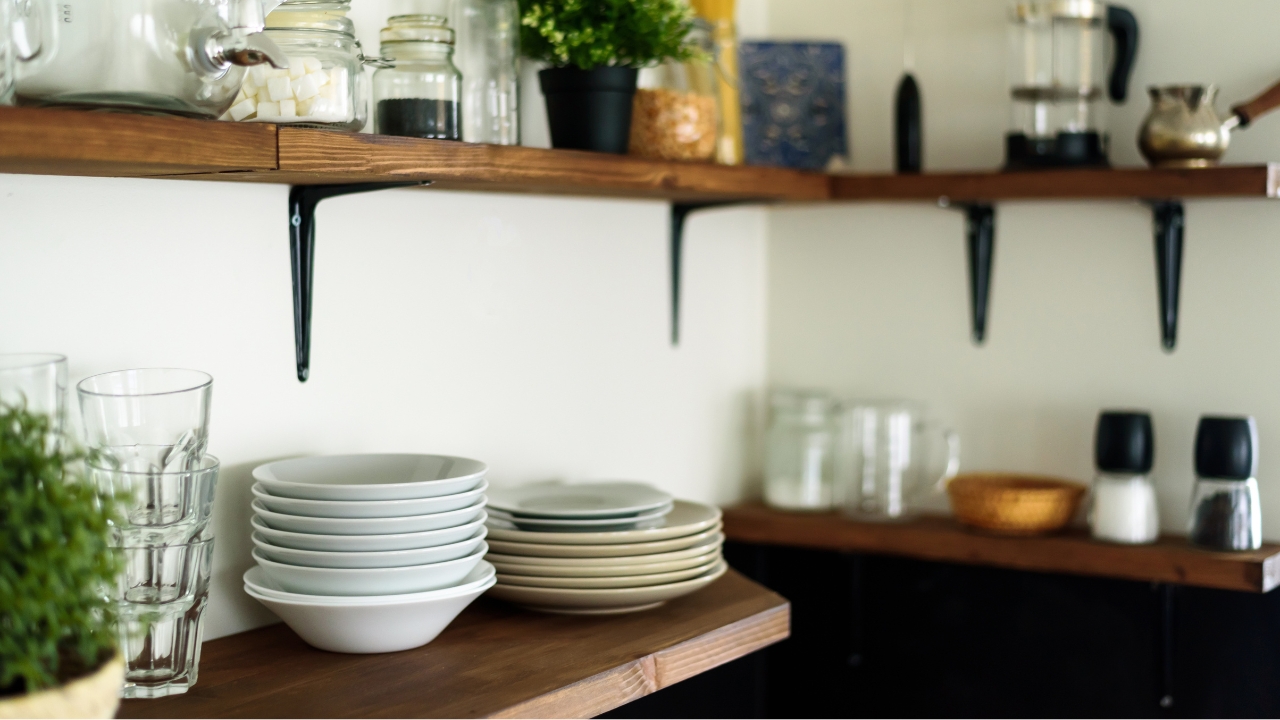
Open shelving, countertop appliances, decorative trays—it all adds up. When everything’s visible, it starts to look cluttered fast. It’s easier to keep open spaces clean when more of your storage is closed off, with clear zones for daily-use items.
Using furniture that’s hard to clean under
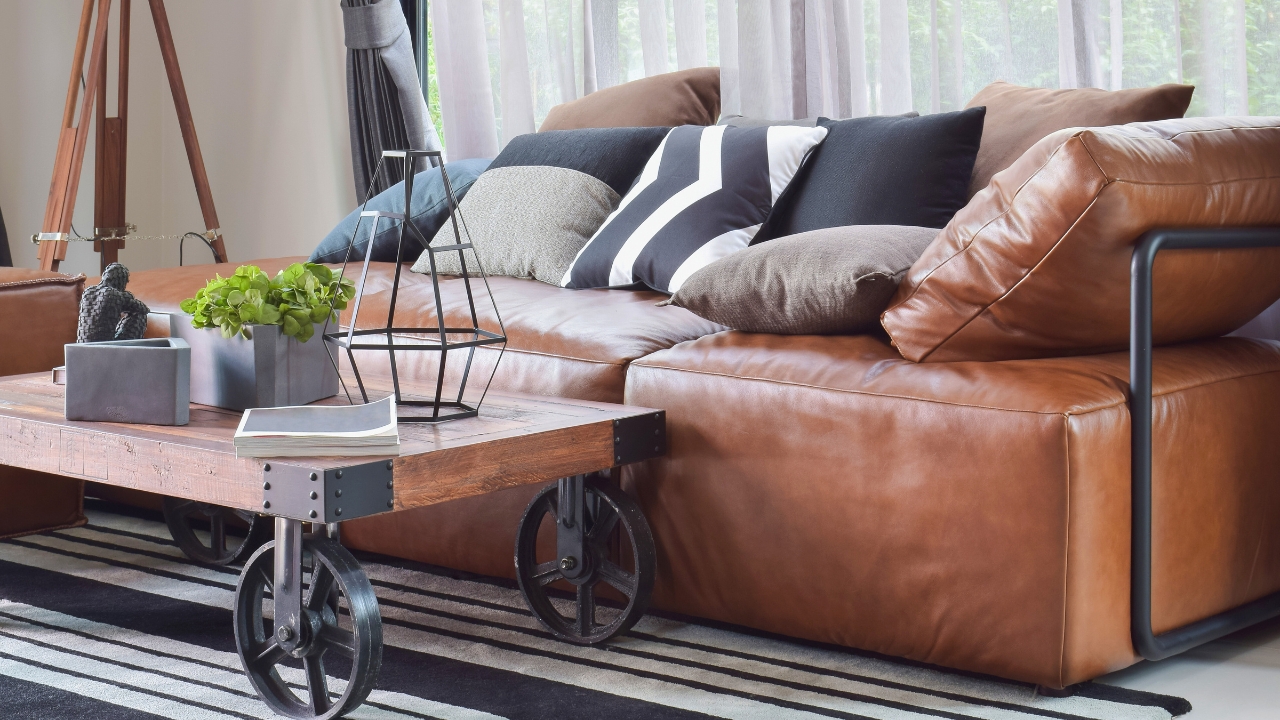
Couches without legs, bulky coffee tables, or chairs that are tough to move make it harder to clean up crumbs and dust. In an open space, you can see everything—so if something’s hard to clean under, it ends up being ignored more often.
Skipping defined zones

If there’s no clear boundary between the kitchen, living room, or dining area, messes tend to drift from one to another. Using rugs, furniture placement, or lighting to break things up makes it easier to keep each area under control.
Storing things in the wrong areas
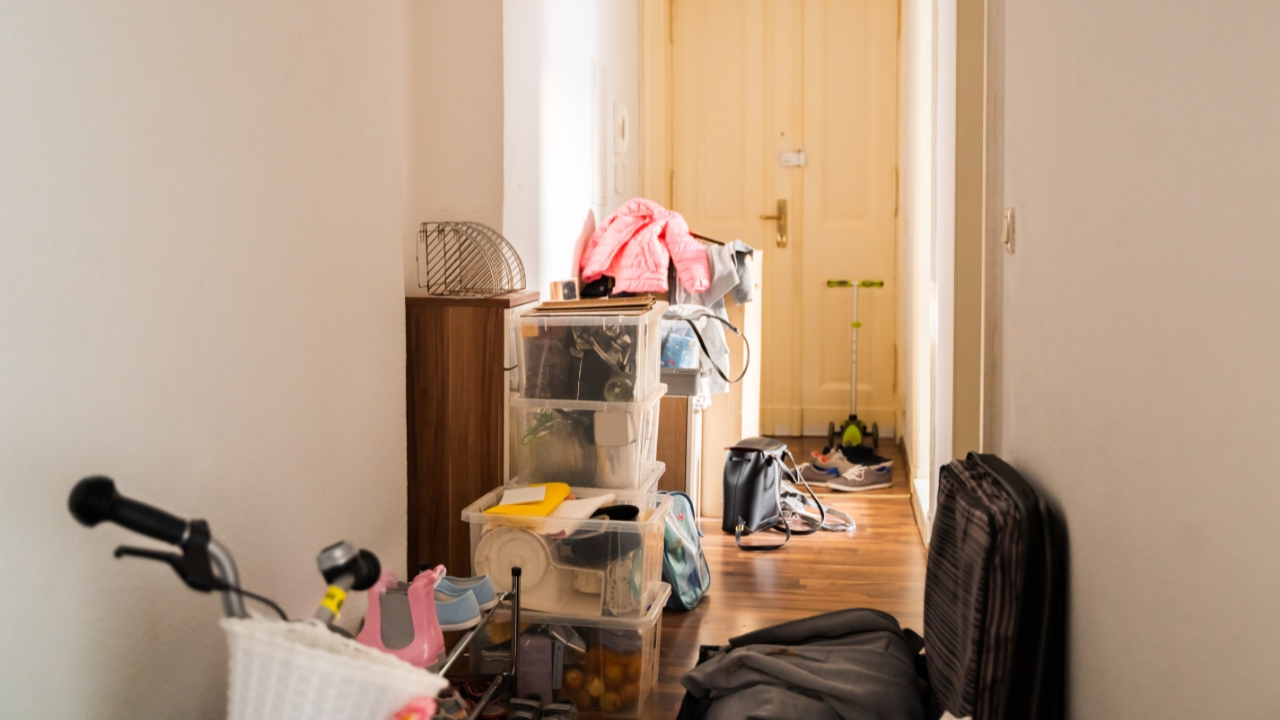
If kids’ toys are always underfoot in the kitchen or paperwork piles up in the living room, your open space will always feel messy. Keeping storage close to where items are used makes it easier to tidy up without everything migrating across the room.
No drop zone near the entry
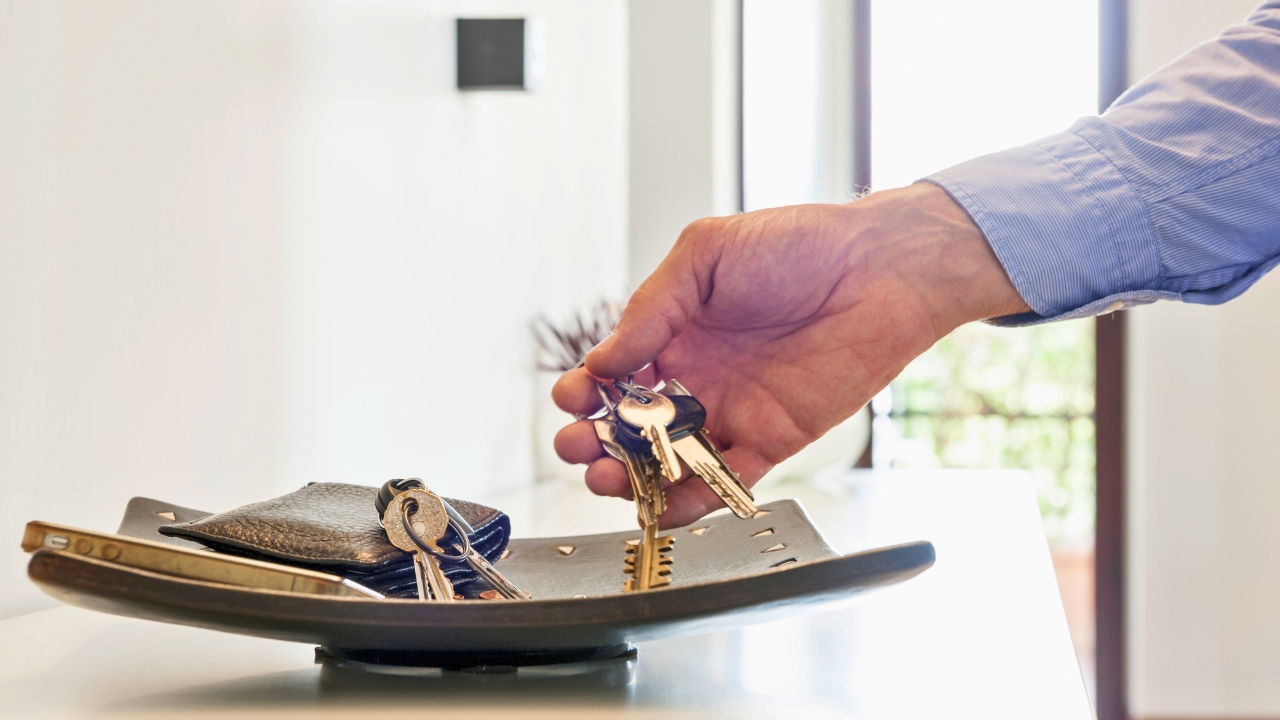
Without a designated place to kick off shoes, hang bags, or drop keys, stuff spreads quickly into your open space. A small bench, hook rack, or basket near the door can stop clutter before it takes over the rest of the house.
Letting the floors go too long
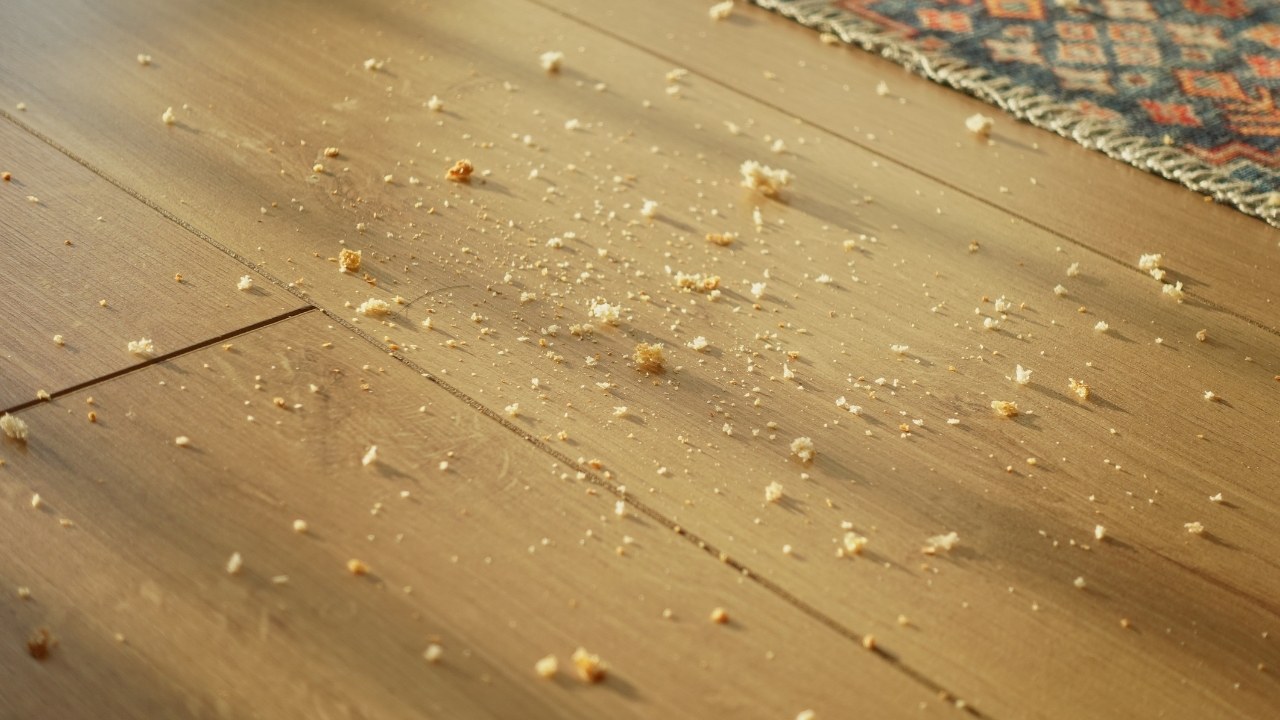
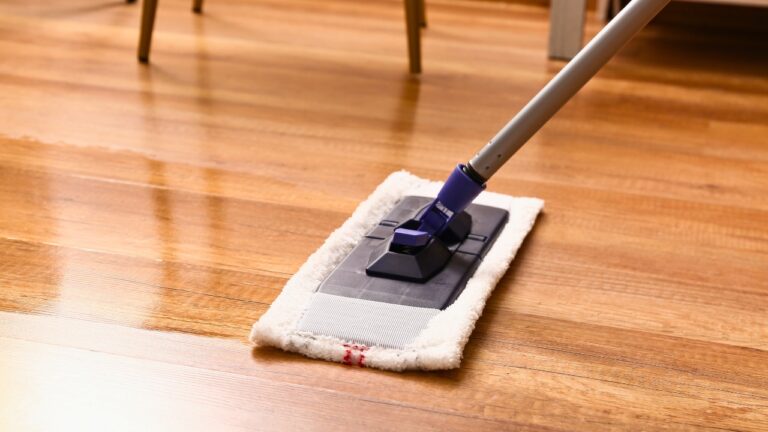
In open spaces, floors take a beating and show it. Crumbs from the kitchen drift into the living room, and dust builds up fast. A quick vacuum or sweep every couple of days goes a long way in keeping things feeling clean.
Using materials that attract dust or smudges
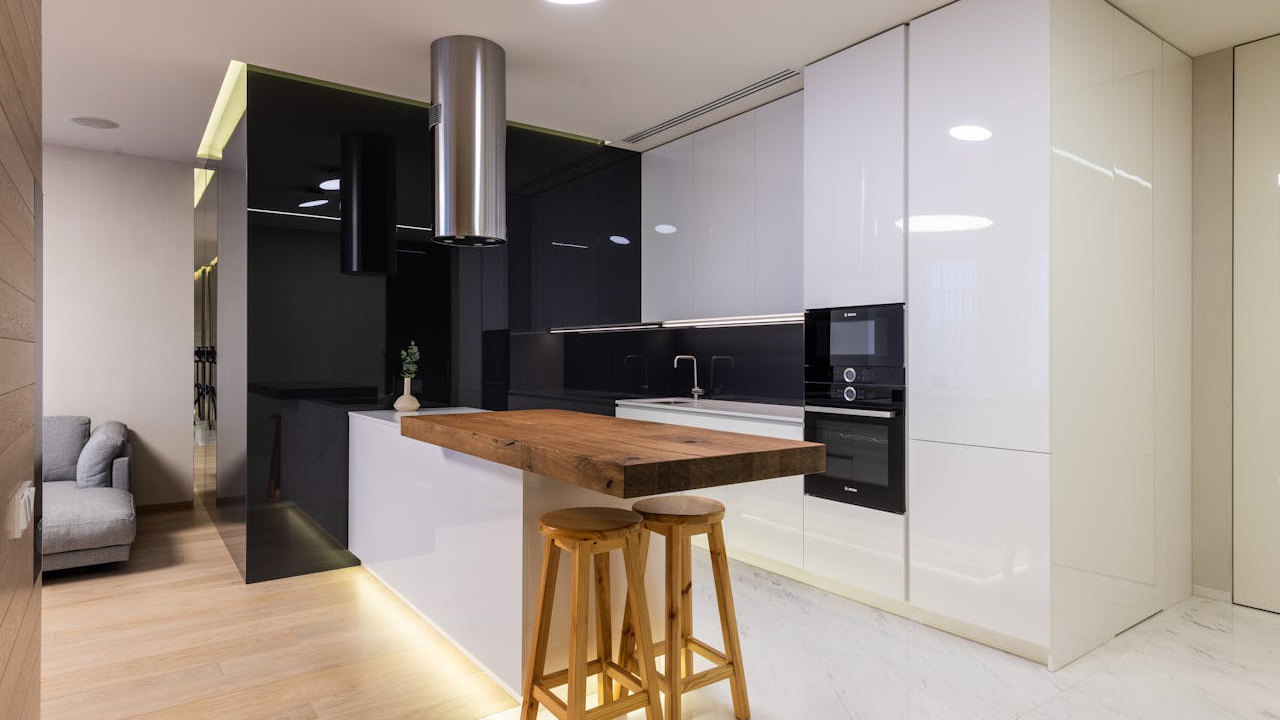
High-gloss furniture, glass tables, or black cabinetry might look sleek, but they highlight every fingerprint and speck of dust. In large open areas with natural light, those flaws are even more obvious. Choosing finishes that are easier to maintain can help.
Not resetting the space daily
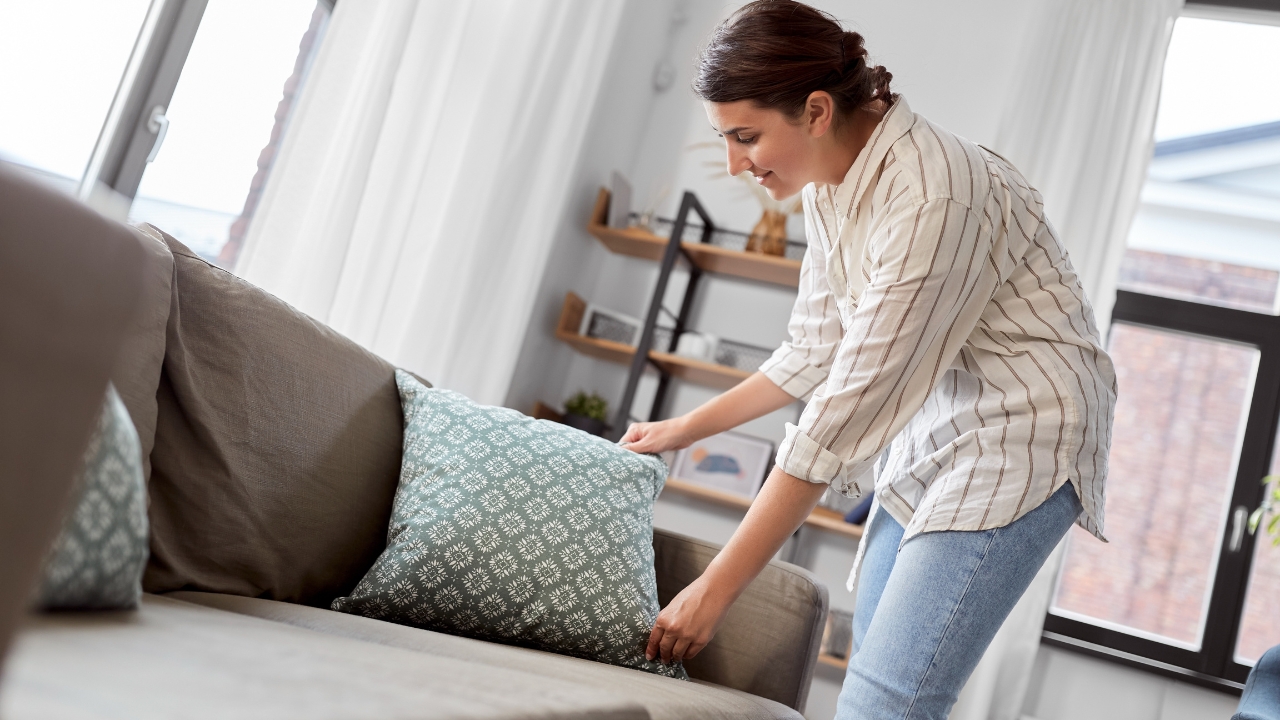
Open areas don’t hide messes—so if you don’t take five to ten minutes at the end of each day to reset things, it builds up fast. Fluffing cushions, wiping counters, and putting things back where they belong helps the space feel ready again.
*This article was developed with AI-powered tools and has been carefully reviewed by our editors.