8 livestock breeds that handle cold weather best
Cold climates require animals that can maintain weight, stay healthy, and keep producing through winter. Some breeds naturally grow heavier coats, store more body fat, or have strong instincts for dealing with snow and ice.
Choosing cold-hardy livestock means fewer losses, less stress, and better performance year-round. These breeds are proven to handle frigid conditions without slowing down.
Highland Cattle

Highlands have long, thick coats that protect them from snow, wind, and cold rain.
They’re efficient grazers and maintain body condition through harsh winters.
Icelandic Sheep

Icelandic sheep grow a dual-layer coat that insulates well in freezing temperatures.
They’re hardy, adaptable, and continue producing high-quality wool in tough conditions.
Yak

Yaks are naturally adapted to high-altitude, cold environments. Their dense undercoat keeps them warm even in subzero weather.
They’re versatile animals, providing meat, milk, and fiber.
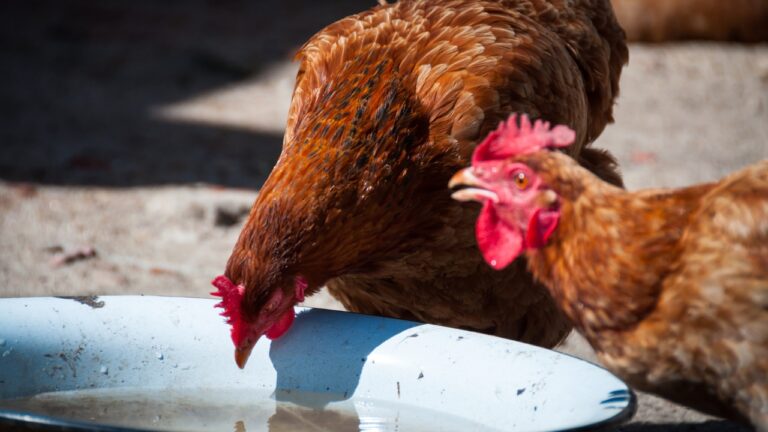
Chantecler Chicken

Chanteclers were developed in Canada for cold climates. They have small combs and wattles, reducing frostbite risk.
They’re reliable layers of brown eggs through the winter.
Tamworth Pig

Tamworth pigs have a dense coat and strong foraging ability, which helps them stay warm while rooting in cold weather.
They grow well outdoors year-round when given proper shelter.
Norwegian Fjord Horse

Norwegian Fjords grow thick winter coats and maintain energy in cold, snowy terrain.
They’re strong, steady workers and handle winter feeding conditions well.
Galloway Cattle

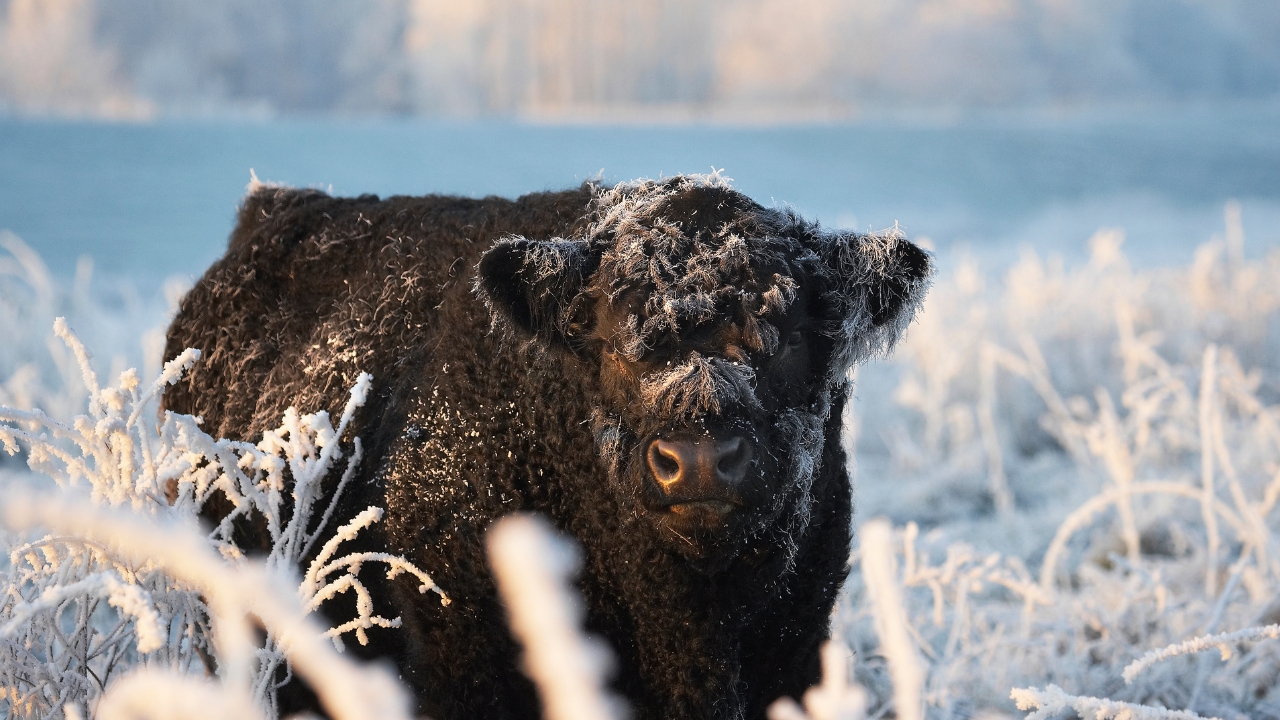
Galloways have a dense, curly coat that sheds moisture and insulates against the cold.
They’re low-maintenance and thrive on pasture, even in winter.
Romney Sheep

Romneys produce heavy, long wool that insulates in wet and cold climates.
They remain hardy and productive without extensive shelter.
*This article was developed with AI-powered tools and has been carefully reviewed by our editors.