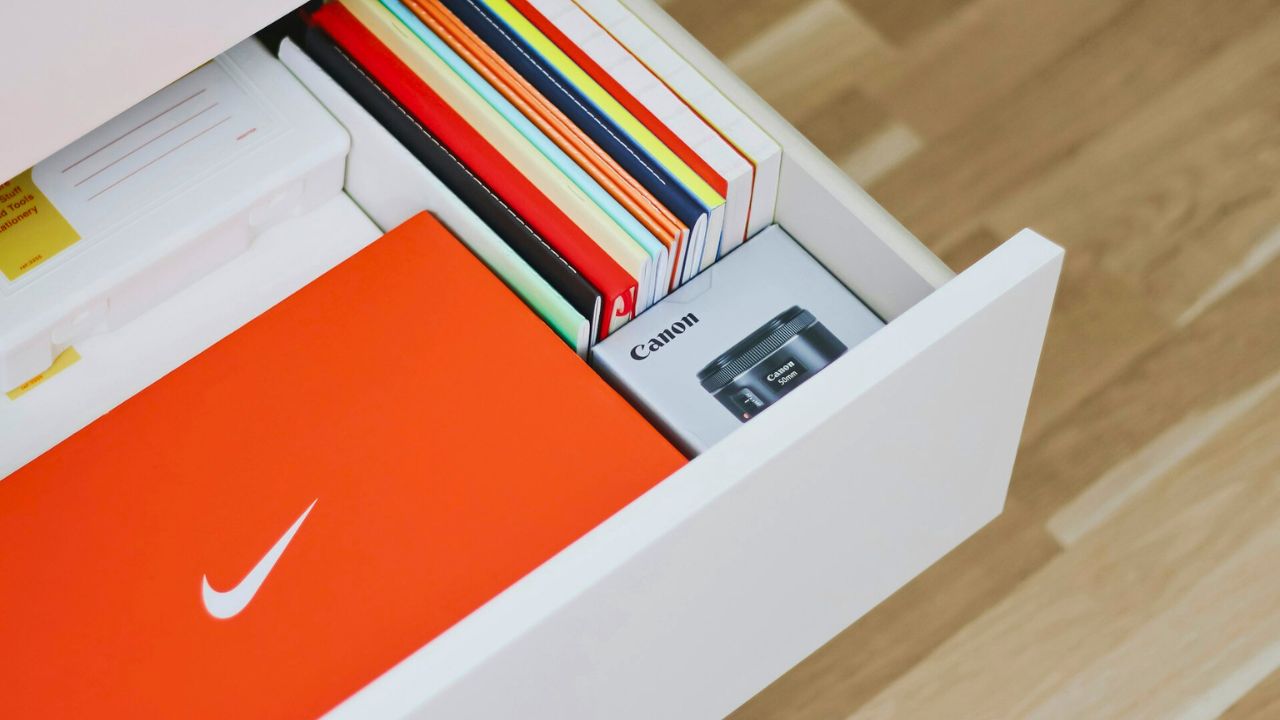
8 Organizing Tips That Make the Most of Deep Drawers
Deep drawers are a blessing and a curse. They can hold a ton—but if you’re not careful, they turn into junk pits where things disappear. The key is to treat them like mini cabinets with layers, not bottomless bins.
These ideas help you use every inch without turning each drawer into a black hole.
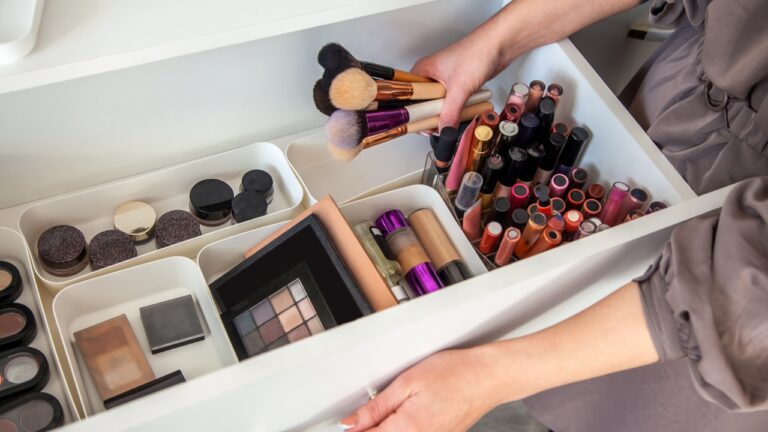
Use bins or boxes as “zones” inside the drawer
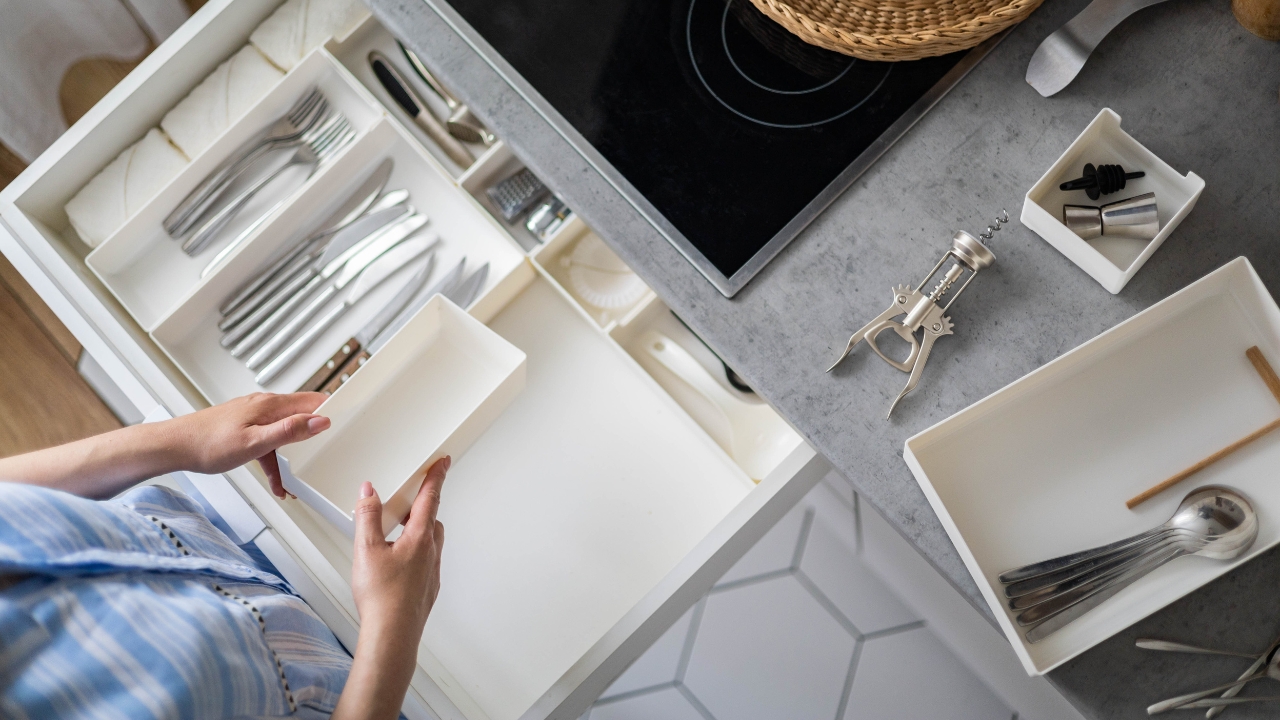
Instead of dumping everything straight in, use smaller bins or boxes inside the drawer to create zones: baking tools, lids, snack bags, dishcloths, or kids’ dishes. That way, when you open it, you see sections instead of a pile.
You don’t need fancy organizers. Shoe boxes, clear bins, or cut-down cardboard boxes work too. The goal is to stop things from sliding all over and to give each category a clear home.
Stand items upright instead of stacking
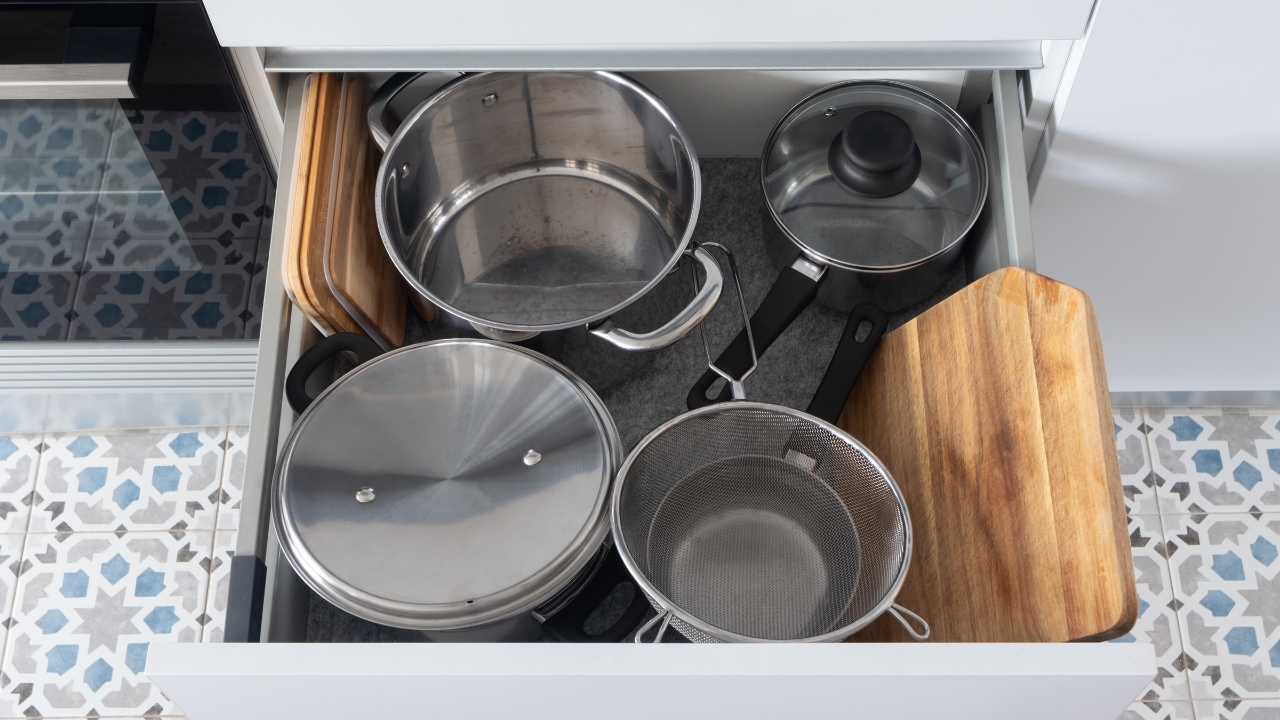
Deep drawers are perfect for storing things vertically: cutting boards, baking sheets, lids, even plastic containers. Standing items upright, file-folder style, makes it easier to see and grab what you need without unstacking.
Use tension dividers, a lid organizer, or even a narrow bin turned sideways as a “bookend” to keep things from falling over. Once you see everything at a glance, you stop rebuying items you already own but can’t find.
Keep most-used items toward the front and top
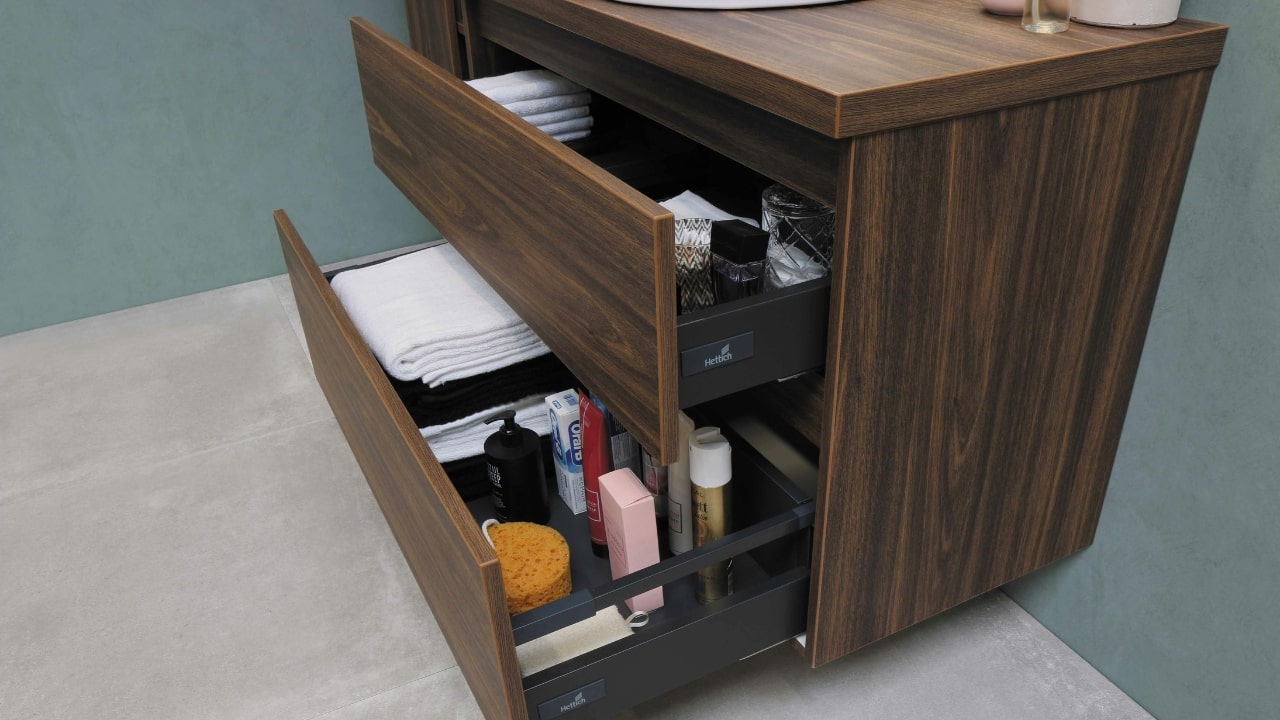
Not everything in a deep drawer is equally important. Keep everyday items toward the front or on top layers: the pan you grab daily, the towels you use most, the kid cups that get washed nonstop. Less-used things can live in the back or underneath.
This way, you’re not digging to the bottom for what you reach for every morning. The drawer still holds plenty, but it feels more like a tool and less like storage for “someday.”
Add risers or shallow containers to create levels
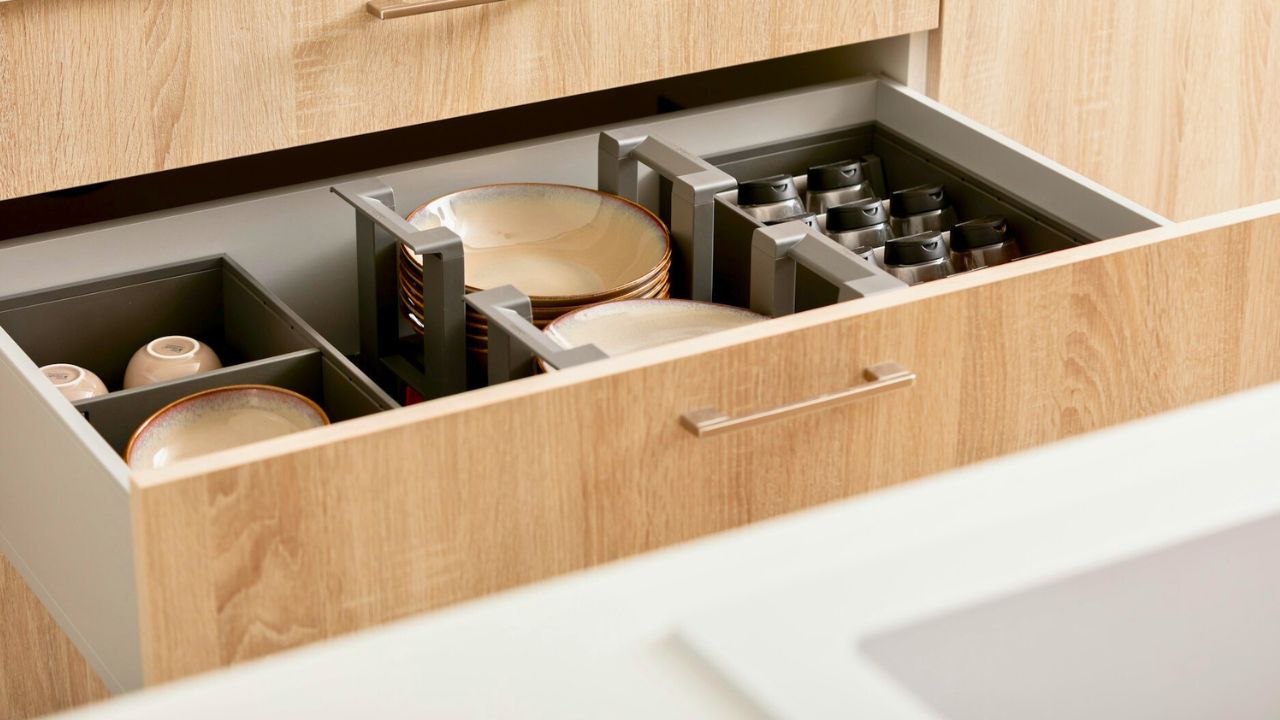
If everything sits at the bottom of a deep drawer, you’re wasting vertical space. A couple of shallow containers or small risers can create levels: taller items on the bottom, smaller ones on top.
For example, you can store big mixing bowls underneath and place a low bin on top with measuring cups or baking tools. When you open the drawer, you see the top layer, and you can still lift it out easily to reach what’s below.
Use drawer dividers to keep utensils from sliding
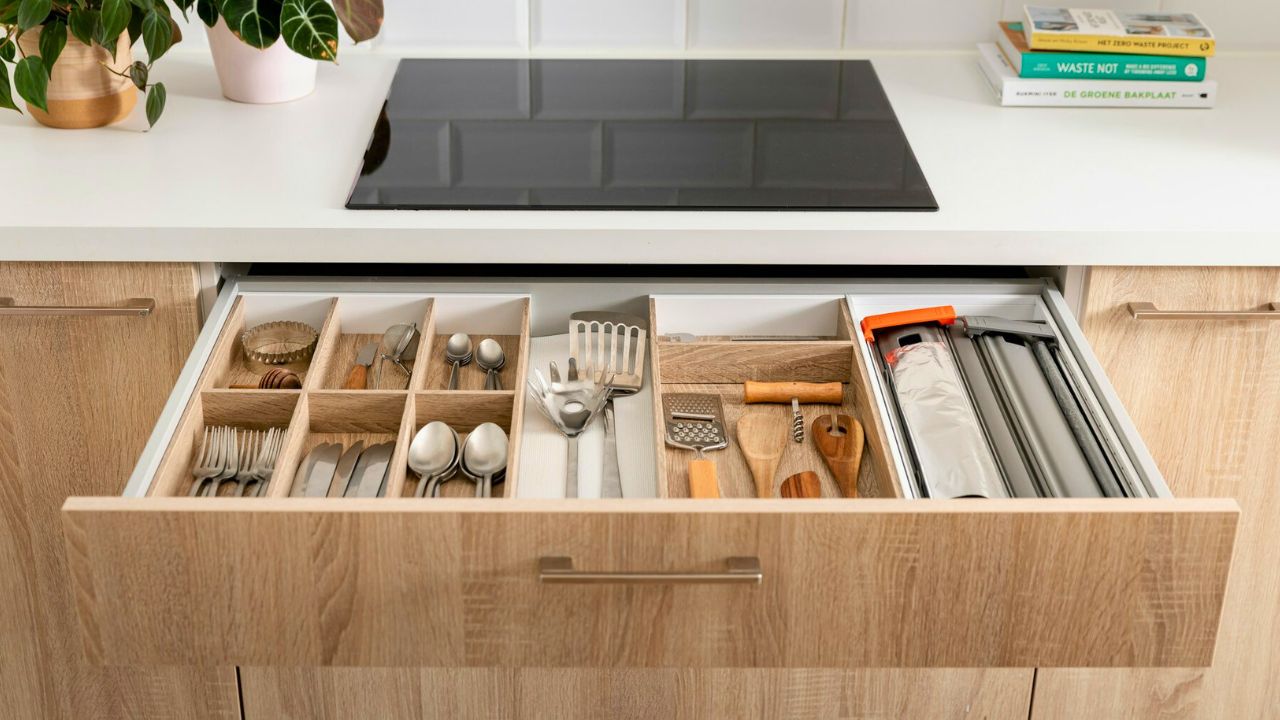
In deep drawers used for utensils or gadgets, things slide everywhere unless they’re contained. Adjustable dividers let you carve out sections for spatulas, whisks, tongs, and serving spoons so they stay put.
Measure first, then set up sections that match how you cook: one for cooking spoons, one for baking tools, one for grilling, and so on. When everything has a “lane,” the drawer feels calm instead of chaotic.
Reserve at least one deep drawer for bulkier, awkward items
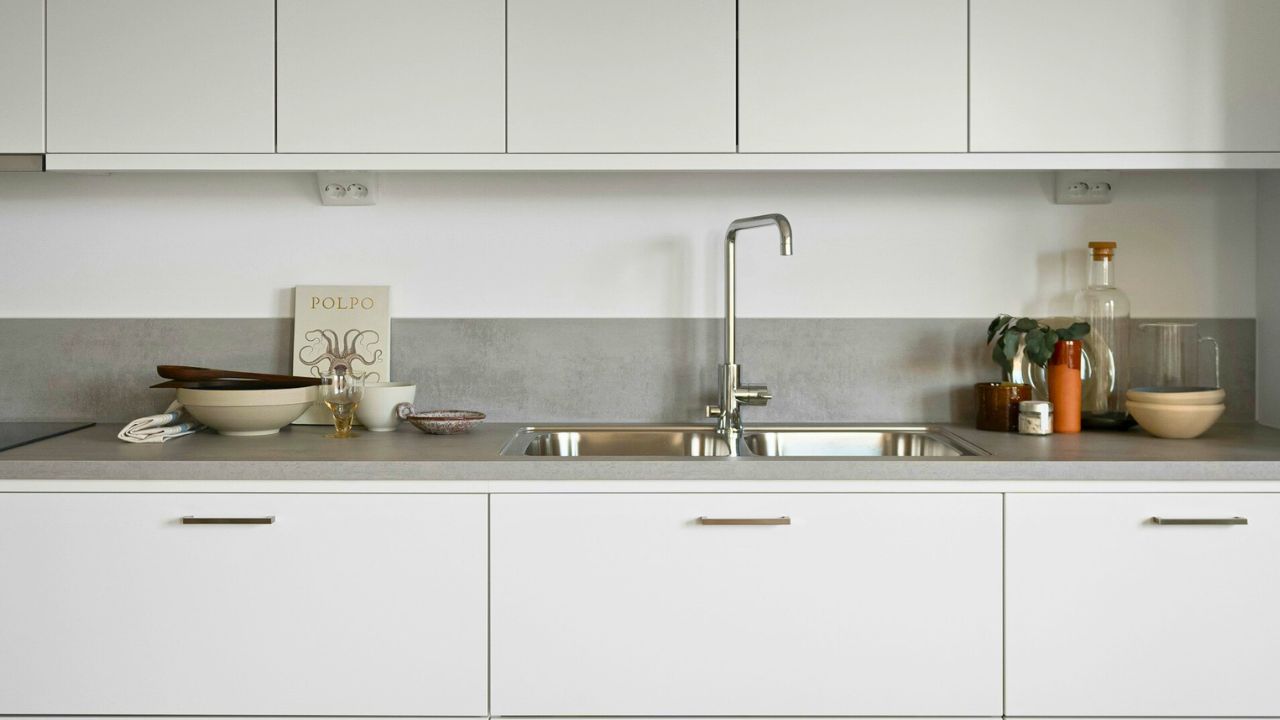
Some things are always going to be awkward—large mixing bowls, tall water bottles, big food storage containers. Designate one deep drawer as their zone instead of squeezing them into cabinets.
Store containers with their lids attached or stacked and nested together. When they’re corralled in one place, you’re not fighting them in three different cabinets every time you cook or pack leftovers.
Label the inside edge or top of the drawer
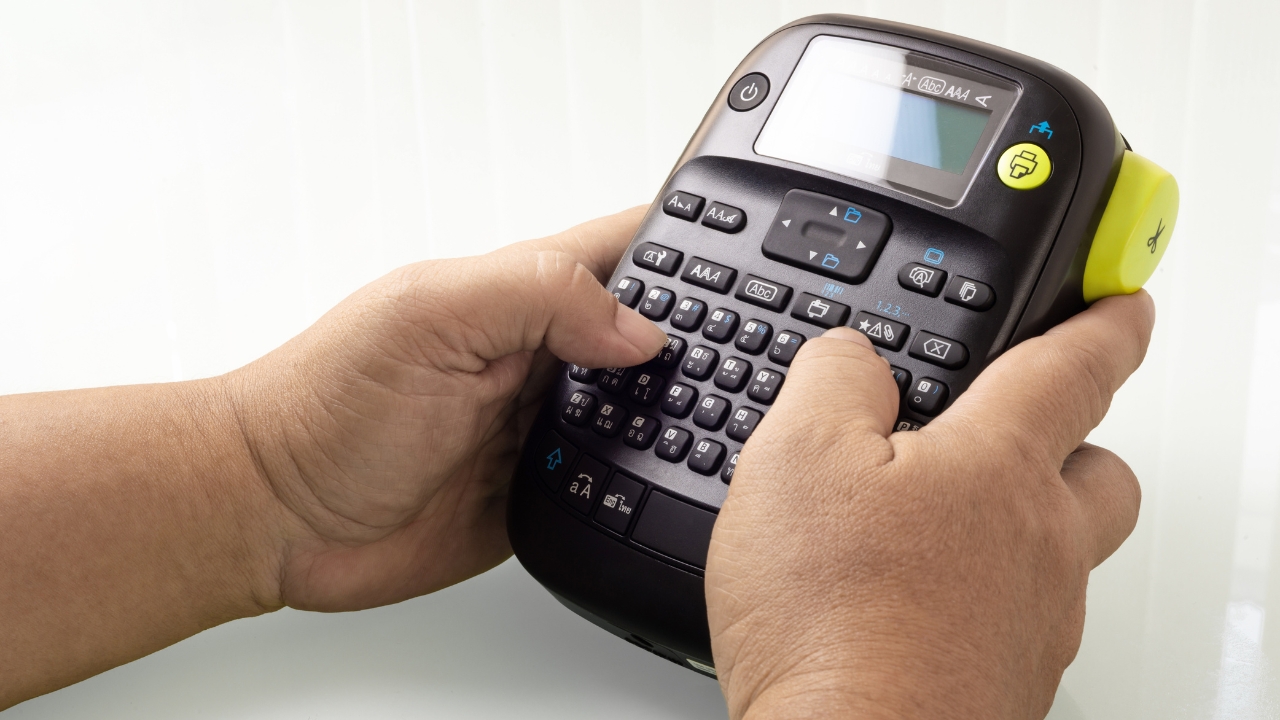
Labels aren’t just for pantries. A small label on the inside edge or top of the drawer can remind everyone what belongs where: “Pots & Lids,” “Kids’ Dishes,” “Bakeware,” or “Snack Packs.”
It feels a little extra, but it helps other people put things away correctly. Over time, that keeps the drawer from sliding back into chaos and saves you from being the only one who knows the “system.”
Edit contents twice a year so drawers don’t re-clutter
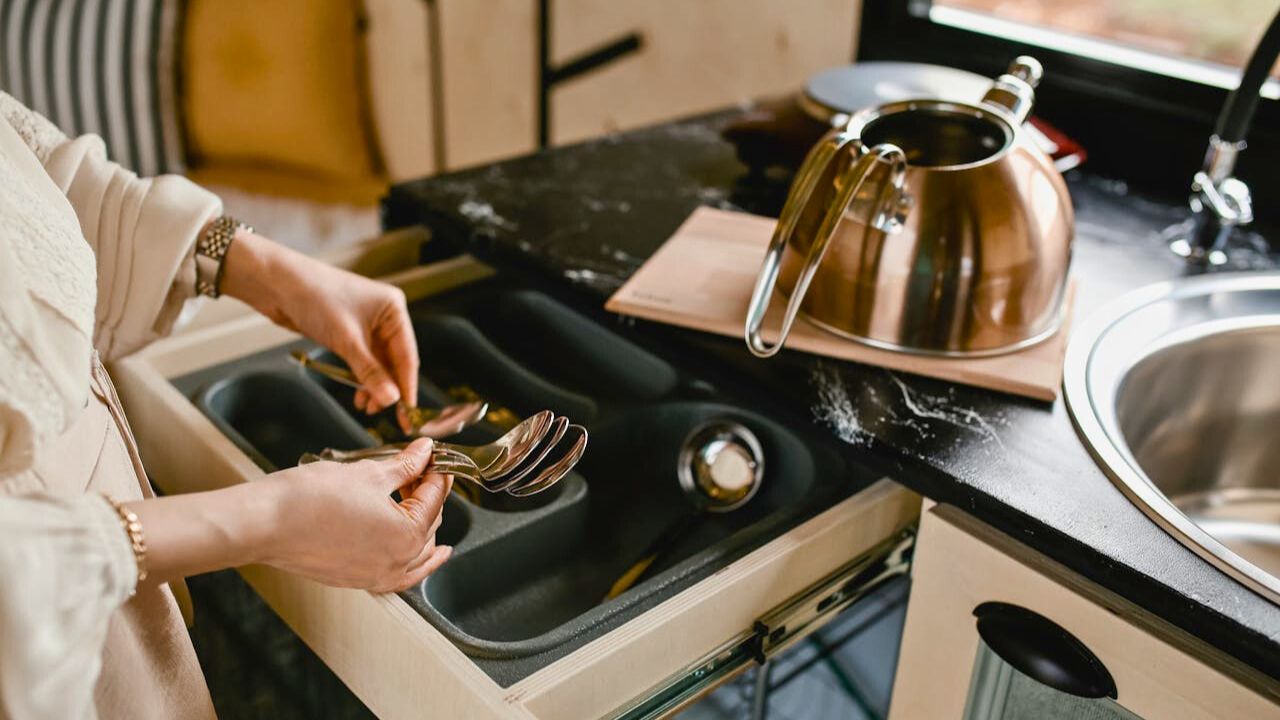
Even the best drawer setup will fill up again if you never edit it. Twice a year, pull everything out and be honest: what actually gets used, and what’s just taking up room? Donate or toss duplicates and broken pieces.
A quick reset keeps deep drawers easy to use, not overstuffed. When you only keep what earns its space, every time you open that drawer feels calmer and more functional.
Like Fix It Homestead’s content? Be sure to follow us.
- I made Joanna Gaines’s Friendsgiving casserole and here is what I would keep
- Pump Shotguns That Jam the Moment You Actually Need Them
- The First 5 Things Guests Notice About Your Living Room at Christmas
- What Caliber Works Best for Groundhogs, Armadillos, and Other Digging Pests?
- Rifles worth keeping by the back door on any rural property
*This article was developed with AI-powered tools and has been carefully reviewed by our editors.