
8 Plants in Your Garden That Attract More Bugs Than Bees
If you’re planting with pollinators in mind, it’s easy to assume anything blooming is good for bees. But some garden favorites end up attracting more pests than beneficial insects. Certain flowers and shrubs bring in aphids, mites, beetles, and mosquitoes—without offering much for bees at all.
Whether it’s the type of nectar, the scent, or the way the plant grows, these choices can lead to more headaches than help. If your garden feels like a bug buffet with no bees in sight, these plants might be the problem.
Fennel
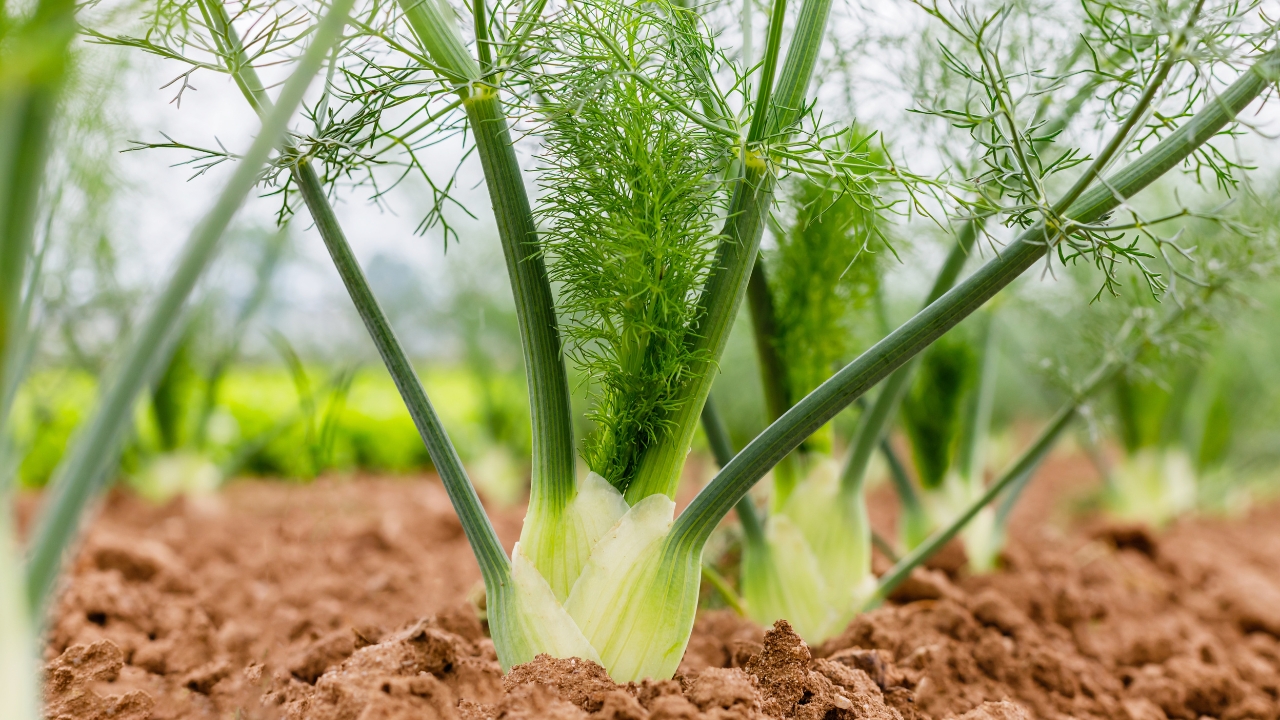
Fennel is known for its tall stalks and feathery leaves, but it doesn’t offer much value for bees. Instead, it’s a magnet for aphids, whiteflies, and caterpillars—especially when planted in clusters.
While some pollinators may stop by, most bees aren’t especially drawn to it. The pests it attracts often spread to nearby plants, making fennel a risky neighbor in a garden meant to support pollinators.
Hosta

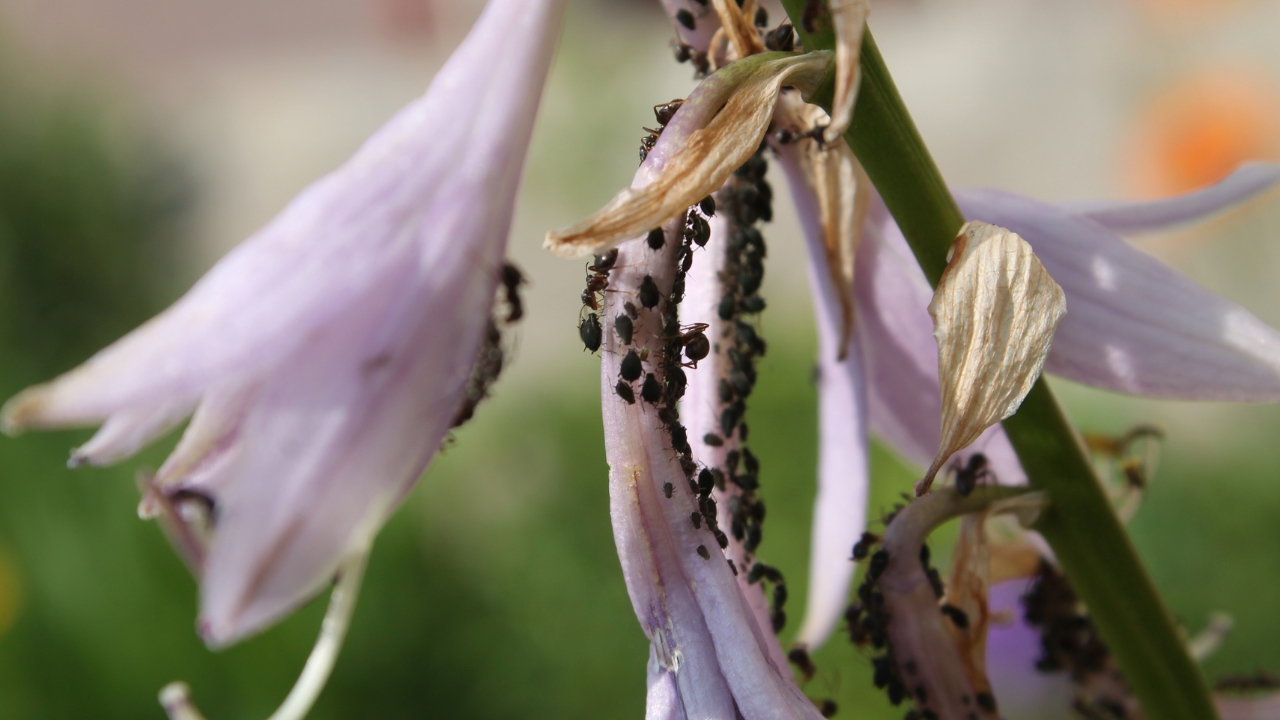
Hostas are shade-loving staples, but they’re mostly foliage with very little nectar to offer. Their blooms don’t last long and don’t produce much to attract bees in a meaningful way.
On the flip side, hostas are prone to aphids, slugs, and spider mites. If you’re looking for pollinator-friendly shade plants, something like bee balm or native columbine is a better pick.
Zinnias (Certain Varieties)
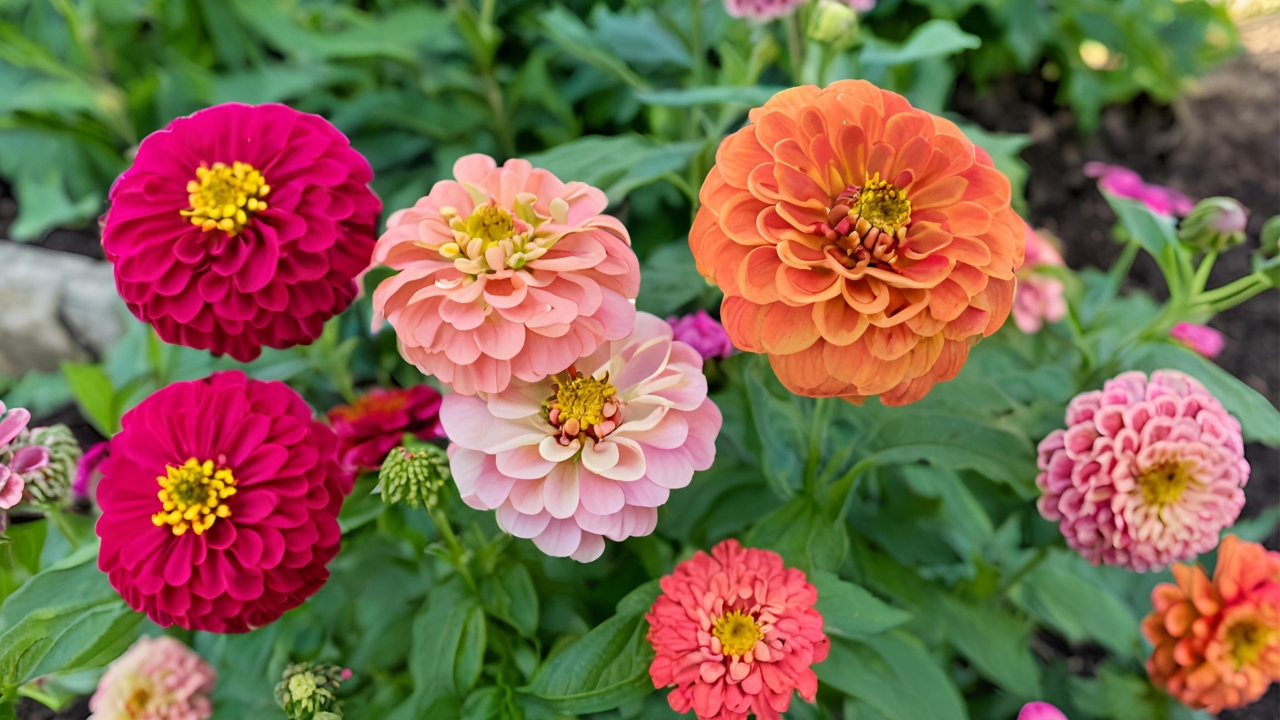
While some heirloom zinnias are great for bees, many of the newer hybrid varieties have been bred more for looks than function. The tightly packed petals can block access to pollen and nectar.
These same hybrids tend to attract beetles, thrips, and aphids more than pollinators. If you love zinnias, choose single-bloom types with open centers—those still support bee traffic without turning into pest magnets.
Petunias
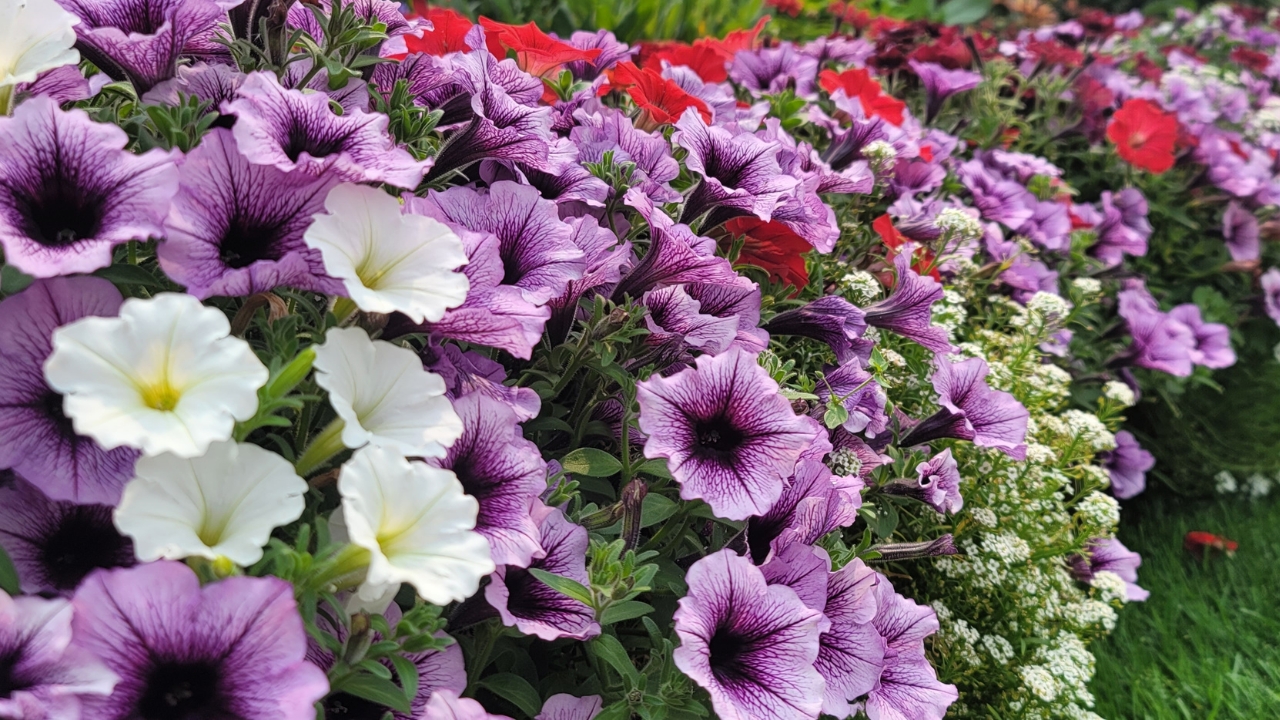
Petunias might brighten up borders, but they’re not a big draw for bees. Their trumpet-shaped blooms can be hard for bees to access, and the nectar content is low.
They’re also notorious for drawing aphids, thrips, and caterpillars, especially in hot weather. If you’re trying to cut down on pest problems, skip petunias and go for something more functional like calendula or black-eyed Susan.
Marigolds

Marigolds are often promoted as pest-deterrent plants, but they can backfire. While they may repel some bugs, they also attract spider mites, thrips, and whiteflies—especially in warm, dry conditions.
Bees typically don’t prioritize marigolds, especially the double-flower types with hard-to-reach centers. If you’re growing them, keep an eye on the undersides of leaves and don’t rely on them as a bee-friendly option.
Lantana

Lantana’s bright colors catch your eye—and plenty of bugs too. While butterflies may stop by, bees aren’t big fans, and it tends to attract aphids, lace bugs, and whiteflies in large numbers.
It’s also toxic to pets and invasive in some areas. If you’re after a bright bloom that bees will actually visit, consider coreopsis or salvia instead.
Knock Out Roses
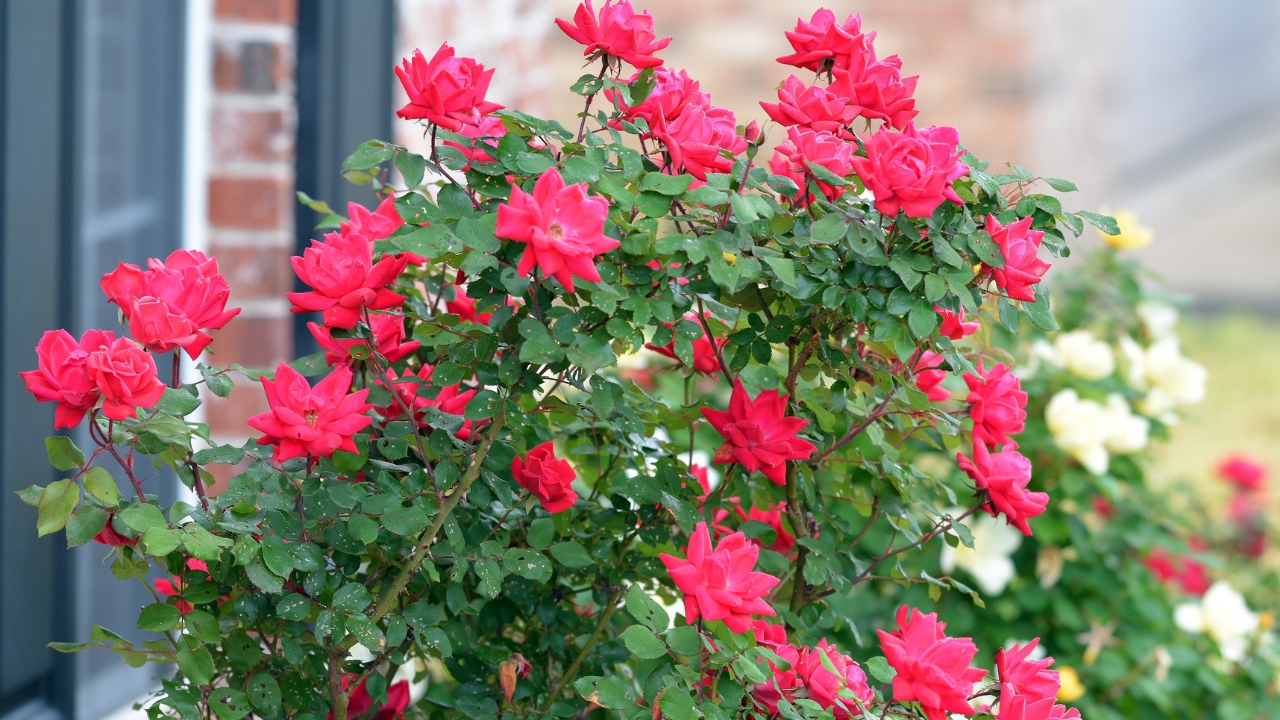
These hardy roses are low-maintenance, but that’s mostly because they don’t produce much nectar or fragrance. Bees don’t get much from them, and they’re often visited more by beetles and aphids.
They’re also commonly treated with pesticides, which can further deter pollinators. For a more bee-friendly rose, look for single-petal varieties with open centers and a strong scent.
Geraniums

Geraniums are popular for containers, but their blooms aren’t especially appealing to bees. The shape and scent don’t offer much for pollinators, and most bees skip them entirely.
Meanwhile, they’re a magnet for spider mites and leafhoppers—especially when the weather heats up. If you’re trying to fill a pot or border and want something bee-friendly, go for lavender or nasturtium instead.
*This article was developed with AI-powered tools and has been carefully reviewed by our editors.


