8 things you need out of your house before you list it if you don’t want lowball offers
Most buyers scroll through photos before they ever step foot in your house. If what they see looks cramped, outdated, or overly personal, they’re already trimming their mental offer. Real estate pros and stagers all say the same thing: decluttering and depersonalizing are the cheapest way to protect your price.
You don’t have to live in a show home forever. But before the photographer shows up, these are the things that should not be there.
Personal photos and “this is our whole life” walls
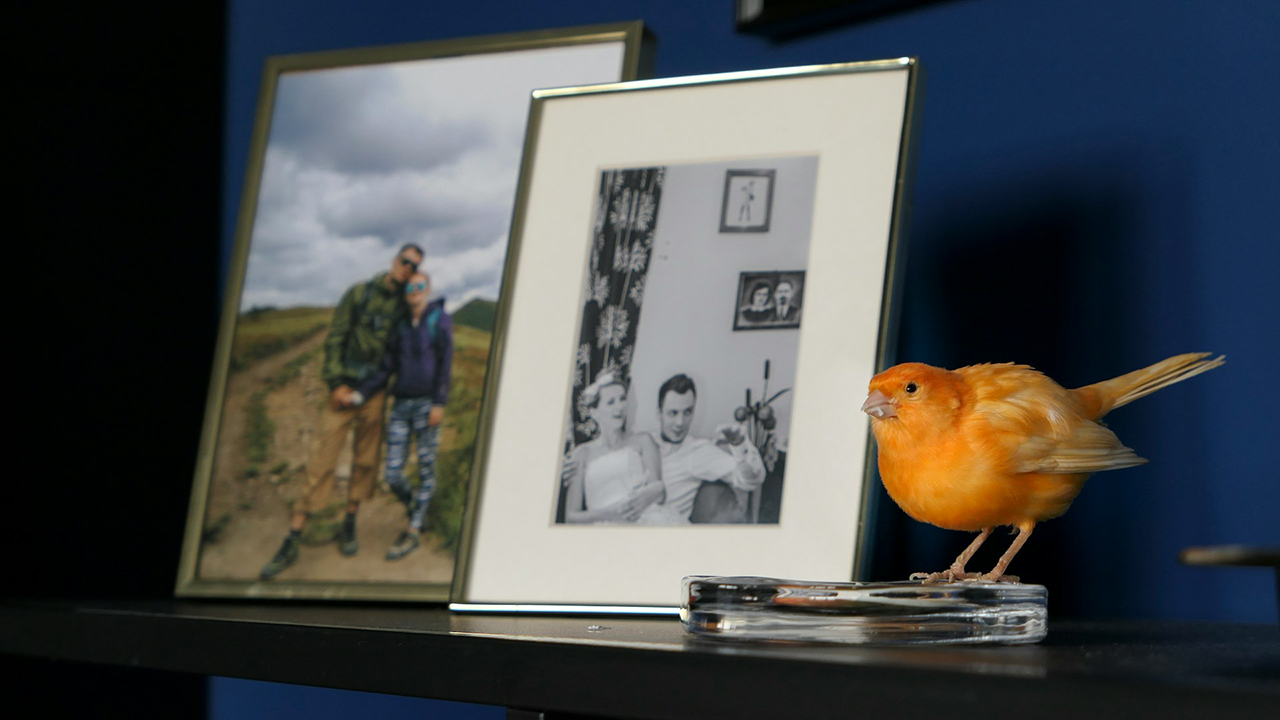
Buyers need to imagine their own family in the house. When every wall and shelf is covered with your kids, wedding photos, and extended family, it’s harder for them to do that. Stagers consistently recommend taking most personal photos down.
You don’t have to strip everything—leave one or two small frames if you want—but big gallery walls and giant canvases should come down. Swap in neutral art or mirrors, or leave some walls clean so the room itself stands out.
Collections and knickknacks

Shelves stuffed with collectibles, figurines, and “treasures” read as clutter in photos. Stagers and agents say anything that photographs as “busy” makes spaces feel smaller and gives buyers mental work to do.
Pick a few pieces you love and pack the rest. If a shelf looks crowded in a photo on your phone, it’s going to look worse on a listing site. Clear space helps buyers see the bones of the room instead of getting distracted by your stuff.
Extra furniture that shrinks the room
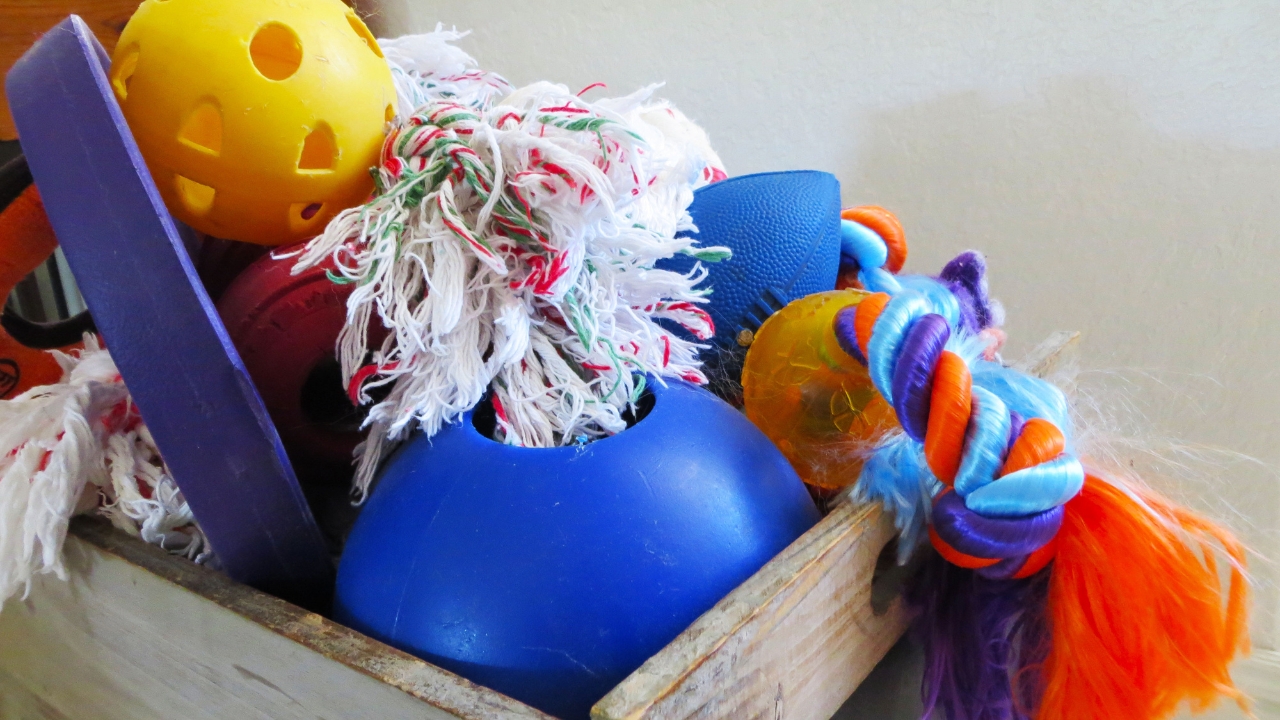
Most of us have more furniture than we strictly need: extra chairs, side tables, toy bins, big dog beds, and random shelves we stopped noticing. HomeLight’s staging advice and agent forums all say cutting furniture is one of the fastest ways to make a room feel bigger.
Walk through each room and ask, “What could leave so the rest can breathe?” If a chair blocks a walkway or a dresser crowds a door, move it to storage. You want clear, simple furniture layouts that show off floor space.
Countertop clutter in kitchens and baths
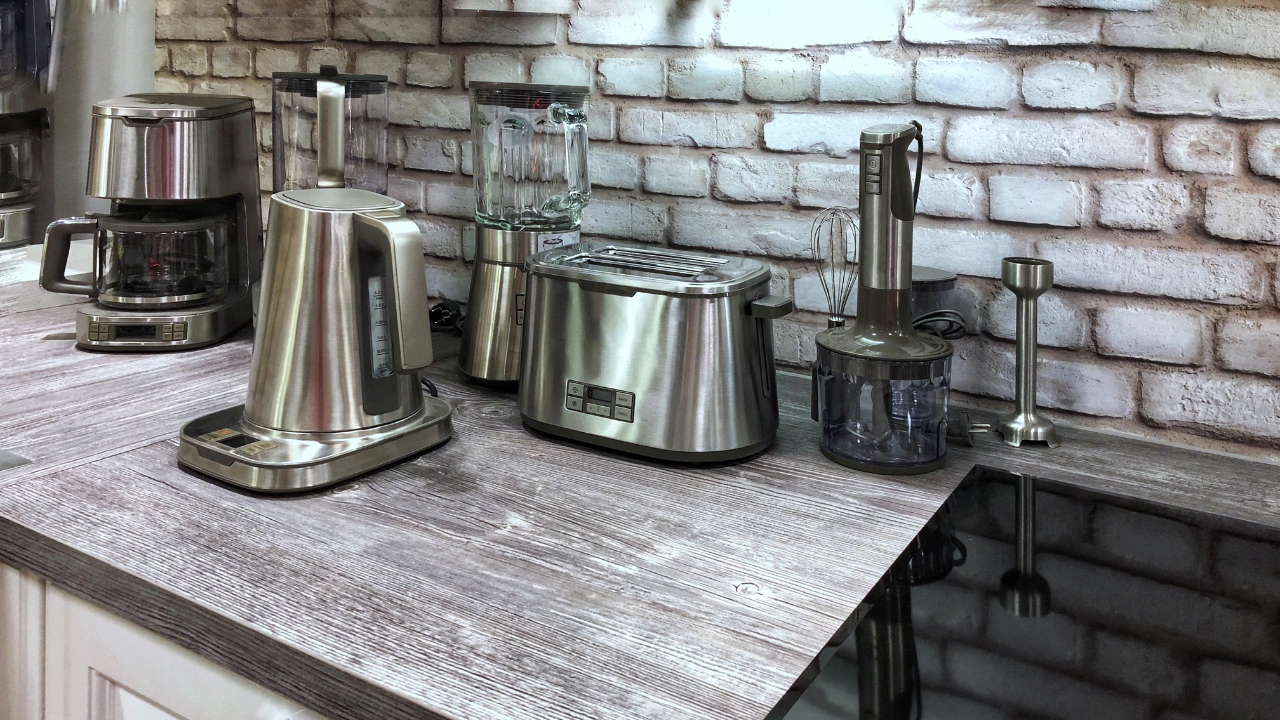
Coffee makers, air fryers, knife blocks, mail, makeup bags—it all eats visual space. Buyers read crowded counters as “not enough storage,” which directly affects what they think the house is worth.
For photos and showings, leave out only a couple of things that look neat and intentional: maybe a cutting board and a bowl of fruit in the kitchen, or a soap dispenser and small plant in the bathroom. Everything else goes in cabinets, drawers, or bins while the house is on the market.
Dated drapes and busy rugs
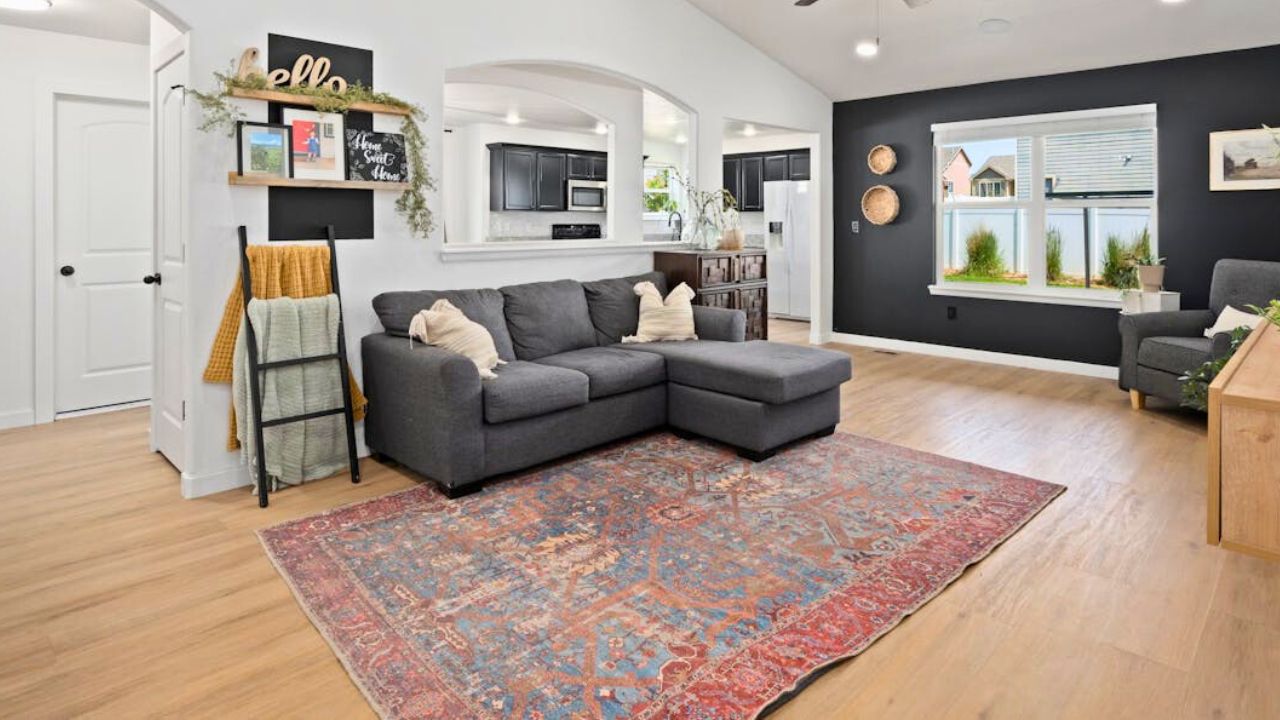
Old, heavy curtains and loud rugs make rooms feel darker and more specific to your taste. Stagers often suggest pulling most rugs and swapping dark window treatments for something simpler or nothing at all, depending on privacy.
If your rugs are stained, worn, or very loud, roll them up for now. Let the flooring show. For windows, open blinds and use light curtain panels or leave them bare if you can. More light = better photos and a cleaner first impression.
Pet evidence (and pet smells)
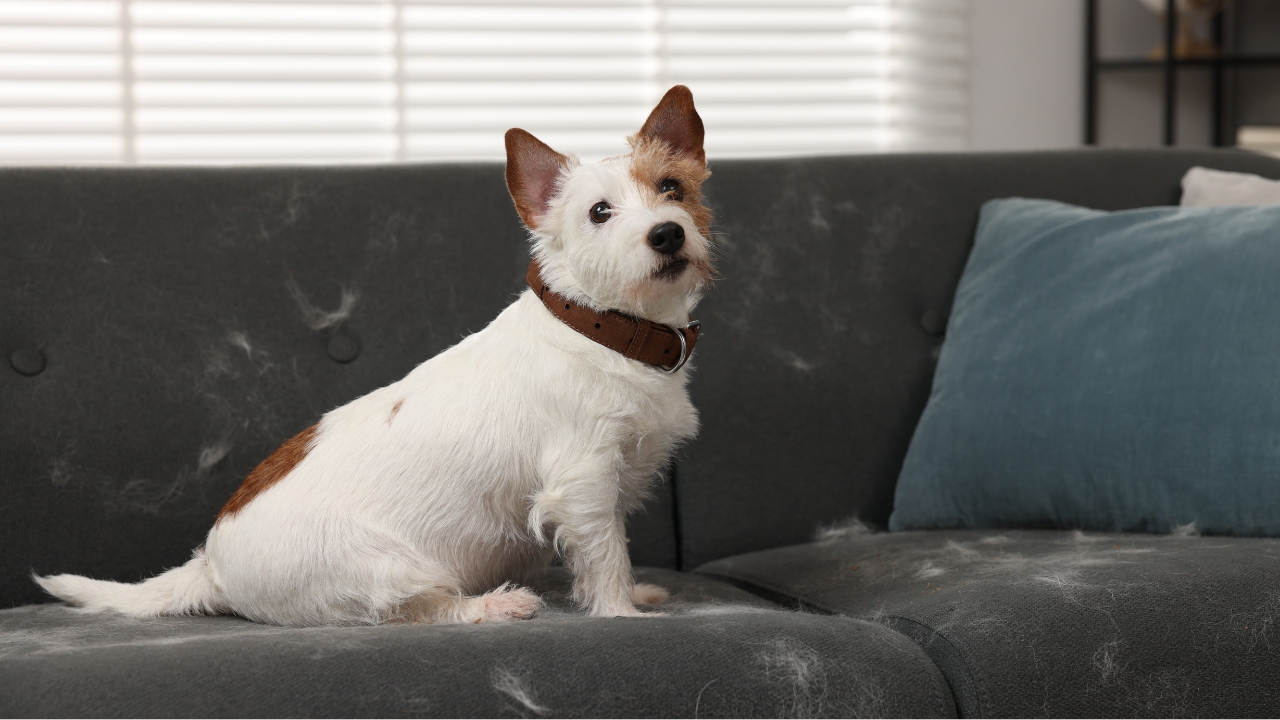
You might not smell your pets anymore, but buyers will. Litter boxes, multiple dog beds, crates, worn scratching posts, and bowls in every room all scream “this house smells like animals,” even if it doesn’t.
Before listing, deep clean carpets and soft furniture, wash pet bedding, and limit visible pet gear to one tidy spot. For showings, tuck litter boxes out of sight as much as possible and move food bowls off main walkways.
Anything valuable or irreplaceable

Agents and stagers are blunt about this: lock up or remove valuables. That includes jewelry, cash, important documents, sentimental items, medications, and anything small that would devastate you to lose.
Real estate pros do watch people during showings, but they can’t see everything. Don’t test your luck. Move valuables to a safe, a trusted friend’s house, or a safety deposit box until you’re under contract.
Half-finished projects and obvious damage

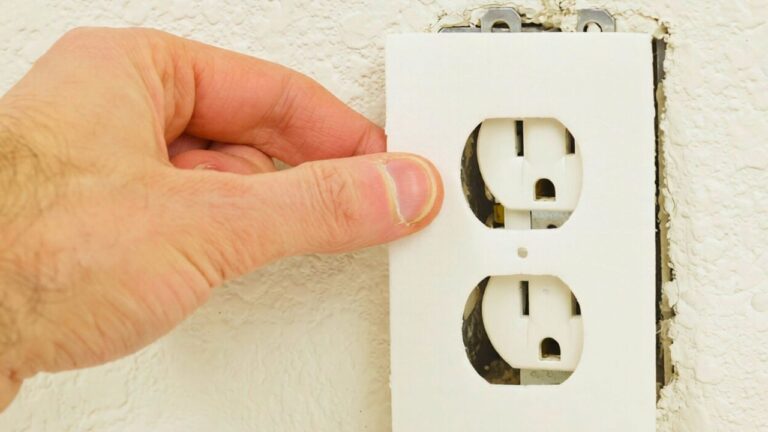
Buyers usually overestimate what it will cost them to fix things. That half-painted wall, broken outlet cover, water-stained ceiling patch from an old leak, or missing trim piece looks like work they’ll have to budget for.
Before you list, walk through with your phone and take photos as if you were the buyer. Anything that jumps out as “that needs attention” should be fixed or at least cleaned up: paint touch-ups, fresh caulk, new outlet covers, patched nail holes. Small repairs signal that you’ve kept up with the house instead of letting it slide.
Like Fix It Homestead’s content? Be sure to follow us.
- I made Joanna Gaines’s Friendsgiving casserole and here is what I would keep
- Pump Shotguns That Jam the Moment You Actually Need Them
- The First 5 Things Guests Notice About Your Living Room at Christmas
- What Caliber Works Best for Groundhogs, Armadillos, and Other Digging Pests?
- Rifles worth keeping by the back door on any rural property
*This article was developed with AI-powered tools and has been carefully reviewed by our editors.