8 Yard Materials That Become a Fire Risk in the Heat
When summer heat drags on and everything’s dry, your yard can turn into a fire hazard without you realizing it. It’s not always about bonfires or lightning strikes—sometimes it’s the everyday stuff sitting in your yard that can catch fast when conditions are right.
If you’re dealing with drought, high temps, or backyard burn bans, it’s worth taking a look around. These materials become risky fast when the heat cranks up and moisture disappears.
Dry Mulch
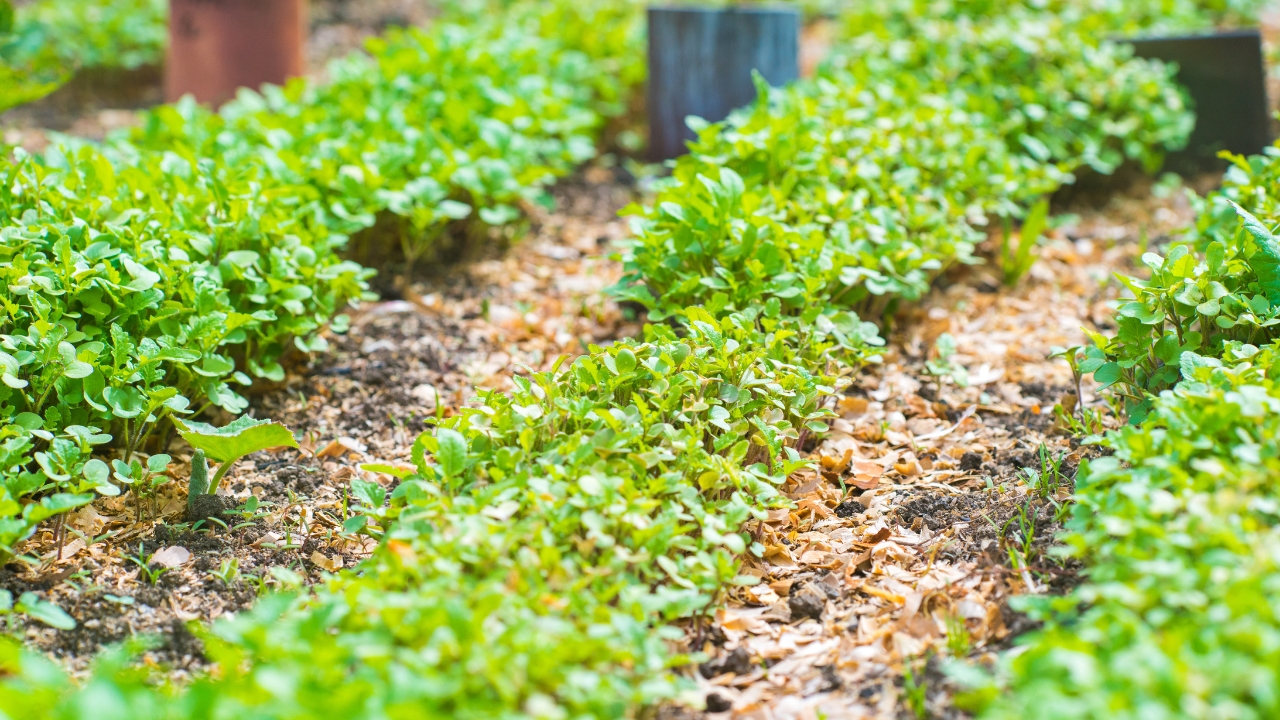
Mulch is great for keeping moisture in the soil, but when it dries out in the heat, it becomes highly flammable. A stray cigarette, hot charcoal, or even intense sun near glass can spark a fire.
If you use mulch, keep it away from the foundation and water it occasionally during dry spells. Avoid piling it too thick, especially near decks, AC units, or outdoor outlets where heat can build up.
Dead Leaves and Pine Needles
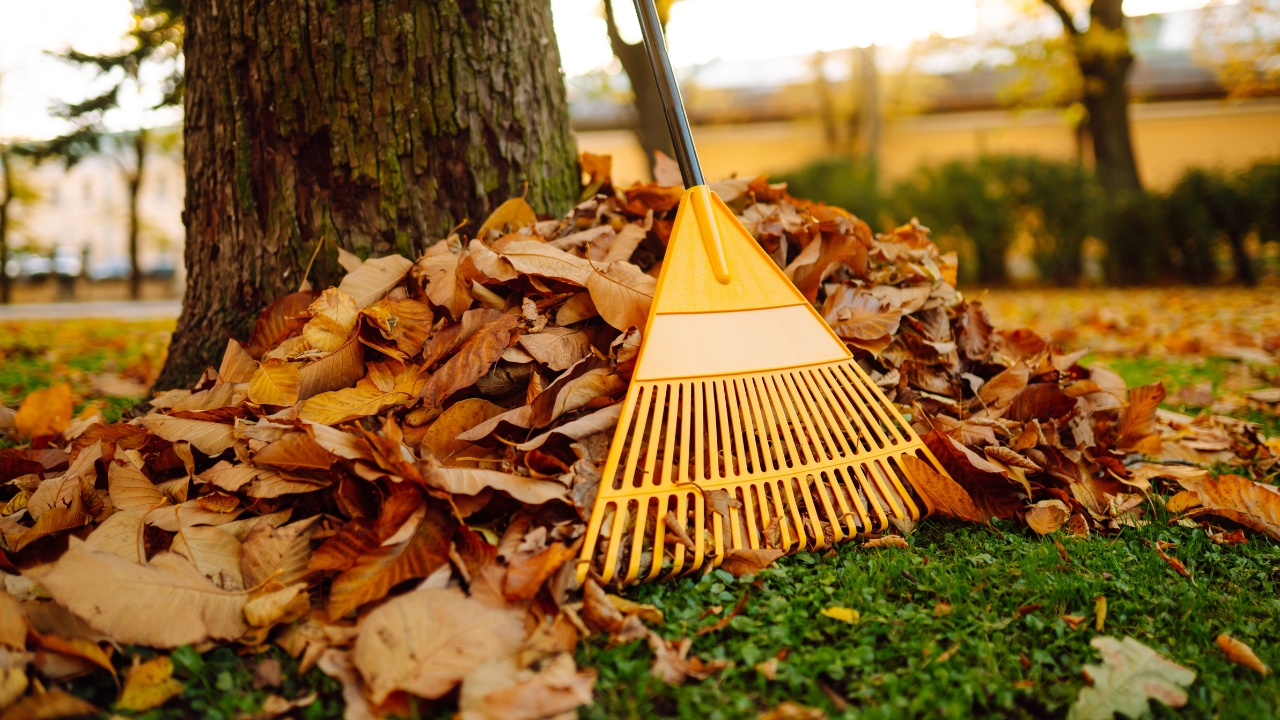
That crunchy layer of dead leaves or pine needles might seem harmless, but in the heat, it’s like tinder. It doesn’t take much to ignite—especially if it’s packed into corners, gutters, or around the base of trees.
Rake it up regularly and clear it out of roof valleys, porches, and fence lines. If it’s been a while since your last cleanup, odds are you’ve got a few hot spots that could go up fast in the right conditions.
Dry Grass Clippings
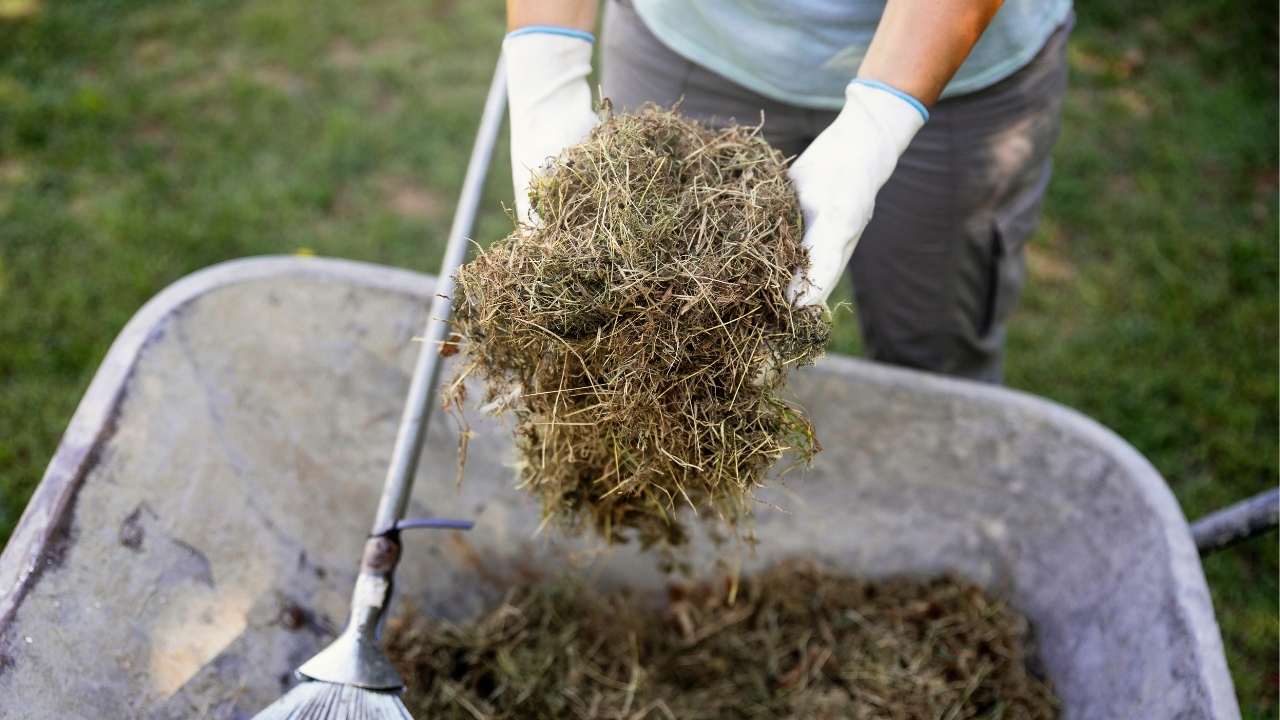
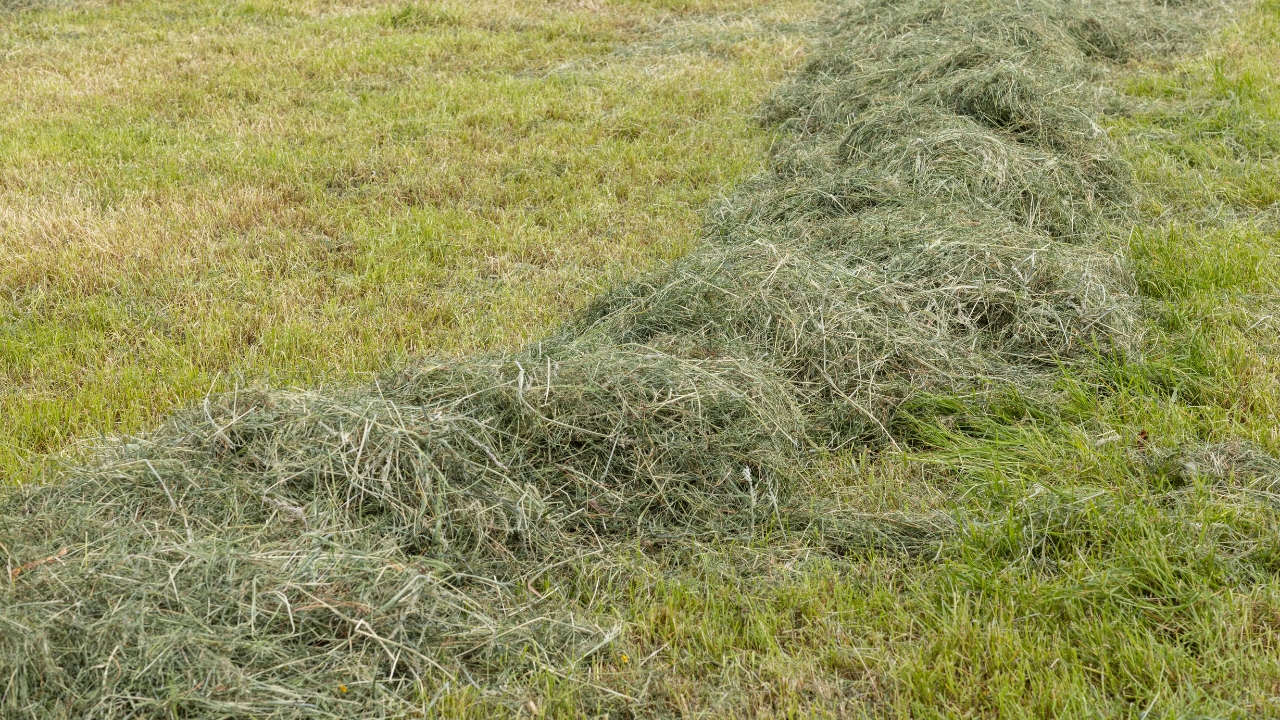
Fresh clippings are moist, but once they dry out, they’re one of the easiest things in your yard to ignite. If you’ve got piles sitting in the corner or scattered across the lawn after mowing, that’s a problem.
Don’t leave clippings in piles or let them build up around structures. Either bag them or spread them out to decompose evenly. In hot, dry weather, a thick mat of dry clippings can turn into a fire hazard real quick.
Firewood Stacks
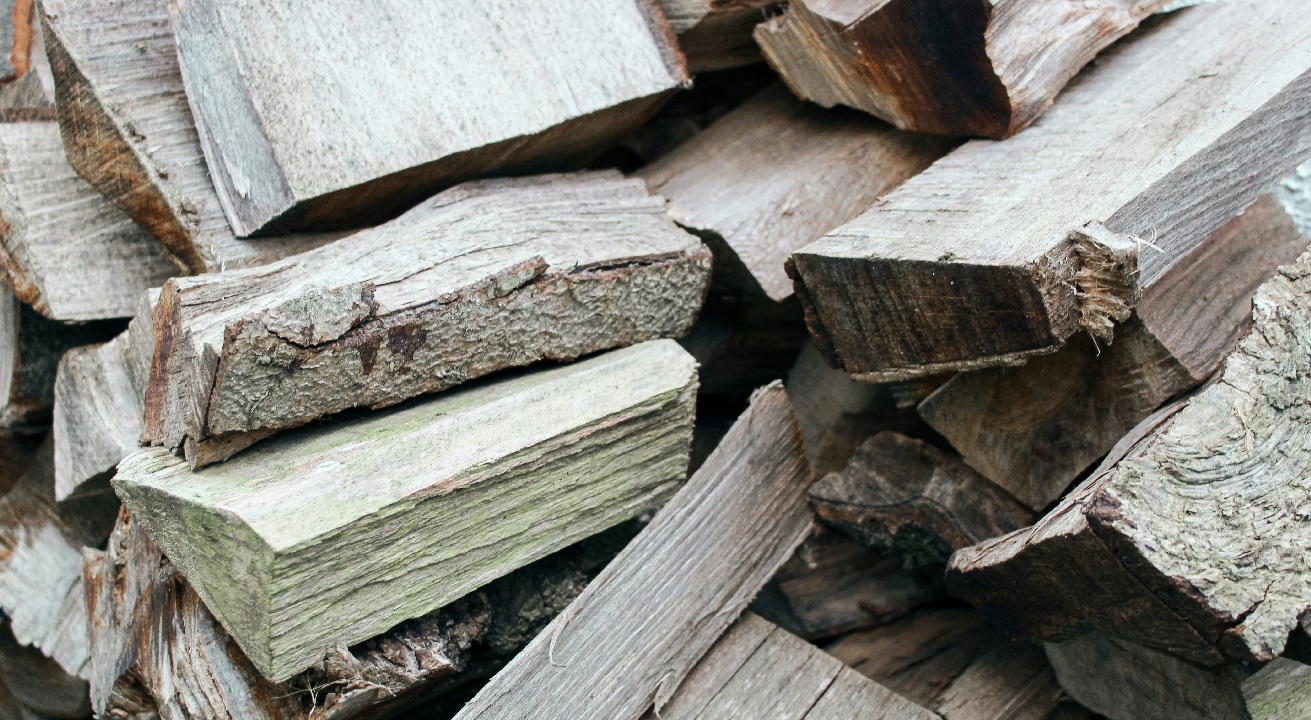
Stacking firewood too close to the house or in direct sun can create more than a pest problem—it becomes a dry, combustible pile that’s ready to go if a spark hits. Especially if it’s been sitting untouched all summer.
Store firewood at least 30 feet away from your home or major structures during the hot months. Keep it covered and off the ground, and don’t stack kindling, paper, or other flammables nearby.
Cardboard and Paper

Boxes left outside for projects, moving, or recycling can dry out and become a fire risk fast. The combination of wind and sun can turn cardboard into perfect fuel, especially if it’s tucked near the house or under a carport.
Keep cardboard and paper trash stored away from the exterior walls and never let it pile up next to a grill, AC unit, or generator. If you’re waiting for recycling pickup, keep it covered and off the ground.
Dried-Out Plants and Weeds
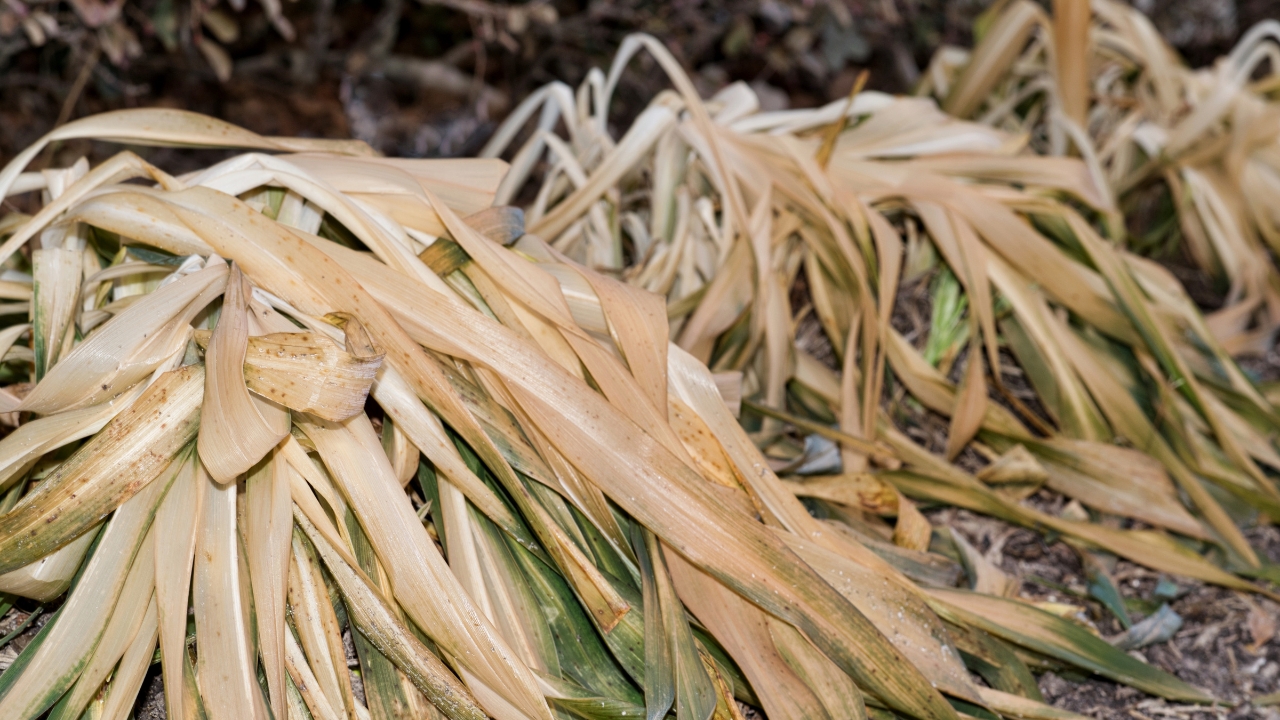
When plants die off in the heat, they leave behind dry, brittle stems and leaves that are incredibly easy to ignite. Weeds, especially, go from green to flammable in no time if you’re not keeping up.
Pull out anything that’s dead, and trim back overgrown areas. If your garden beds or fence lines are packed with dry growth, it’s worth clearing them out before a spark or ember finds its way in.
Outdoor Cushions and Fabric Covers

Outdoor cushions and covers that aren’t rated for high heat or flame resistance can become a risk if left in direct sun all day. Older cushions, especially, can dry out and become more flammable over time.
Store them when you’re not using them or move them to the shade. If you notice fading, cracking, or stiff fabric, it might be time to replace them. And never leave them near a fire pit or grill area when the temps are high.
Plastic Yard Decor and Toys
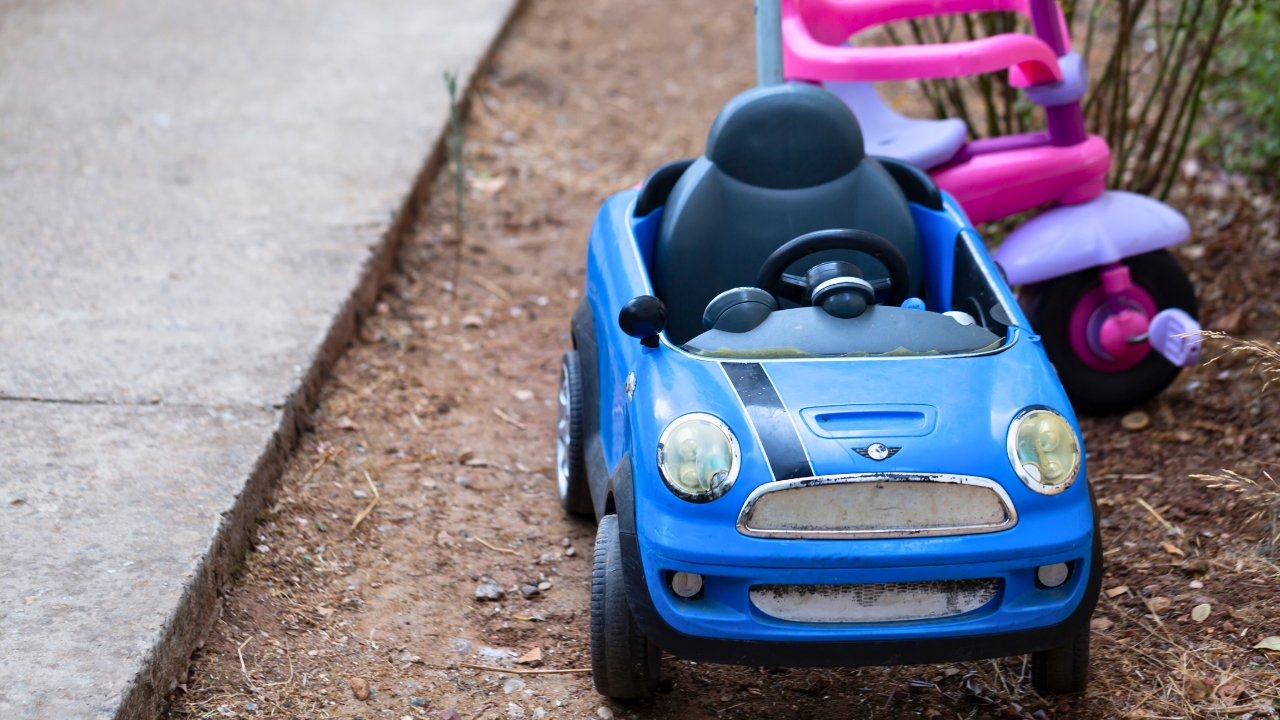
Some plastics can start to warp, melt, or off-gas in high heat—especially cheap or older items that have been sitting in the sun. That alone won’t cause a fire, but if they’re near something hot, they can accelerate it fast.
Move plastic items away from anything with a flame or high heat source. That includes solar lights with damaged wiring, grills, or even reflective windows. When in doubt, store them during peak heat hours or keep them under cover.
*This article was developed with AI-powered tools and has been carefully reviewed by our editors.