9 Cleaning Habits That Actually Bring Bugs Into the House
Most people assume a clean house means fewer bugs, and for the most part, that’s true. But there are a few cleaning habits that can do more harm than good when it comes to pest control. Bugs are looking for moisture, warmth, crumbs, and clutter—so if your routine accidentally checks any of those boxes, you could be inviting trouble in without even realizing it.
Here are the cleaning habits that might be making things worse instead of better.
Leaving the Vacuum Canister Full
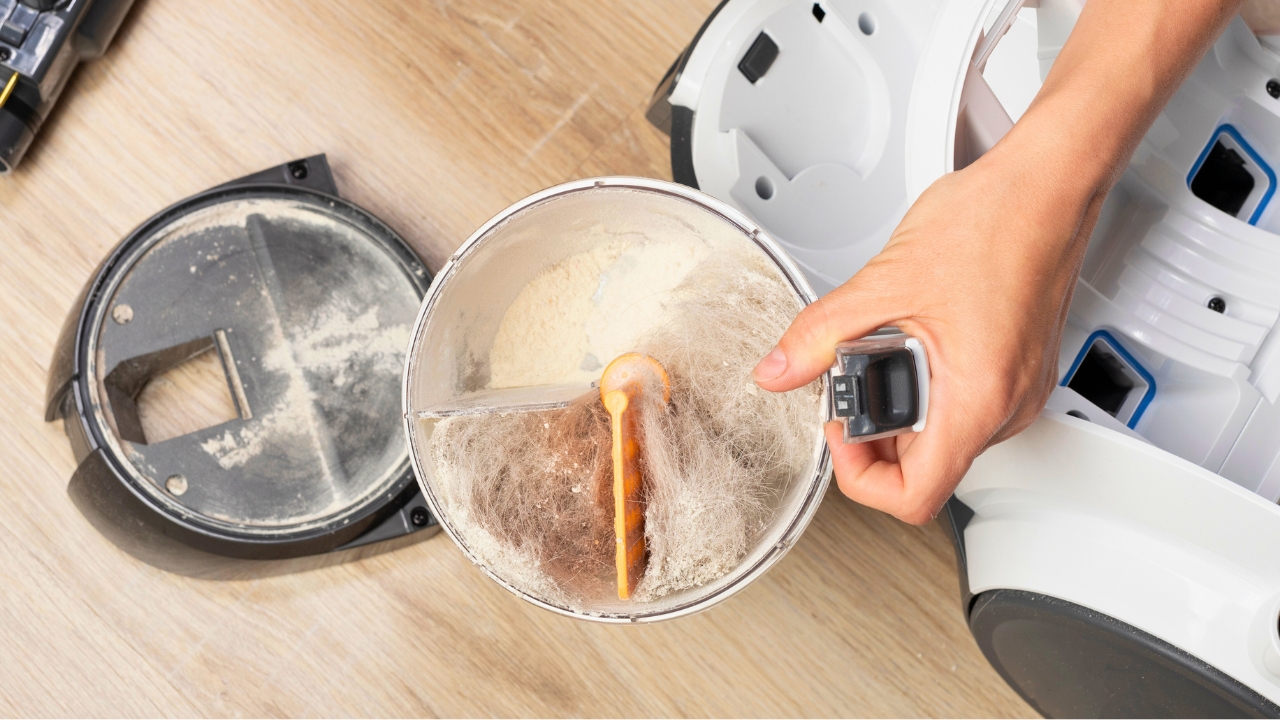
Emptying the vacuum should be part of the job, not something you put off. A full canister or bag isn’t just gross—it can actually attract bugs like ants, roaches, or pantry moths, depending on what’s inside.
Leftover food crumbs, pet hair, or even a little moisture can create a tempting snack or nest. Always empty the vacuum right after use, especially if you’ve cleaned up something sticky or smelly.
Wiping Crumbs onto the Floor
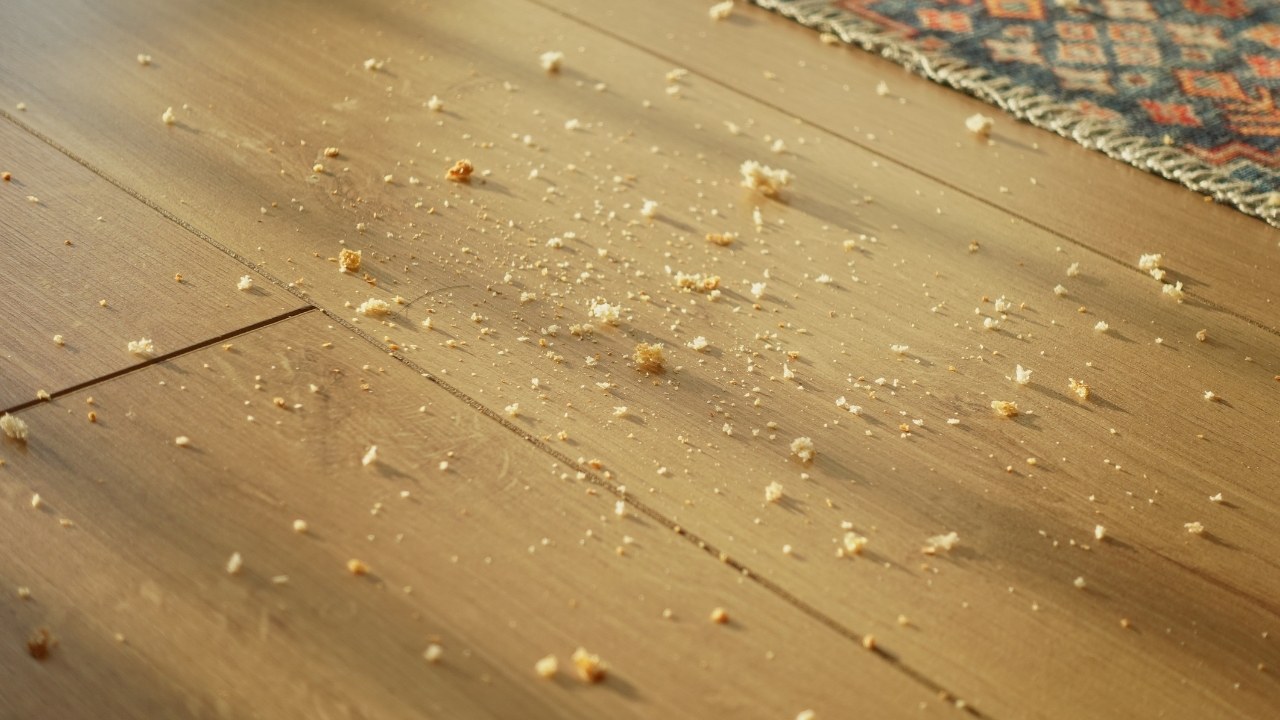
It’s easy to swipe crumbs from the counter and think, “I’ll mop later.” But if you leave food on the floor, even temporarily, it can lure ants or roaches in fast—especially near baseboards or under appliances.
If you’re cleaning surfaces, go ahead and sweep or vacuum right after. It doesn’t take long for bugs to sniff out the mess, and what feels harmless can lead to a full-on infestation if they find a new food source.
Leaving Wet Towels or Rags in the Sink
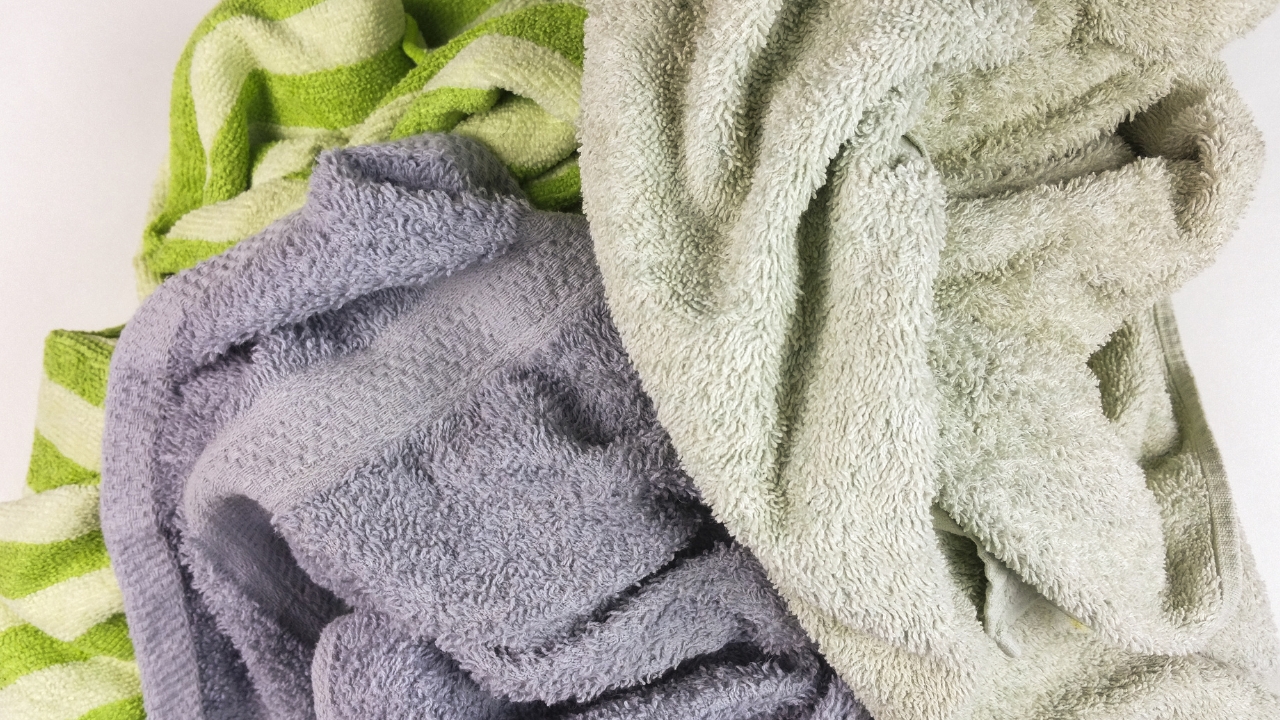
Tossing a wet dish towel or cleaning rag in the sink and forgetting about it might seem harmless, but it creates a damp, dark space—basically a welcome mat for bugs like silverfish or even roaches.
Instead, hang them up to dry or toss them in the laundry as soon as you’re done. The longer they sit wet, the more likely they are to grow bacteria or mold that can draw pests in.
Letting the Trash Can Stay Sticky
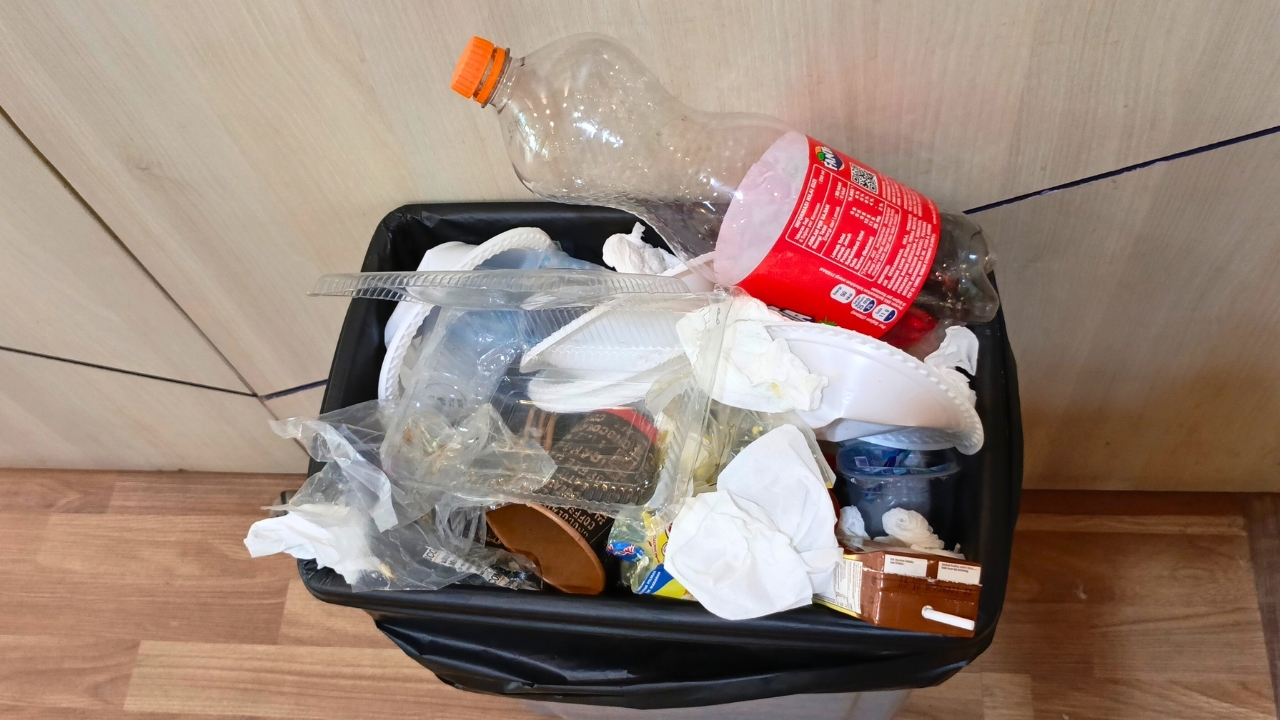
You can change the bag regularly and still have a trash can that smells bad or feels sticky. Bugs don’t need a lot—just the residue left behind can be enough to attract flies, ants, or roaches.
Make it a habit to rinse or wipe down the inside of the bin once a week. Even a quick spritz with vinegar or soapy water helps cut the scent trail bugs rely on.
Using Too Much Water to Mop

Soaking the floor while you mop doesn’t clean better—it actually leaves behind puddles that can seep into corners or under baseboards. That excess moisture can draw in ants, roaches, and even springtails.
Stick to a damp—not dripping—mop, and make sure floors dry quickly. If you’re cleaning a humid area like a bathroom, it helps to run a fan or open a window to speed things up.
Leaving Pet Bowls Dirty
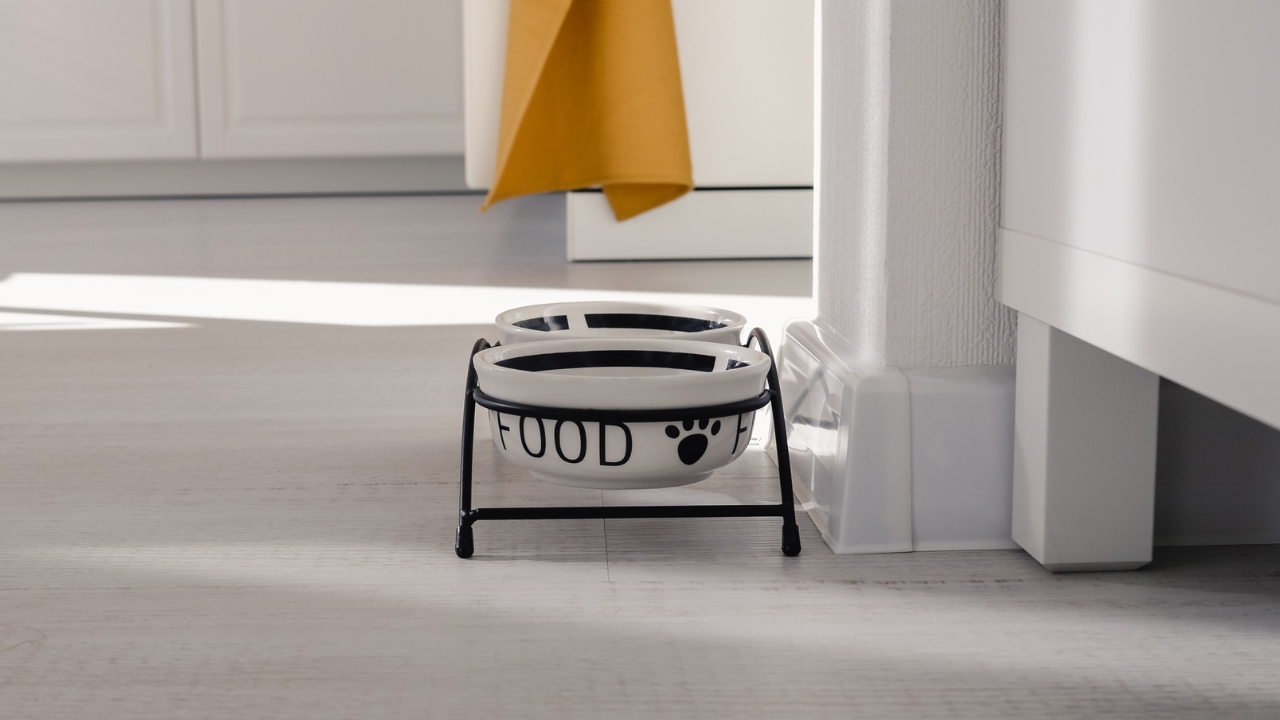
Cleaning around your pet’s dishes without cleaning the dishes themselves is a missed step. Crusty food residue and standing water are both bug magnets, especially for ants and flies.
Wash the bowls daily and make sure the area around them stays clean too. If you have a messy eater, placing the bowls on a tray makes it easier to catch spills and wipe things down fast.
Ignoring the Drain
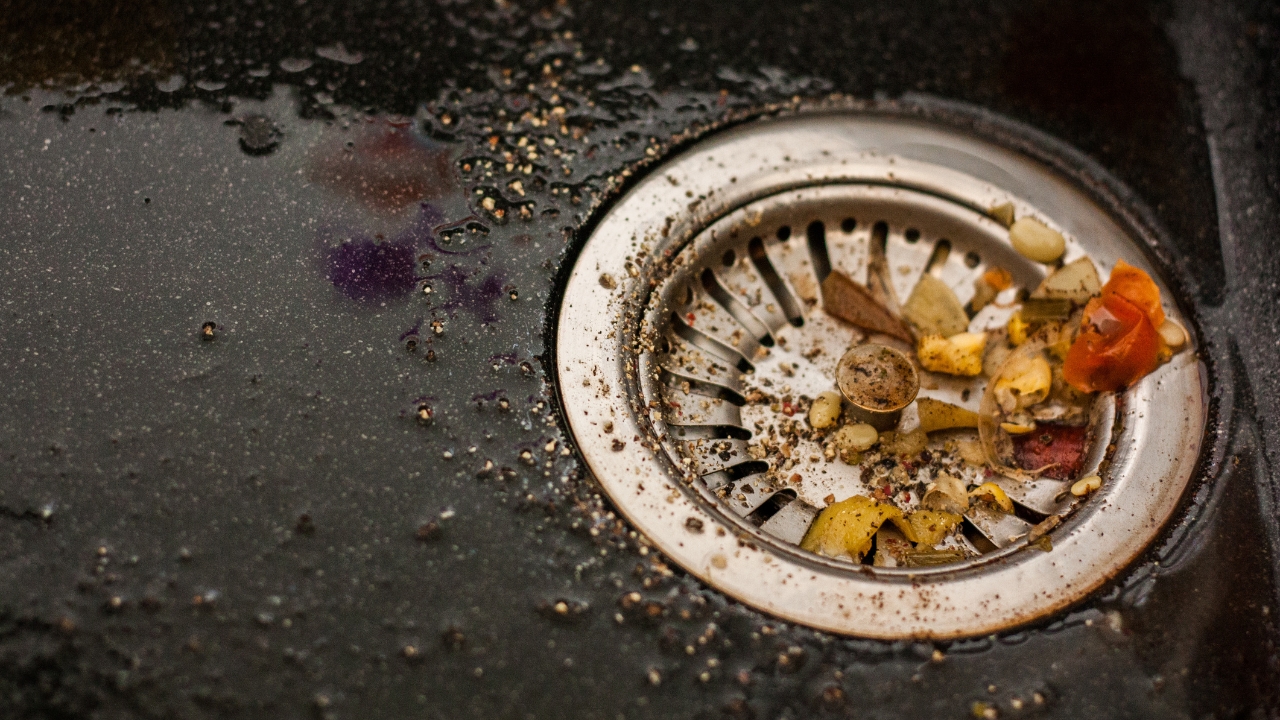
You might clean the counters, sink, and even faucet—but if you forget the drain, you’re missing a major problem spot. Gunk builds up quickly and can attract drain flies or gnats without much warning.
Pouring a mix of baking soda and vinegar down the drain once a week can help cut down on buildup and odor. For sinks that get a lot of use, even plain hot water can make a big difference.
Piling Wet Cleaning Supplies in a Bucket
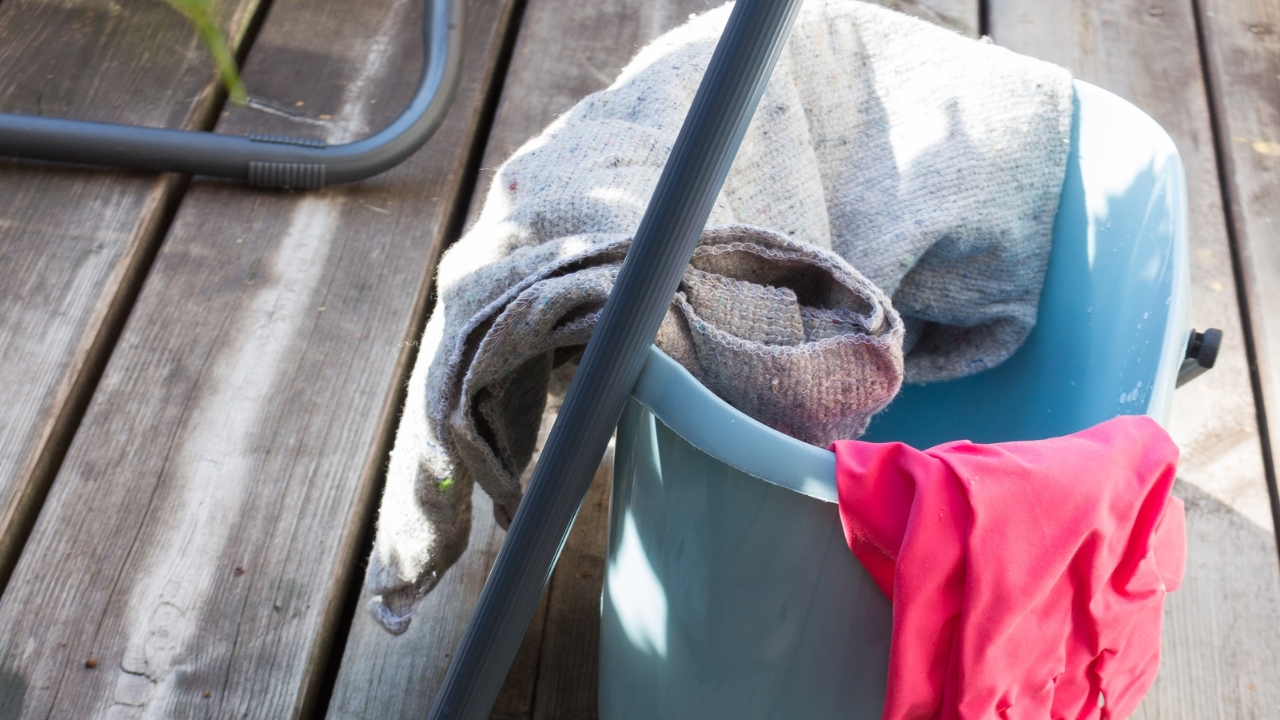
Throwing damp sponges, brushes, and rags into a bucket or under the sink can create a perfect breeding ground for bacteria—and plenty of bugs love that kind of environment.
Instead, rinse tools well and lay them out to dry fully before storing. Anything that stays wet or musty for long stretches is a red flag for pests.
Leaving Cardboard Boxes in the House
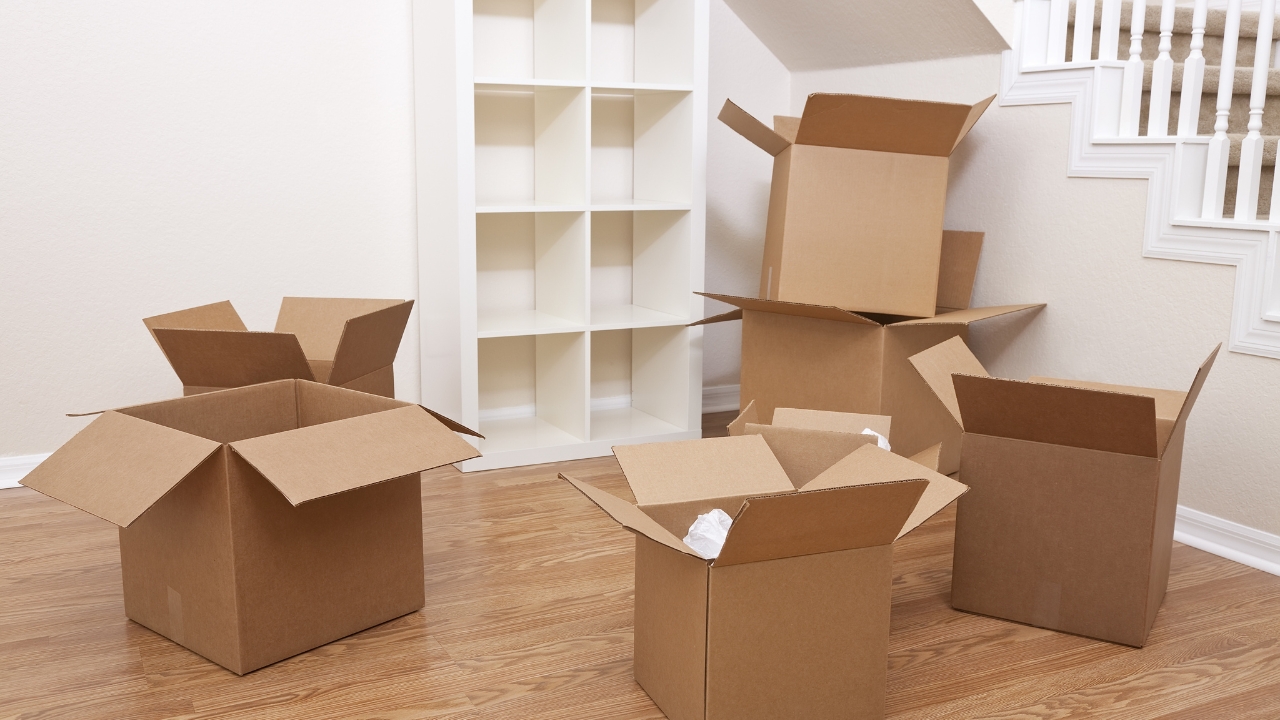
Even if they’re stacked neatly, cardboard boxes are a favorite hiding spot for roaches and silverfish. If you keep them around for too long, they’ll start breaking down and attracting all kinds of bugs.
Break them down and recycle them quickly, especially if they’ve been near food or moisture. For storage, plastic bins with tight lids are a much better option.
*This article was developed with AI-powered tools and has been carefully reviewed by our editors.