9 holiday decorations that make a house look tired instantly
Holiday decorating should make your home feel warm and refreshed, not like a time capsule that never gets updated. Certain choices, even when they are sentimental, can instantly make rooms feel tired, cluttered, or oddly impersonal to guests. By spotting the small details that quietly age your space, you can keep the cozy spirit of Dec and Christmas while giving your decor a more current, thoughtful edge.
The goal is not to strip away tradition, but to edit it. When you understand which nine common decorations drag a room down, you can swap them for pieces that feel intentional, flattering to your architecture, and more in step with how you actually live and entertain today.
1. Overloaded Christmas trees that read more chaotic than festive
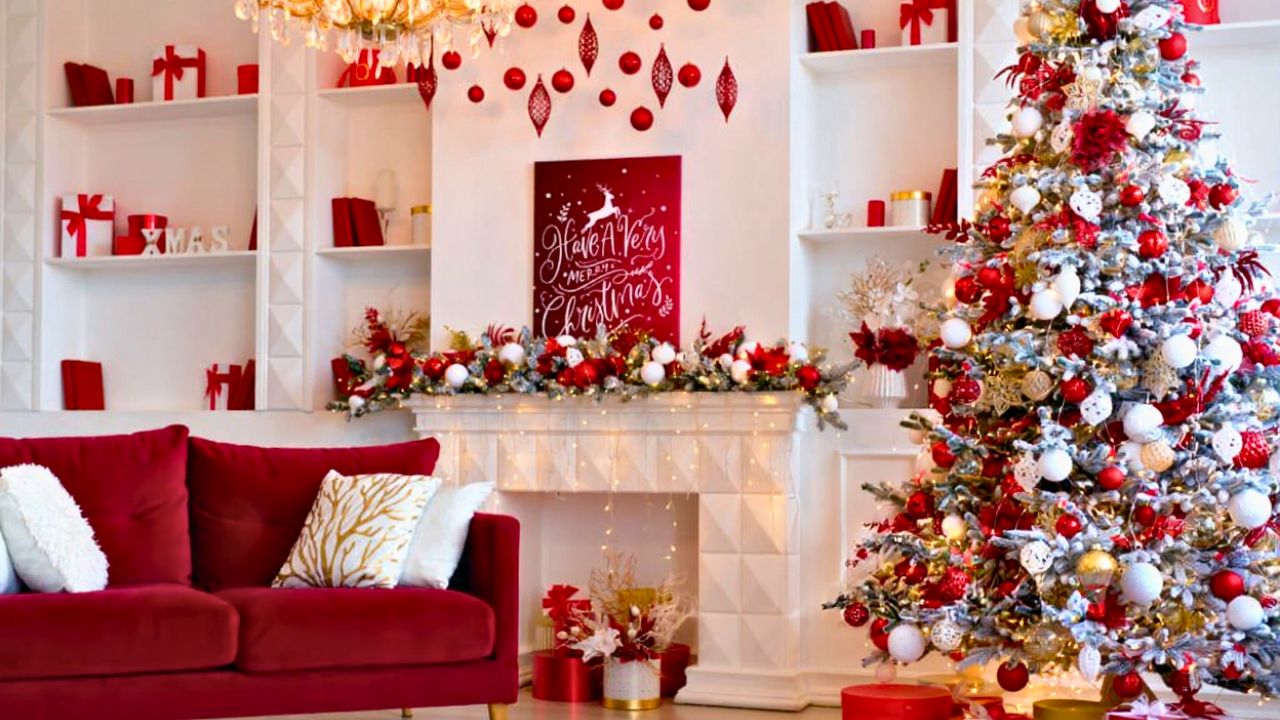
Nothing dates a room faster than a Christmas tree that looks like it is groaning under the weight of every ornament you have ever owned. When every branch is crammed with baubles, tinsel, and novelty pieces, the tree stops feeling like a focal point and starts to resemble visual noise. Design guidance on Mistakes to Avoid When Decorating for Christmas Overloading Your Tree stresses that piling on decor can completely obscure the shape of the tree and the overall look you are going for, which is exactly when things tip from festive to fussy.
A more current approach is to treat your tree like a styled vignette instead of a storage solution. Curate a color palette, edit out damaged or off-theme ornaments, and leave pockets of green so the branches can breathe. Professional stylists often talk about Layering strands of beads, oversized ornaments, and decorative branches in a deliberate way to level up the overall look of your tree, rather than simply adding more of everything. When you edit, the tree suddenly feels intentional, and the rest of the room can breathe too.
2. Matchy “theme park” decor that feels more gimmick than home
Another fast route to a tired-looking house is the hyper-coordinated theme that covers every surface. When your sofa, mantel, and entryway are all repeating the same candy cane stripe or cartoon reindeer, the effect can feel more like a store display than a lived-in home. Reporting on candy-cane pillows and other novelty pieces notes that when every item is shouting the same joke, guests quickly feel overwhelmed, even if they never say it out loud.
To keep your space from veering into theme park territory, mix in quieter, textural elements that nod to the season without screaming it. A few striped accents can be charming, but balance them with solid knits, natural woods, and glass so the eye has somewhere to rest. When you let your everyday style lead and layer Christmas on top, rather than replacing your personality with a single gimmick, your rooms feel current and welcoming instead of staged.
3. Plastic-heavy wreaths and garlands that flatten your entry
Your front door sets the tone for everything that happens inside, which is why a flat, plastic-heavy wreath can make the whole house feel dated before guests even step in. Older faux greenery often has a shiny, uniform finish that reads more like craft foam than foliage, especially when it is loaded with molded angels, harps, bells, and a giant Merry Christmas sign. Advice on avoiding an outdated Faux Lighted Wreath points out that overly trad Christmas decor crammed with plastic icons can feel more kitsch than classic.
Instead, think in terms of texture and scent. A simple evergreen wreath, whether real or high-quality faux, instantly feels fresher when you add just a few natural touches like pinecones, ribbon, or dried citrus. The same guidance suggests pairing greenery with understated garland and naturally scented candles so the experience is multi-sensory rather than visually cluttered. When your entry looks and smells like the season without relying on molded figurines, the whole house feels more considered.
4. Novelty pillows and throws that crowd out your actual style
Seasonal textiles are one of the easiest ways to shift a room for the holidays, but they can also age it quickly if you lean too hard on novelty. A sofa buried under cartoon snowmen, glittery script, and oversized “Ho Ho Ho” cushions can make your living room feel like a prop closet. Coverage of candy-cane pillows and similar pieces notes that when every soft surface is branded with Christmas slogans, guests may feel like there is no place to sit without being part of the display.
To keep your seating areas from looking tired, treat holiday pillows and throws as accents, not replacements. Start with your existing palette, then add a few rich textures like cable-knit, velvet, or faux fur in colors that complement your room and still nod to Christmas. A single patterned cushion or a plaid throw can say “festive” without drowning out your everyday decor. When you can still recognize your own style under the seasonal layers, the space feels updated rather than overdone.
5. Overly bright, mismatched lighting that kills the mood
Lighting can make or break holiday atmosphere, and harsh, mismatched bulbs are one of the quickest ways to make a home feel dated. When you mix cool blue LEDs with warm incandescent strings, or line every window with blinking multicolor lights, the result can feel more like a strip mall than a cozy gathering place. Guests notice when the glow is jarring instead of inviting, especially if every strand is set to a different flashing pattern.
A more polished approach is to pick a temperature and stick with it. Warm white lights tend to flatter skin tones and furnishings, which is why designers often recommend compact pieces like a Standing 4′ pre-lit birch tree with 50 warm white LED lights to sprinkle soft holiday cheer into a dark corner. A consistent glow, whether on your main tree, mantel, or small accent trees, instantly feels more current and intentional than a jumble of colors and flash modes competing for attention.
6. Cluttered mantels and surfaces that read as storage, not styling
Flat surfaces tend to become magnets for every seasonal trinket, which is how mantels, consoles, and sideboards end up looking like crowded gift shop shelves. When you line up dozens of figurines, snow globes, and mini signs, the eye has nowhere to land, and the architecture of the room disappears behind the clutter. Guidance on Mistakes in seasonal styling emphasizes that overloading any focal point, not just the tree, can undermine the overall look you are going for.
Editing is your friend here. Choose a few larger pieces instead of many tiny ones, and think in terms of height and rhythm: a garland, a pair of candlesticks, and one substantial sculpture or framed print can feel far more modern than twenty small objects. If you love collections, rotate them so only a portion is on display each year. When surfaces feel curated instead of crammed, your holiday decor looks fresh and your home feels easier to move through and actually use.
7. Overly traditional figurines that ignore your home’s architecture
Classic Christmas figurines can be beautiful, but when they are scattered without context, they can make a space feel stuck in another decade. Rows of angels, carolers, and ceramic villages that do not relate to your home’s style or color palette can read as visual clutter, especially in smaller rooms. The critique of Overly trad Christmas decor points out that when every surface is covered in nostalgic icons, the effect can feel more like a museum of past holidays than a space designed for how you live now.
Instead of defaulting to every figurine you own, choose a few that genuinely resonate and give them a proper stage. A single nativity scene on a console, a small village arranged on a sideboard with greenery, or a cluster of angels on a piano can feel intentional when they are grouped and lit thoughtfully. Let your home’s architecture guide you: a sleek loft might call for fewer, larger pieces, while a cottage can handle more detail. When your traditional items are edited and integrated, they read as cherished, not tired.
8. One-note color schemes that feel flat and overused
Color is one of the clearest signals of the season, but relying on the same rigid palette year after year can make your decor feel stale. A strict red-and-green scheme, especially when every item is the same saturated shade, can start to feel more like a costume than a design choice. Coverage of Christmas trends notes that overly literal palettes, from the tree to the table, can make guests feel like they have seen the exact same room for years, even as other details change.
You do not have to abandon traditional colors to modernize them. Try softening red with burgundy or rust, or pairing evergreen with sage and eucalyptus tones. Metallics like brass and champagne can bridge your everyday decor with seasonal pieces so the transition feels seamless. When you introduce variation and depth, your rooms feel layered instead of locked into a single, predictable formula, and your holiday look gains the kind of sophistication that never really dates.
9. Decor that ignores how you actually live and entertain
The most aging holiday decor is not always the most visible, it is the decor that fights your lifestyle. Fragile centerpieces that must be moved every time you set the table, elaborate stair garlands that block handrails, or trees so wide they crowd out seating all signal that form has completely overtaken function. Guidance on Avoid When Decorating for Christmas Overloading Your Tree underscores that when decorations interfere with how you move through a space, they undermine the overall look you are going for, no matter how expensive or sentimental they are.
A more current mindset is to design for real life first. If you host big gatherings, prioritize clear pathways, sturdy materials, and pieces that can handle a spilled drink or an enthusiastic child. Compact accents like a Designer tip: Dressed accent tree in an unused corner or a slim console display can bring in plenty of Christmas spirit without sacrificing comfort. When your decor supports the way you actually celebrate, your home feels both more modern and more deeply welcoming, which is the kind of impression that never goes out of style.
Like Fix It Homestead’s content? Be sure to follow us.
Here’s more from us:
- I made Joanna Gaines’s Friendsgiving casserole and here is what I would keep
- Pump Shotguns That Jam the Moment You Actually Need Them
- The First 5 Things Guests Notice About Your Living Room at Christmas
- What Caliber Works Best for Groundhogs, Armadillos, and Other Digging Pests?
- Rifles worth keeping by the back door on any rural property
*This article was developed with AI-powered tools and has been carefully reviewed by our editors.