9 Houseplants That Thrive All Winter Long
Cold, gray months are when you really notice how much plants do for a room. The trick is choosing ones that don’t fuss about dry furnace air or shorter days. These plants are tough, forgiving, and still look good when everything outside is brown.
You don’t need a greenhouse. You just need a few solid workhorses that can handle real-life conditions.
Snake plant (Sansevieria)
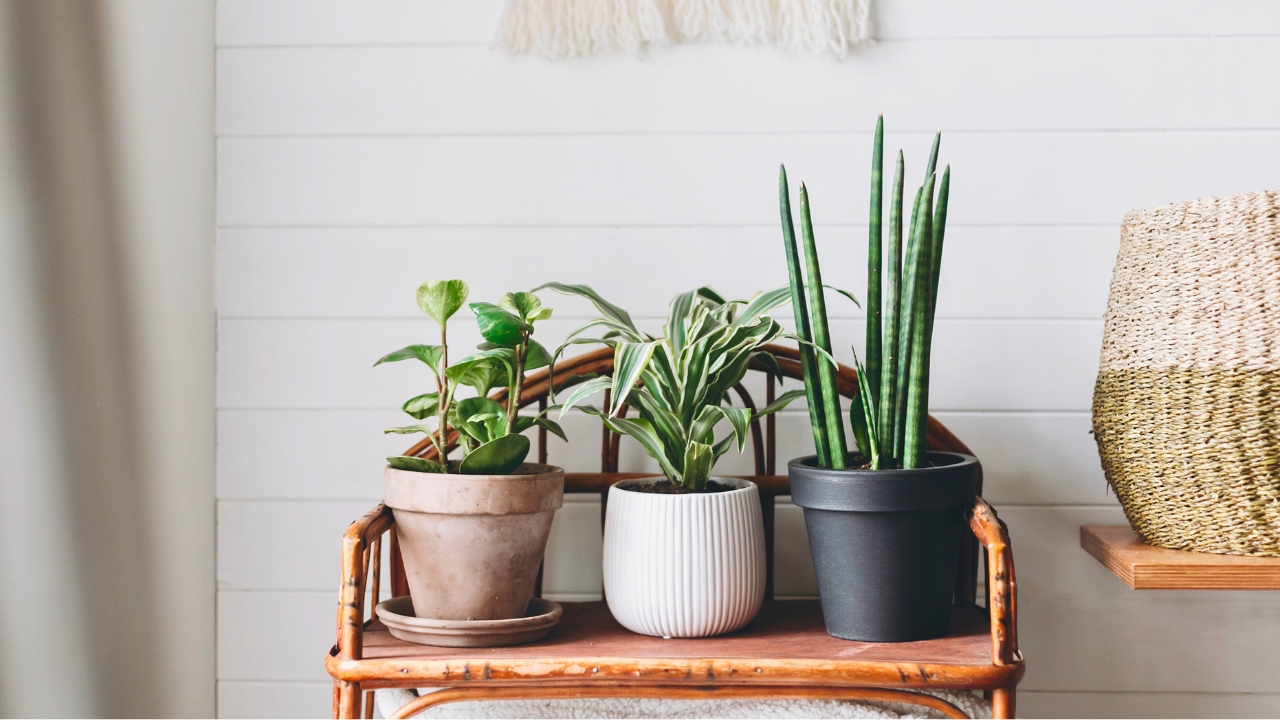
Snake plants are the definition of low-maintenance. They tolerate low light, dry air, and the occasional “oh no, I forgot to water you” moment. Their tall, upright leaves make a room feel finished without taking up a ton of floor space.
In winter, let the soil dry out almost completely between waterings—every 2–4 weeks is plenty, depending on your home. They actually rot if you baby them too much. A corner with bright, indirect light is ideal, but they’re one of the few plants that really will survive in lower-light rooms.
Pothos (Epipremnum aureum)
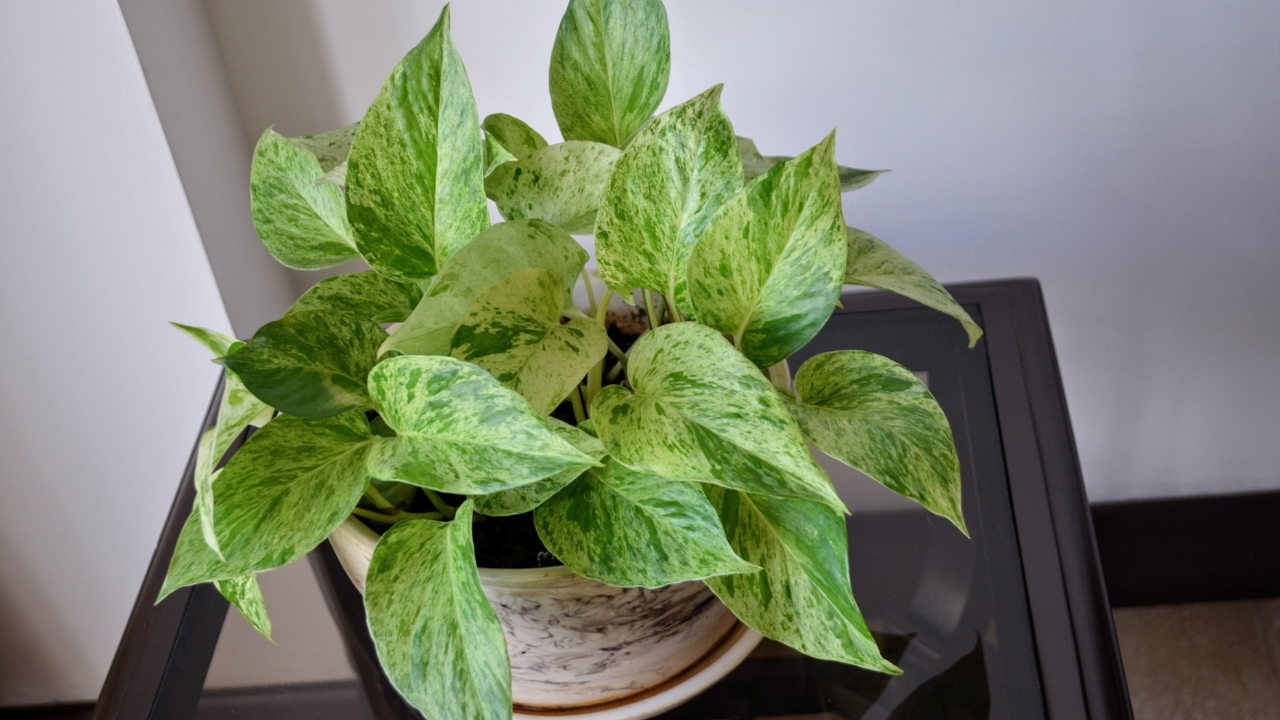
Pothos is the plant version of a friendly neighbor—it pretty much gets along anywhere. It trails nicely off shelves, bookshelves, and fridge tops, and doesn’t mind if the light isn’t perfect.
In winter, water when the top inch of soil feels dry, and don’t panic if growth slows down. That’s normal. If stems get leggy, you can snip them back and root the cuttings in water, then pot them up later. It’s an easy way to fill more corners without buying new plants.
ZZ plant (Zamioculcas zamiifolia)
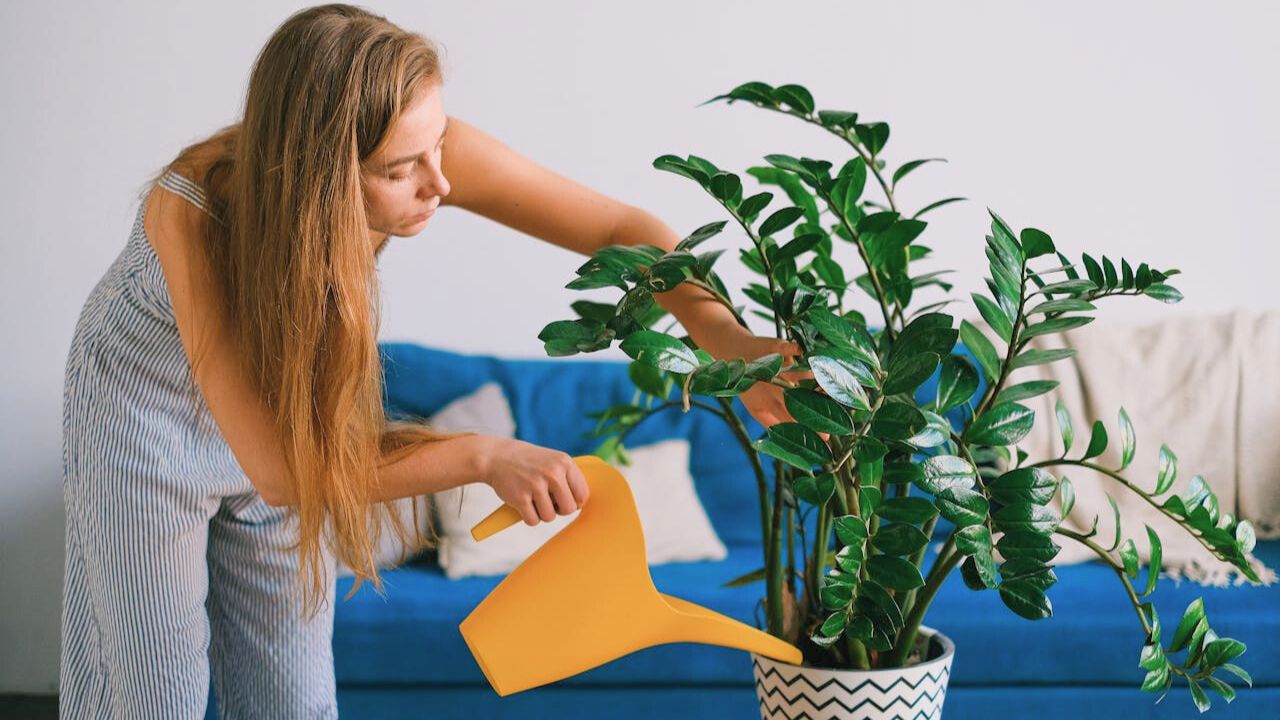
ZZ plants look a little fancy with their glossy, upright leaves, but they’re secretly one of the easiest houseplants you can own. They handle low light, missed waterings, and dry indoor air with no drama.
Because they store water in their thick roots and stems, they’re very prone to overwatering. Let the soil dry out most of the way before you water again—every few weeks is usually enough. They’re perfect for hallways, offices, or living rooms that don’t get direct sun but you still want something green.
Cast iron plant (Aspidistra elatior)
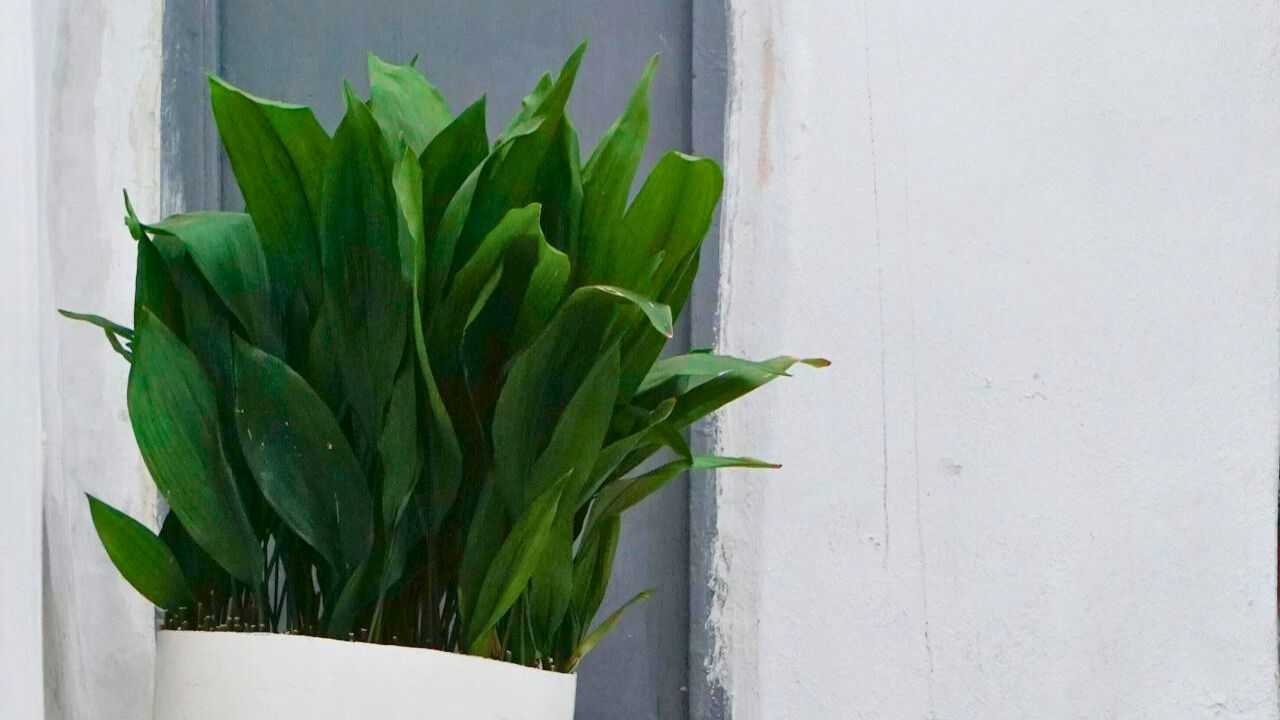
Cast iron plants live up to the name. They’re slow-growing, but almost impossible to kill if you don’t drown them. They handle low light, fluctuating temps, and that slightly drafty corner where other plants just sulked.
Give them indirect light (no hot sun), and water when the top couple inches of soil are dry. They don’t need much fertilizer, especially in winter. If you want a plant that can sit in the same spot for years and quietly look good, this is it.
Spider plant (Chlorophytum comosum)
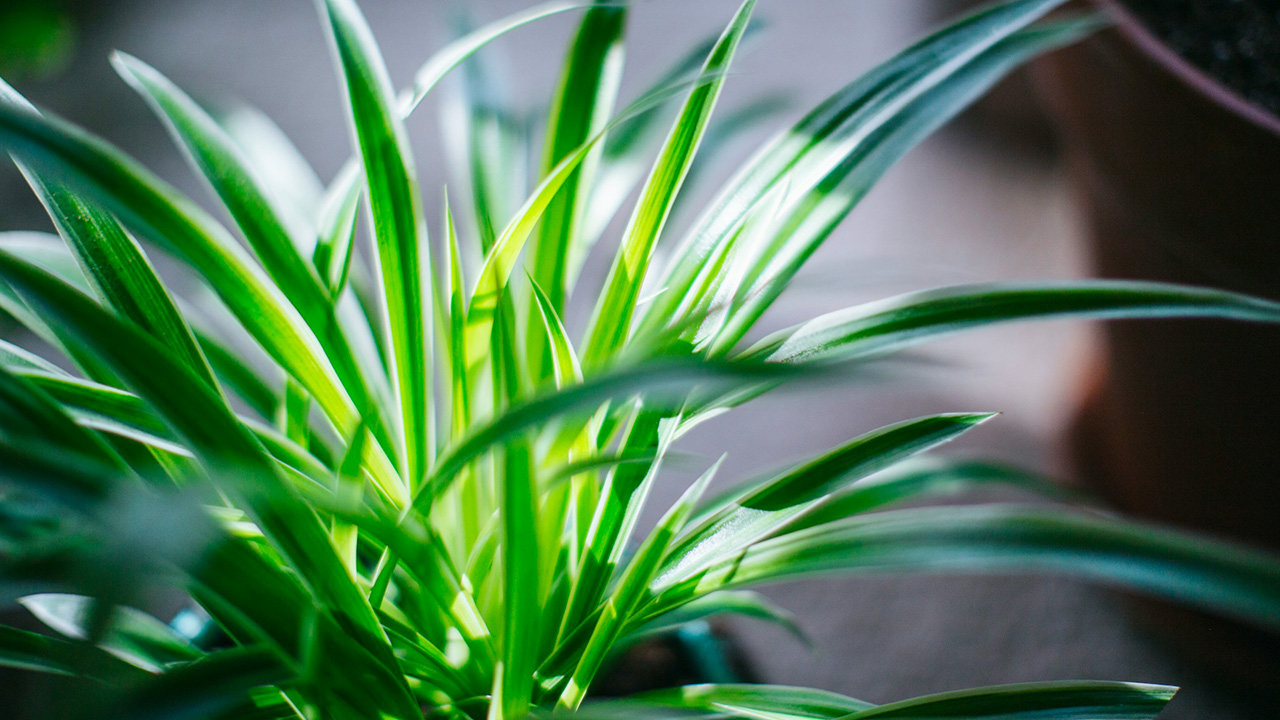
Spider plants are great for winter because they don’t mind dry air, and their arching leaves automatically make a space feel more lively. They’re happy in hanging baskets, on plant stands, or in a bright window that doesn’t get blasted with direct midday sun.
Let the top inch of soil dry out between waterings. If your tap water is heavy on chemicals, brown tips can show up—switching to filtered or letting water sit out overnight usually helps. Bonus: they send out baby “spiderettes” you can root for more plants.
Philodendron (heartleaf types)
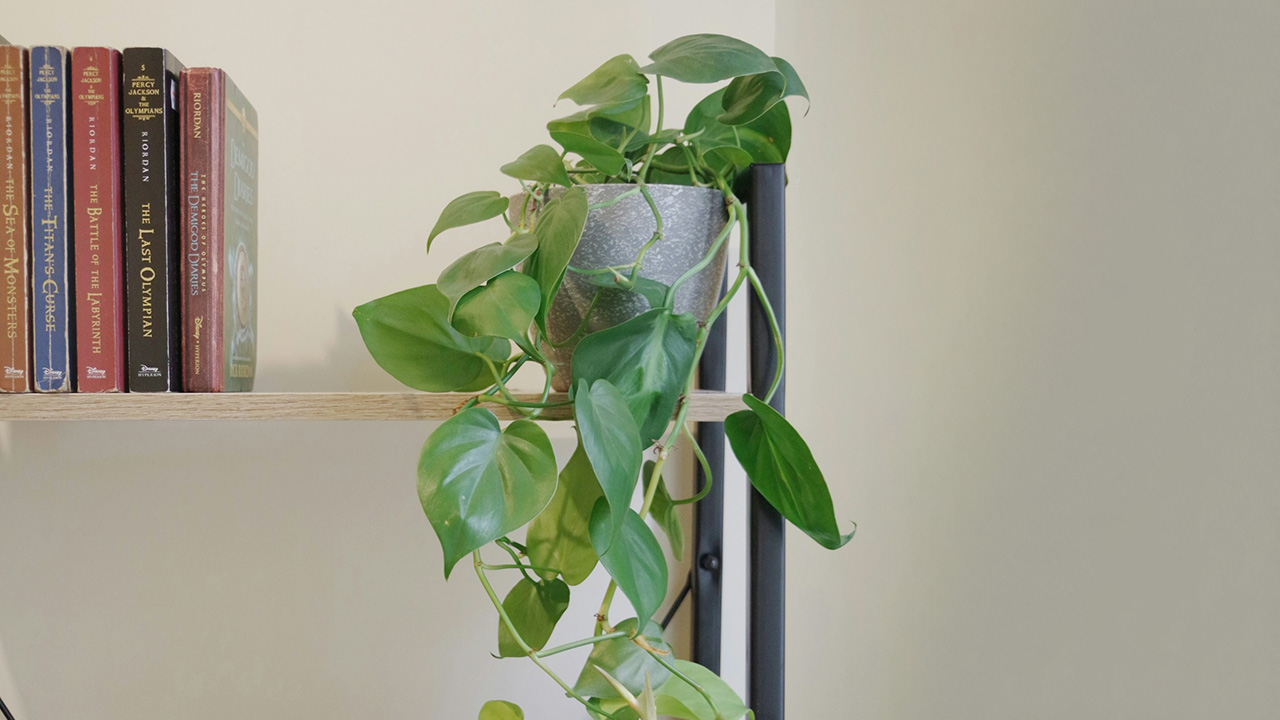
Heartleaf philodendron varieties are classic for a reason. They trail beautifully, handle lower light, and don’t throw a fit if you forget them for a bit. Winter is when they really prove their value, because they keep looking lush while other plants slow to a crawl.
Give them medium, indirect light if you can and water when the top inch of soil is dry. If vines get too long or sparse, trim them back and stick cuttings back into the soil to thicken the pot. They’re easy, forgiving, and happy to live in the same corner year after year.
Peace lily (Spathiphyllum)
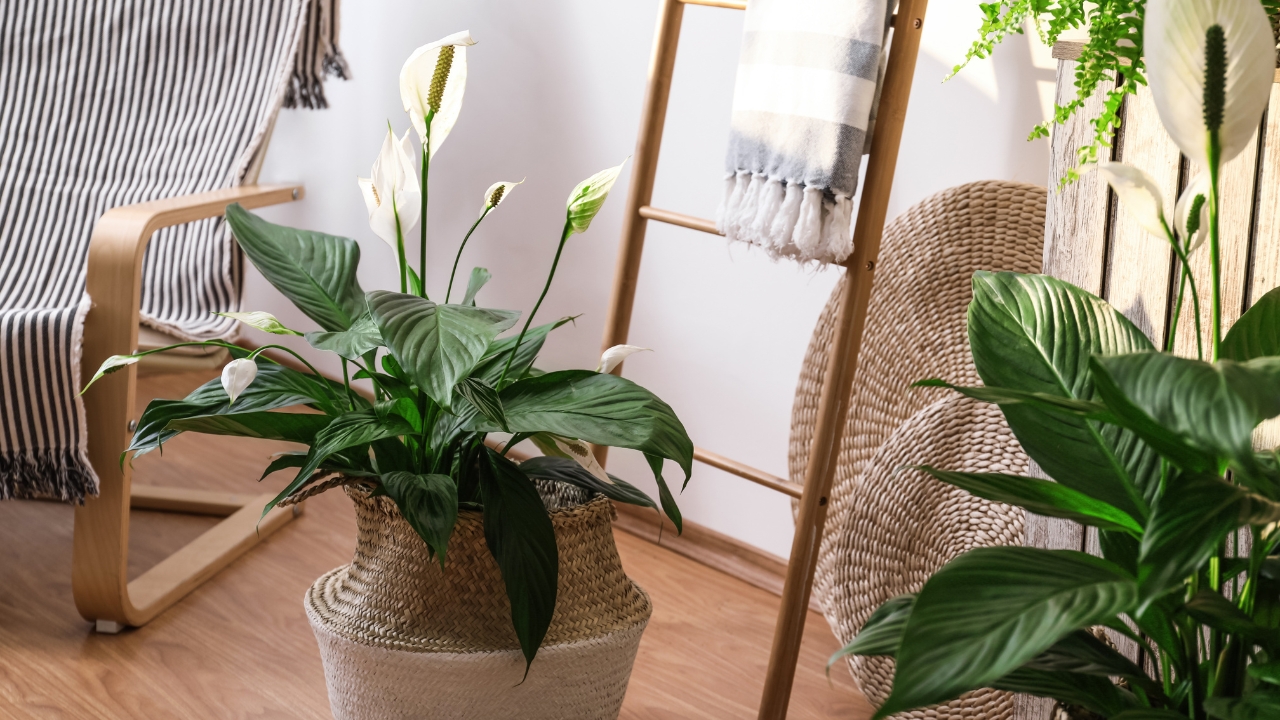
Peace lilies are one of the few plants that will still bloom indoors in winter if they’re happy. They like more moisture than some of the others on this list, but they’re good at telling you what they need—the leaves droop when they’re thirsty, then perk right back up after a drink.
Keep them in bright, indirect light and water when the top inch of soil feels dry. They also don’t hate a little extra humidity, so they do well in bathrooms with some natural light. Just don’t sit them right over a heater vent, or they’ll dry out too fast.
Jade plant (Crassula ovata)
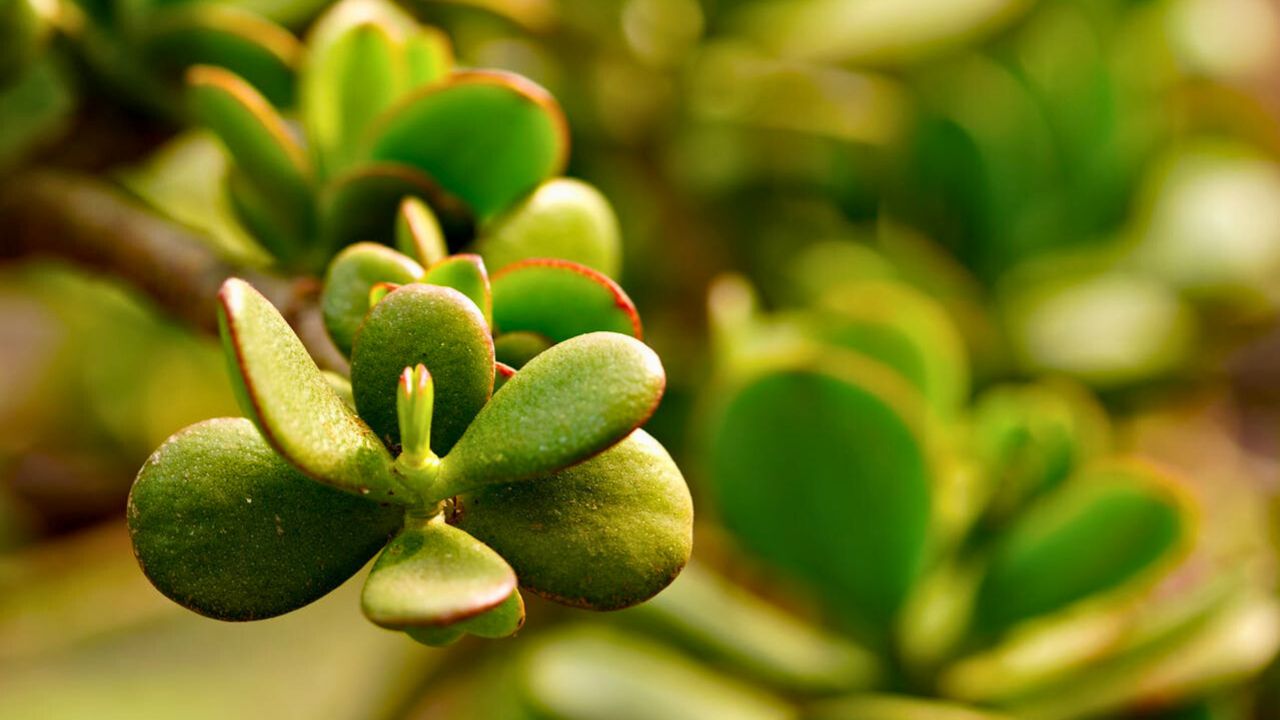
Jade plants are succulents with thick, glossy leaves that handle bright winter windows like champs. They’re perfect if you have a sunny sill that’s too intense for other plants but you still want something green there.
Let the soil dry almost completely before watering, especially in winter when growth slows. Overwatering is the main way people lose them. If you give them plenty of light and light, infrequent drinks, they’ll happily chug along for years and slowly turn into little indoor trees.
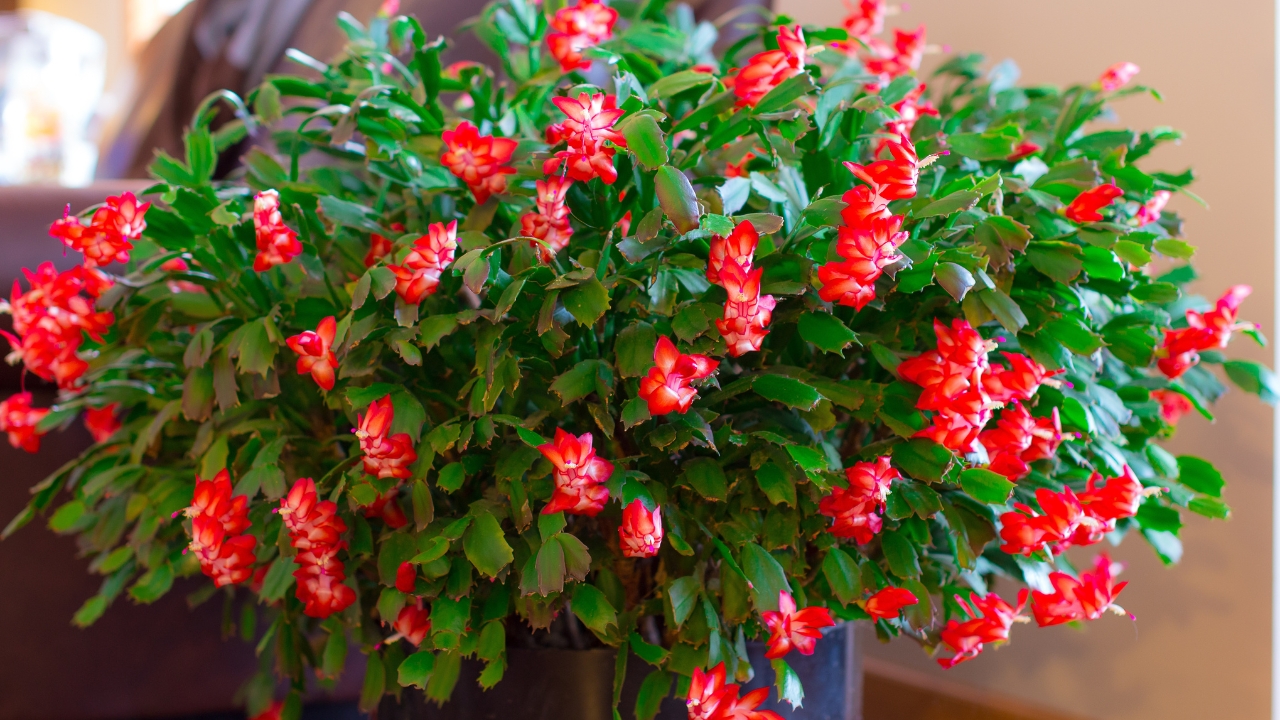
Christmas cactus (Schlumbergera)
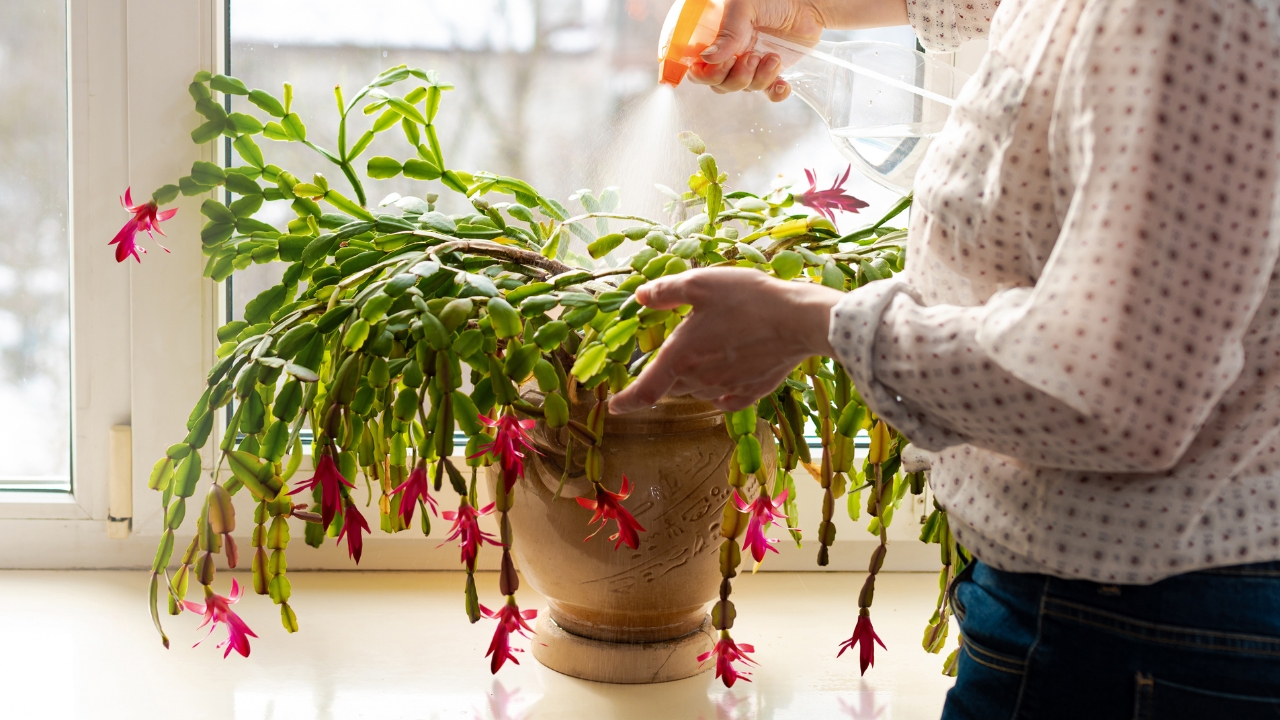
A Christmas cactus is a nice bridge between holiday decor and long-term houseplant. Unlike desert cacti, these guys are native to forested areas, so they like bright, indirect light and regular watering.
Let the top couple inches of soil dry out, then water thoroughly and let excess drain. If you keep them too dry, they’ll drop buds; too wet, and the stems can rot. Once you find the sweet spot, they’ll reward you with blooms around the holidays and stay attractive the rest of the winter with their segmented, arching stems.
Like Fix It Homestead’s content? Be sure to follow us.
- I made Joanna Gaines’s Friendsgiving casserole and here is what I would keep
- Pump Shotguns That Jam the Moment You Actually Need Them
- The First 5 Things Guests Notice About Your Living Room at Christmas
- What Caliber Works Best for Groundhogs, Armadillos, and Other Digging Pests?
- Rifles worth keeping by the back door on any rural property
*This article was developed with AI-powered tools and has been carefully reviewed by our editors.