9 Kitchen Tools You’re Using Wrong
If cooking feels harder than it should, it might be the tools—or more accurately, how you’re using them. A lot of common kitchen tools are misused every day without folks realizing it. Some of these habits waste time, others can wreck your gear or make cleanup harder than it needs to be.
Knowing how these tools were meant to be used can seriously improve how things go in the kitchen.
Measuring Cups
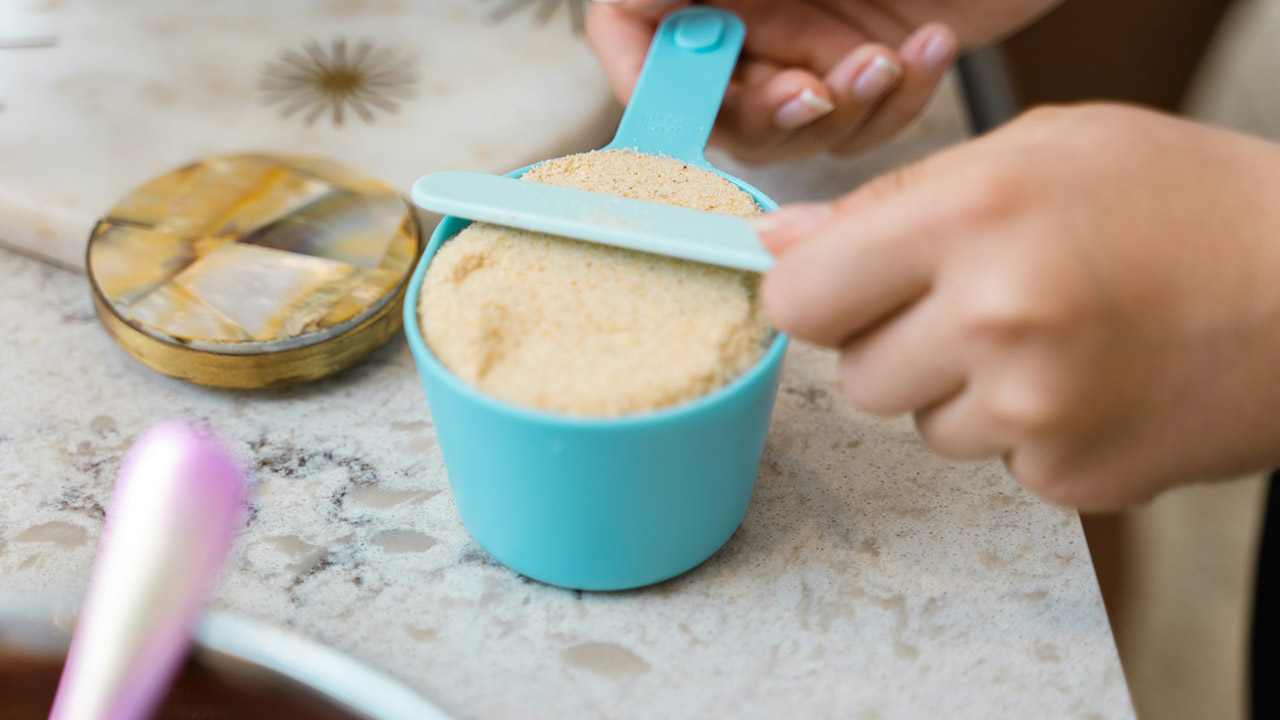
Dry measuring cups and liquid ones aren’t interchangeable. If you’re using one for both, it could be throwing off your recipes more than you think—especially in baking.
Dry ingredients should be leveled with a knife for accuracy. Liquids should be measured at eye level in a spouted cup to avoid overpouring. Mixing those up can change the whole texture of what you’re making.
Box Grater
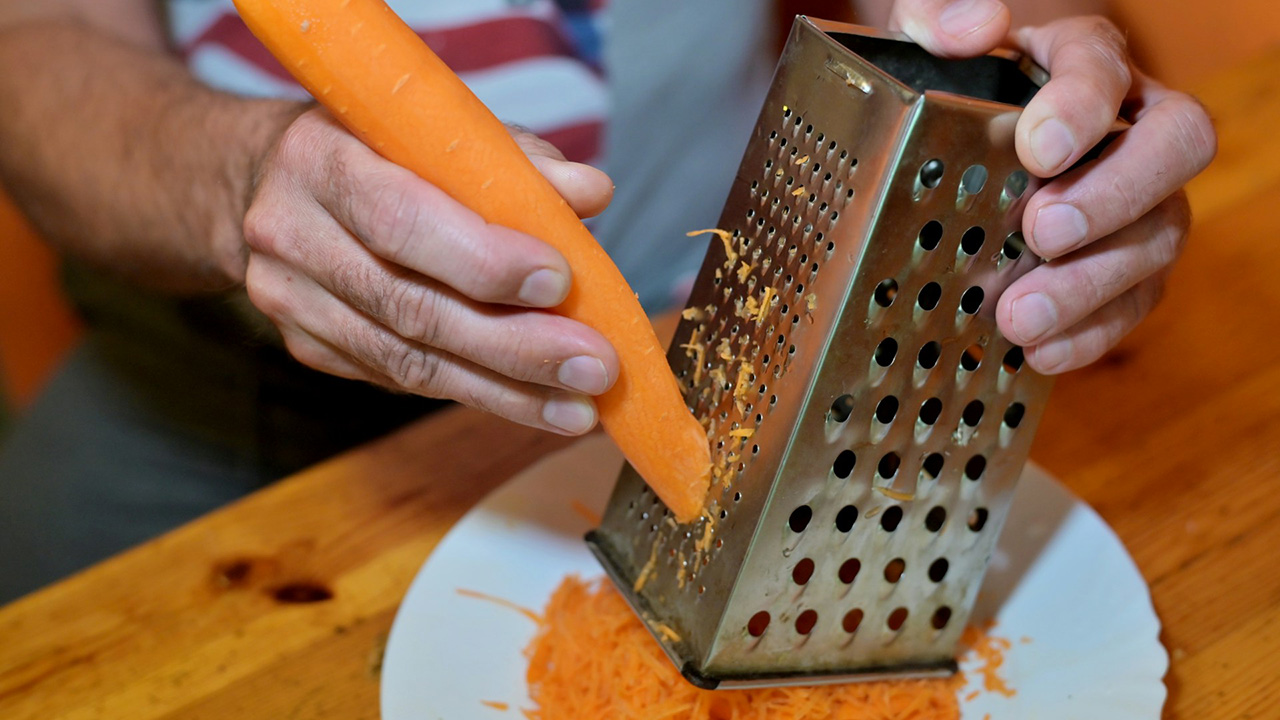
If you only ever use the wide holes and stand it upright, you’re missing a lot. That side’s great for shredding cheese, but the smaller sides are perfect for zesting citrus, grating ginger, or turning garlic into a fine paste.
Also—try laying the grater flat on its side and sliding the food across it. It gives more control and saves your knuckles. Don’t forget to clean it right away or the residue sets like glue.
Can Opener
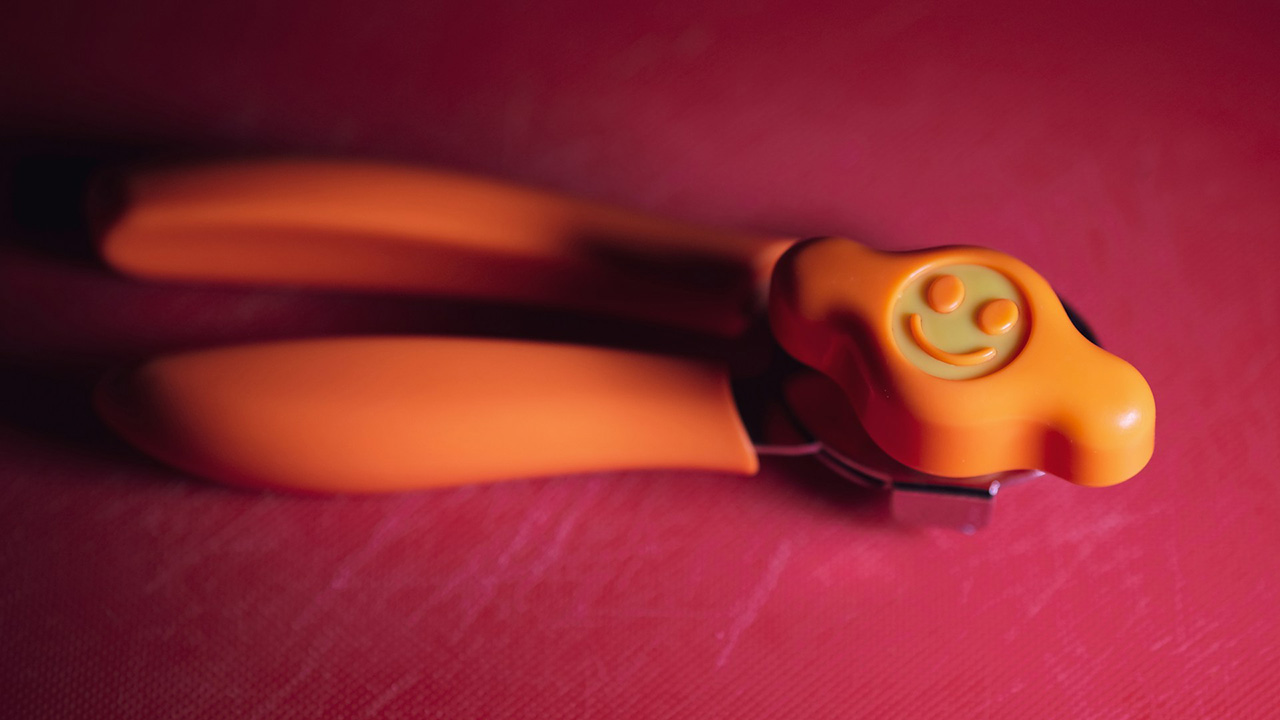
If your opener leaves jagged edges or falls off halfway around the can, you might be clamping it wrong. Most handheld can openers are designed to grip horizontally, not vertically on top of the lid.
The wheel should slice through the side seam cleanly. If you’re trying to cut from the top down, that’s a different tool altogether. Make sure your blade is sharp and seated right before you crank.
Garlic Press
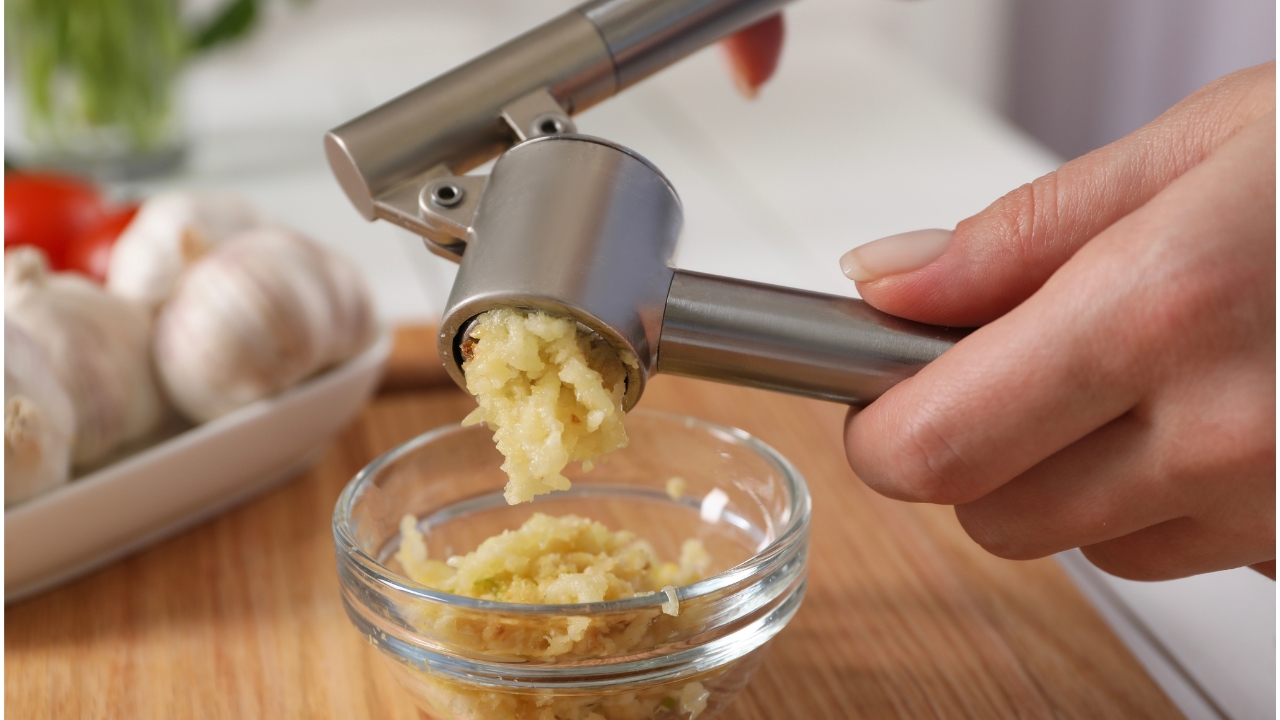
A lot of people skip peeling the garlic because the press says it’s “optional.” While you can press a clove with the skin on, it clogs up fast and doesn’t press cleanly.
You’ll get way more garlic and fewer jams if you peel first. And don’t toss that leftover mash inside the press—scrape it into your pan. That’s usable flavor, not waste.
Nonstick Pan
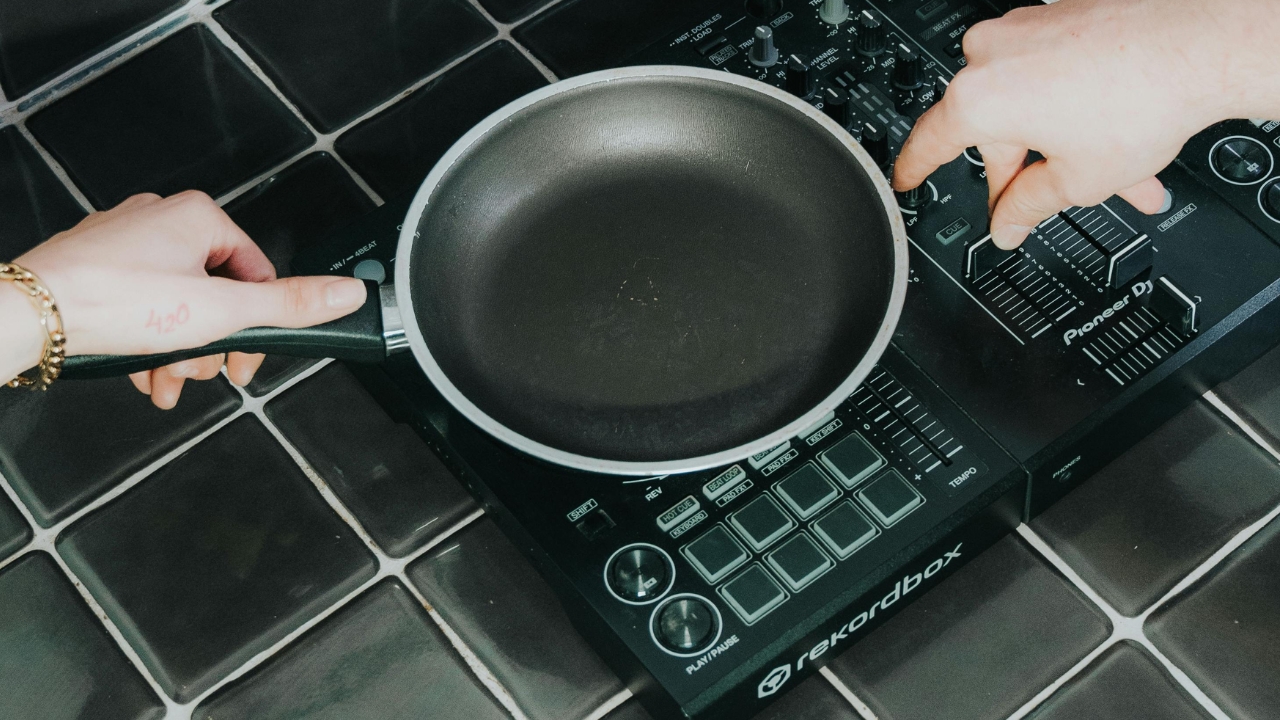
Using high heat on nonstick pans ruins the coating fast. These pans aren’t built for searing steaks or heating empty over flame. If you’ve got one, treat it gently and keep the temps low to medium.
And skip the cooking sprays—those leave a residue that’s tough to clean and can gum up the surface over time. Use a little oil or butter instead and wash with a soft sponge.
Tongs
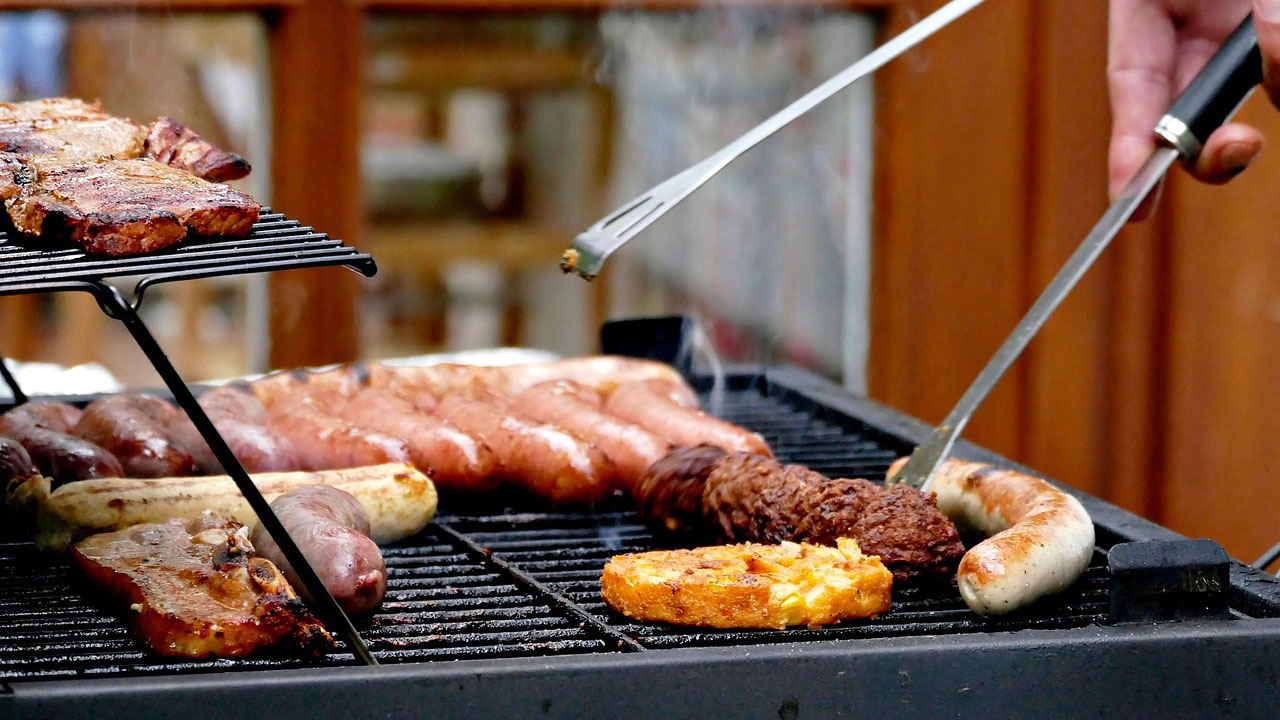
Tongs aren’t just for flipping meat. The best way to use them is like an extension of your hand. That means using them to stir, toss salad, rotate veggies in the oven—anything you’d do with a spatula or spoon.
If you’re struggling with grip, make sure the tongs are tensioned properly. Some lock in place for storage, but that latch can get stuck mid-use if you don’t flip it out.
Peeler
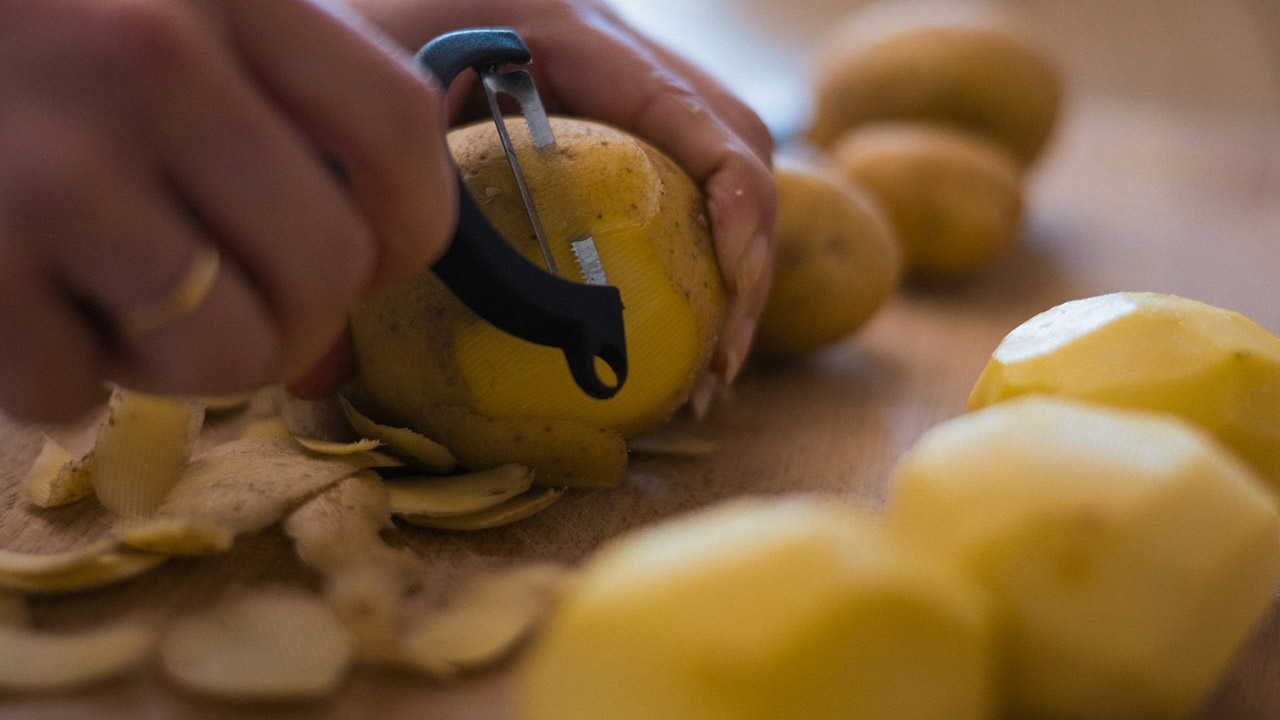
If your peeler skips or gouges chunks, the blade’s probably dull. Most people don’t realize peelers need to be replaced or sharpened. A sharp peeler should glide with barely any pressure.
Also, peel away from you on firm vegetables like carrots, but toward you on softer foods like apples or potatoes for more control. And clean that blade—gunk can build up and drag.
Stand Mixer
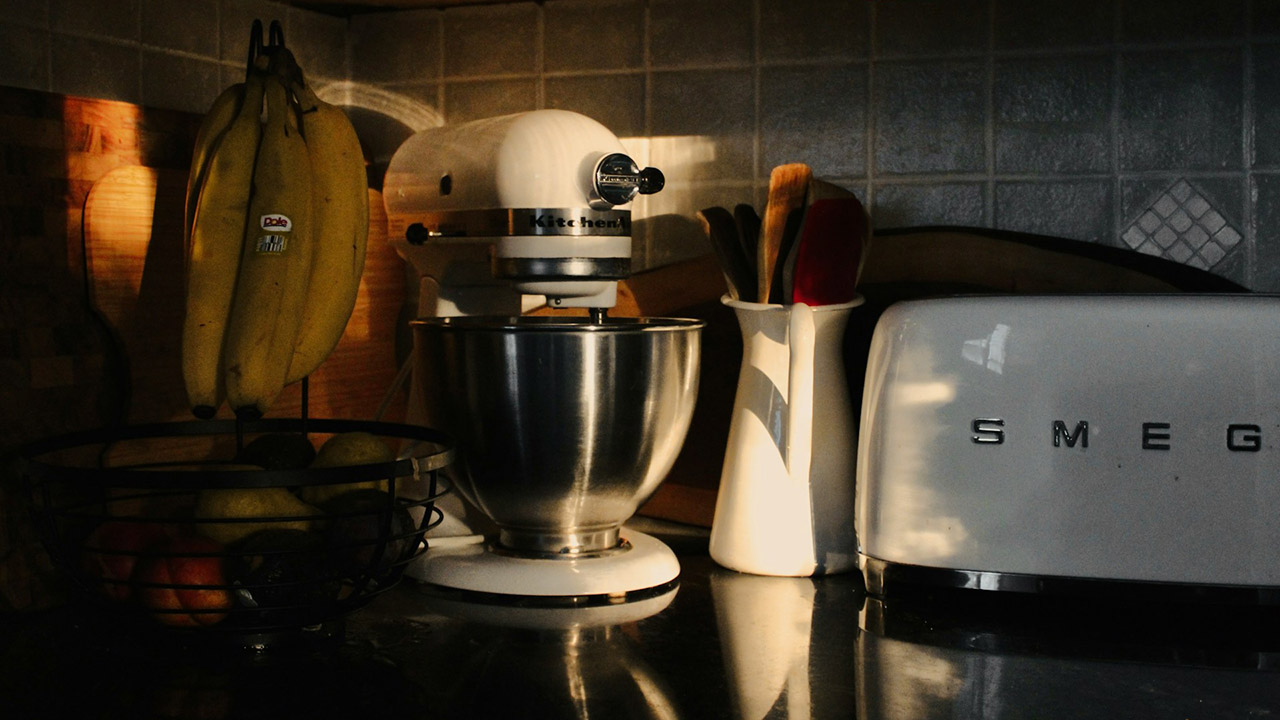
If you’re always scraping the bowl down mid-mix, check your beater clearance. The height can be adjusted on most models with a little screw near the hinge.
You also want to start slow. Going full speed right away sends flour flying and can overwork doughs. Let the mixer do the work gradually, and use the right attachment for the job—don’t whip cream with a dough hook.
Food Processor
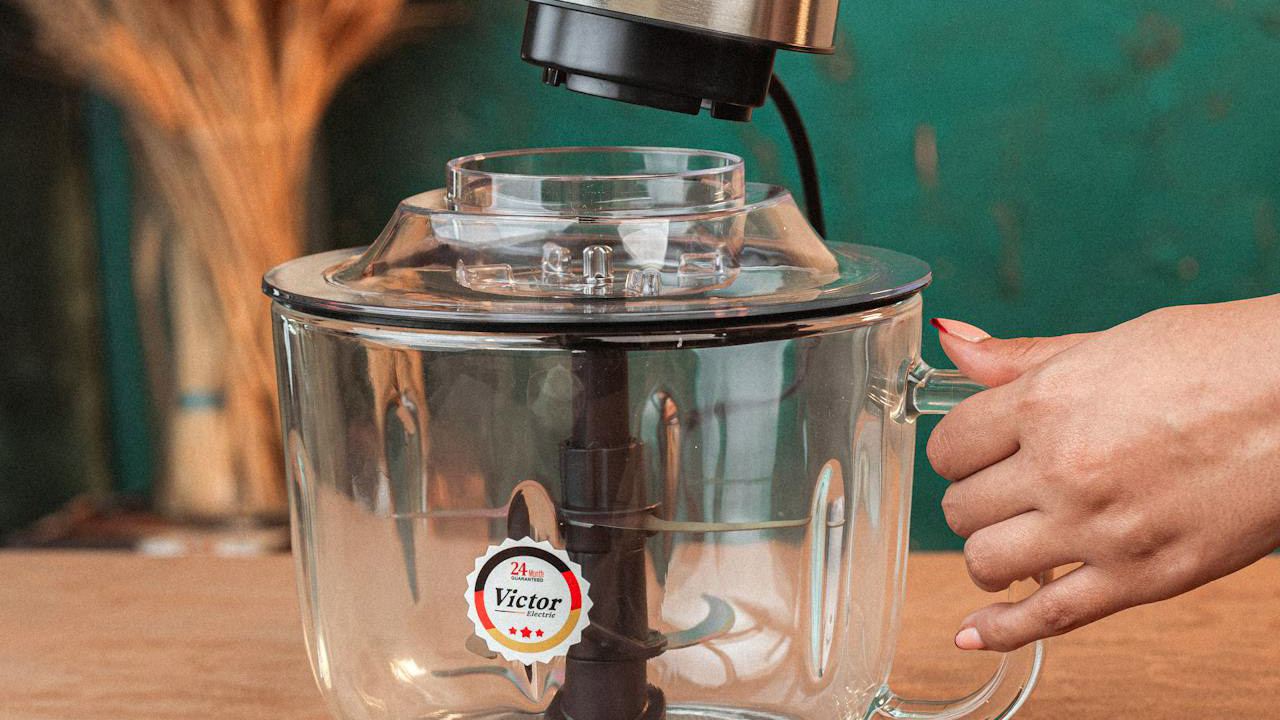
Stuffing the bowl too full leads to uneven chopping. It needs space to toss ingredients around. For best results, pulse instead of holding the button down. That gives a better texture and keeps it from turning to mush.
Also, don’t ignore those specialty blades. The grating and slicing disks work way better than a knife for some things—like shredding cheese or slicing cucumbers paper thin.
*This article was developed with AI-powered tools and has been carefully reviewed by our editors.