9 Landscaping Choices That Are Making Your Yard Hotter
When the summer heat rolls in, your yard can either help you cool off or make things way worse. A lot of common landscaping decisions seem like a good idea at first, but they actually trap heat, reflect it back at you, or block the airflow that could help cool things down.
If your backyard feels like it’s cooking you alive by noon, there’s a good chance one (or more) of these is part of the problem.
Too Much Concrete or Stone
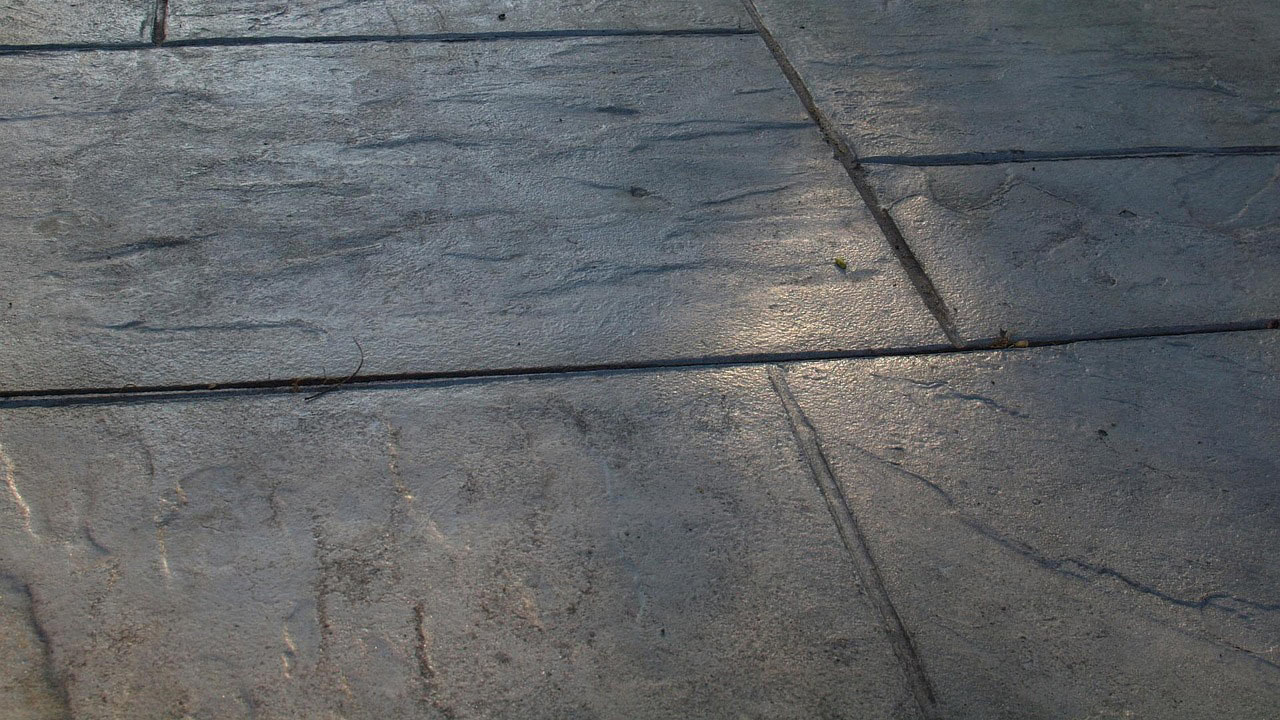
Concrete patios and gravel beds soak up heat all day and radiate it long after the sun goes down. That might not seem like a big deal until your whole yard feels like a skillet.
If you can, break it up with garden beds, mulch, or ground cover. Even something like a large outdoor rug can help keep the heat from bouncing right back at you when you’re trying to relax outside.
Dark Mulch

Black or dark brown mulch may look sharp, but it absorbs more heat than lighter options. That extra heat doesn’t just affect the ground—it radiates up and dries out nearby plants.
If your yard already gets a lot of sun, consider switching to a natural wood mulch or even pine straw. You’ll get less heat retention and better moisture control at the same time.
No Shade Trees

A yard without shade trees turns into a heat trap quick. Trees don’t just block sunlight—they help cool the air through a process called transpiration, which is basically nature’s AC.
If your space allows, plant deciduous trees on the west or south side of your house. You’ll get shade when it matters most and some energy savings too.
Too Much Lawn
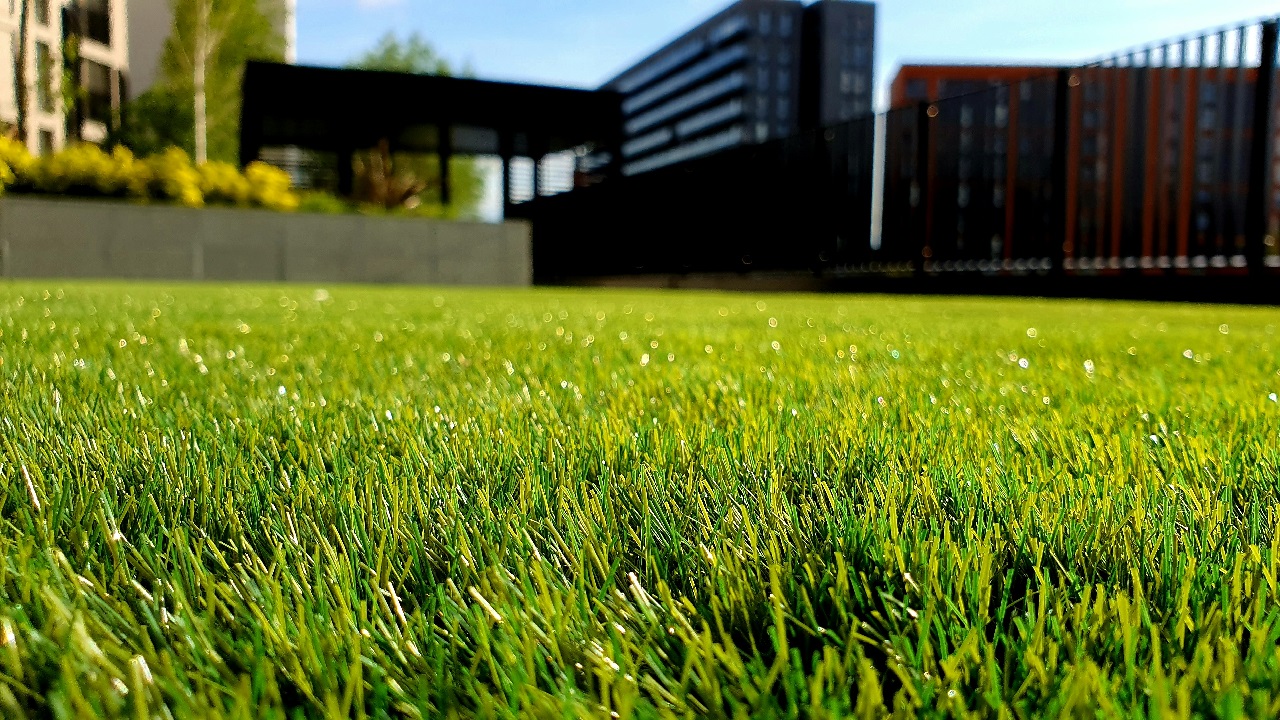
Lawns might feel cooler than concrete, but grass still reflects heat, especially when it’s short and dry. A big lawn with no shade turns into a wide-open sun reflector.
Try breaking up large stretches of grass with trees, raised beds, or even native shrubs. You’ll cut down on mowing and cool your yard at the same time.
Using Artificial Turf

Fake grass can hit oven-like temperatures in direct sun. It doesn’t absorb water or release moisture like real grass, so you don’t get any natural cooling benefits.
If you’ve already installed turf, add shade where you can—either with trees, pergolas, or shade sails. If you haven’t installed it yet, it’s worth reconsidering in hot climates.
No Ground Cover Around Hardscaping
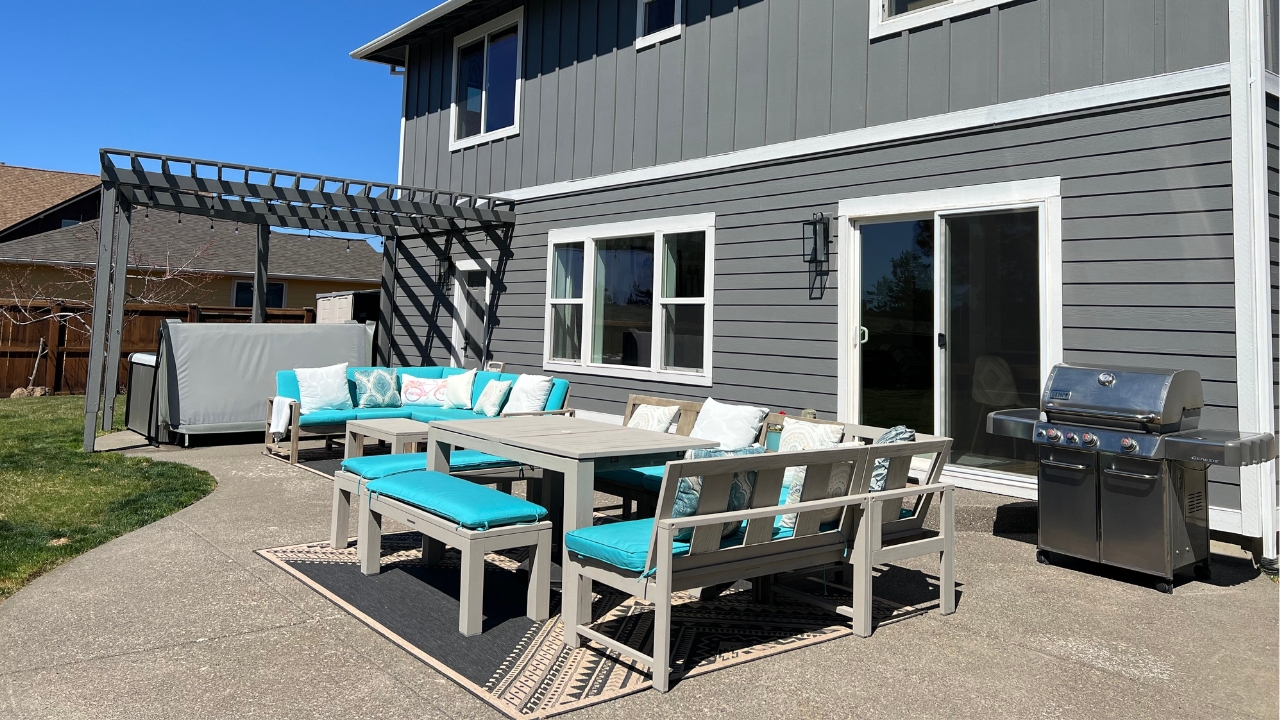
Pavers, walkways, and patios with no plants around them build up and reflect heat fast. That can make nearby areas hotter and increase how much water your plants need.
Low-growing ground cover like creeping thyme or sedum helps block the heat and soften hard edges. Bonus: It usually needs less maintenance than turf.
Overusing Rock Beds
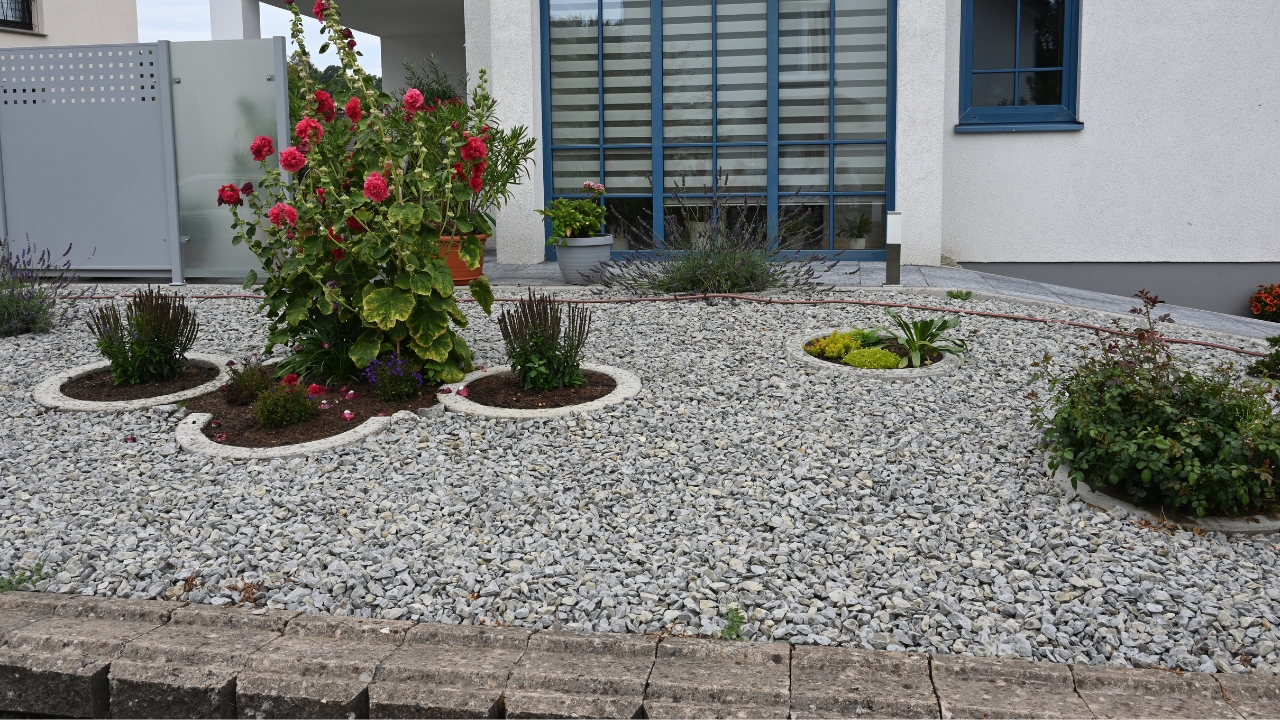
Rock landscaping might cut back on weeding, but it comes with a cost. Those stones absorb heat all day and radiate it back into the surrounding area.
If you use rock beds, try to keep them away from seating areas and house foundations. Consider mixing in drought-resistant plants that offer some natural cooling.
Lack of Airflow

A yard packed full of tall privacy shrubs or solid fencing can trap heat like a greenhouse. Without cross-ventilation, the hot air settles in and stays there.
Try spacing plants out a bit or using fencing that allows airflow, like slatted wood or lattice. You’ll get some privacy without sacrificing every breeze that could be helping you cool off.
Reflective Surfaces Facing the House
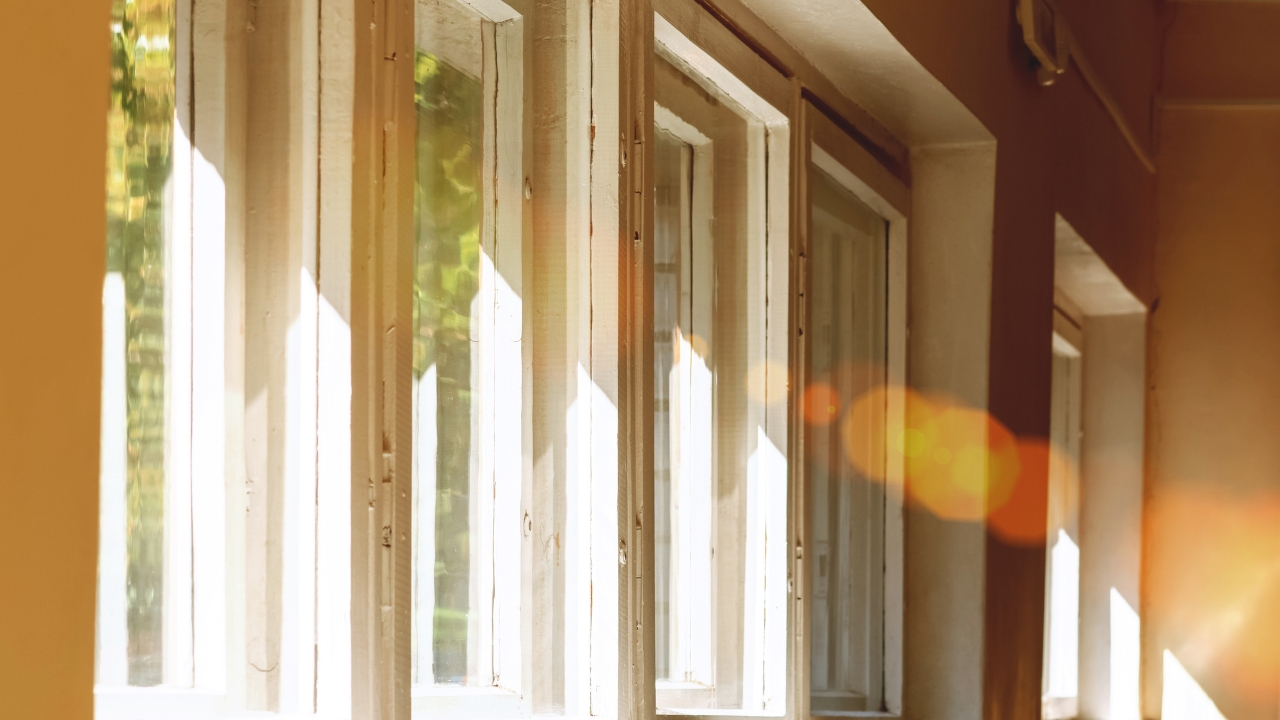
Things like metal décor, mirrors, or even certain window placements can reflect sunlight and add more heat to areas that are already warm. This is especially common on patios and decks.
Keep reflective materials to a minimum on the sunniest sides of the yard. If something is bouncing heat back toward your home or patio, it’s worth moving or replacing.
*This article was developed with AI-powered tools and has been carefully reviewed by our editors.