9 projects that’ll bite you later if you cut corners
Some projects sound like a great idea—until they’re done halfway. Whether it’s a small upgrade or a big home fix, cutting corners can leave things looking worse than before. If you’re going to tackle one of these, make sure you do it right the first time—or wait until you can.
Installing Board and Batten
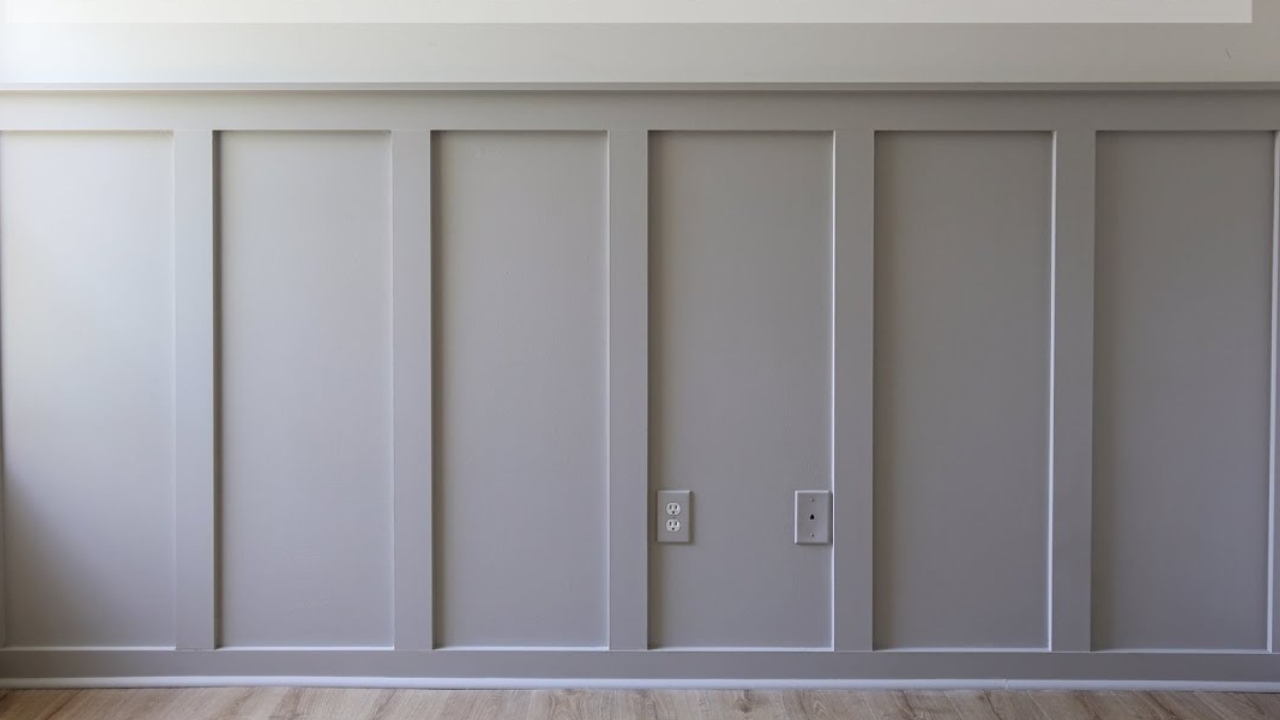
If you skip the prep work, board and batten can end up looking warped or uneven. Gaps, crooked lines, and sloppy paint will stand out more than if you’d left the wall alone. This isn’t a project to rush through.
You need smooth walls, measured spacing, and straight cuts. Otherwise, it’ll read as unfinished and lazy. The charm disappears fast when it’s done poorly. If you want it to feel like it belongs in the home, not like an afterthought, slow down and do it right.
Painting Kitchen Cabinets
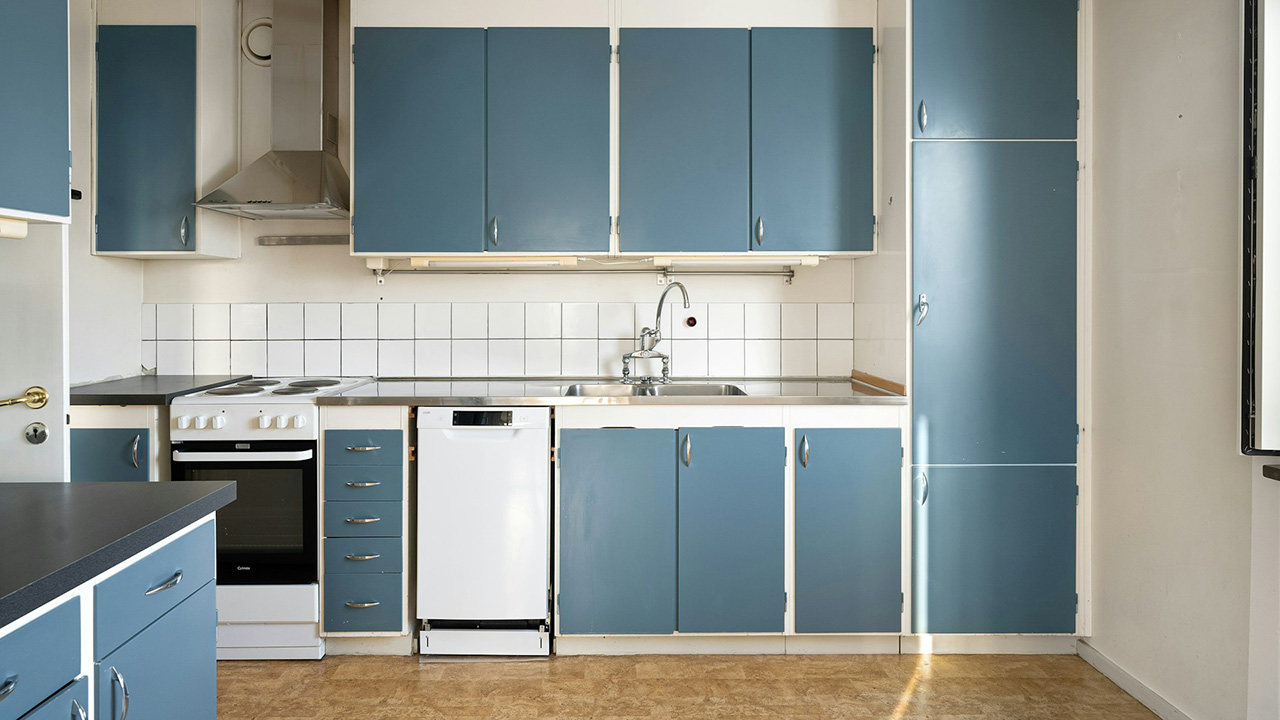
Painting your cabinets can save you a ton of money—but only if you prep well. If you skip sanding or priming, the paint won’t stick, and it’ll chip fast. That “budget” upgrade can start looking beat-up within a few weeks.
You also need to take off the doors, label everything, and be patient between coats. If you don’t, the finish will look streaky or uneven. It’s a high-effort job that’s worth it—but only if you’re willing to do the work.
Laying Peel-and-Stick Tile
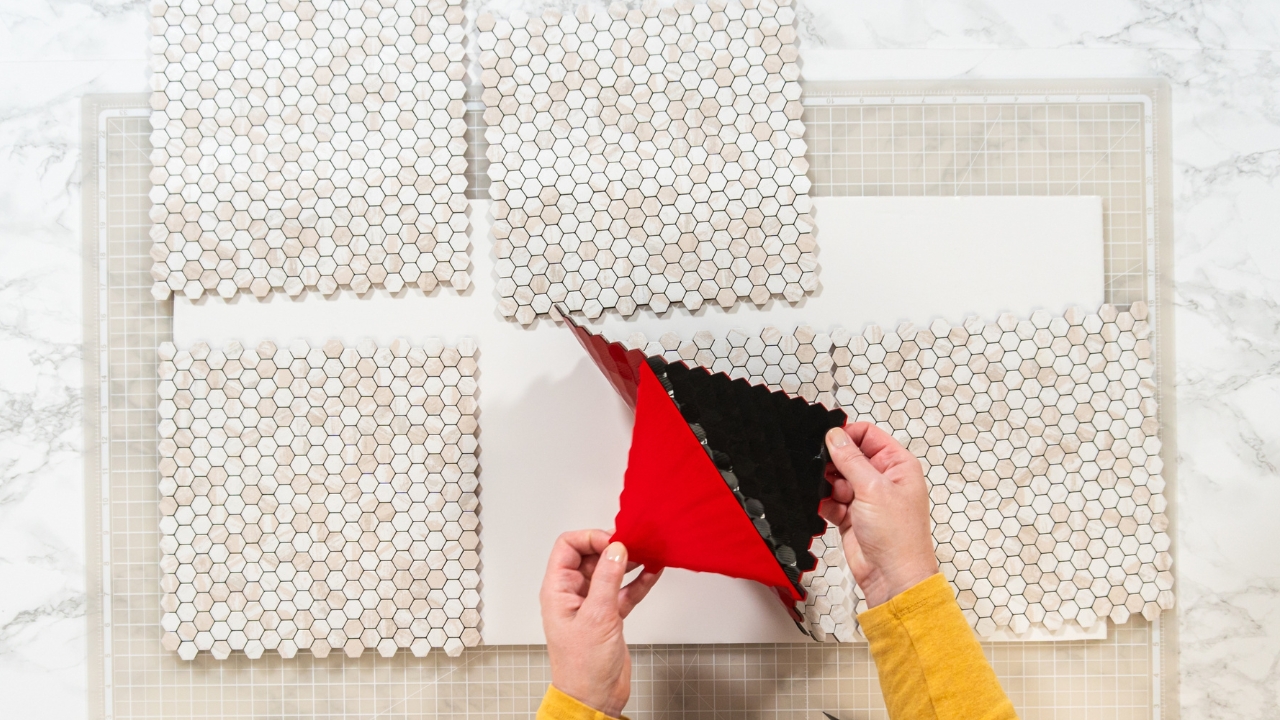
Peel-and-stick tile can be a great option for renters or quick fixes, but it’s not foolproof. If you don’t clean the surface well or lay it straight, it’ll look wonky in no time. Misaligned seams and lifting corners ruin the whole effect.
And once one tile starts lifting, it’s a chain reaction. If you’re not confident in measuring, cutting, and installing properly, you might end up ripping it all up within a few months. This is one shortcut you can’t halfway commit to.
Building a Deck

A DIY deck can look good on paper, but it has to be structurally sound. If you don’t know how to properly space joists, secure posts, or meet code, you’re looking at a potential safety hazard—not a nice weekend hangout spot.
Even cosmetic mistakes, like uneven boards or bad cuts, can make a deck feel sketchy. If you’re not sure how to build it right, it’s worth either bringing in help or waiting until you’re confident enough to do it safely.
Floating Shelves
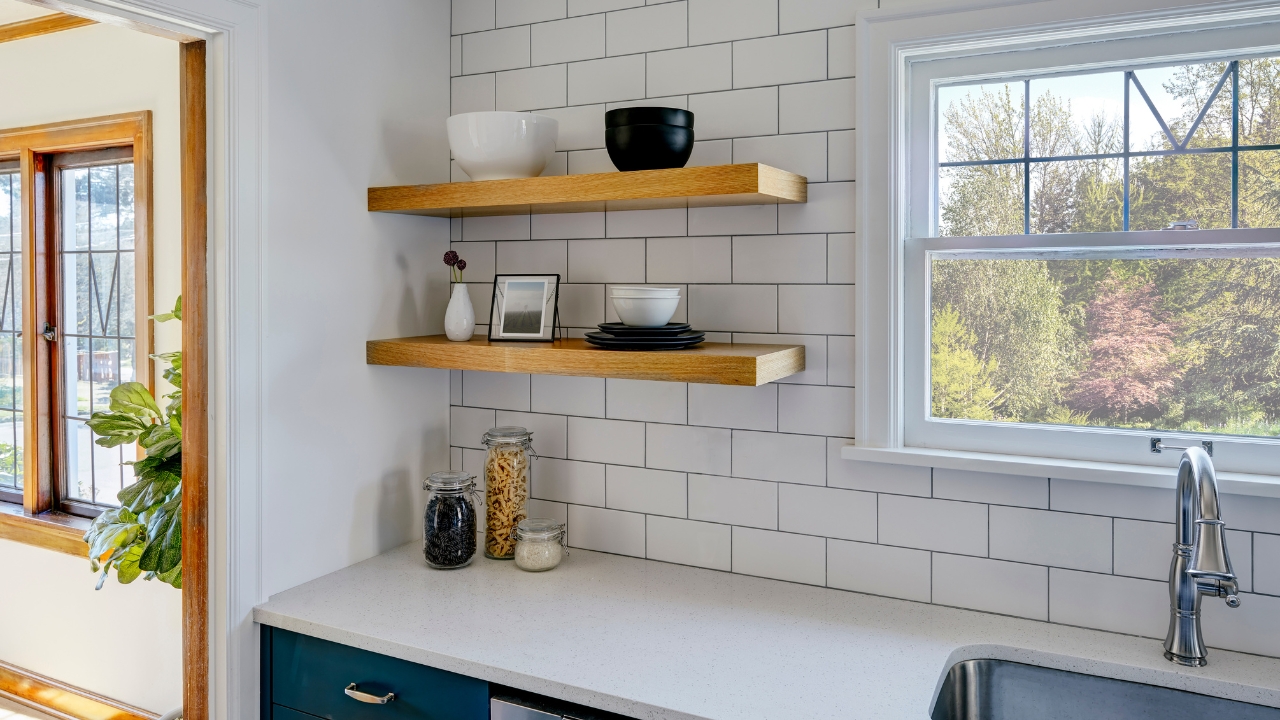
Floating shelves seem easy, but they’ll sag or fall if they’re not installed correctly. Drywall anchors alone aren’t enough for heavy items. And if they’re crooked, everyone notices.
They need to be leveled, secured into studs, and reinforced depending on what you’re storing. Don’t trust every tutorial online that skips those steps. This one’s worth doing right the first time, or not doing at all.
Upgrading Baseboards
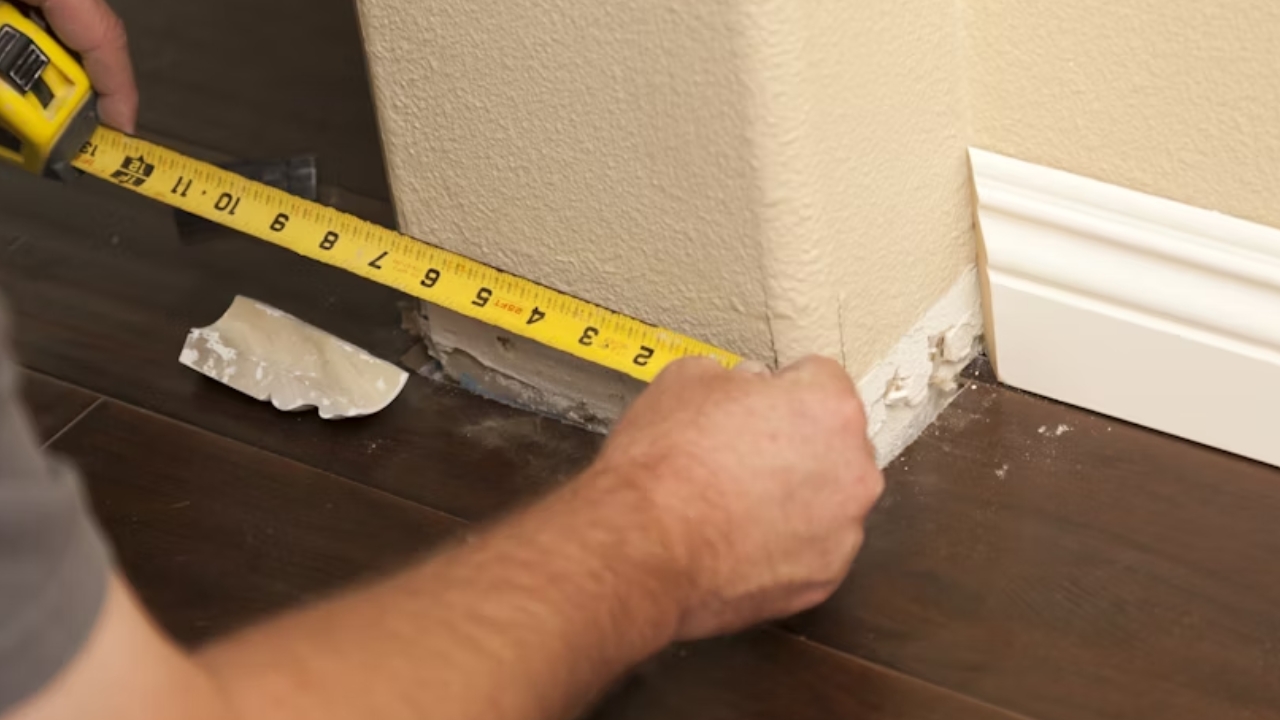
Swapping out baseboards can clean up a room fast—but only if your cuts and corners are tight. Sloppy seams, visible gaps, and uneven lines make the room feel cheaper, not better.
You need a good miter saw, patience, and caulk to seal everything up. It’s not the hardest job, but it’s noticeable when it’s done wrong. Done right, it feels professional. Done wrong, it feels like you didn’t finish.
Painting a Front Door
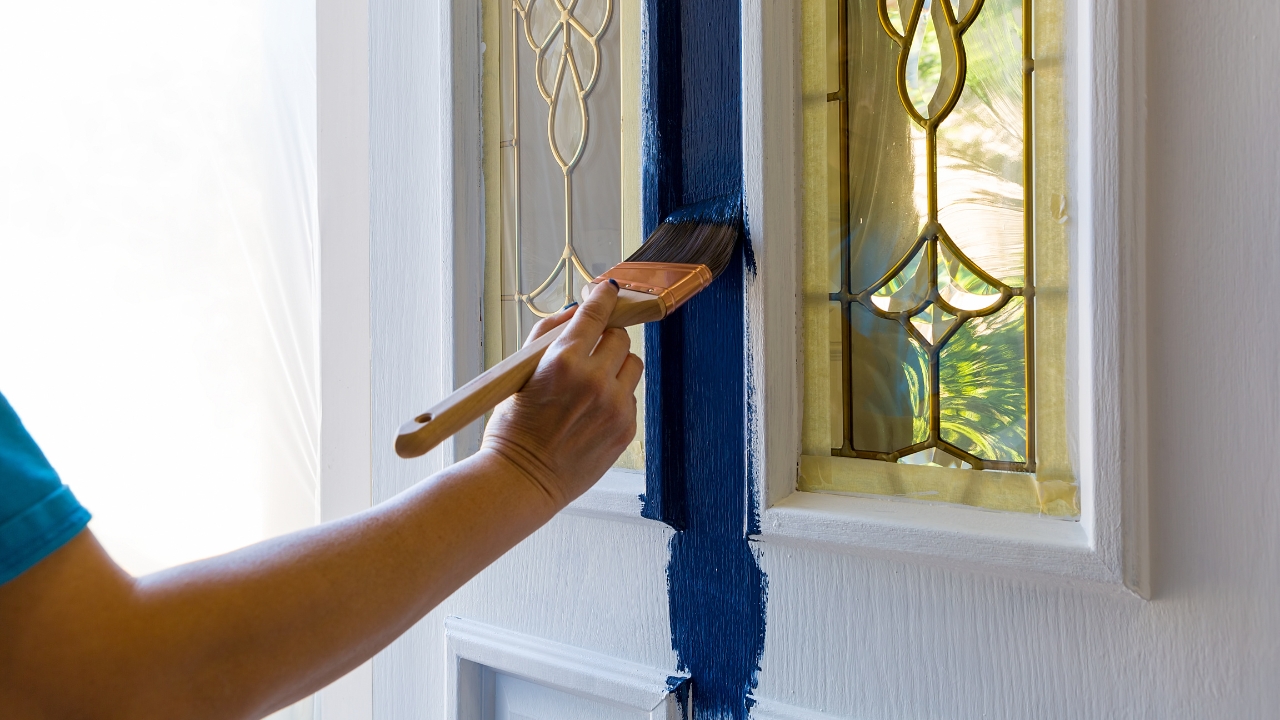
A painted front door should welcome people in—not scream “DIY gone wrong.” If you don’t clean, sand, and prime first, the paint might bubble or peel. Brush marks and drips are easy to spot, especially in direct sunlight.
Take the time to remove hardware and tape off the edges. Use a paint that can handle weather, and give it time to cure. A rushed paint job out front is one of the first things people will notice—for better or worse.
Installing Crown Molding

Crown molding only works if the cuts are clean and the angles match. One bad joint and the whole room looks off. It’s one of those projects that reveals whether you measured twice—or didn’t at all.
It also needs caulk and paint to really look finished. If you’re going for a polished look, you can’t skip those last steps. Slapping it up quickly won’t hide bad craftsmanship. This is one trim job that shows every mistake.
Staining a Concrete Patio
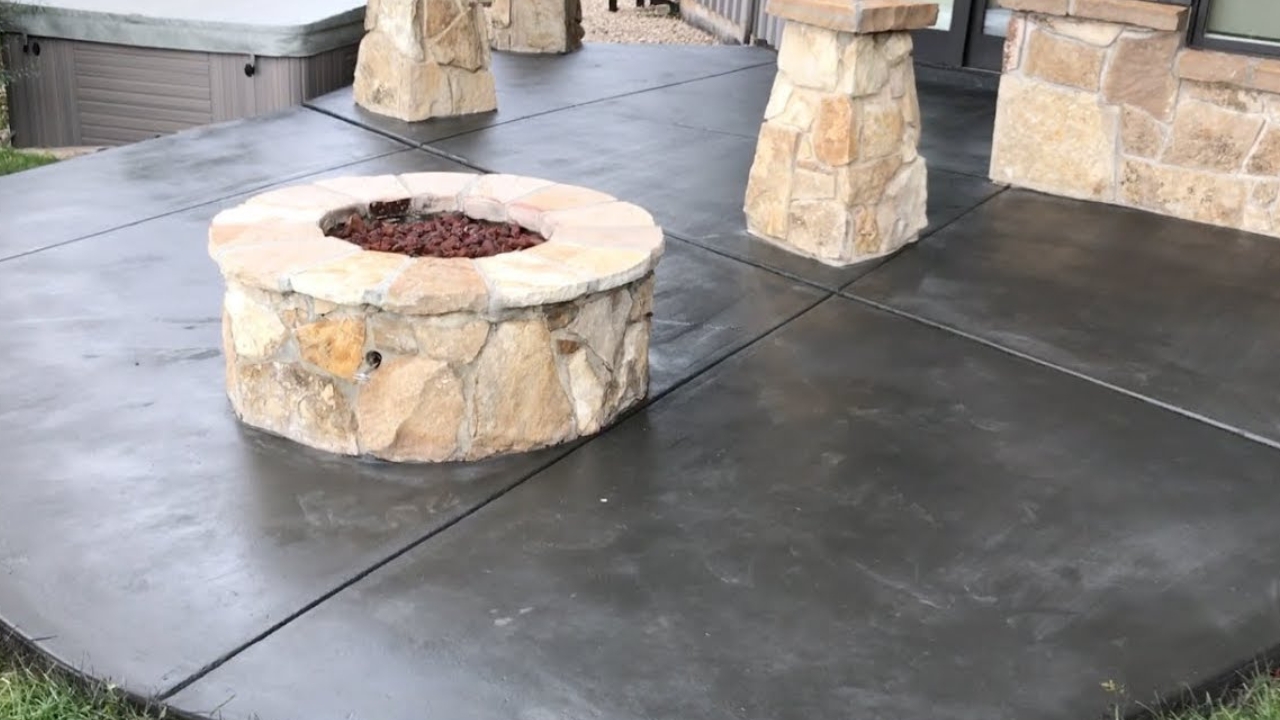
If you don’t clean and prep the surface properly, the stain won’t take evenly. You’ll end up with blotches, streaks, or flaking patches that make the patio look worse than before.
You’ve got to power wash it, remove grease, and possibly etch the surface depending on your product. This isn’t the spot to wing it—follow the instructions and take your time. Otherwise, you’ll be redoing it sooner than later.
*This article was developed with AI-powered tools and has been carefully reviewed by our editors.