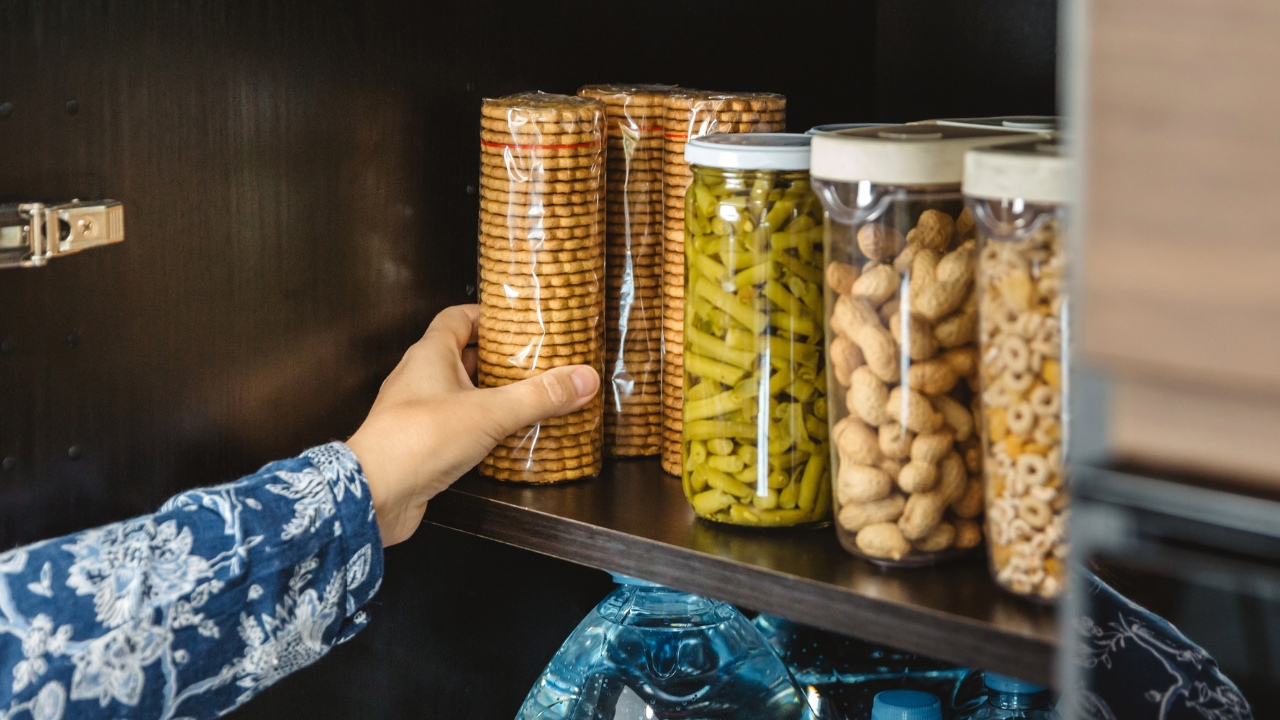
9 Quick Pantry Edits That Save You Money All Winter
When it’s cold outside, you lean on the pantry more—soups, casseroles, snacks, baking. A cluttered pantry is how you end up buying duplicates, letting food expire, and relying on takeout because “there’s nothing to eat.”
You don’t need a full Pinterest makeover. A few edits can turn the pantry into something that actually helps you stretch meals and money all winter.
1. Clear out the “we’ll never eat this” shelf
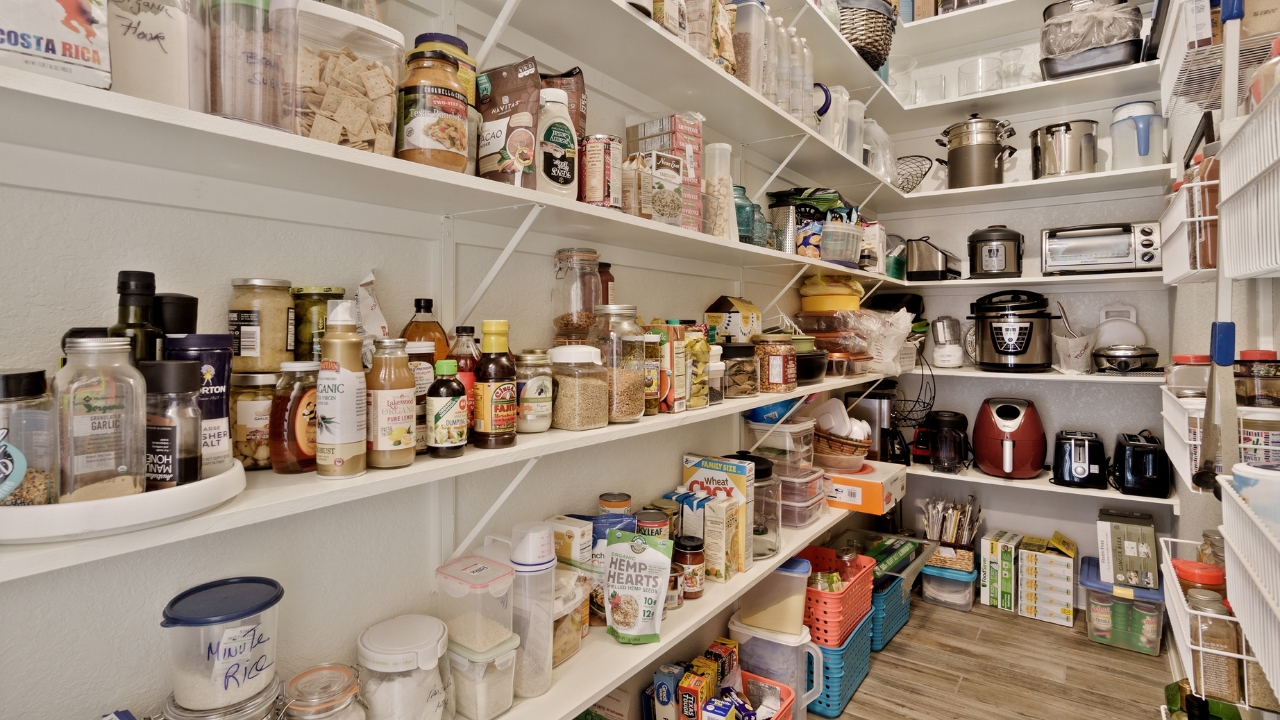
Start by pulling anything you realistically won’t use: random specialty items from one recipe, snacks no one liked, things far past expiration. Donate what’s still good; toss what’s not.
A half-empty shelf that holds food you actually eat is more valuable than a full one full of guilt. It also shows you what not to buy again.
2. Group similar items together
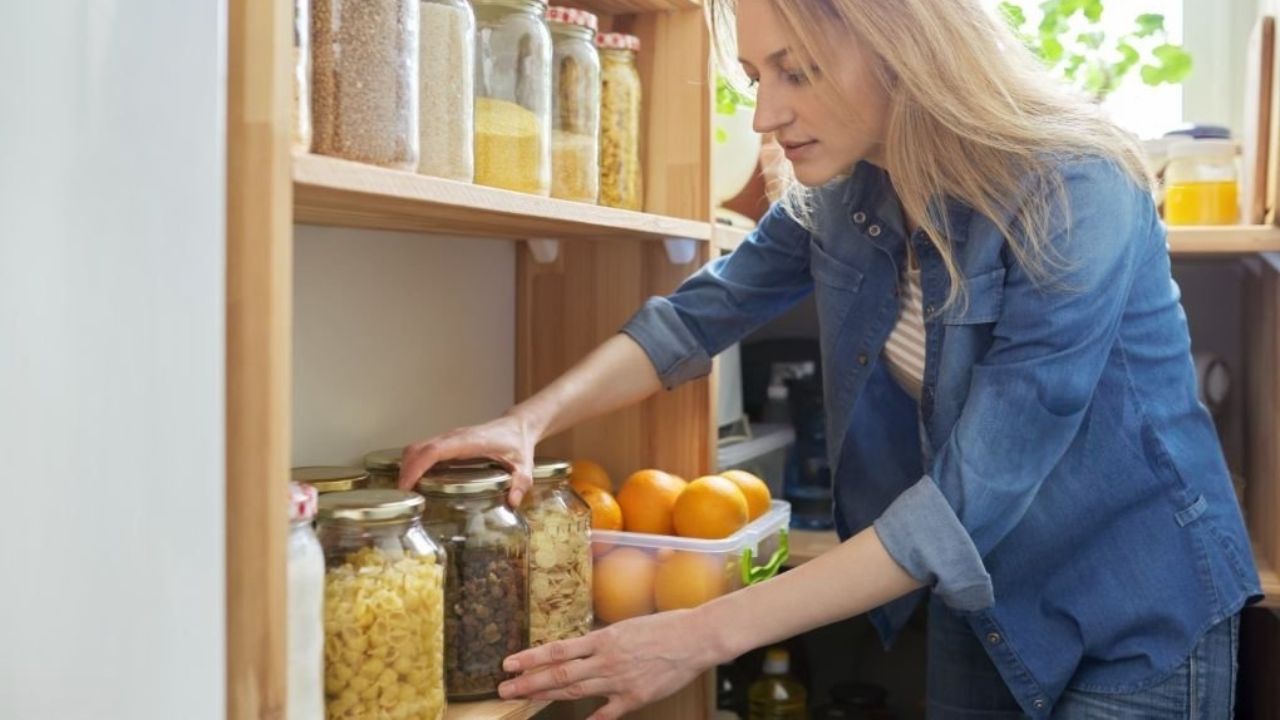
Put all pasta in one zone, all canned beans in another, all baking items together, and so on. You shouldn’t find pasta in three separate spots.
When everything has a category, you can see what you have at a glance. That’s how you stop buying “just in case” duplicates and start building meals from what’s already there.
3. Use bins or baskets for loose packages
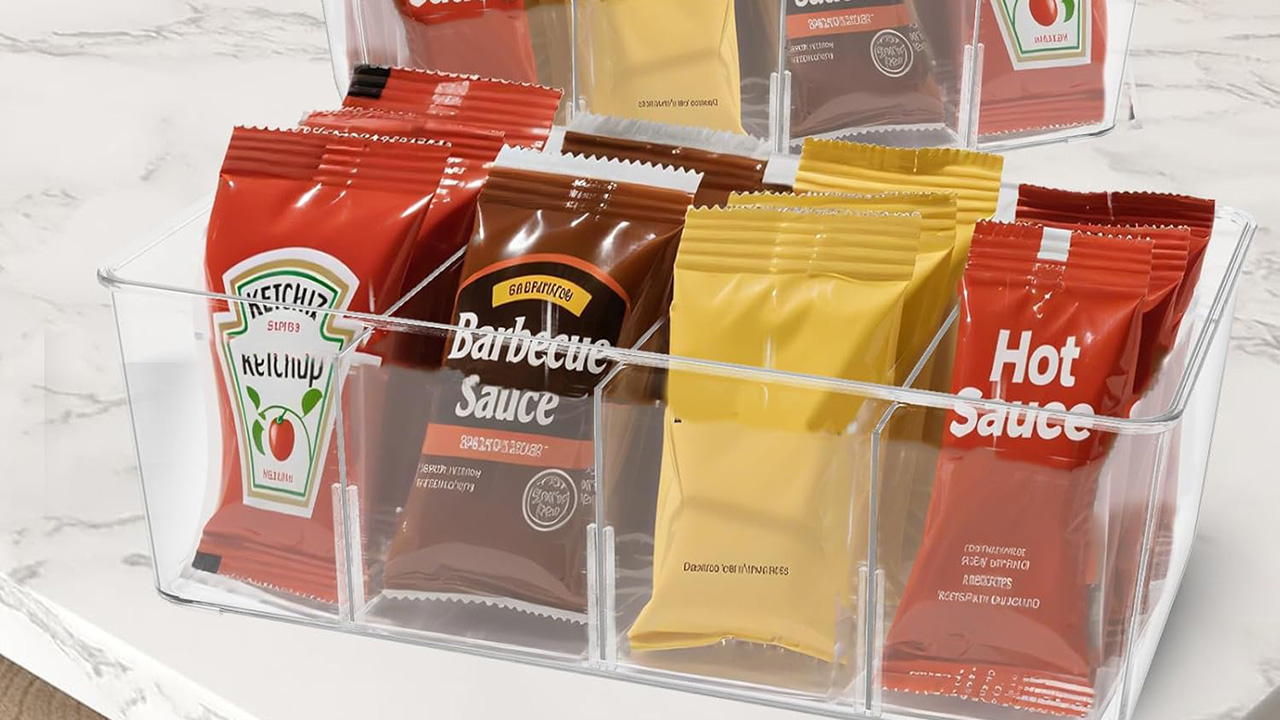
Small packets, sauce mixes, oatmeal packs, and snacks get lost easily. Toss them into labeled bins so they’re not sliding around every time someone reaches in.
You’ll actually use what you bought because you can see it, and you’re less likely to open new boxes before finishing what’s already started.
4. Create a “use this first” zone
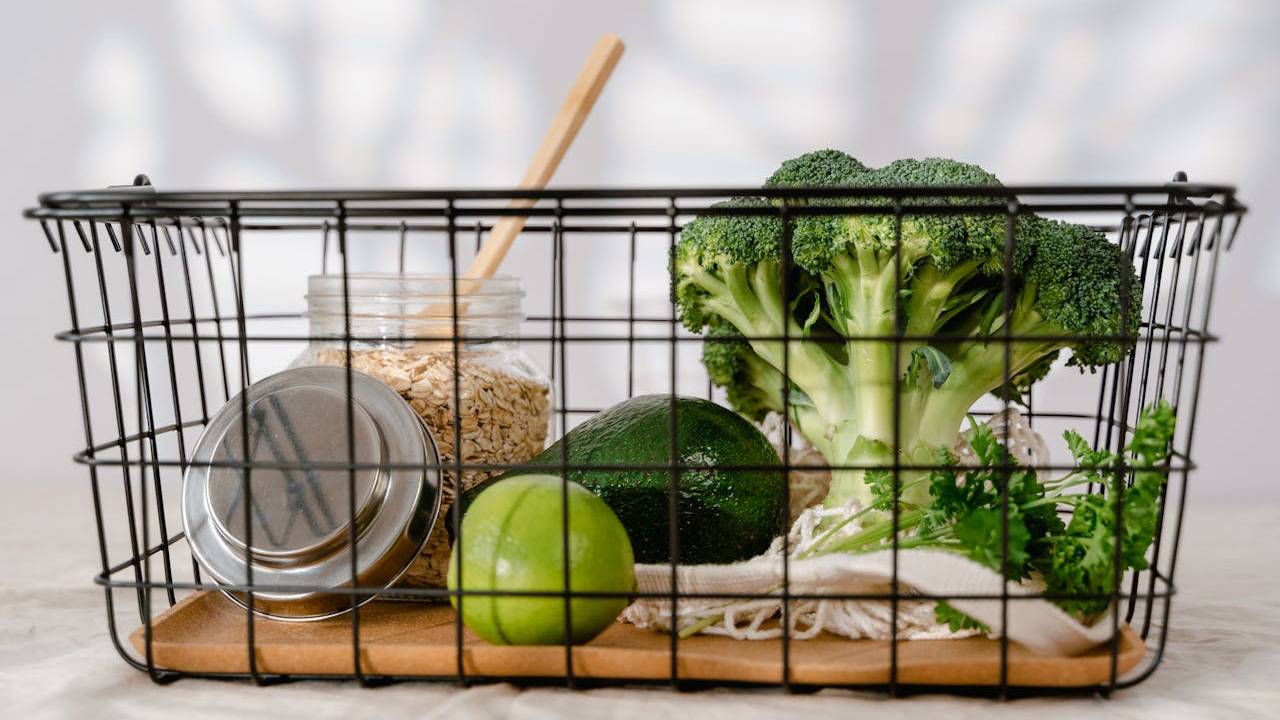
Designate a small basket or front-facing section for foods that need to be eaten soon—open packages, produce that stores at room temp, close-dated cans.
When you’re in a hurry, start there. You’ll waste less and stretch your budget because you’re not throwing away things you forgot about.
5. Store staple ingredients at eye level
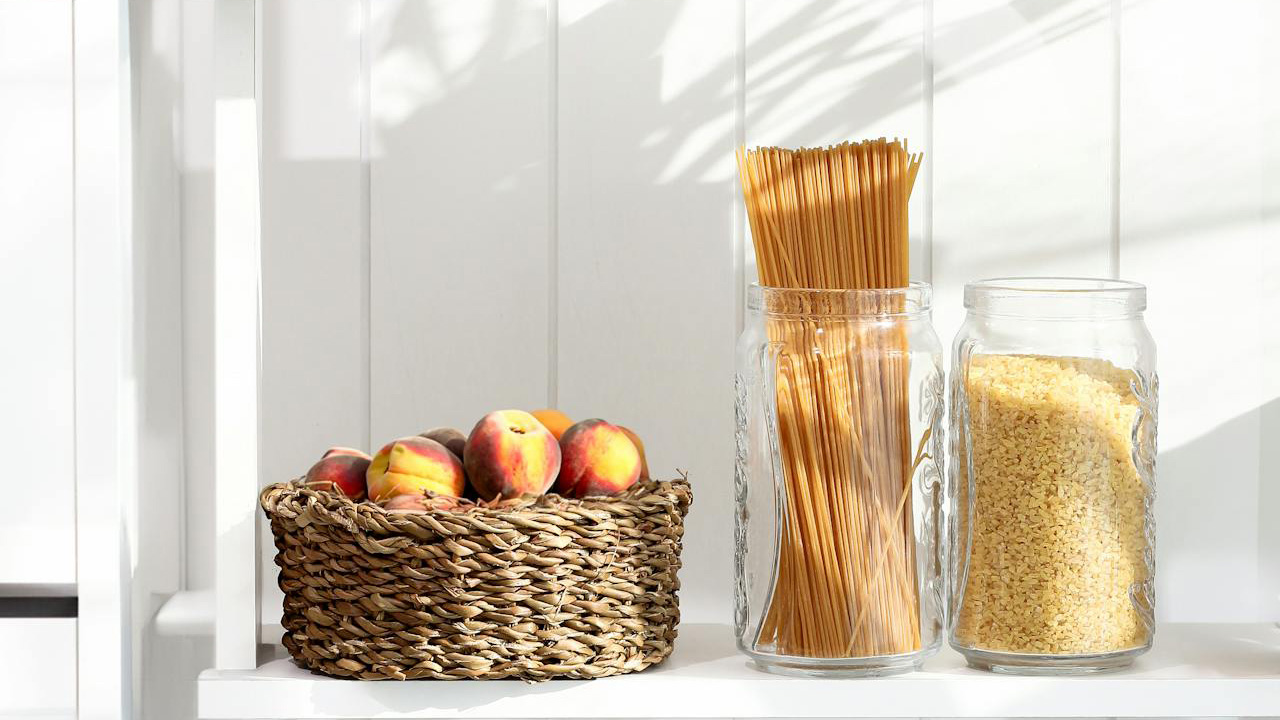
Keep the things you use constantly—rice, pasta, canned tomatoes, broth, beans—between shoulder and waist height if you can. Those are the items that build cheap winter meals.
When they’re easy to reach, you’re more likely to cook at home instead of claiming you have nothing and ordering out.
6. Decant only what makes sense
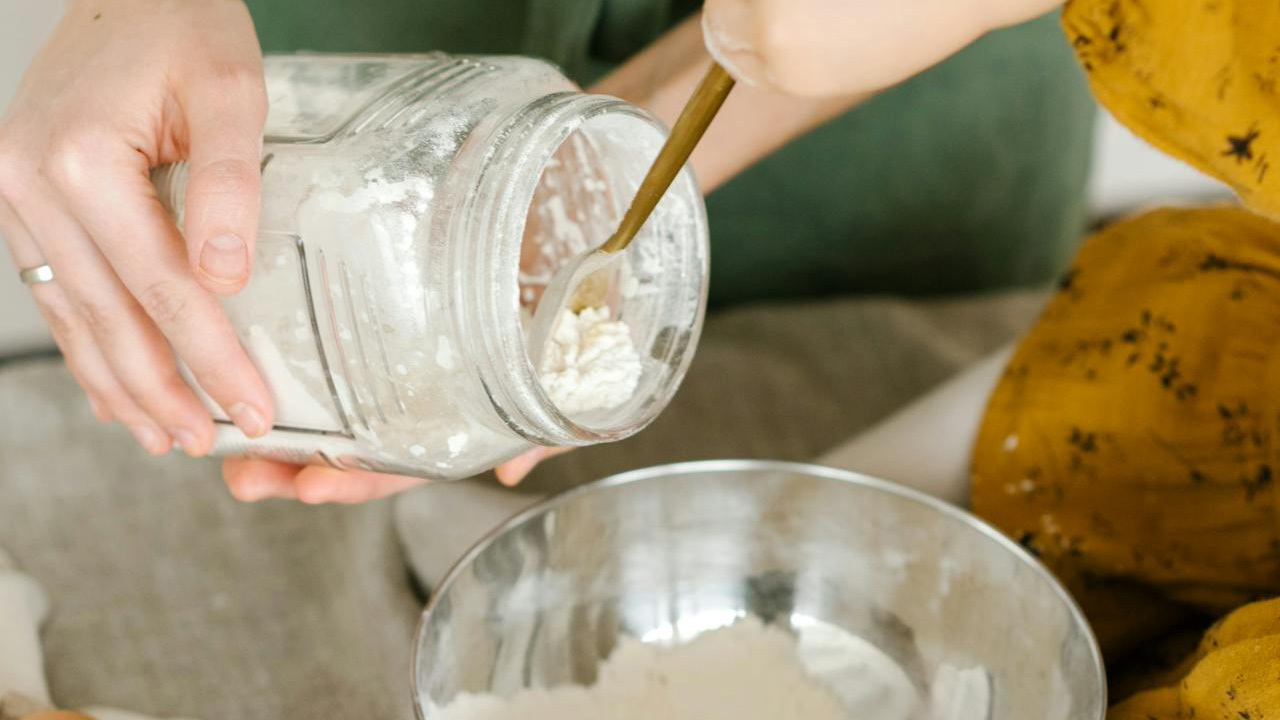
You don’t have to decant everything into pretty jars. Focus on what actually benefits from it: flour, sugar, rice, oats, and baking basics. It keeps them fresher and easier to measure.
If clear containers help you see how much you have left, they also keep you from panic-buying extras you don’t need yet.
7. Keep a running pantry list

Stick a notepad or small whiteboard near the pantry. When you use the last of something important, write it down. Glance at the list before you shop.
This keeps you from “just grabbing” random things because you can’t remember what’s at home and helps you plan meals around what you already own.
8. Create a quick-meal shelf
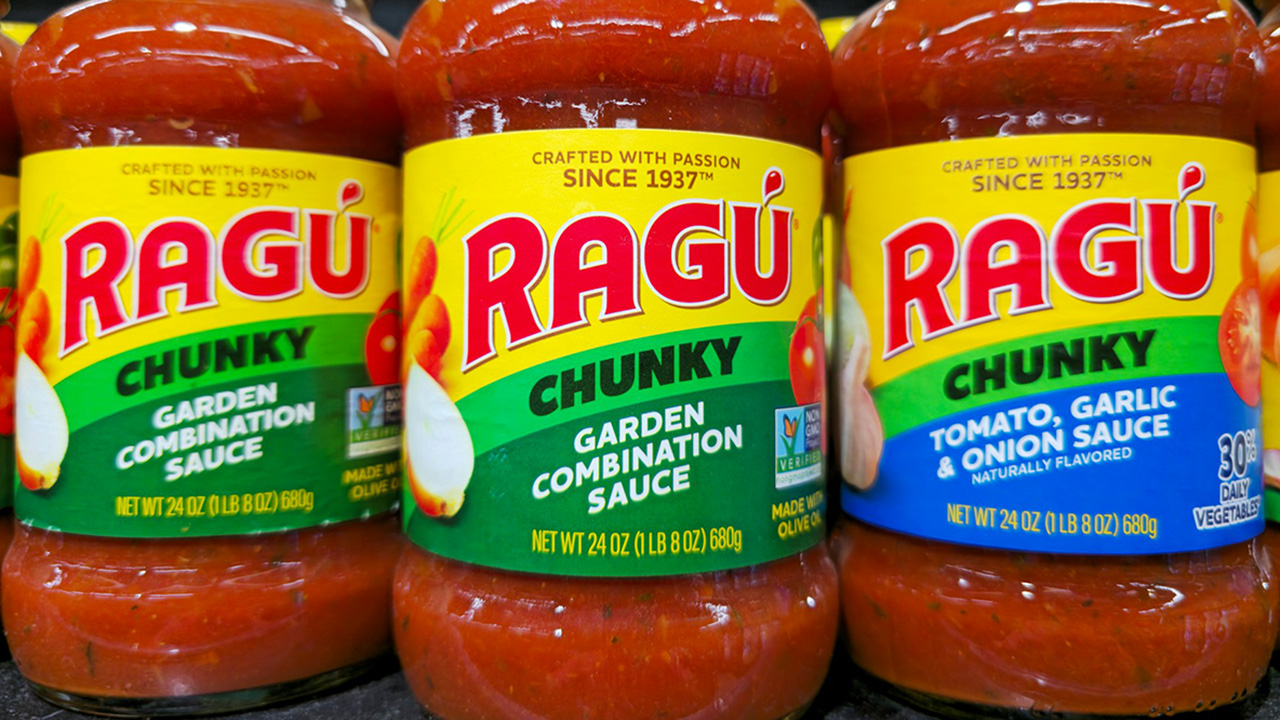
Reserve one small area for truly easy meal starters: jarred sauces, boxed broth, canned chicken, ready rice, beans, and a few family-approved shortcuts.
On nights you don’t have it in you to cook from scratch, this shelf keeps you from defaulting to takeout. It’s your safety net, not your every-night plan.
9. Store snacks where you can see portions
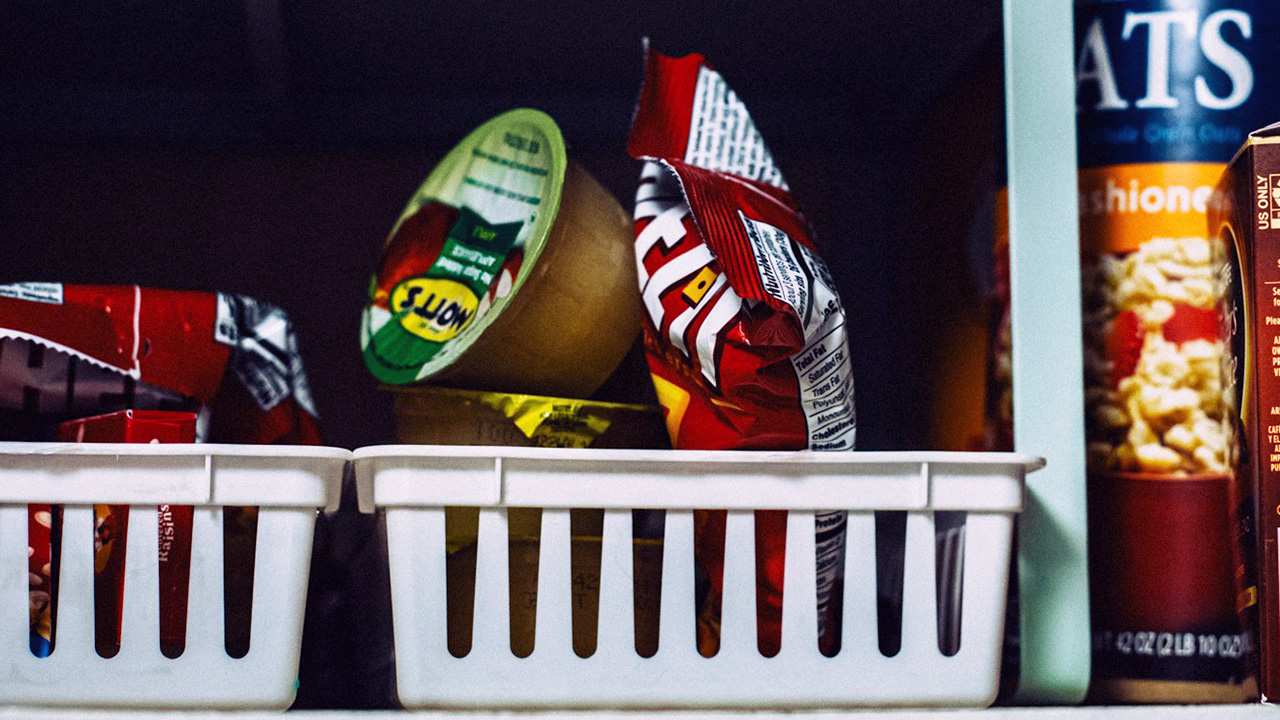
If kids (or you) inhale snacks quickly, portioning some items into clear containers or small bags can stretch them. It’s easier to see how much is left and slow down just a bit.
You’re not policing every bite—you’re just making it more obvious when something’s almost gone so you’re not surprised midweek.