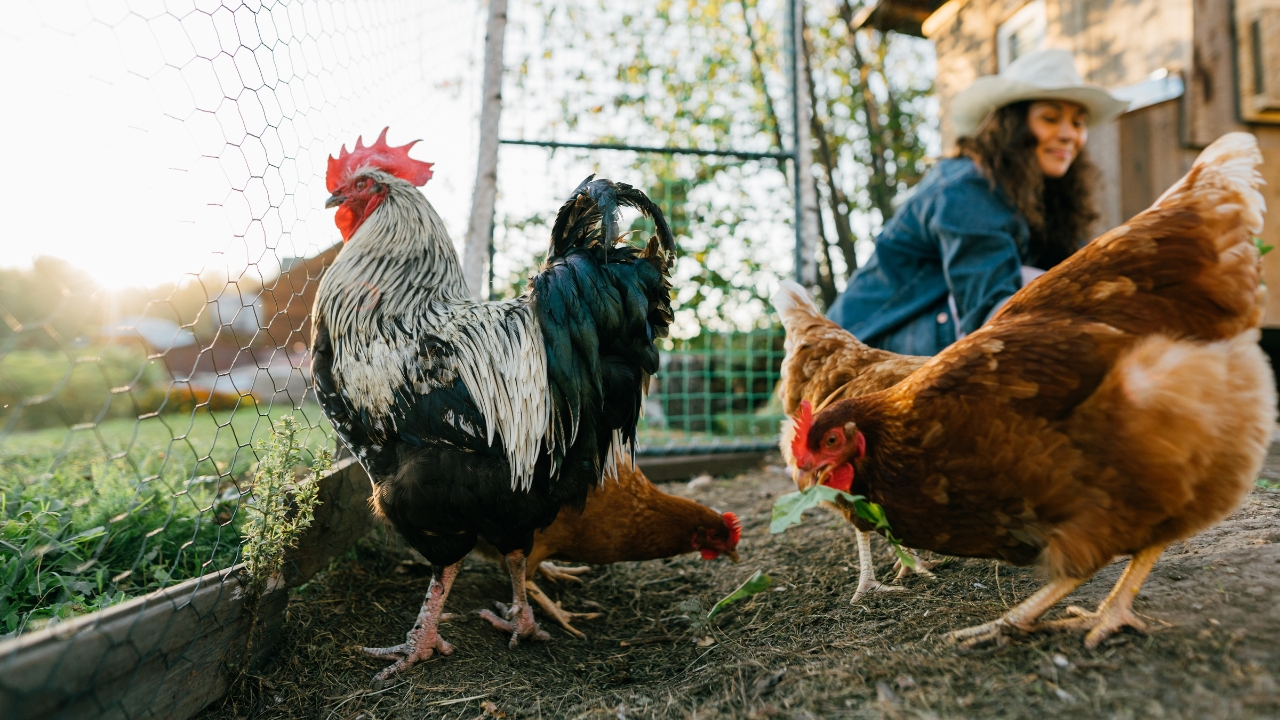
9 Regular Habits That Don’t Work on a Homestead
When you move to a homestead, a lot of everyday habits stop making sense. Things that worked in town or a typical neighborhood either waste time, waste money, or flat-out cause problems.
Living on land has a different rhythm. You have to think ahead, plan around the weather, and expect that if something can break, it probably will.
If you’re holding on to habits from your old routine, here are a few that don’t hold up out here.
Expecting the Weekend to Be Your Break
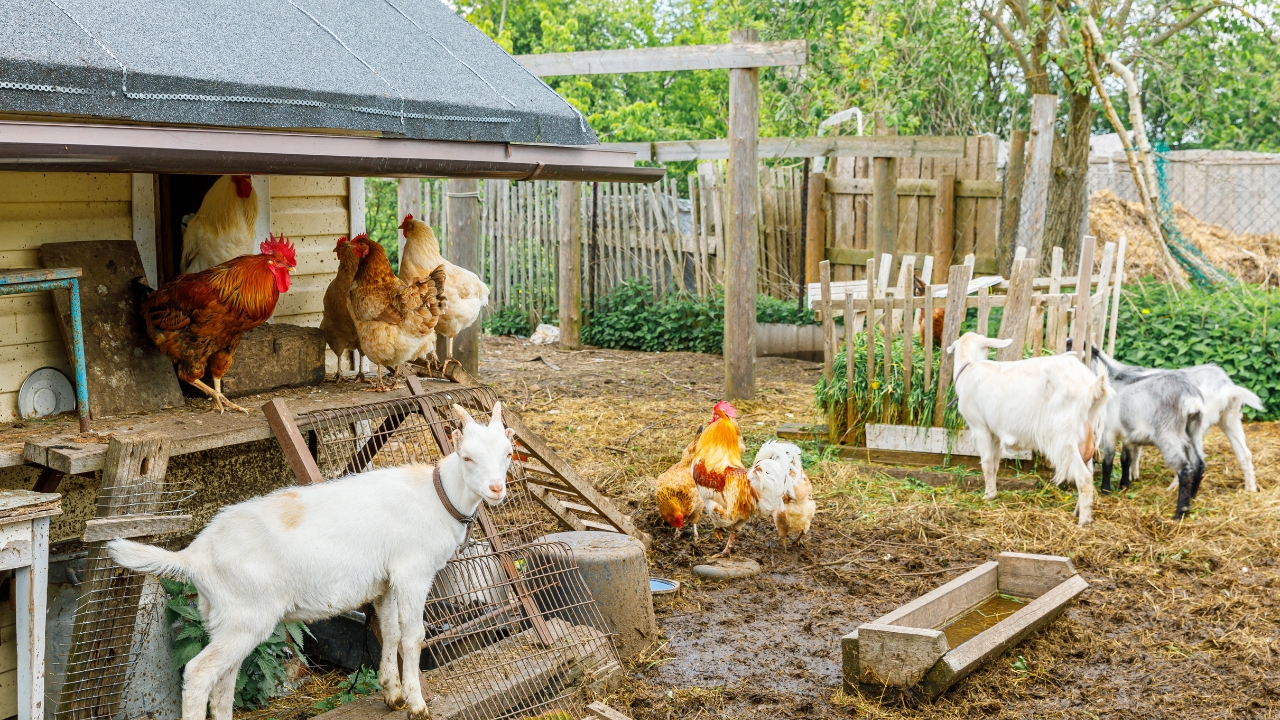
There’s no such thing as a weekend when you’ve got animals, a garden, and land to keep up with. Saturday and Sunday are usually your hardest working days. If you plan to “rest” on the weekend like you did in town, you’ll fall behind fast—and that stress piles up.
Ignoring the Weather Forecast
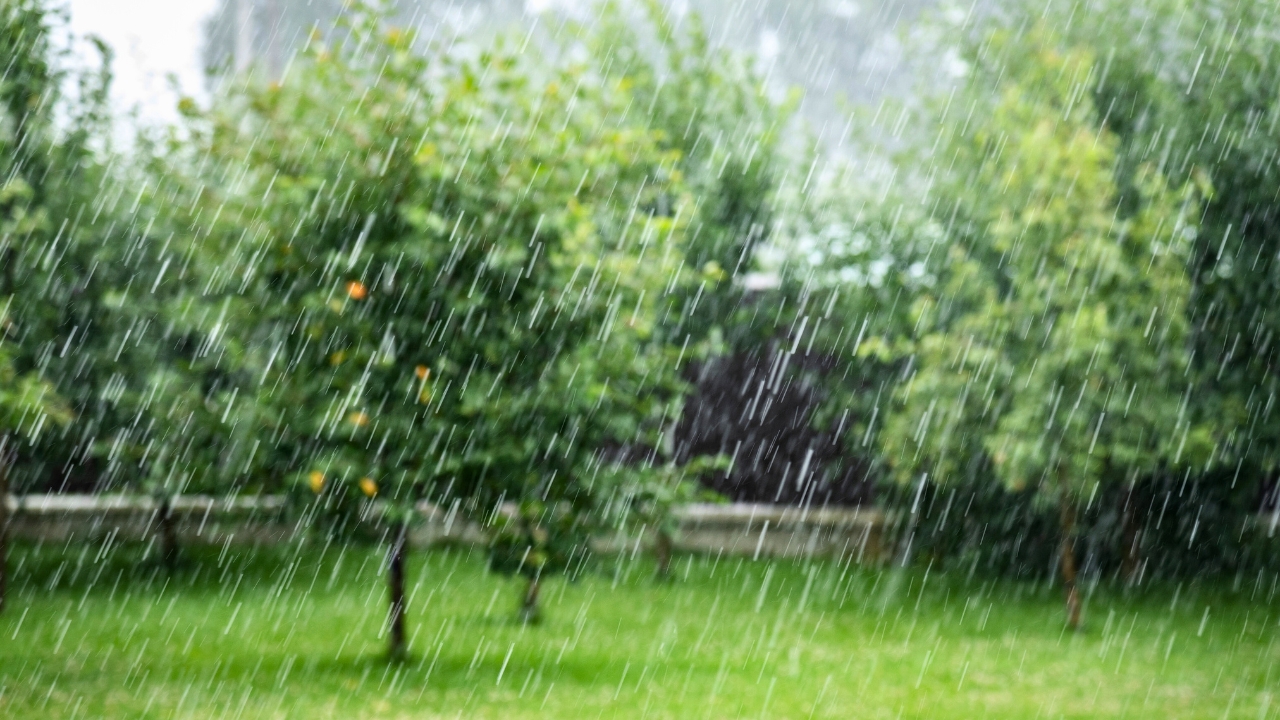
You can’t live out here and not keep an eye on the weather. If you wait until it rains to cover feed or move the animals, it’s already too late. A shift in temperature, wind, or humidity changes how you work that day. Planning ahead matters more than ever.
Throwing Things Out Too Fast
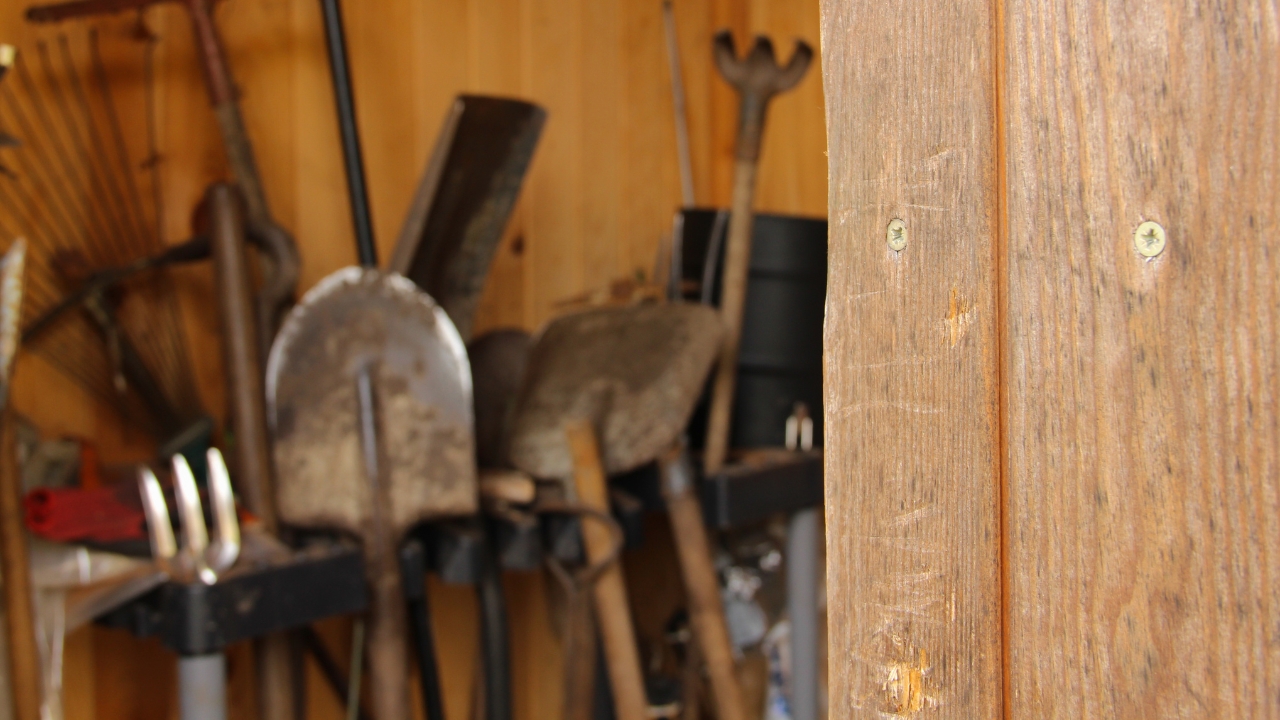
On a homestead, scraps, old tools, broken buckets, and leftover wood often find a second life. You don’t want to hoard junk, but tossing something out without asking “Can I reuse this?” is a rookie move. What looks useless today might be a coop fix or gate latch tomorrow.
Letting the Day Run You

If you wake up and wing it, you’ll waste half the day. Homesteading runs smoother when you start with a plan—even if it changes. The to-do list will never be done, but a rough outline keeps you from spinning your wheels or jumping between too many unfinished projects.
Relying Too Much on Store Trips

Running to the store every time you need something doesn’t work when the nearest town is 30 minutes away. You’ve got to learn to batch your errands and keep a backup of essentials. It saves time, fuel, and frustration when you’re deep in a project and realize you’re out of screws.
Waiting Until It Breaks

On a homestead, preventive maintenance is everything. If you only fix things after they fall apart, you’ll always be behind. Whether it’s fencing, plumbing, or equipment, routine upkeep keeps problems small and manageable. Waiting usually turns a cheap fix into a big one.
Expecting Everything to Go to Plan

Things go sideways out here—often. Animals get out. Pipes freeze. Tools break. If you need everything to go smoothly, you’re going to burn out. Homesteading teaches flexibility. You’ve got to learn to pivot, adapt, and laugh when it all hits the fan.
Assuming You’ll Remember Everything

There are too many moving pieces on a homestead to rely on memory. Write things down—what you planted, what you treated your chickens with, how much feed you go through in a month. Good records keep you from repeating mistakes or running out of something critical.
Comparing Your Progress
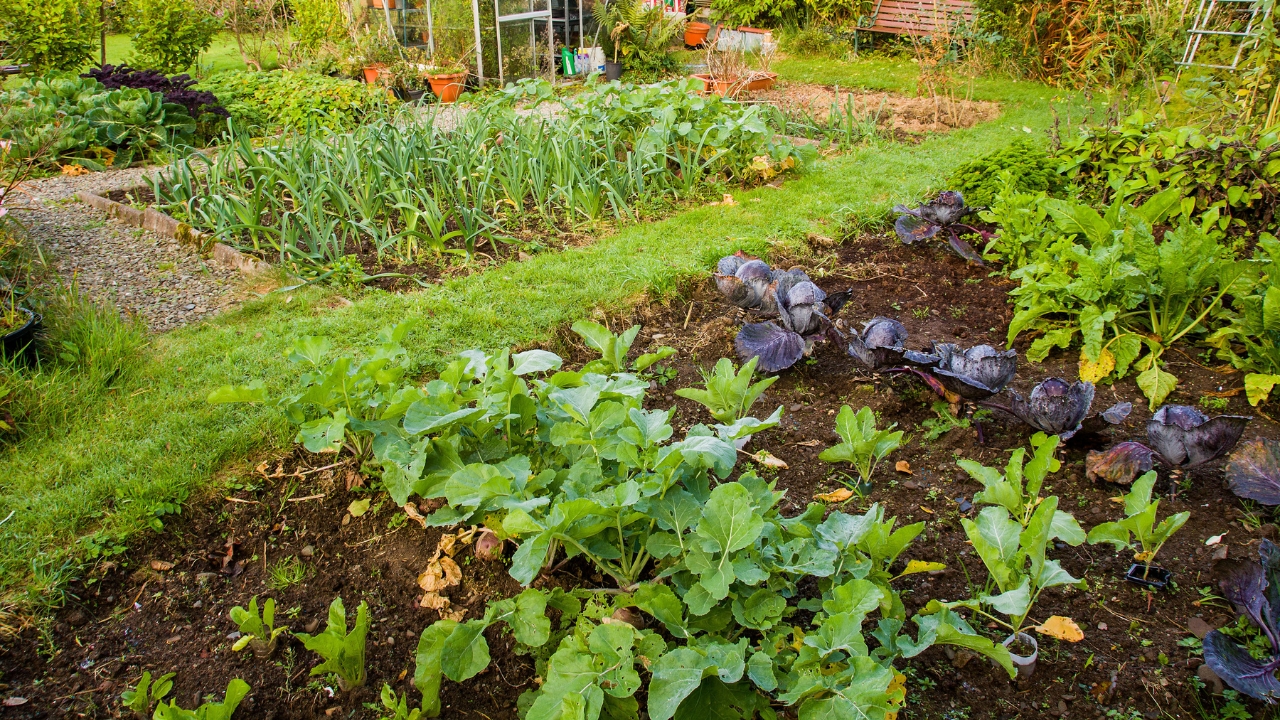
You’re going to see people online who seem like they have it all together—perfect barns, tidy gardens, daily harvests. Don’t let that mess with your head. Focus on your land, your family, and what works for you. Every homestead looks different, and that’s exactly how it should be.
*This article was developed with AI-powered tools and has been carefully reviewed by our editors.