9 Things In Your Backyard That Attract More Spiders Than Shade
Spiders aren’t hanging out in your backyard by accident. They’re there because they’ve found food, shelter, or the kind of moisture they like—and in most cases, we’re the ones making that possible.
While some spiders are helpful for pest control, too many of them can quickly turn your yard into a place you don’t want to walk barefoot. If it feels like you’re seeing webs everywhere this summer, here’s what might be drawing them in.
Overgrown Bushes and Shrubs

Spiders love thick, undisturbed greenery where they can hide and spin webs in peace. If your bushes are touching your house or fence, it’s even more appealing to them.
Trimming back shrubs regularly not only cuts down on webs, it also helps with airflow and keeps other bugs from moving in too. Clean, well-kept landscaping gives spiders fewer places to tuck away unnoticed.
Woodpiles and Yard Debris
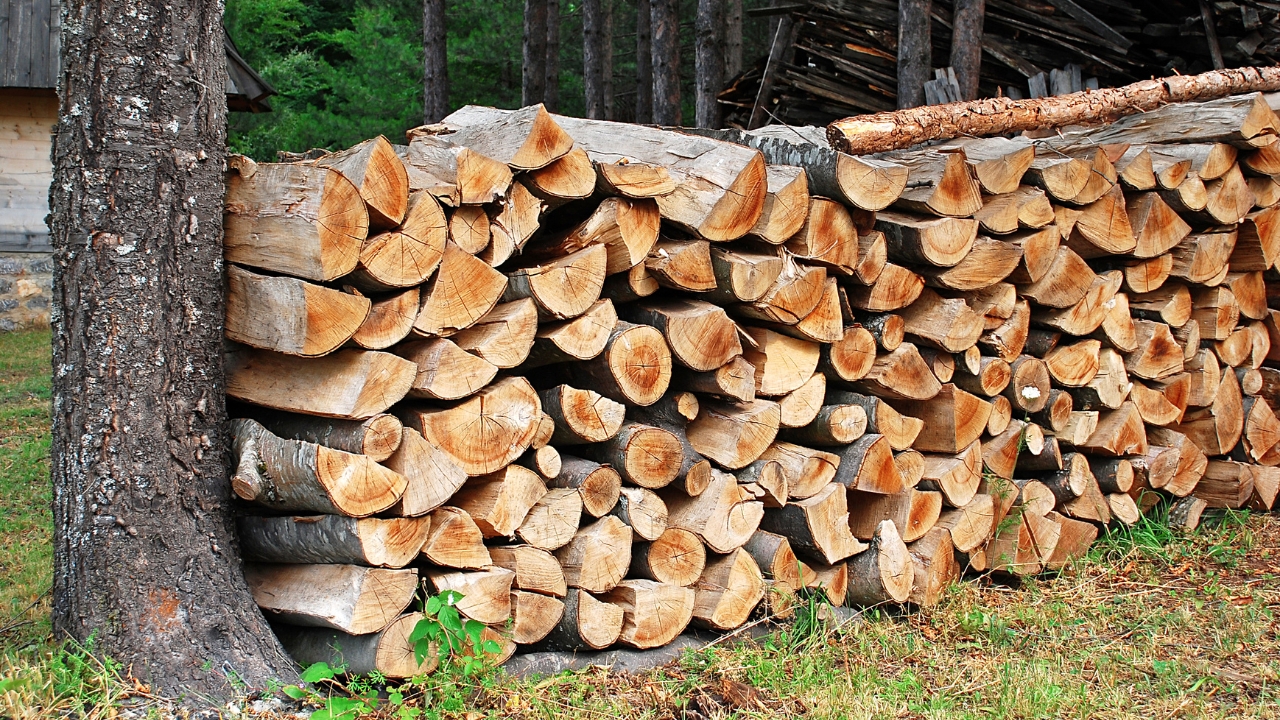
Stacks of firewood, branches, or even a forgotten pile of boards can turn into spider real estate in no time. These spots offer the dark, dry shelter that spiders are constantly searching for.
If you need to store firewood, stack it off the ground and keep it at least a few feet from the house. Better yet, get rid of any unnecessary debris before it becomes a hangout for webs and worse.
Outdoor Lighting That Draws In Bugs

Most spiders aren’t coming for the light—they’re coming for the bugs that are drawn to it. Porch lights and landscape lighting can create a buffet line right outside your door.
Switch to warm-colored bulbs, or use motion lights that don’t stay on all night. Less light means fewer flying bugs, which means fewer spiders looking for a snack.
Cluttered Play Equipment or Patio Furniture

Anything that sits still long enough outside can start attracting spiders. Playhouses, cushions, stacked chairs—if they’re not used or cleaned often, they’ll get webbed up.
Wipe things down regularly and move items around when possible. Spiders don’t like to settle where they’re being disturbed, so staying on top of the cleaning goes a long way.
Unsealed Cracks and Gaps Near the House
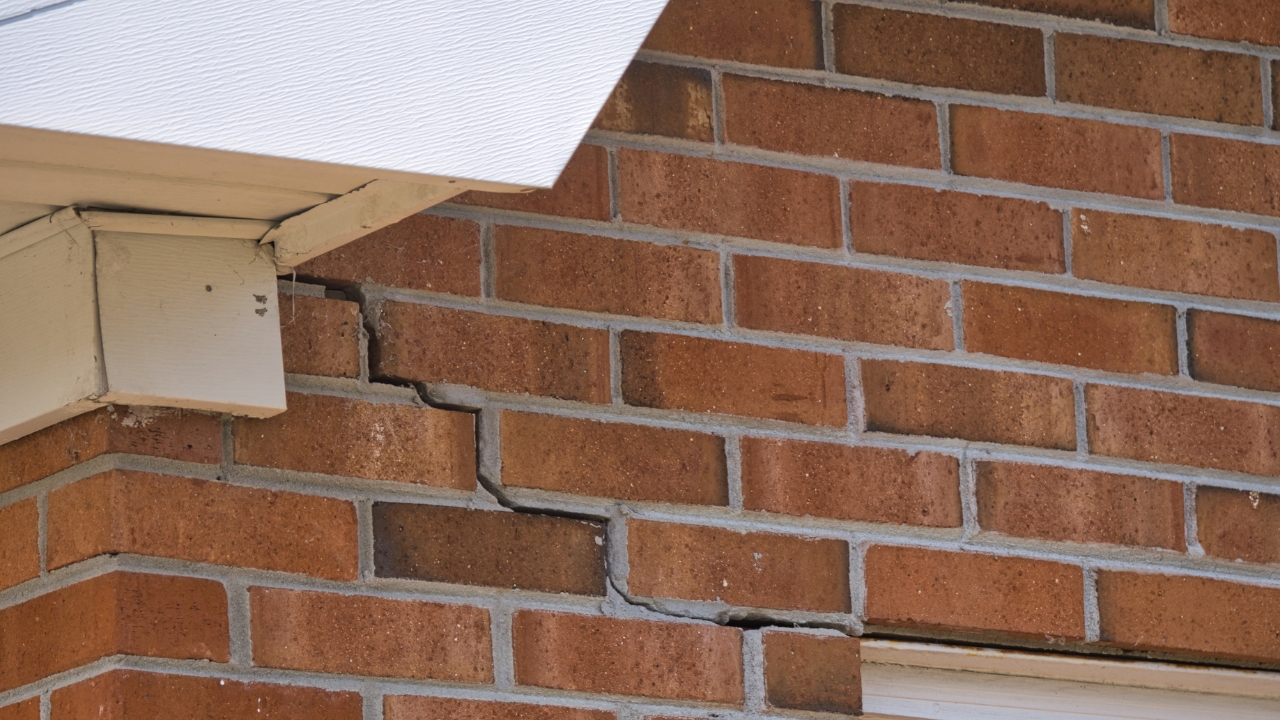
Spiders don’t always stay in the yard. If your patio, foundation, or siding has cracks or open spots, they’ll slip through and nest nearby. Then it’s only a matter of time before they’re inside.
Use weatherproof caulk or expandable foam to seal those small openings. It’ll help with pests across the board, not just spiders—and it might even make your home a little more energy-efficient.
Tall Grass and Untended Lawn Edges

Spiders like to hang out in tall grass because it’s full of bugs and rarely disturbed. If your lawn gets shaggy or the edges start creeping up, it makes it easy for them to move in.
Keep your grass mowed and edge along fences, patios, and sheds. The cleaner the cut, the fewer hiding spots. It also helps keep other creepy crawlies in check, which gives spiders less reason to stick around.
Unrinsed Trash and Recycling Bins
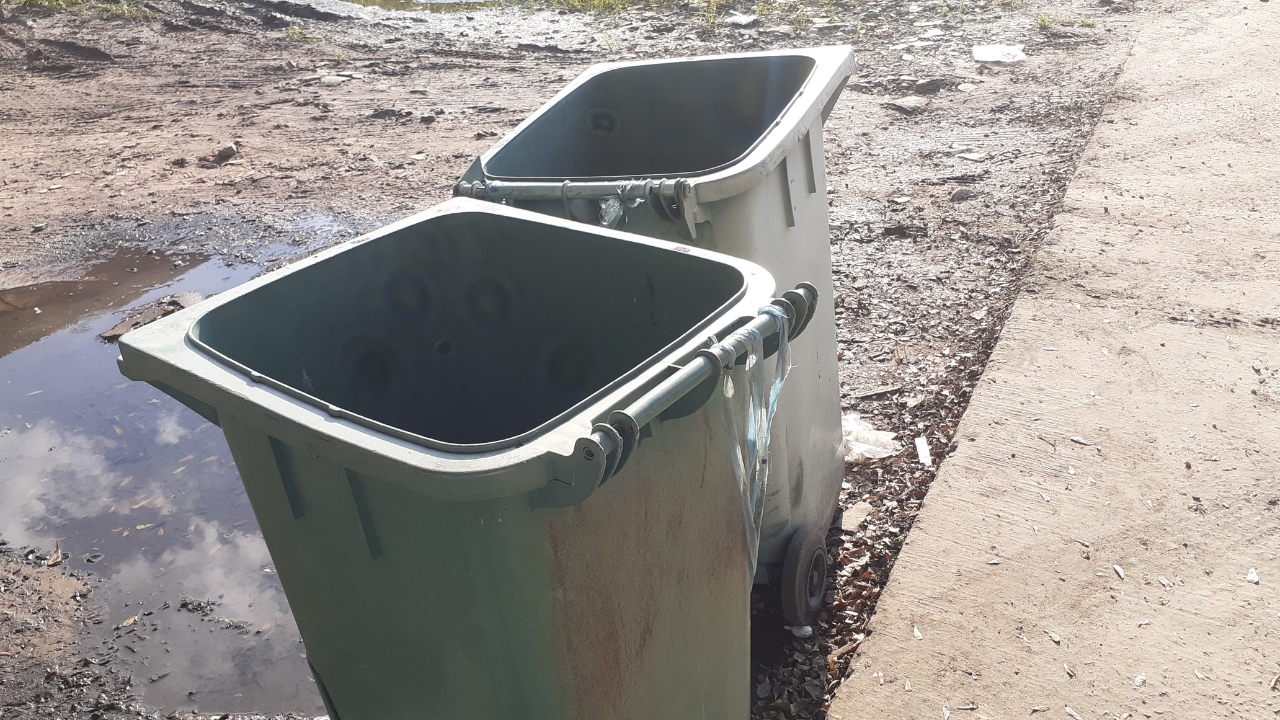
Sticky, sugary trash will bring in ants, flies, and other insects—exactly the kinds of meals spiders are looking for. Even your recycling bin can be a magnet if you don’t rinse things out first.
Give bins a quick rinse every couple of weeks, especially in the summer. Keep the lids shut tight, and don’t let them sit too close to windows or doorways if you can help it.
Potted Plants Sitting Right Against the House

Potted plants can trap moisture, grow webs underneath, and give spiders a great place to build—especially if they’re touching your siding or window ledges.
Pull pots a few inches away from your walls and check underneath them every so often. If you’re seeing webs, move the pot and clean it out. Spiders like corners, and a tight little space behind a planter is ideal.
Bug-Heavy Landscaping Features
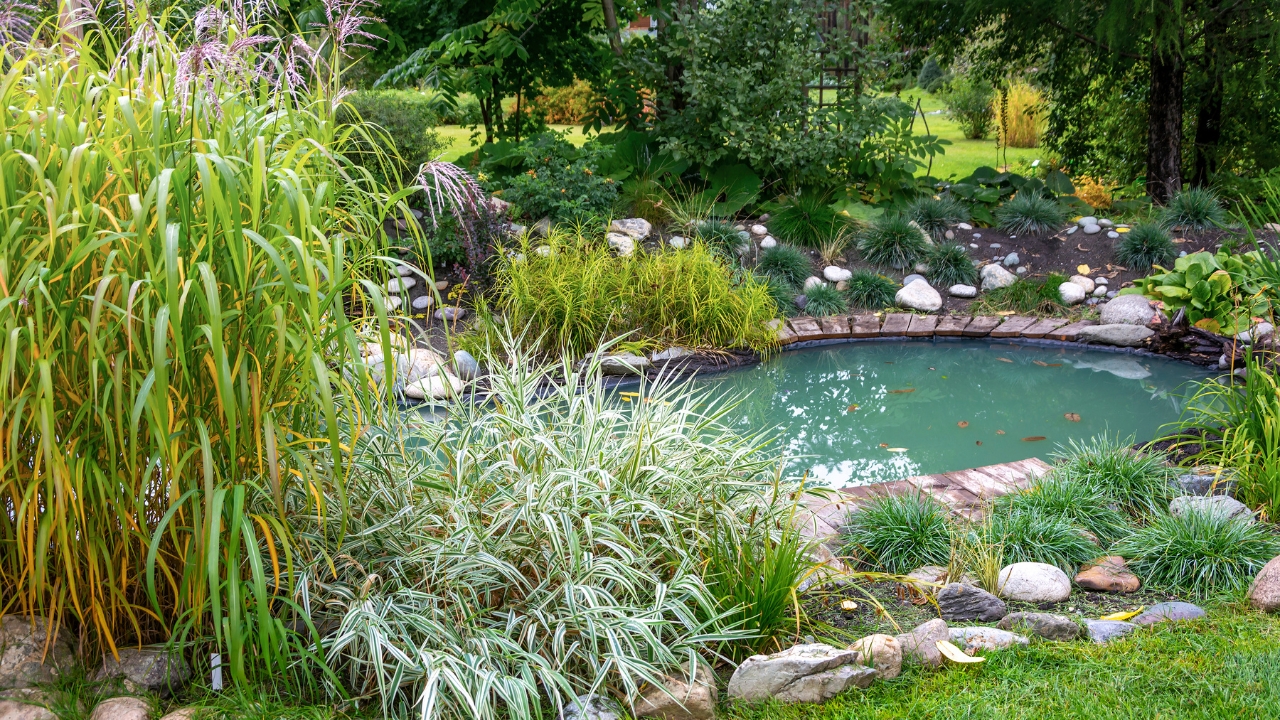
If your backyard has a pond, birdbath, or compost bin, chances are you’re attracting all sorts of insects. And where there are insects, there will be spiders right behind them.
That doesn’t mean you can’t have those features, but keep them clean. Stir compost often, dump birdbath water every few days, and make sure nothing gets too stagnant. You’ll cut down the whole food chain at once.
*This article was developed with AI-powered tools and has been carefully reviewed by our editors.