9 Things to Do Now for a Smoother Winter Season
Winter feels a lot more overwhelming when you’re reacting to problems instead of staying half a step ahead. A few small jobs in late fall can keep your house warmer, your bills lower, and your future self a lot less annoyed.
You don’t have to do all of these in one weekend. Work through them as you can, and you’ll feel the difference when that first real cold snap hits.
Clean gutters and downspouts before the first hard freeze

Clogged gutters don’t just look bad—they send water where it doesn’t belong. When that water freezes, it can cause ice buildup, leaks, and damage to fascia and siding. Before temperatures drop, clear out leaves, sticks, and grit from your gutters and downspouts.
Use a small scoop or gloved hands and hose everything through if it’s still warm enough. Make sure downspouts are directing water away from the foundation, not dumping it right at the base of your house. This one chore quietly prevents a lot of winter headaches.
Check weatherstripping and seal up obvious drafts

Drafts around doors and windows can make a house feel colder than it actually is, and your heater has to work harder to keep up. On a breezy day, walk around and feel for cold air leaking in around door frames, window edges, and outlets on exterior walls.
Replace cracked weatherstripping on doors, add foam outlet gaskets under covers on cold walls, and use simple caulk or removable rope caulk to fill small gaps around window trim. These are cheap fixes that you’ll notice immediately in certain rooms.
Protect outdoor faucets and prep pipes in vulnerable spots
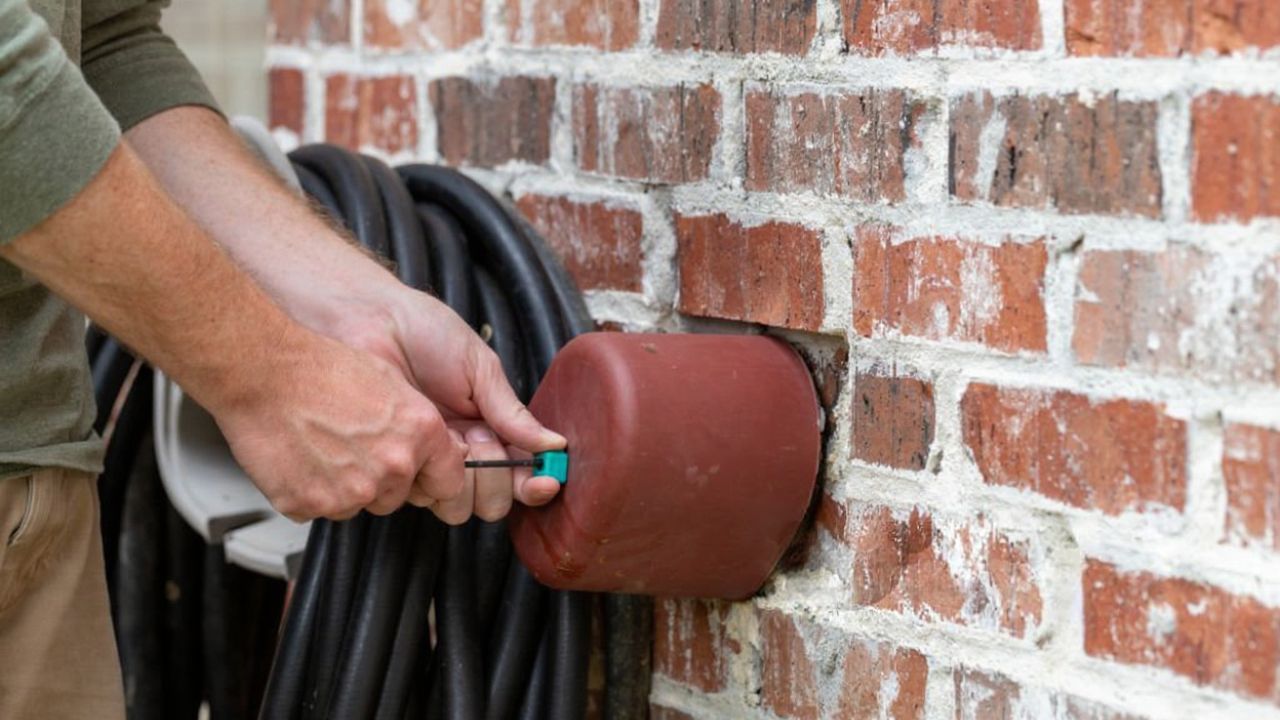
Frozen pipes are expensive. Before deep cold hits, disconnect hoses from outdoor faucets, drain them, and store them away. Add foam faucet covers or wrap exposed spigots with insulation and tape.
Inside, pay attention to pipes that run along exterior walls—under sinks, in basements, or in crawl spaces. If they’re bare, consider adding pipe insulation sleeves. Knowing where your main shutoff valve is and making sure everyone knows how to reach it is also one of those “hope you never need it but you’ll be glad you know” things.
Set up a simple boot and coat zone near the door

Mud, slush, and wet coats make your whole house feel messy fast. You don’t need a full built-in mudroom; you just need a designated landing zone. Put a boot tray or washable rug by the door you use most, hooks for coats at kid height if you can, and a basket for hats and gloves.
Having a clear spot for those things keeps them from migrating across the house. It also saves your floors and helps you get out the door faster on hectic mornings because you’re not hunting for mismatched gloves.
Stock up on basic winter supplies before everyone else does
When the forecast turns ugly, everyone runs to the store at once. Instead of doing that, quietly gather the basics ahead of time: ice melt or sand, a working snow shovel (if you need one where you live), windshield washer fluid rated for low temps, and extra scraper/brushes for the car.
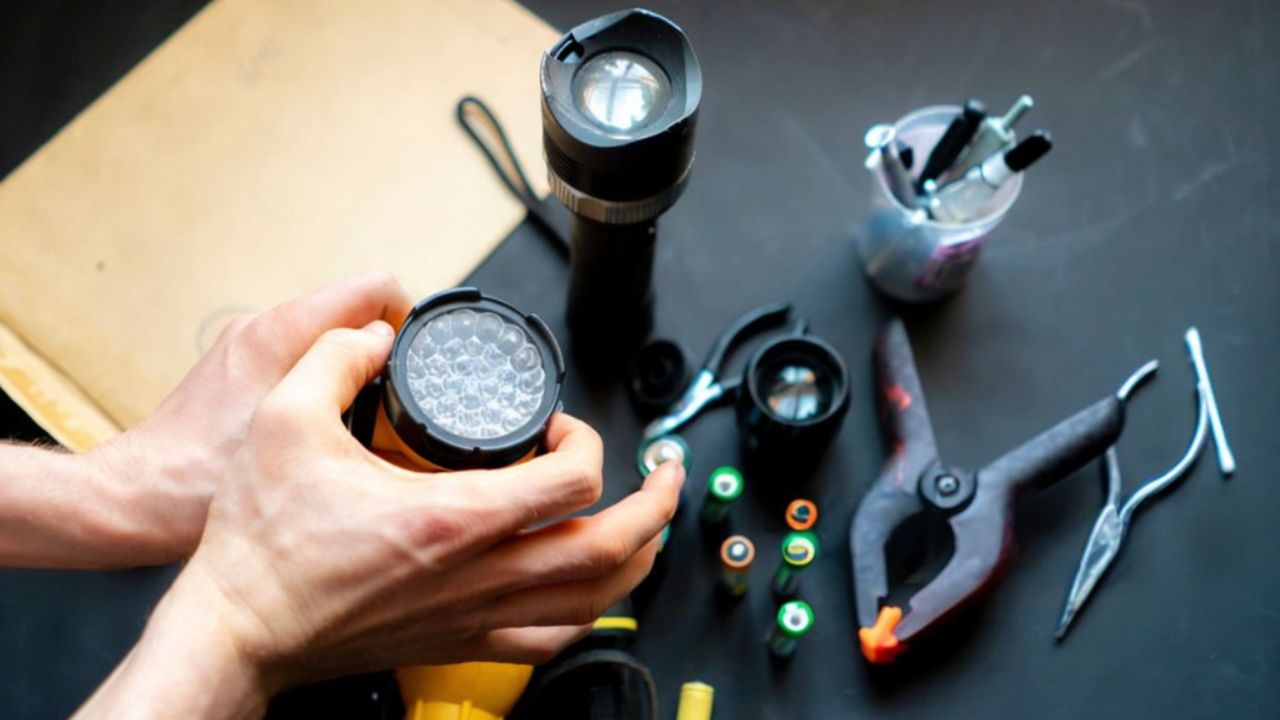
Inside, make sure you have extra batteries, a flashlight in a known spot, and a few pantry meals that don’t require much cooking. You’re not prepping for a disaster, just making it so a winter storm is an inconvenience instead of a scramble.
Have your heating system and filters checked
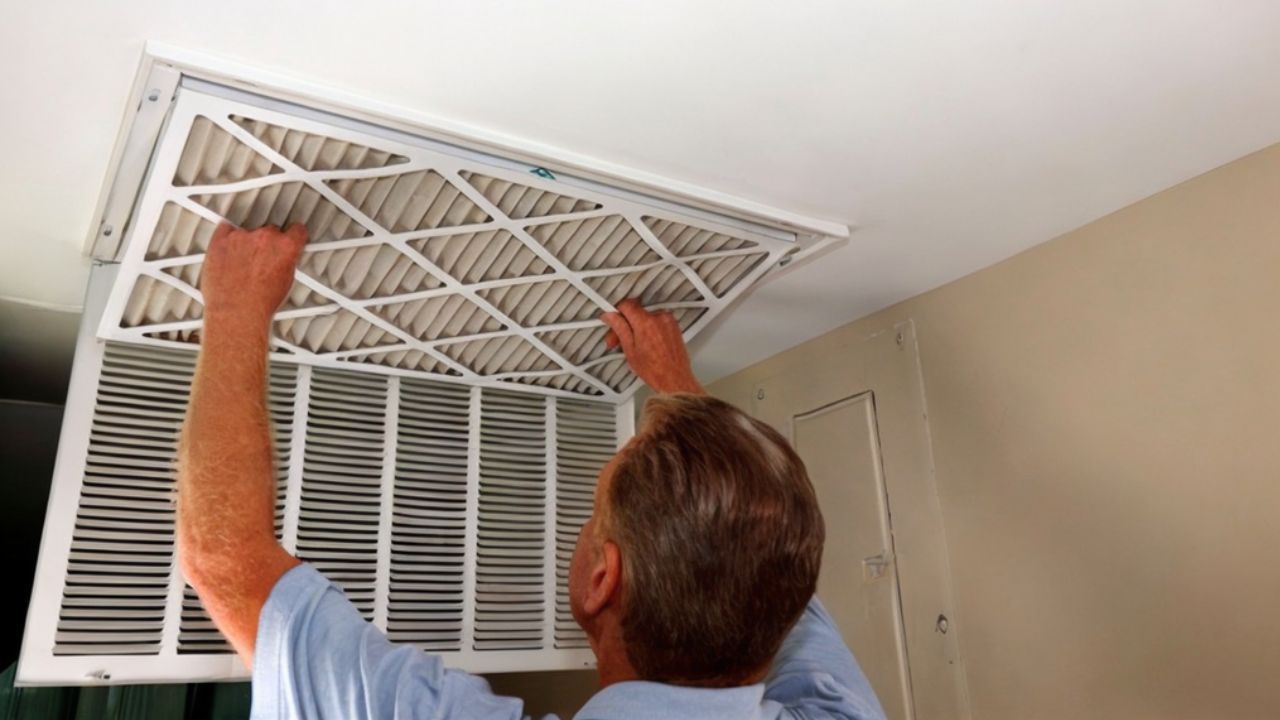
If you can swing it, a quick heating system checkup before it works nonstop all winter is worth it. At the very least, change or clean your filters so the system isn’t fighting past dust and grime.
A dirty filter makes your furnace work harder, which raises bills and makes breakdowns more likely. Set a reminder on your phone to check filters monthly during heavy-use months. It’s one of those boring little things that actually makes the house feel more comfortable.
Prep a few easy freezer meals for “too cold to function” nights
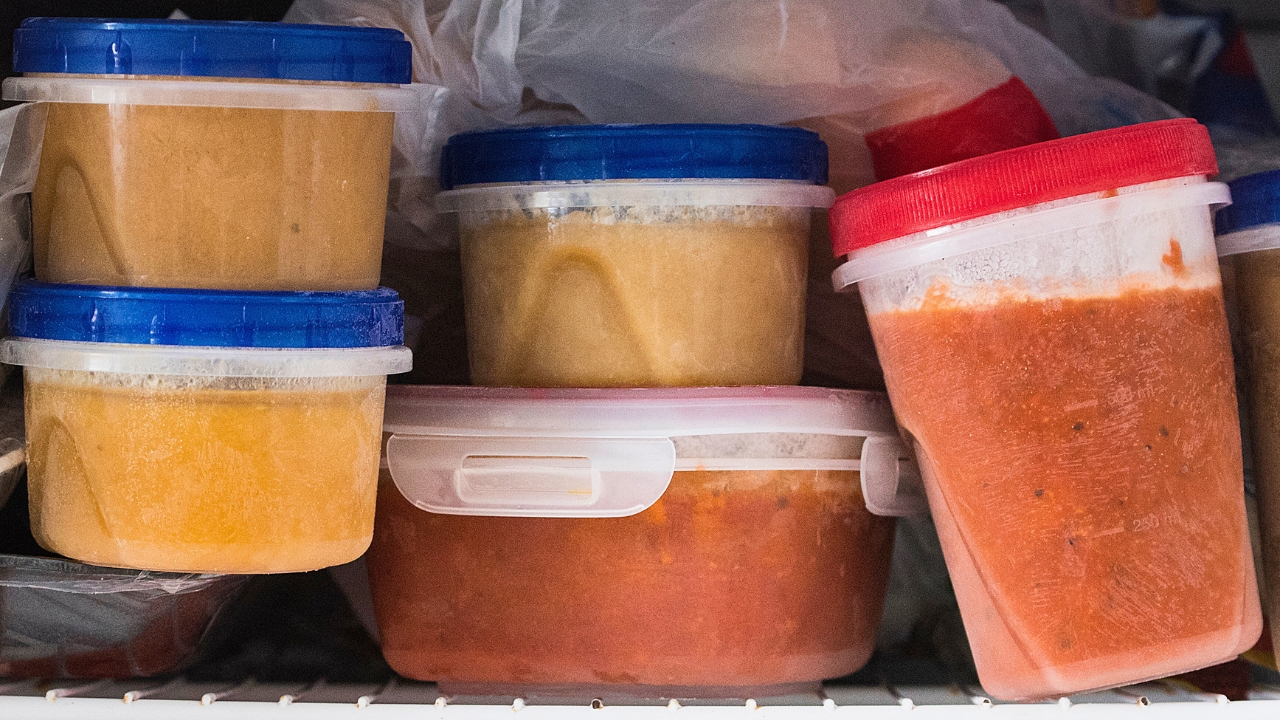
Winter evenings hit different. After a long, cold day, the last thing you want is to start dinner from scratch. Take one weekend to prep a few low-effort freezer meals: chili, soup, baked ziti, shredded BBQ chicken, or taco meat.
Label them clearly with what’s inside and how to reheat. On the nights when you’d usually talk yourself into takeout, a thaw-and-heat meal saves money and mental energy. Future you will be very grateful.
Do a quick check of smoke and carbon monoxide detectors
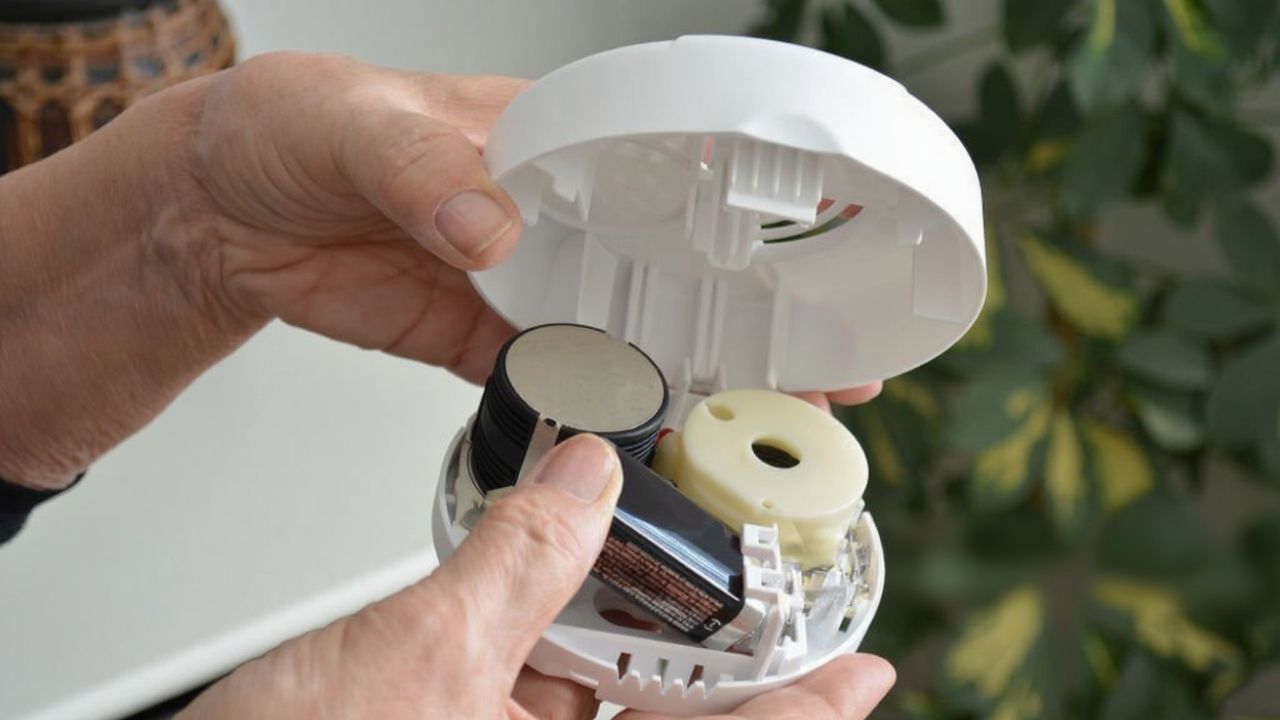
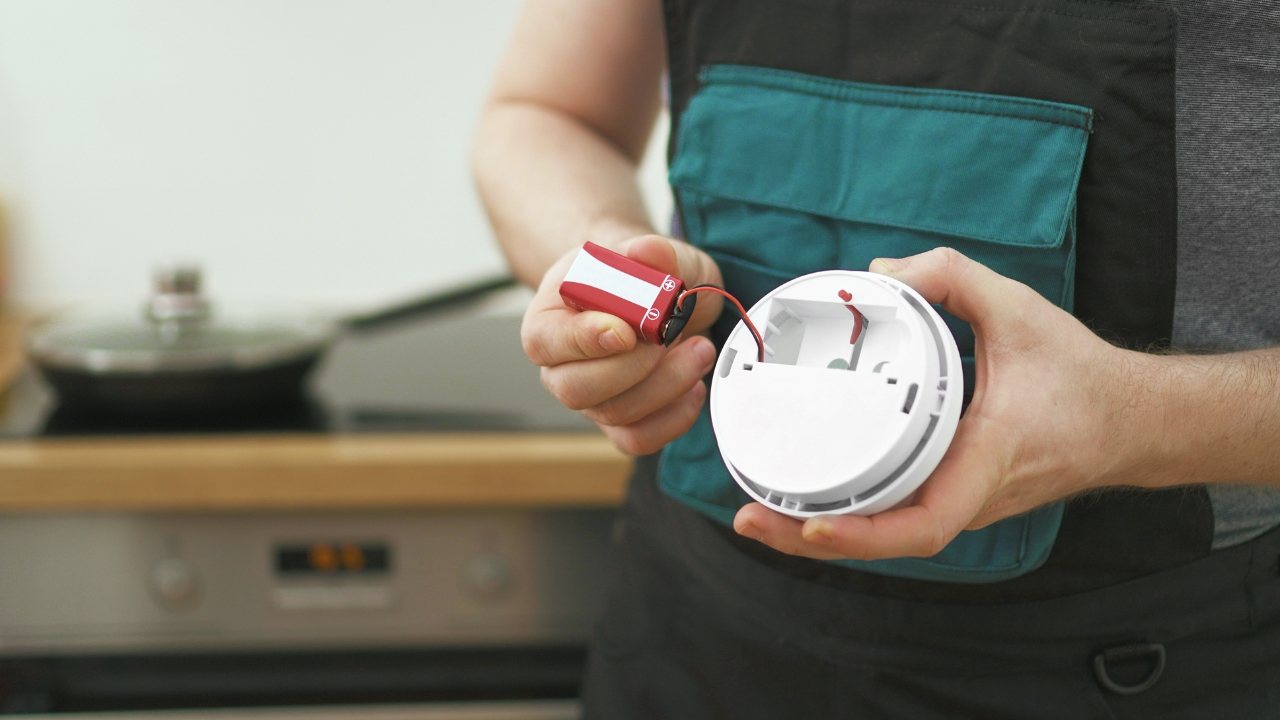
When the house is closed up tight and heaters are running, it’s extra important to know your detectors are working. Press the test button on every smoke and carbon monoxide detector and swap batteries if you’re not sure how old they are.
If you don’t have a CO detector near sleeping areas and fuel-burning appliances, this is the time to add one. It’s not dramatic to say it matters—it does. This is a five-minute job that can literally save lives.
Give your car a basic winter once-over
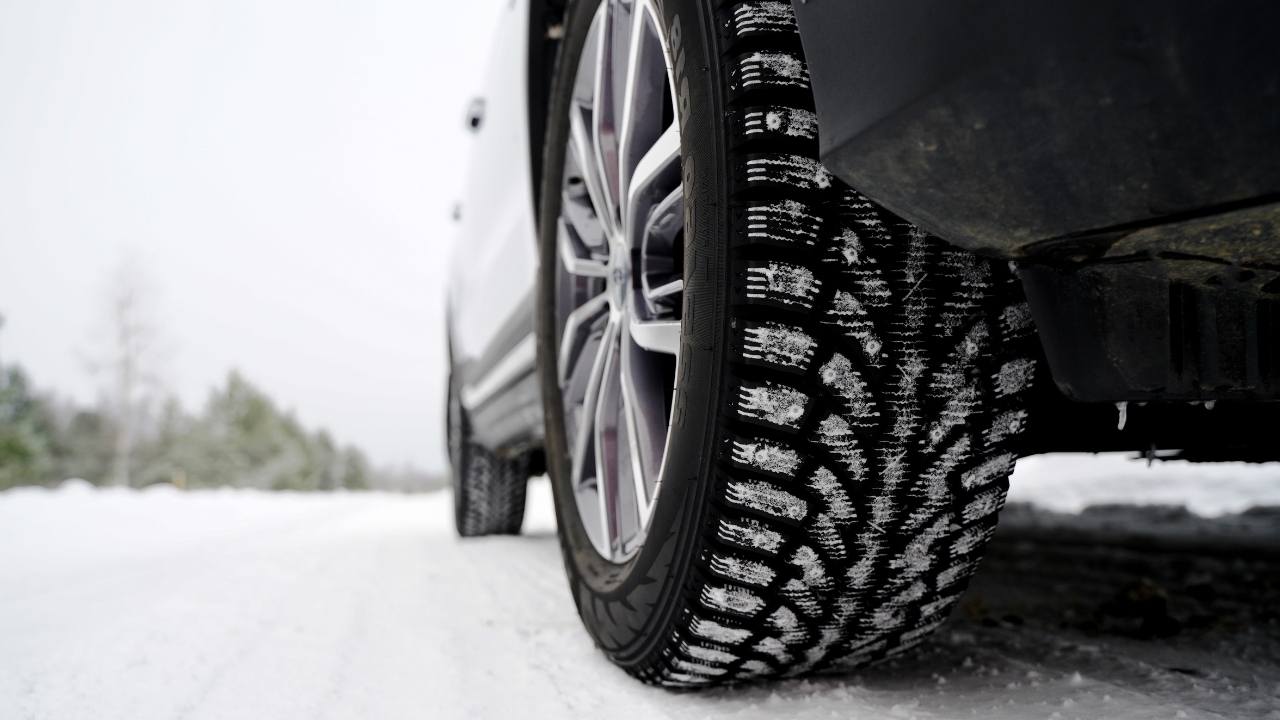
Even if you don’t live in deep snow country, winter is harder on vehicles. Check tire tread, washer fluid, and wiper blades. Keep a small car kit: blanket, flashlight, phone charger, gloves, and a small snack like granola bars.
If you do see snow and ice where you live, add a bag of kitty litter or sand for traction and make sure your scraper and brush are in the car—not buried somewhere in the garage. None of this has to be Instagram-worthy; it just makes those cold, dark mornings a little less miserable.
Like Fix It Homestead’s content? Be sure to follow us.
- I made Joanna Gaines’s Friendsgiving casserole and here is what I would keep
- Pump Shotguns That Jam the Moment You Actually Need Them
- The First 5 Things Guests Notice About Your Living Room at Christmas
- What Caliber Works Best for Groundhogs, Armadillos, and Other Digging Pests?
- Rifles worth keeping by the back door on any rural property
*This article was developed with AI-powered tools and has been carefully reviewed by our editors.