9 Things You Can Do Today to Keep Spiders Out of the House
Spiders might help outdoors, but once they show up inside, it’s a different story. Most homes offer everything a spider needs—quiet corners, steady temperatures, and a buffet of smaller bugs. But there are a few easy steps you can take to make your house less appealing.
These don’t take a full weekend, either. If you want fewer creepy-crawlies this season, here are nine things you can do today to help keep spiders outside where they belong.
Seal Up Gaps and Cracks

Spiders don’t need a wide opening to get inside. Tiny cracks around windows, doors, or baseboards are more than enough. Grab some caulk or weatherstripping and seal those spots up before they become a problem.
Check around utility openings too—like where your dryer vent or plumbing lines come in. You’ll not only block spiders, but you’ll also keep out other pests that might attract them. A sealed home is a spider’s worst nightmare.
Knock Down Webs Inside and Out
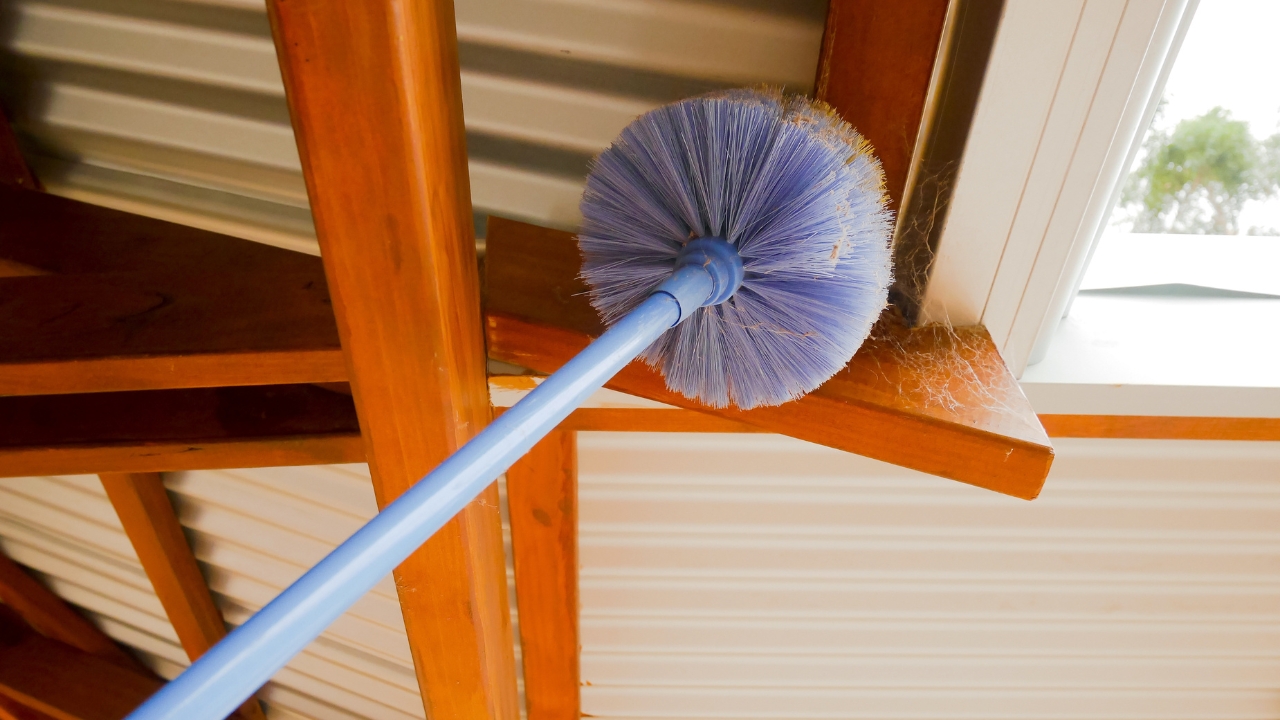
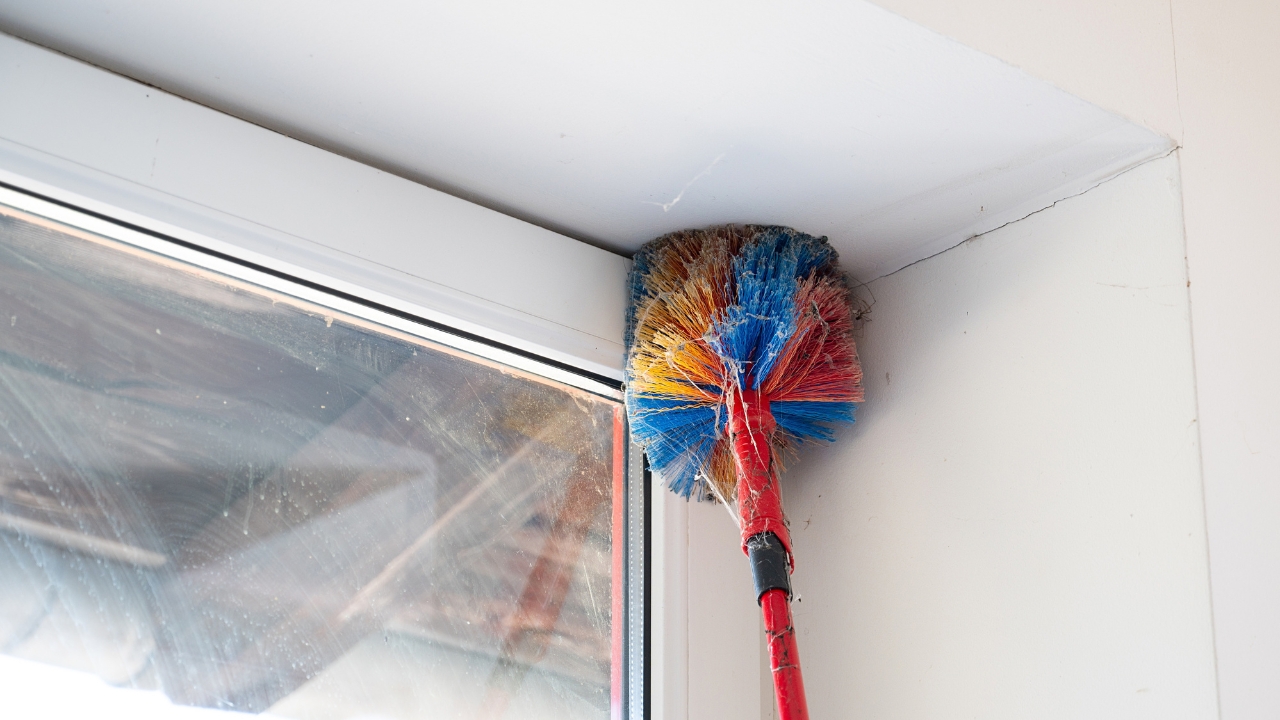
If you let webs hang around, you’re basically telling spiders they’re welcome to stay. Grab a broom or vacuum and knock them down wherever you see them—corners, ceilings, eaves, porches, garage walls.
Outside is just as important. Get rid of webs around doorframes and under the eaves. When spiders lose their web real estate, they’ll either rebuild somewhere less annoying or leave altogether.
Vacuum the Corners and Baseboards
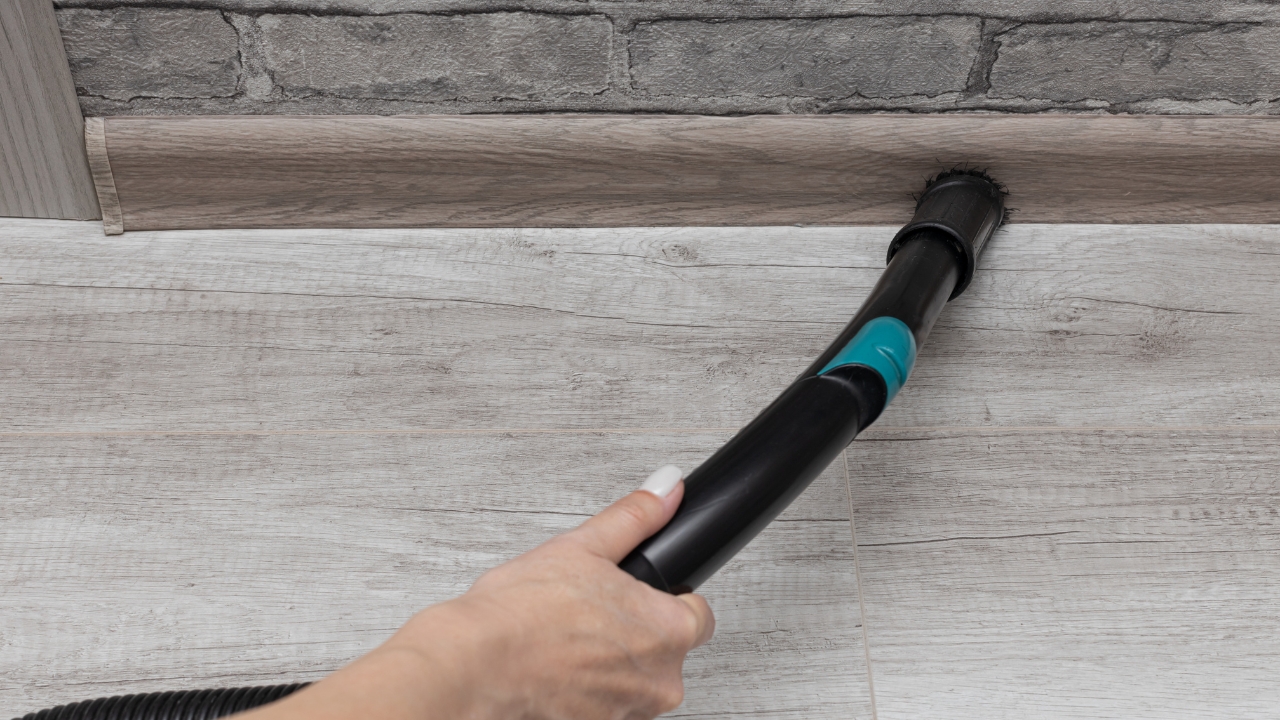
Spiders love undisturbed areas, especially along the edges of floors and behind furniture. Running a vacuum through those spots regularly can help clear out webs, egg sacs, and the tiny bugs they feed on.
Make it part of your routine—especially in rooms you don’t use every day. The cleaner and less cluttered those areas are, the less likely spiders will move in.
Use Yellow Light Bulbs Outside
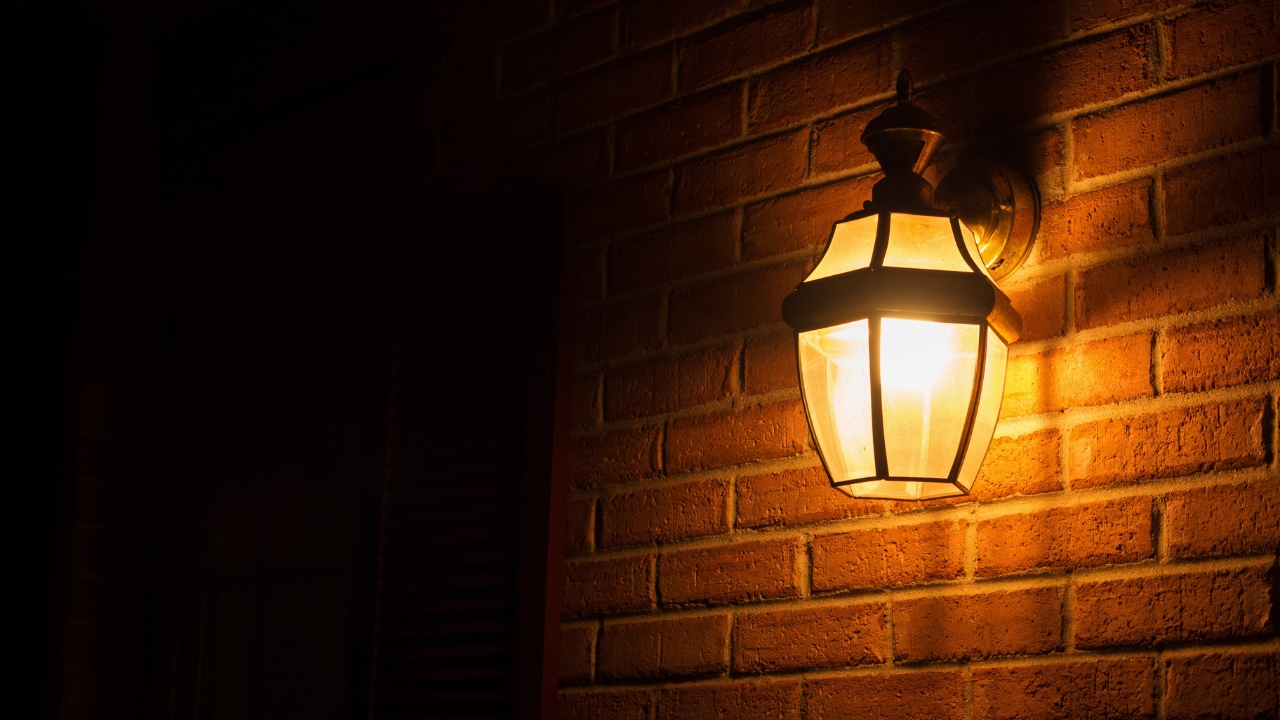
Standard white lights attract flying insects, and that draws in hungry spiders. Swapping your porch and flood lights for yellow “bug lights” can help cut down the buffet.
Fewer bugs outside means spiders are less tempted to build webs near your doors. That makes a big difference in what eventually sneaks in when you open up to let the dog out.
Keep Firewood and Debris Away from the House

Stacks of firewood, yard clippings, or even an old tarp are prime spider real estate. If you’ve got any of that right up against your house, it’s worth moving it further out.
Spiders don’t usually travel far once they’re comfy. So keeping these cluttered, dark hiding spots away from your exterior walls can go a long way toward keeping spiders from creeping indoors.
Fix Screens and Door Sweeps
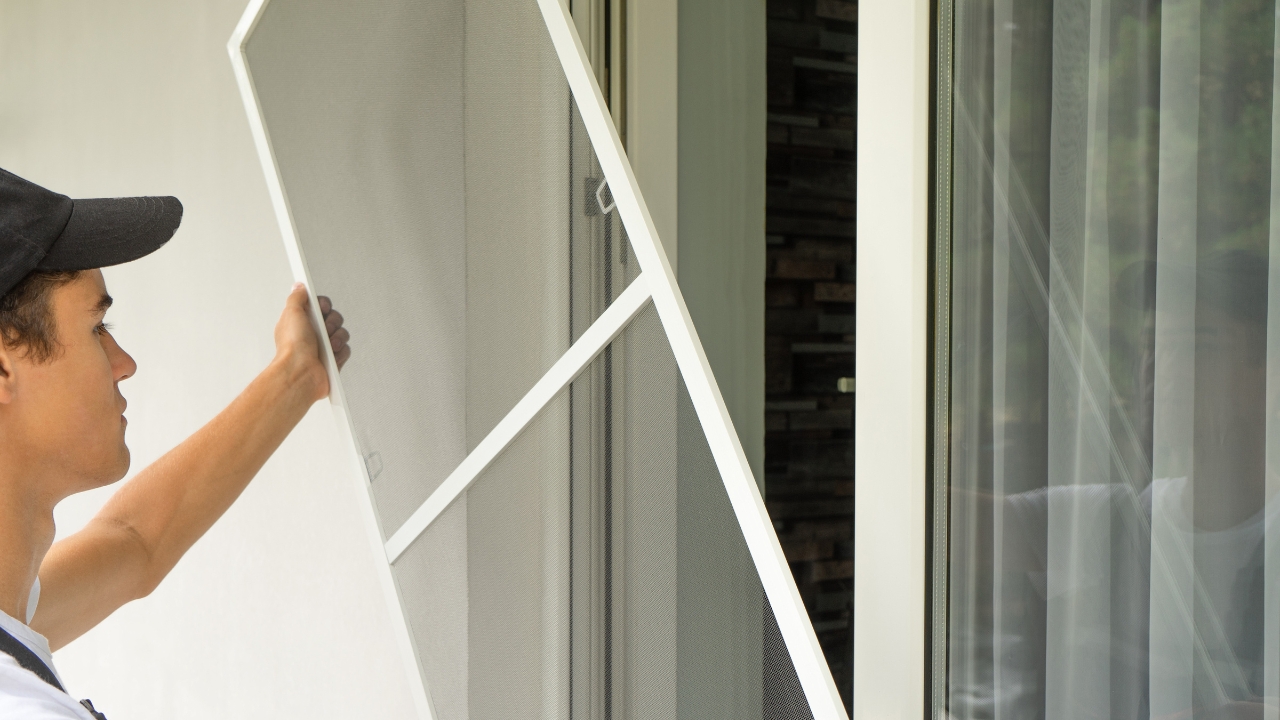
A torn window screen or a worn-out door sweep is basically an open invitation. Take a walk around your house and make sure your screens are tight and in good shape.
While you’re at it, check for gaps under exterior doors. Even a small opening is enough for a spider to squeeze through. A tight seal makes it harder for anything to sneak in unnoticed.
Limit the Indoor Bug Supply
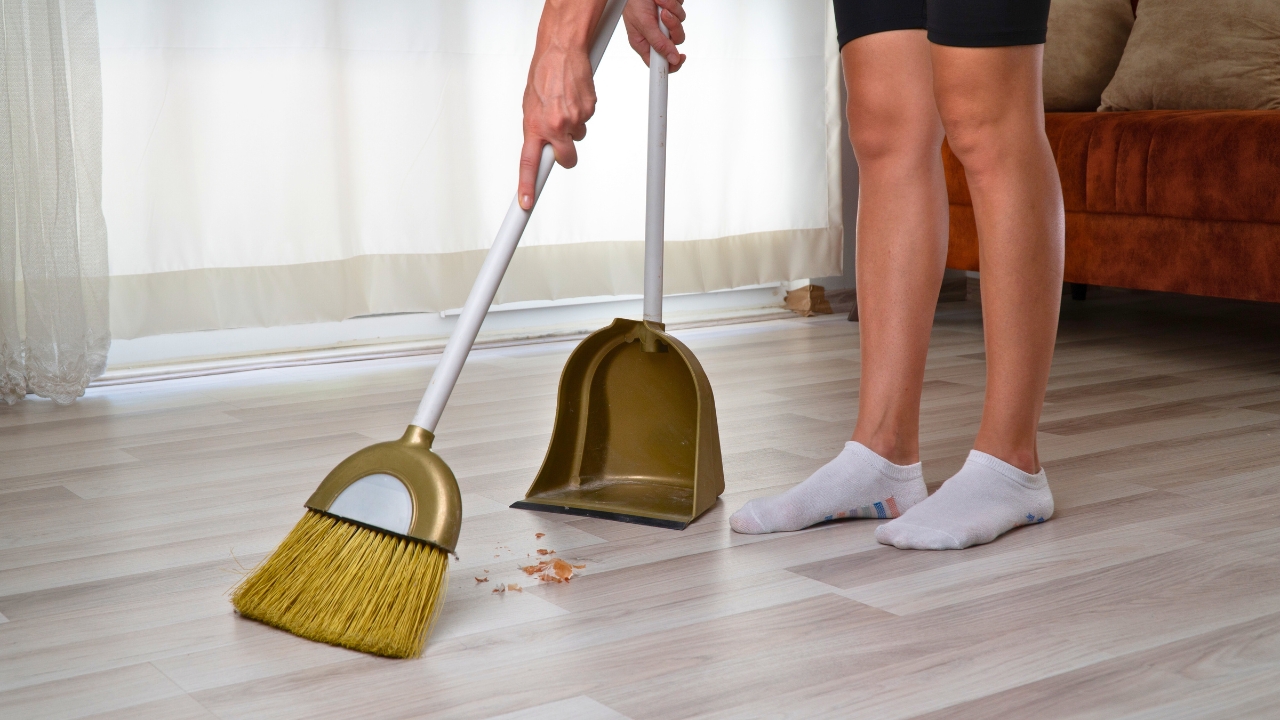
Spiders go where the food is. If you’re seeing more of them, it usually means you’ve also got other bugs sneaking around. That could be ants, flies, or even pantry moths.
Clean up crumbs, wipe down counters, and don’t leave food sitting out. The fewer bugs you have inside, the less reason spiders have to stick around.
Use Vinegar or Peppermint Oil Along Baseboards
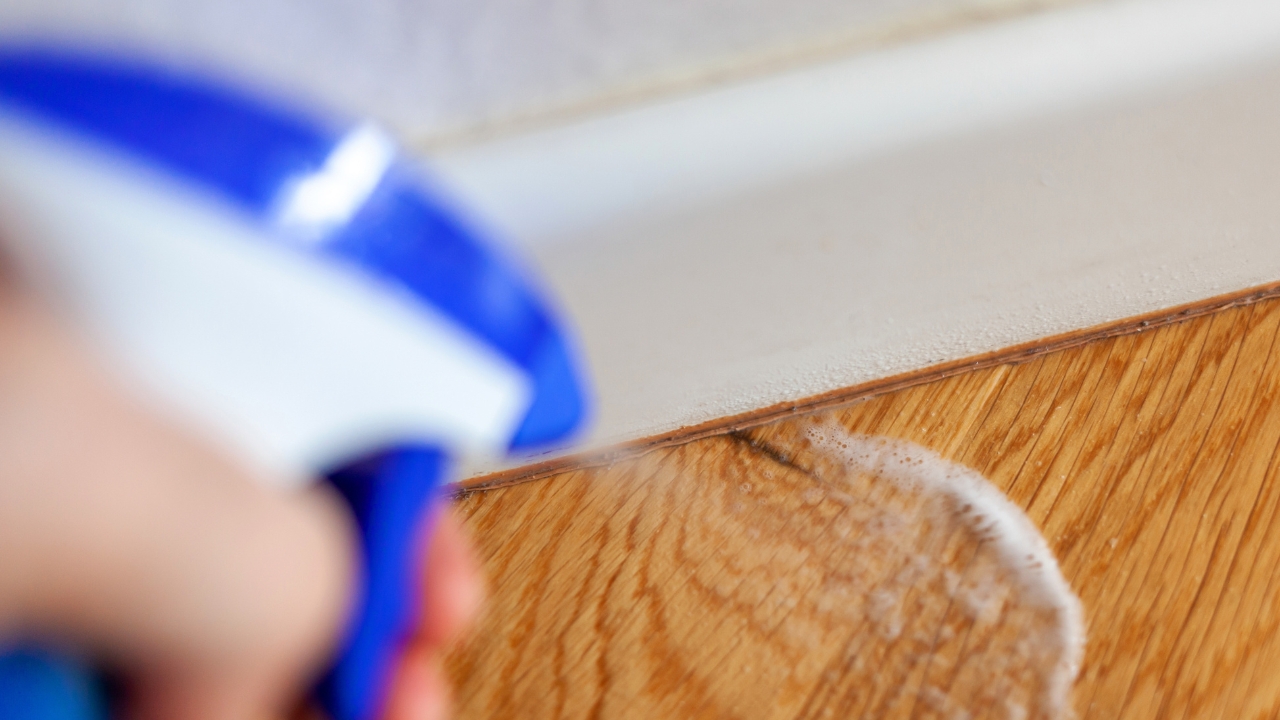
Spiders don’t like strong smells, and vinegar or peppermint oil can help nudge them away. Spray a mix of water and either vinegar or essential oil around doors, baseboards, and corners.
It won’t kill anything, but it can help steer spiders away from certain areas. Reapply every few days if you’re seeing activity. It’s not foolproof, but it can be part of your broader strategy.
Turn Off Outdoor Lights When You Don’t Need Them
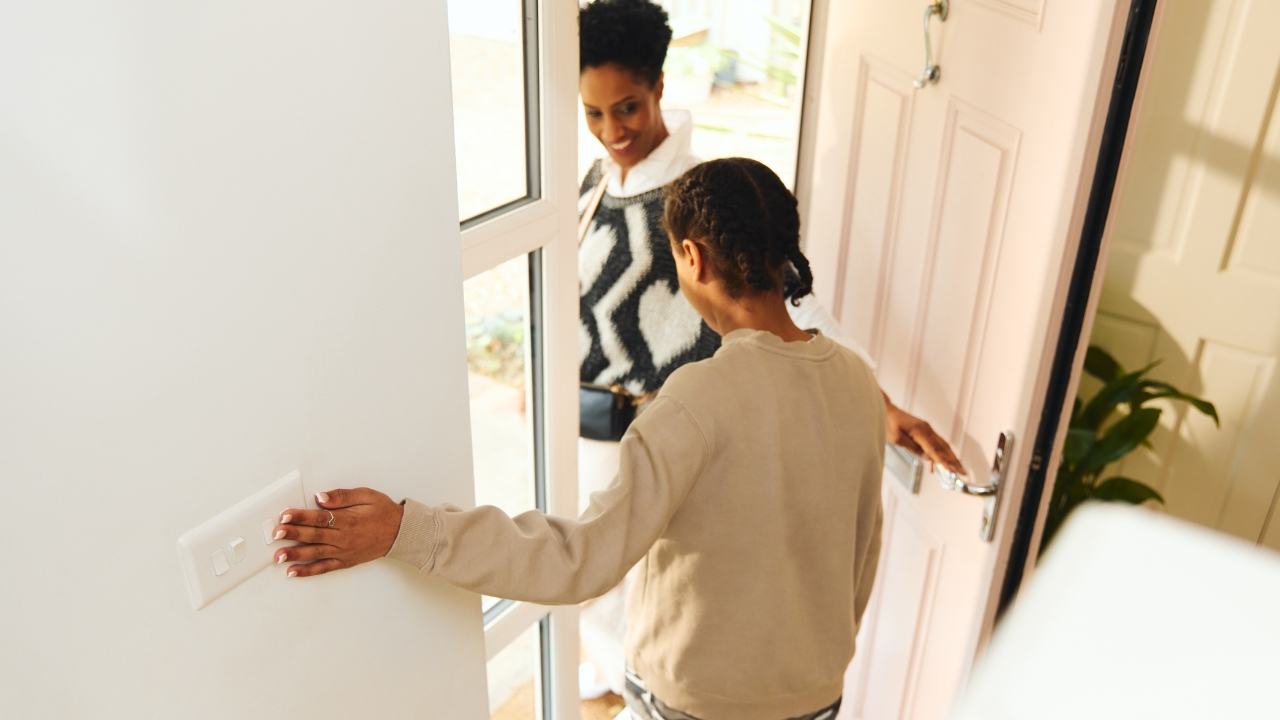
Leaving porch lights or yard lights on all night pulls in flying bugs. And when those bugs show up, spiders aren’t far behind.
If you’re not outside, flip the switch. Motion sensor lights are a good compromise—they keep things lit when needed but don’t act like a 24/7 insect beacon. Less light, fewer bugs, less spider traffic.
*This article was developed with AI-powered tools and has been carefully reviewed by our editors.