9 Things You’ll Wish You’d Wired for Sooner
Running wire after the fact is a pain—especially once walls are closed up or conduit’s buried. It’s one of those things that seems small in the moment but costs you time and money later if you skip it. If you’re wiring a house, barn, or shop, these are the things I’d make sure to do the first time.
Outdoor Outlets on Every Side
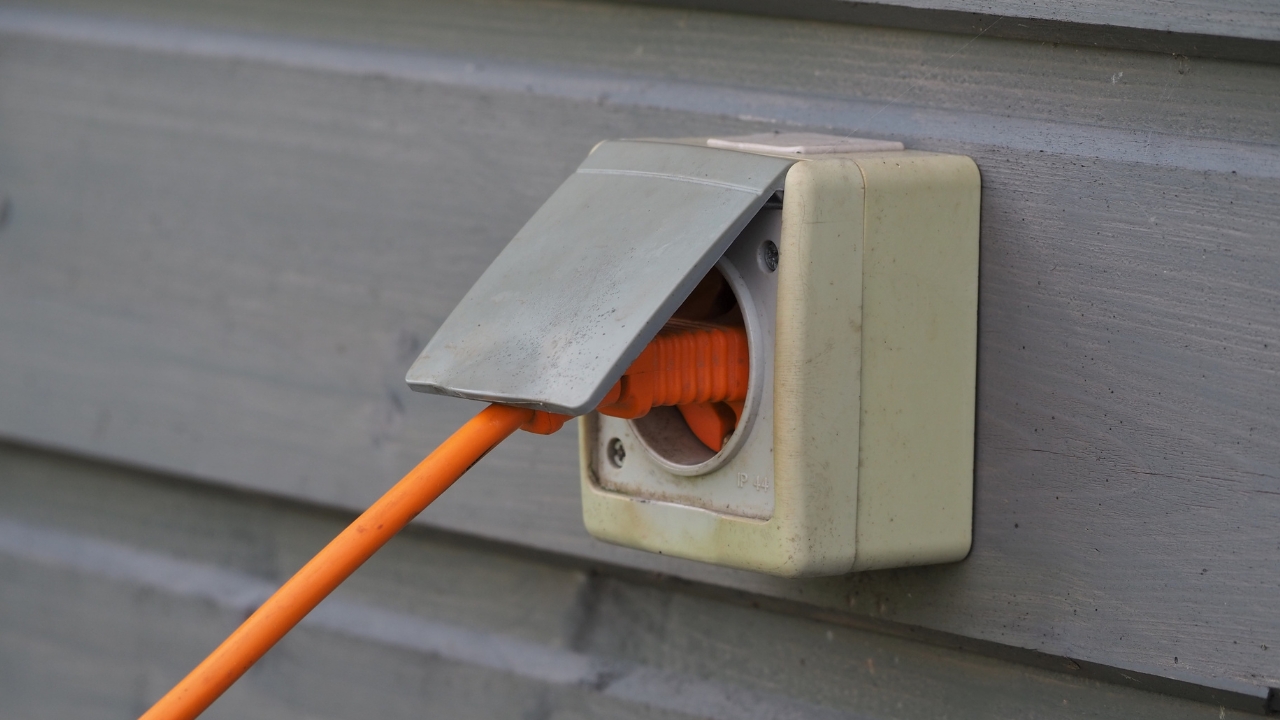
It’s a pain dragging an extension cord from one side of the house to the other.
Install outdoor outlets on every wall. It makes mowing, Christmas lights, and outdoor projects way easier.
Extra Receptacles in the Kitchen

You’ll always have more appliances than you think.
Put outlets above every prep area and near pantry shelving. You’ll thank yourself the first time you use three crockpots at once.
Wiring for a Generator Transfer Switch
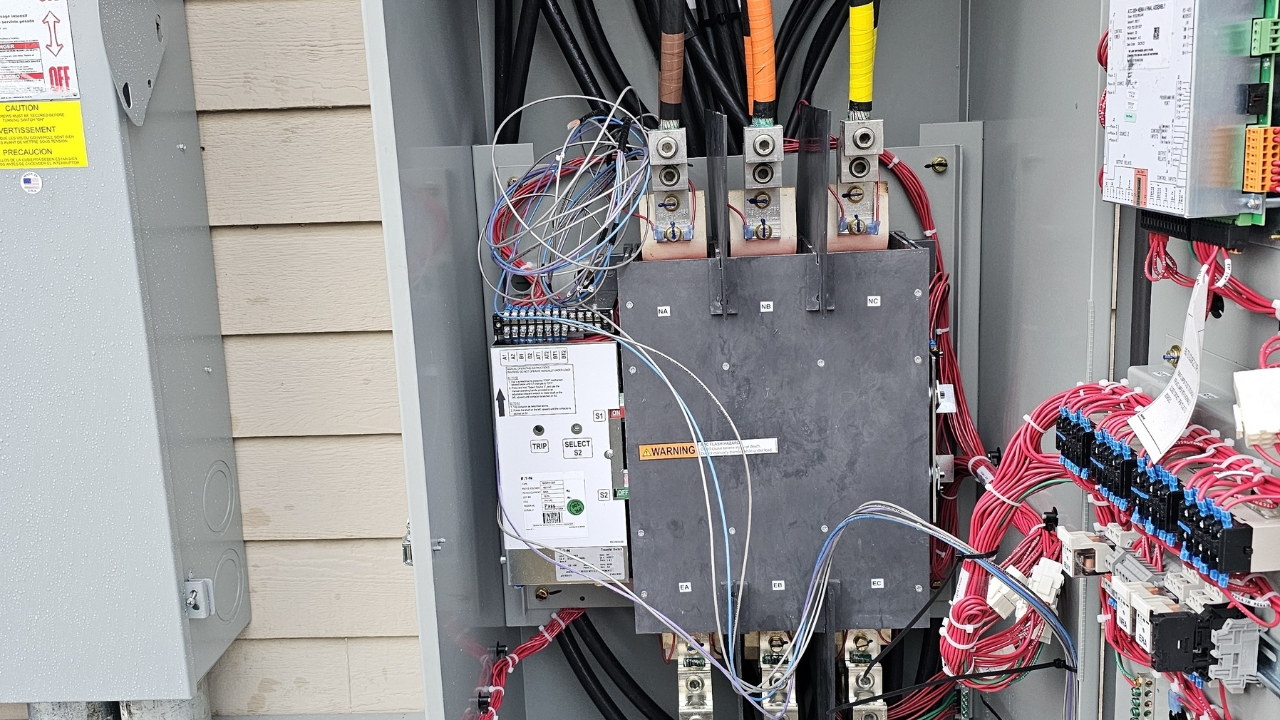
Even if you don’t own a generator yet, wire for the transfer switch now.
It’s one of the best things we did. When the power goes out, we’re back up and running in minutes—no extension cords or sketchy workarounds.
Ceiling Fan Wiring in Every Room
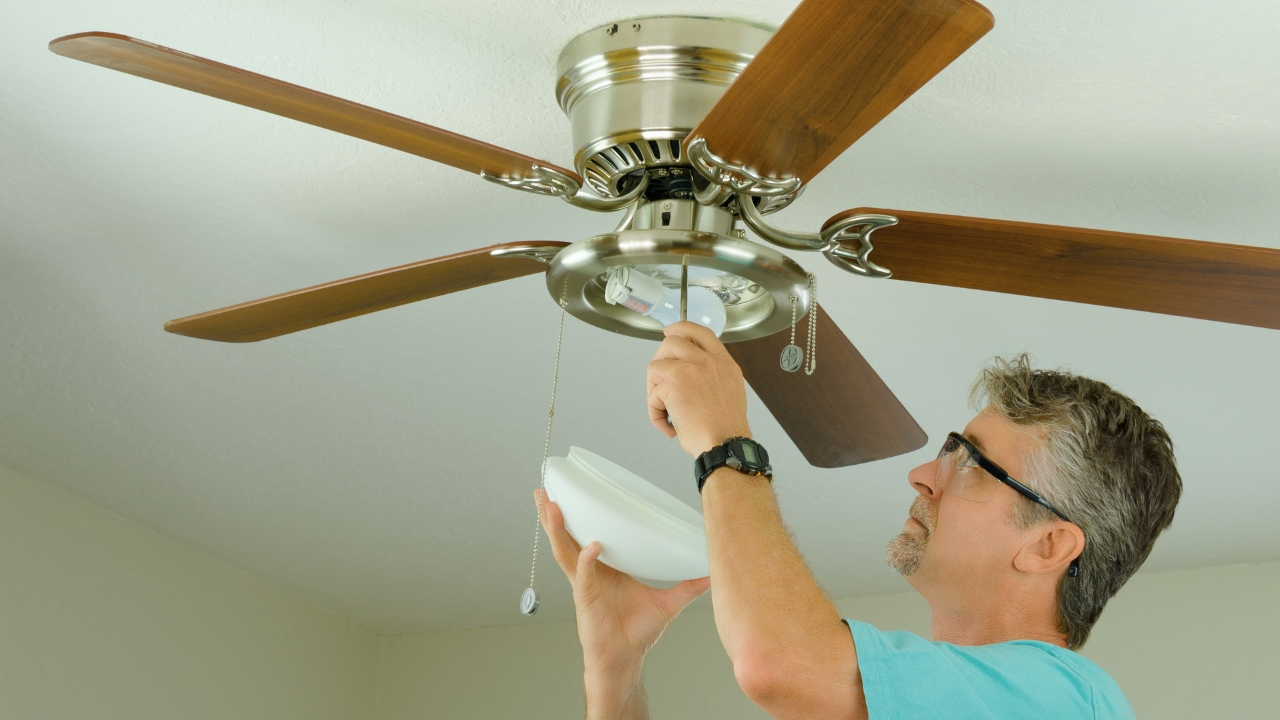
Even if you don’t plan to install them all right away, run the wire.
You’ll want fans eventually—especially in the bedrooms—and this keeps you from having to rewire or open the ceiling later.
Outlet in the Pantry or Utility Room
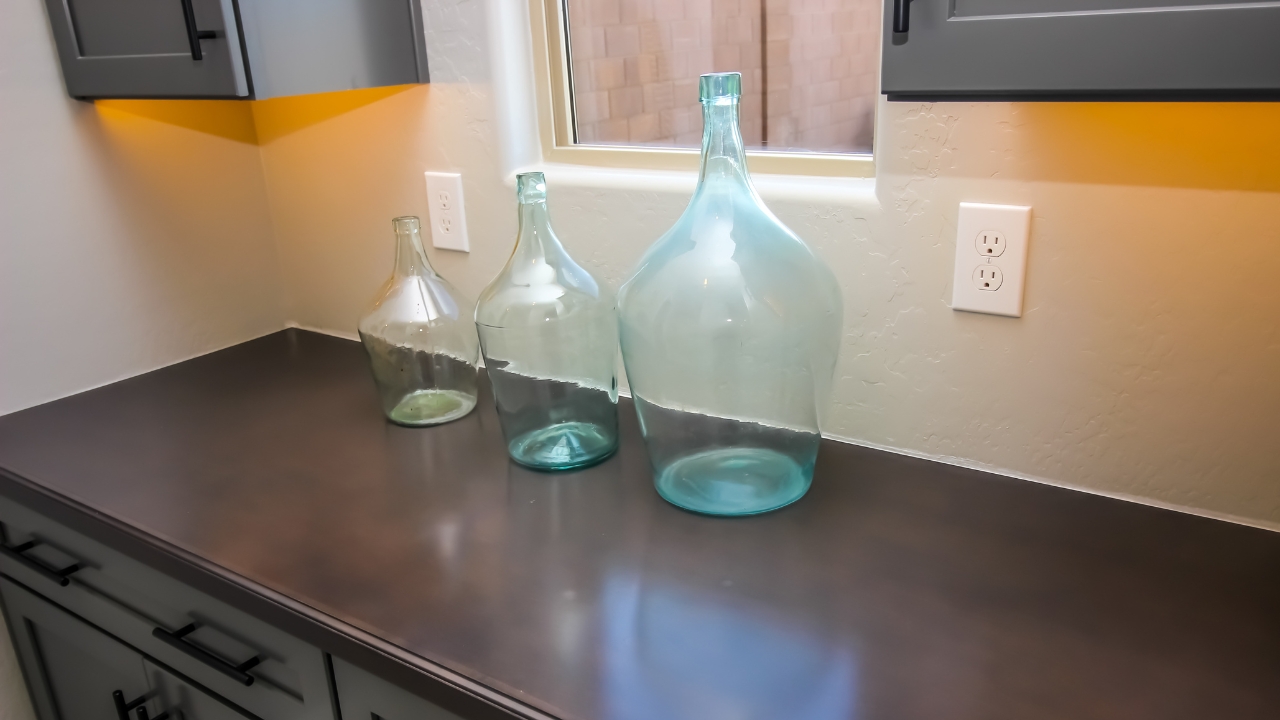
There’s always something—vacuum charger, mini freezer, tool battery, you name it.
We added one in the pantry and another in the utility room and use them constantly.
Outdoor Floodlight Wiring
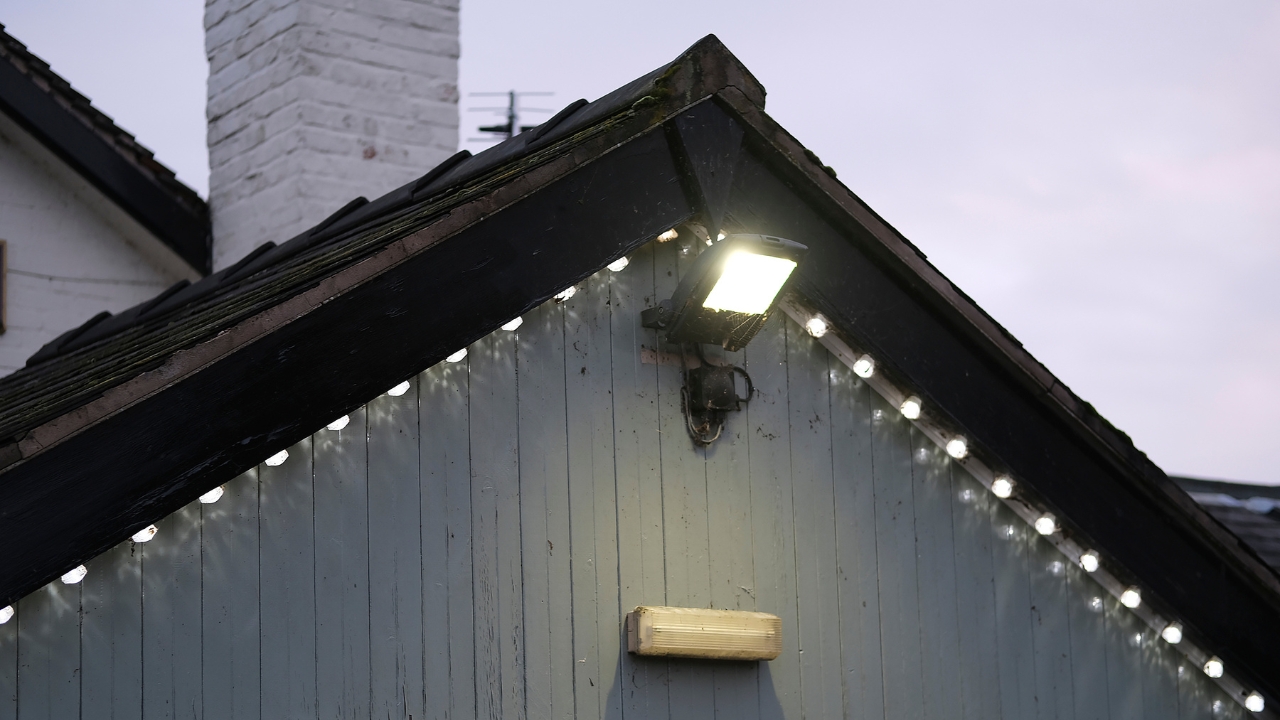
You don’t realize how dark it gets until you live outside of town.
Run wiring for floodlights at the driveway, corners of the house, and anywhere you might add a barn or shed.
Wiring for Cameras or Security Lights
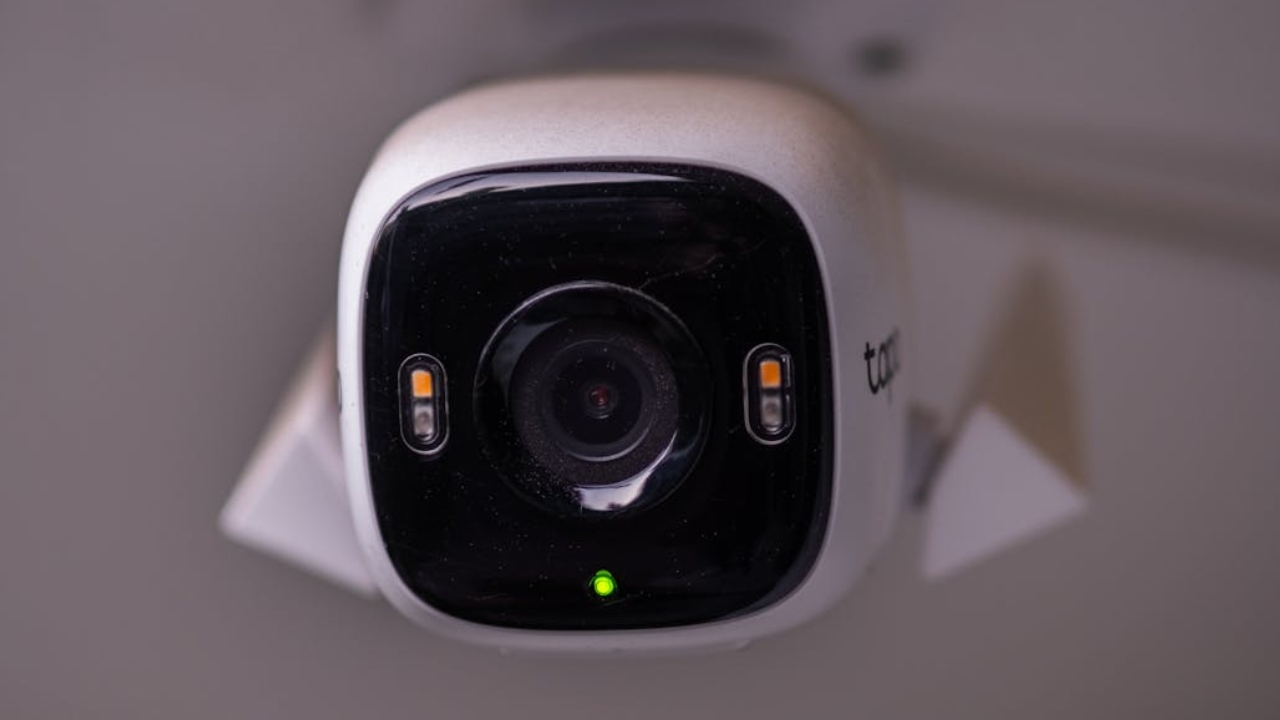
Even if you’re in a safe area, it’s smart to have the wiring ready.
Hardwiring cameras looks cleaner and runs more reliably than battery-powered ones.
Dedicated Outlet for the Freezer
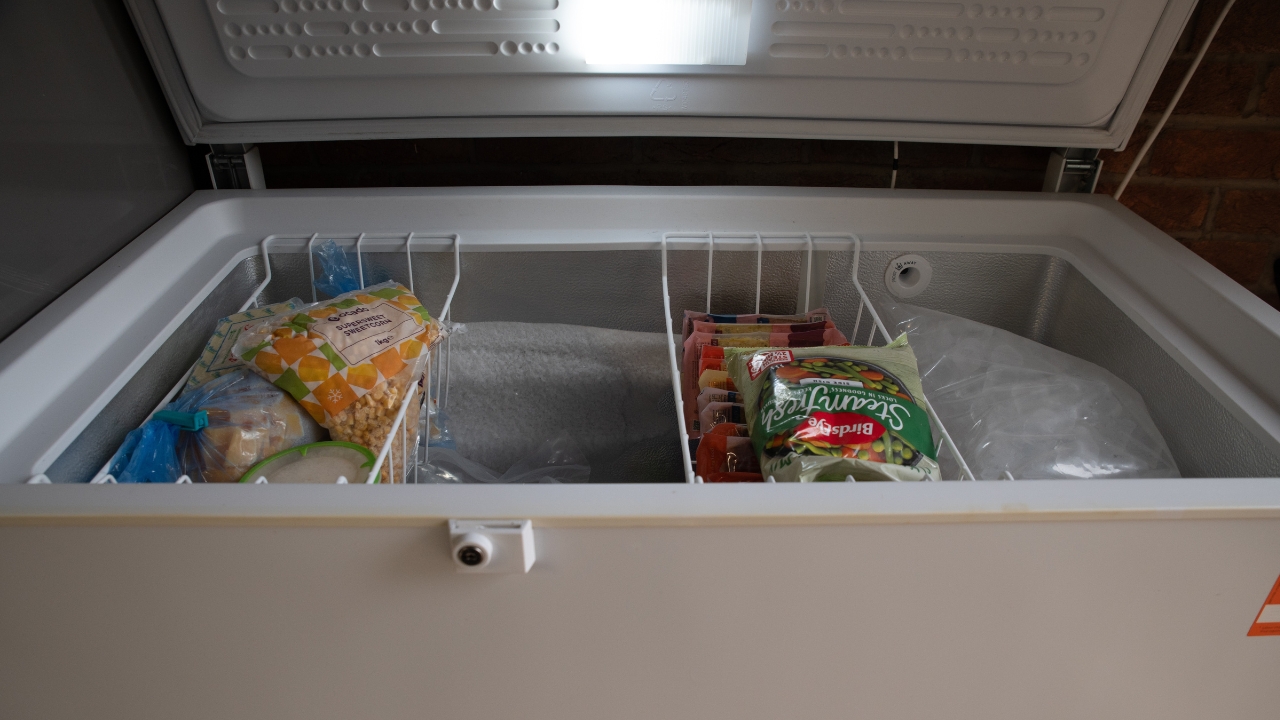
A garage freezer plugged into a shared outlet can trip the breaker—usually right after you’ve stocked it full.
Give it its own circuit and avoid the expensive surprise later.
Conduit for Future Expansion
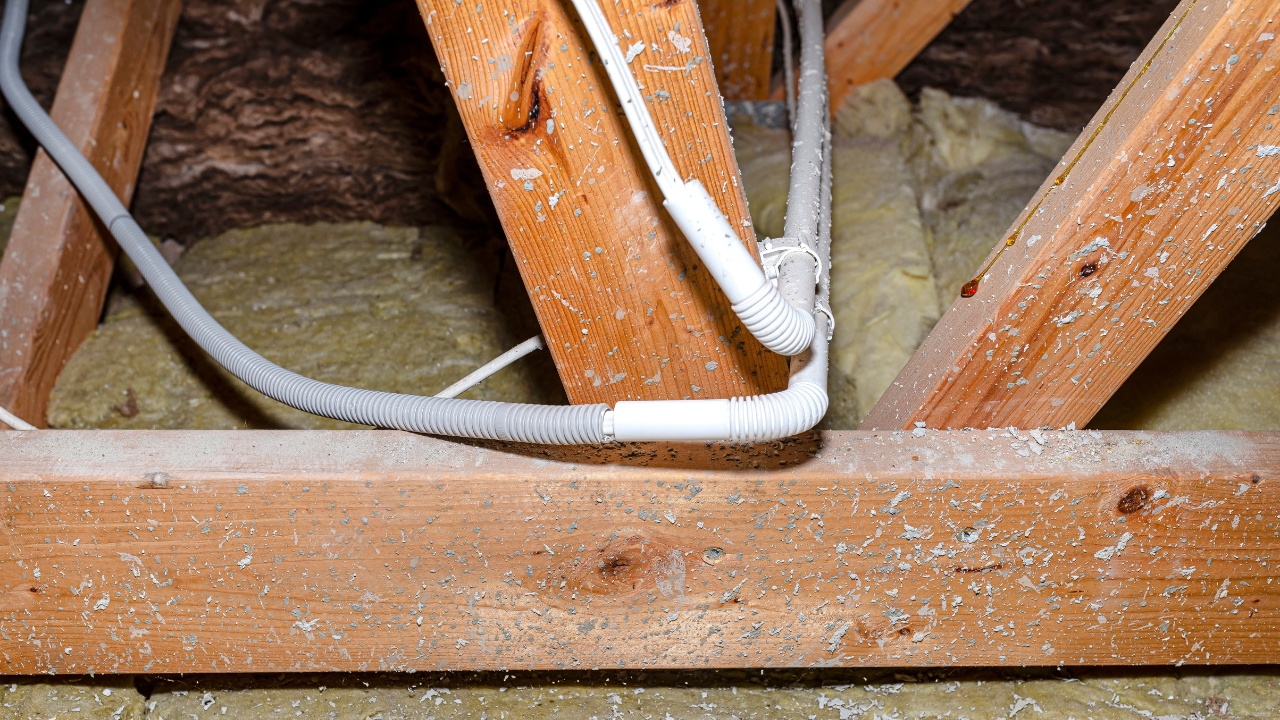
Leave a few empty conduits going to the attic or crawlspace, and to the end of the house.
You might want to add solar, run network cables, or expand power later—and this saves you from tearing things apart.
*This article was developed with AI-powered tools and has been carefully reviewed by our editors.