9 Yard “Fixes” That Take Too Long for What They Actually Do
Some outdoor upgrades sound good in theory, but once you’re knee-deep in mulch or scrubbing brick with a toothbrush, it becomes clear the payoff isn’t worth the time.
If you’re spending half your weekend on “improvements” that barely change anything, it might be time to rethink where your energy is going. These are the kinds of yard “fixes” that eat up your hours and give very little in return.
Hand-Edging Every Flower Bed

A clean edge does look nice, but if you’re out there slicing borders by hand every other weekend, you’re sinking hours into a job that fades fast.
A physical barrier like metal or stone edging will save you time long-term. It holds its shape, keeps mulch in place, and cuts way down on your need to touch up the border constantly.
Pressure Washing Everything You See
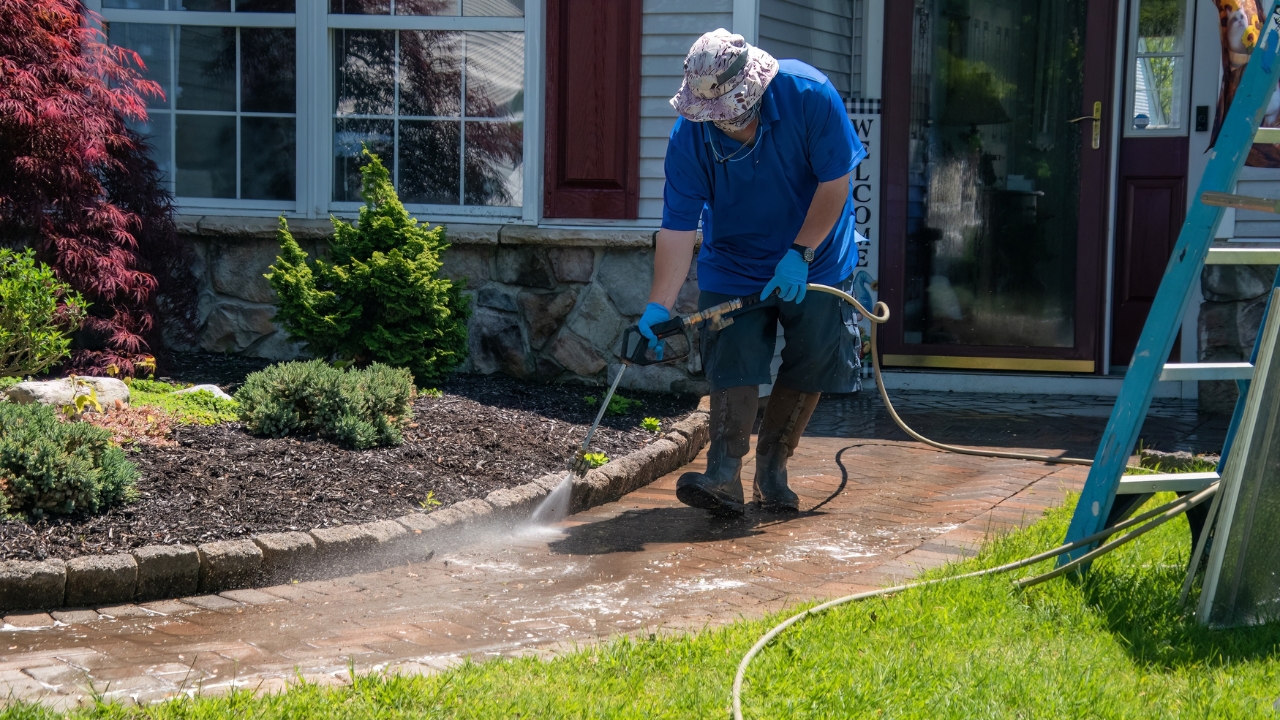
Pressure washing is satisfying, sure, but it’s also loud, messy, and way more time-consuming than it seems. And a lot of surfaces don’t actually need it more than once a year.
Unless something’s covered in mildew or years of grime, a quick rinse and scrub will usually do. Save the power washer for the worst jobs, not the regular ones.
Raking Leaves Like It’s a Full-Time Job
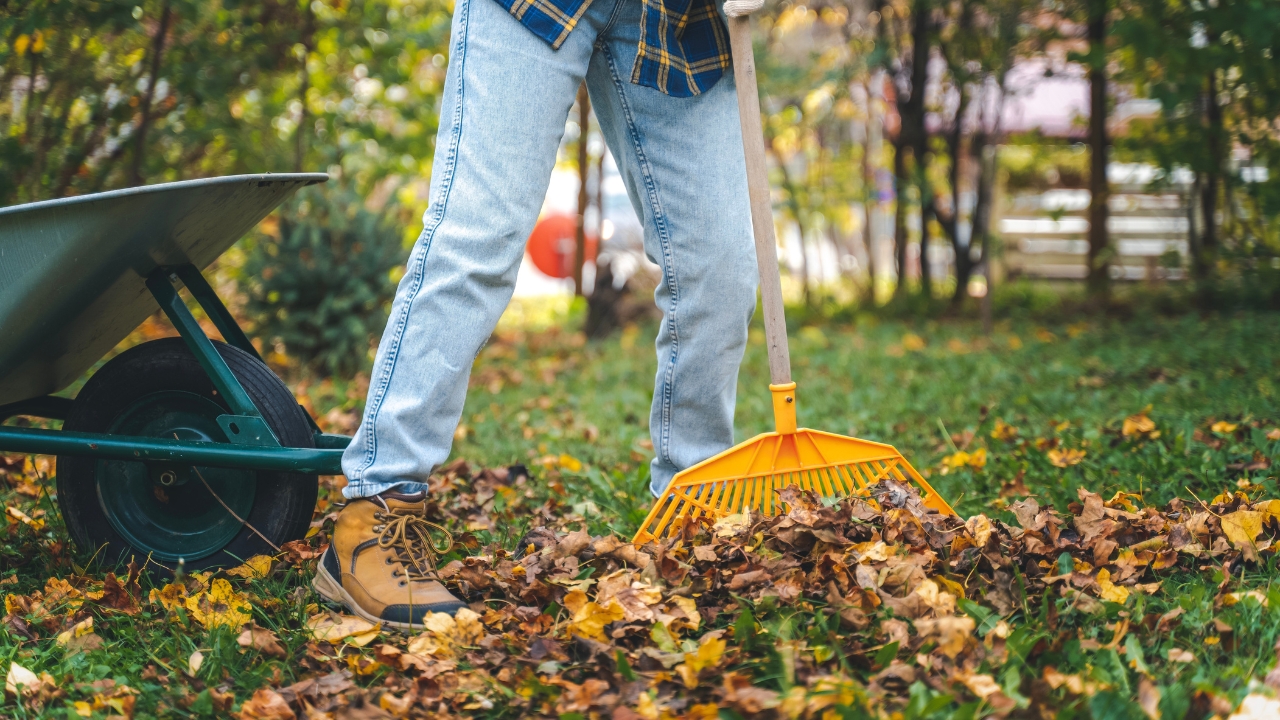
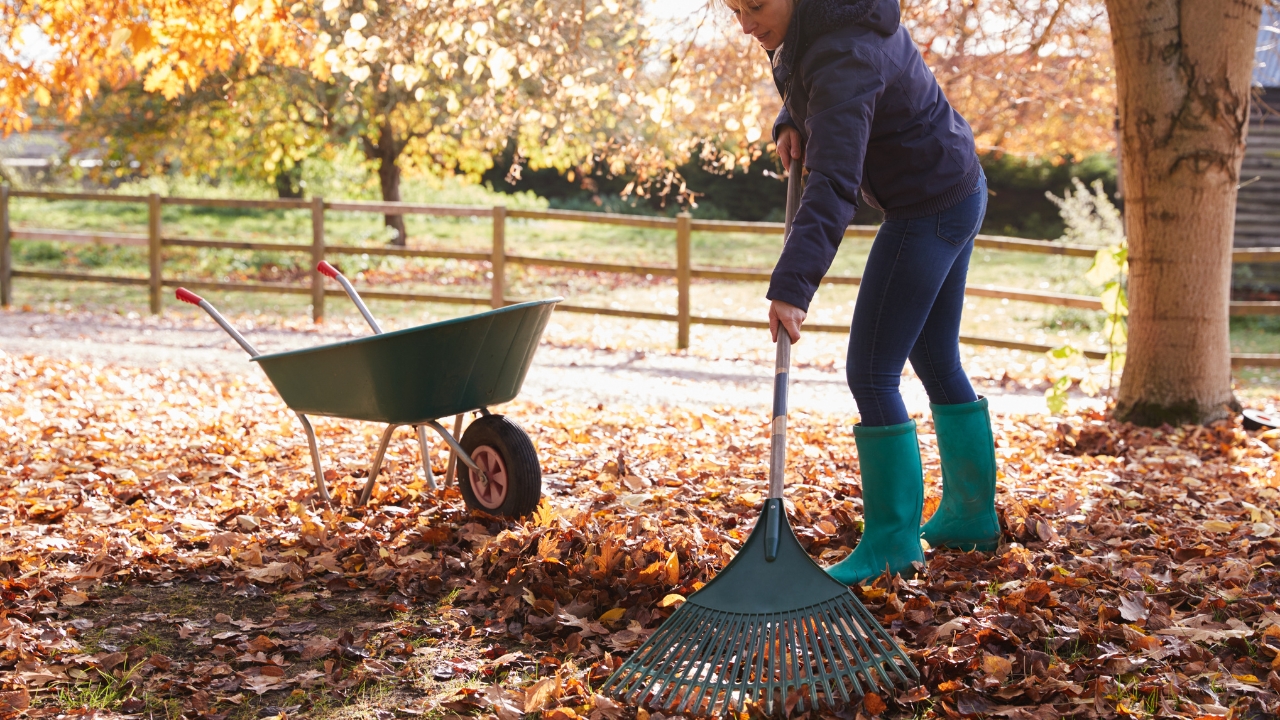
Spending hours raking every single leaf is exhausting—and unnecessary if your mower has a mulching function. Most leaves can be shredded right into the grass and break down on their own.
Unless you’re dealing with thick, wet piles or oak leaves that won’t decay, you can skip the weekly raking marathon. A couple of passes with the mower usually handles it.
Lining Every Walkway With Flowers

It seems like a cute idea until you realize how much watering, trimming, and replanting it actually takes. A narrow flower border is one of the highest-maintenance choices you can make.
If you want that look, go with low-care perennials or hardy shrubs that can handle heat and drought. Otherwise, you’ll be babying plants all season for very little payoff.
Trying to Level Every Low Spot by Hand
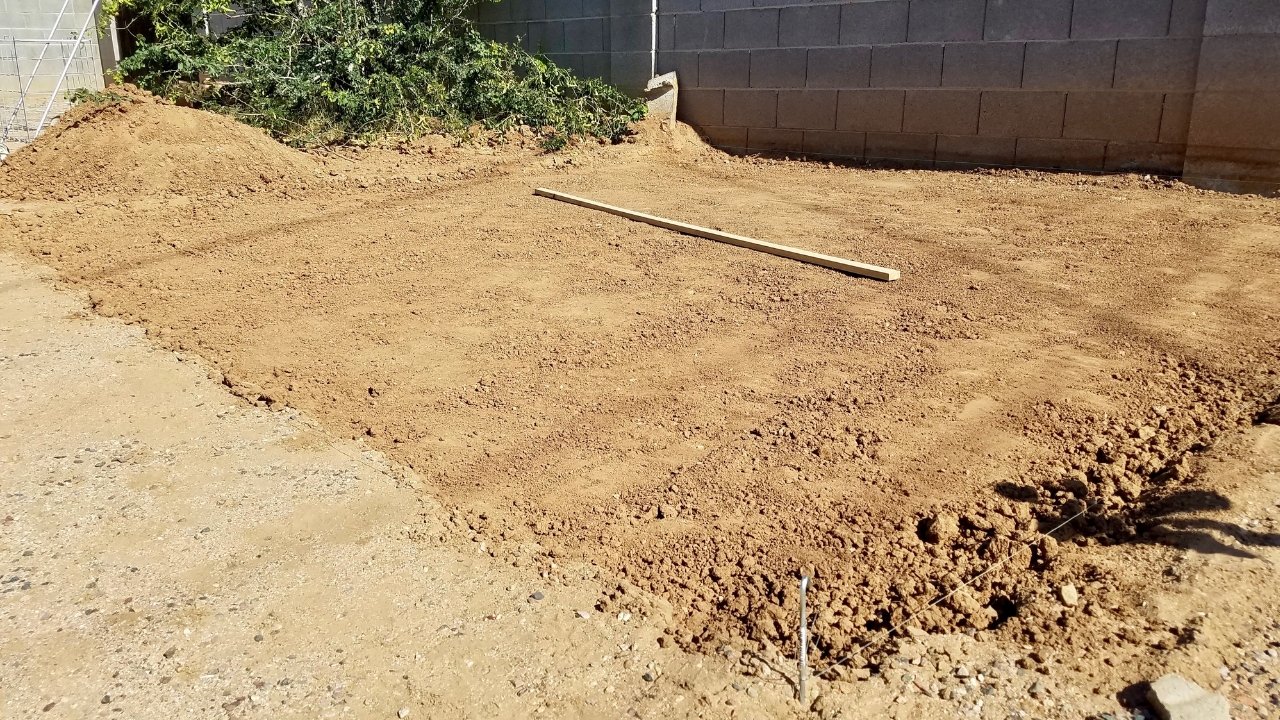
Digging, filling, raking, watering, and re-seeding every little dip in the yard sounds like a good plan—until it eats up your whole Saturday and still settles unevenly after a rain.
For small areas, you’re better off patching during your normal mowing season. For bigger leveling jobs, wait for the right season and tackle them all at once.
Trimming Grass With Scissors or Hand Shears
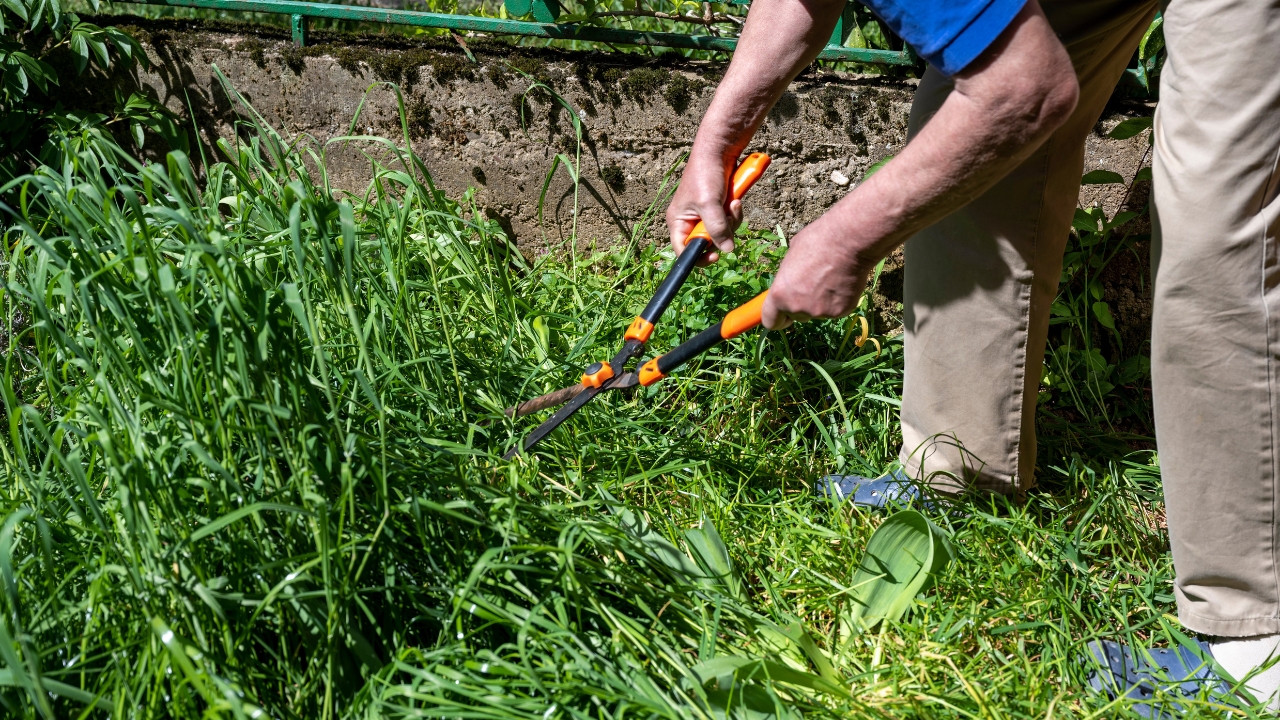
Yes, some folks still do this. Whether it’s around posts, stepping stones, or flower pots, getting out the scissors every week wastes way too much time.
A string trimmer or edger does the same job in seconds. If you find yourself regularly hand-trimming something, it might be time to redesign that area to be lower maintenance.
Scrubbing Pavers or Bricks With a Brush
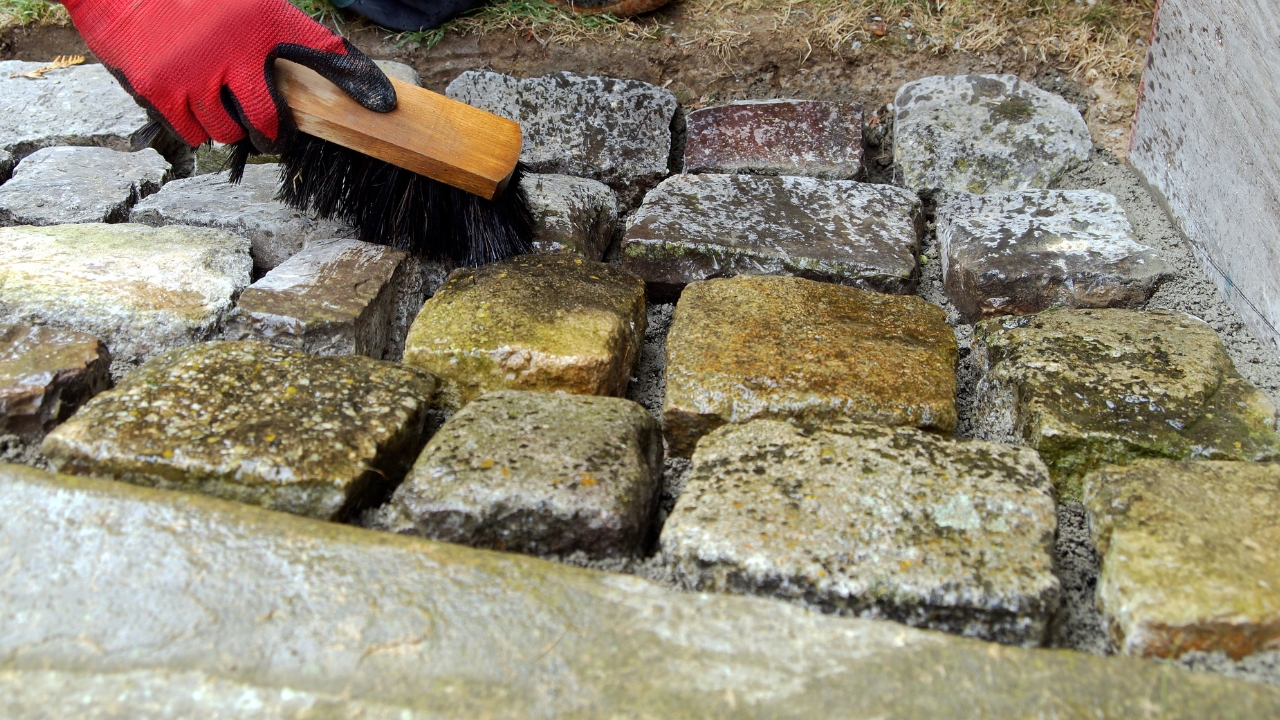
Cleaning hardscapes by hand with a bucket and scrub brush is tedious, and usually unnecessary unless you’re prepping for sealing or fixing a major spill.
Most of the time, sweeping, hosing down, or using a leaf blower keeps these areas clean enough. For deep grime, use a deck brush on a pole and save your back.
Repainting Old Pots Again and Again
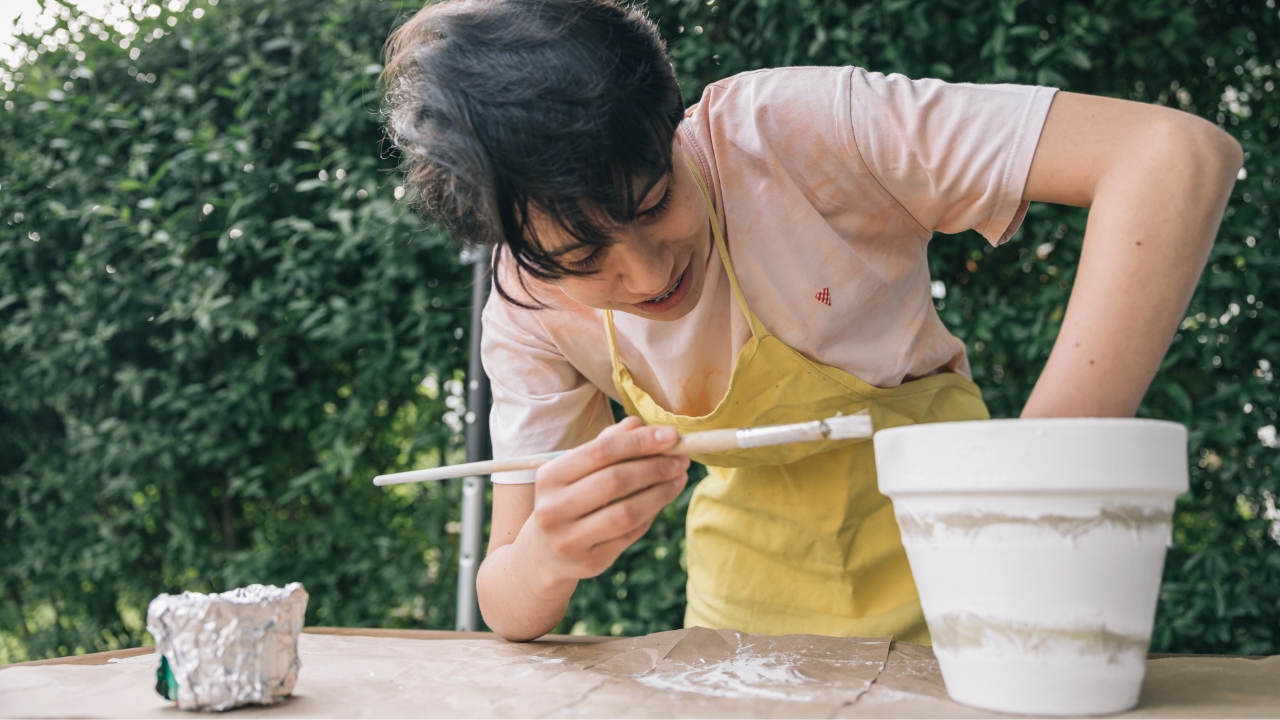
Painting pots and planters can freshen things up—but it’s a temporary fix that flakes fast, especially in full sun or rainy spots. You’ll spend more time repainting than enjoying them.
If your pots are looking rough, consider upgrading to a more durable material or neutral finish that ages better. Constantly redoing them gets old quick.
Overplanting Annuals That Die Off
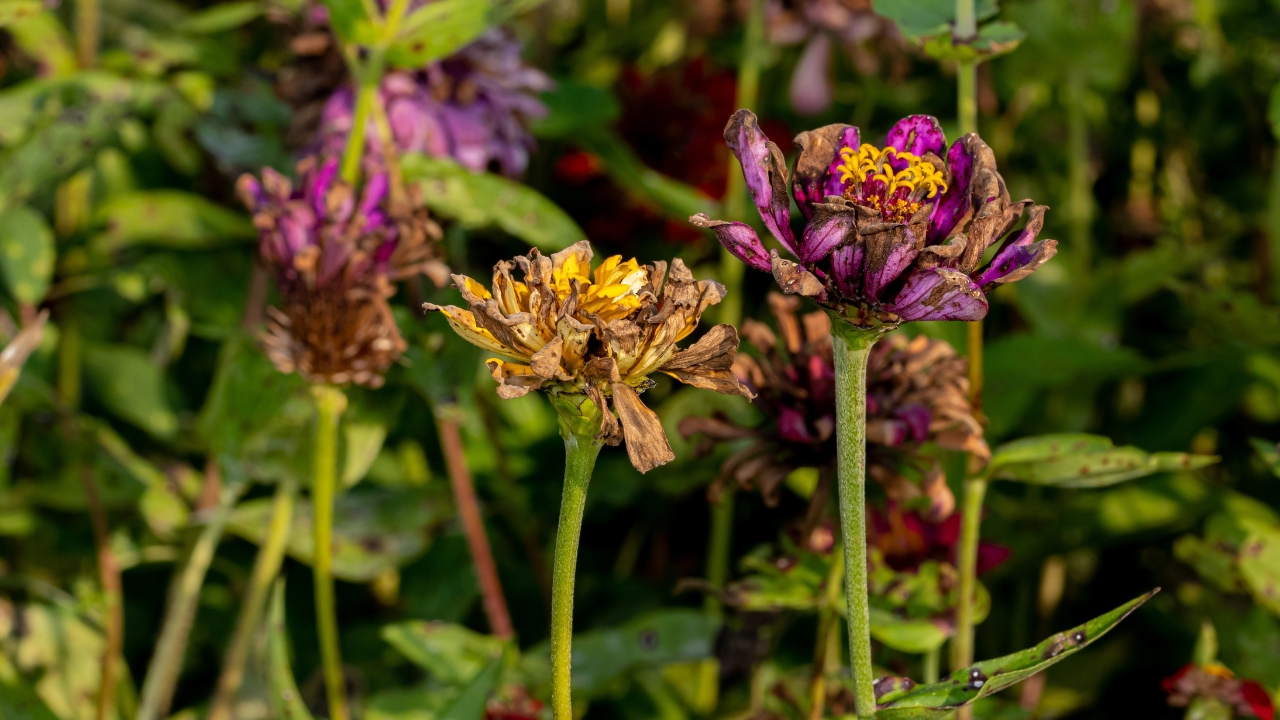
It’s tempting to pack your beds with bright annuals, but they’re short-lived and often require daily watering in summer. All that work ends up tossed in the compost by fall.
Mix in more perennials or shrubs that come back year after year and require less babying. You’ll save money and time without losing color in your yard.
*This article was developed with AI-powered tools and has been carefully reviewed by our editors.