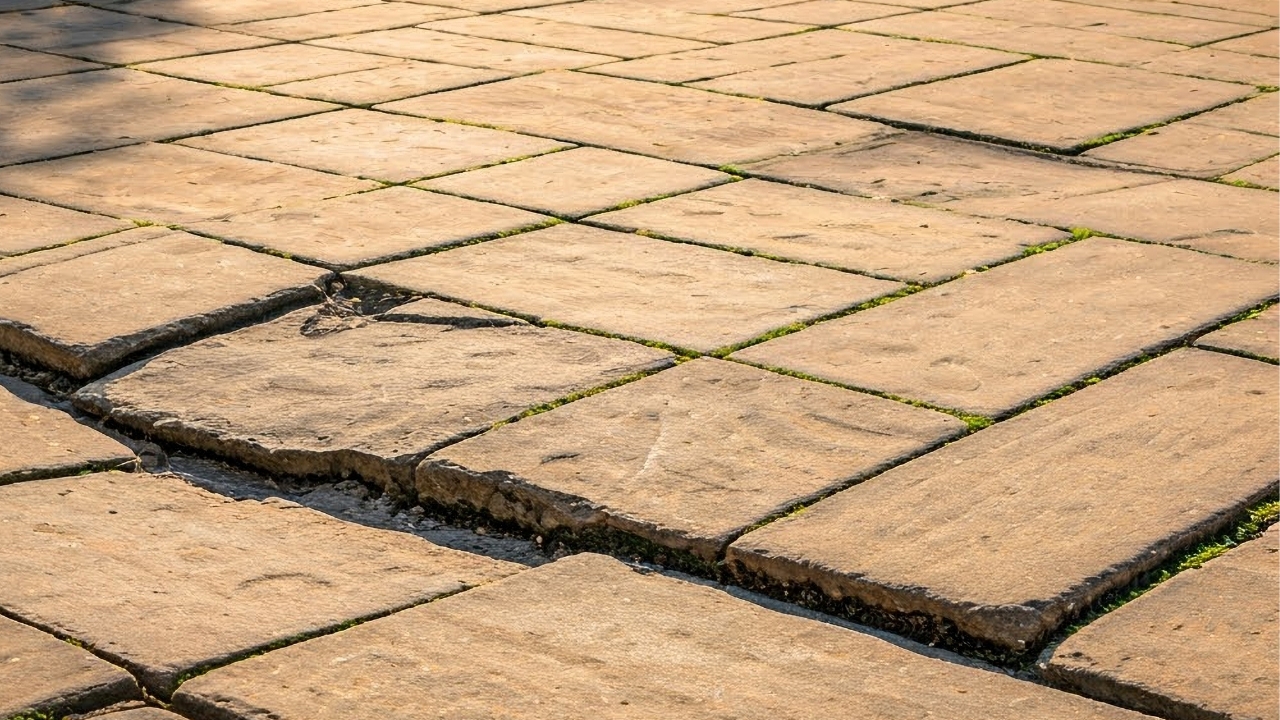
Outdoor Fixes That Don’t Hold Up in Humid States
Photo credit: Shutterstock AI/Shutterstock.com
Living in a humid state means everything is under constant attack from moisture, mold, and heat. If your outdoor fixes aren’t built for that, they won’t last long.
Cheap Paint on Outdoor Wood
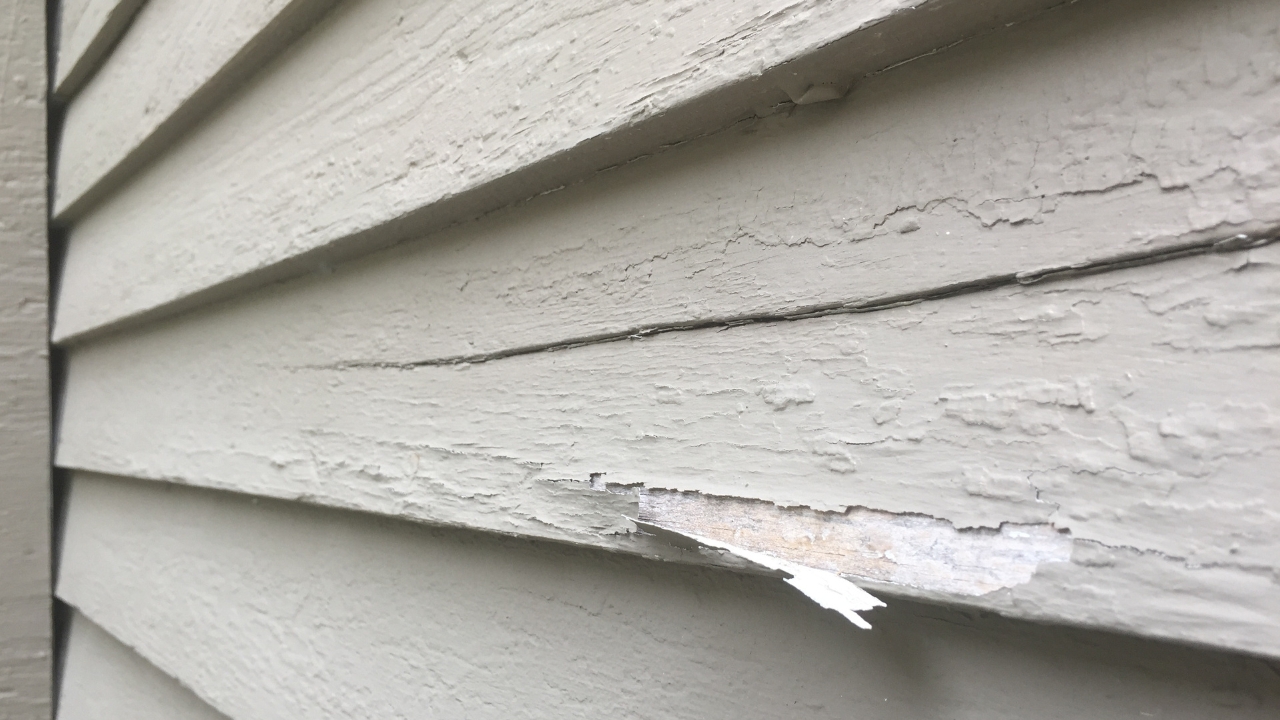
Humidity seeps into cheap paint and causes bubbling, peeling, and mildew in no time.
If you’re painting a deck, fence, or shed, spend the extra money on paint rated for high-moisture environments—or you’ll be scraping it off and starting over next year.
Basic Screws in Wood Projects

Standard screws will rust and loosen fast in damp air.
You need galvanized or stainless hardware for anything outdoors in a humid area. Otherwise, you’re going to be dealing with wobbly rails, loose boards, and full-on failures within a season or two.
DIY Pavers Without Proper Base
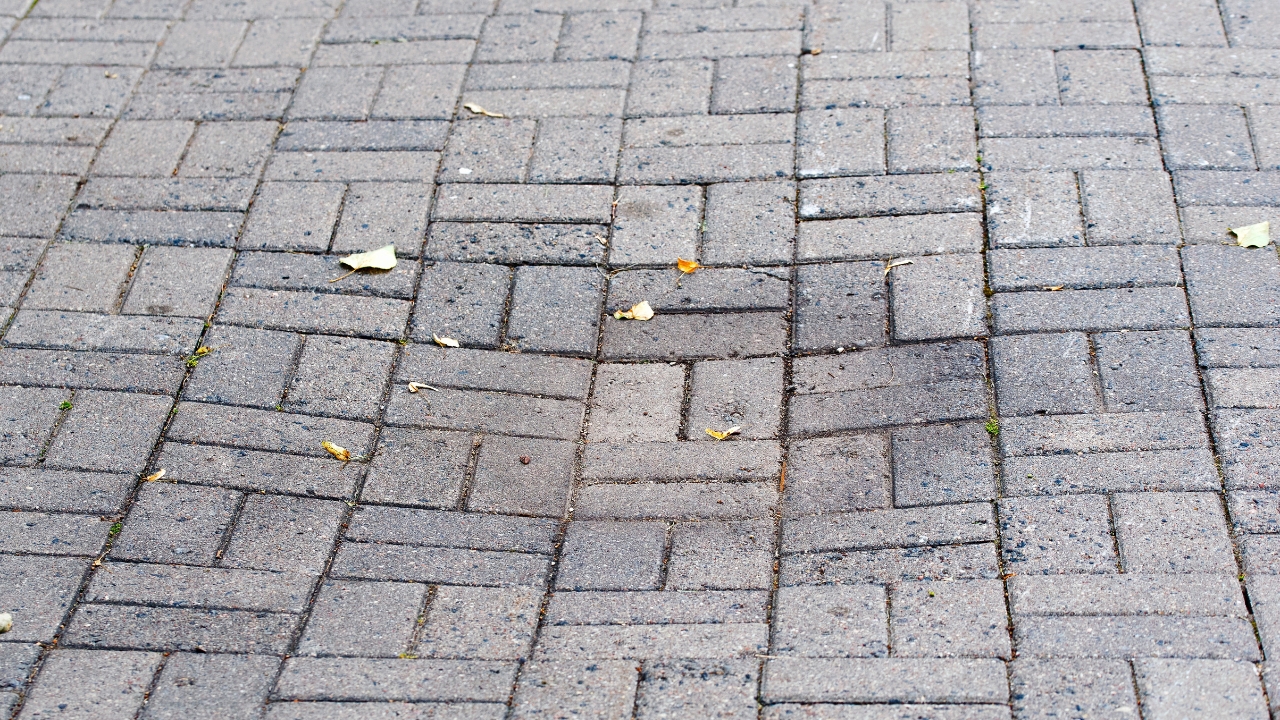
If you lay pavers without a solid gravel and sand base, humidity and rainfall will cause shifting and sinking real quick.
Those “easy patio” kits might look cute for a month, but they won’t survive the first big downpour.
Fabric Weed Barrier

In high humidity, weed fabric turns into a mold trap. It also breaks down faster, especially if it gets too much sun or moisture.
Go for a thick mulch layer instead. It does the job better and won’t rot underneath your plants.
Unsealed Wood
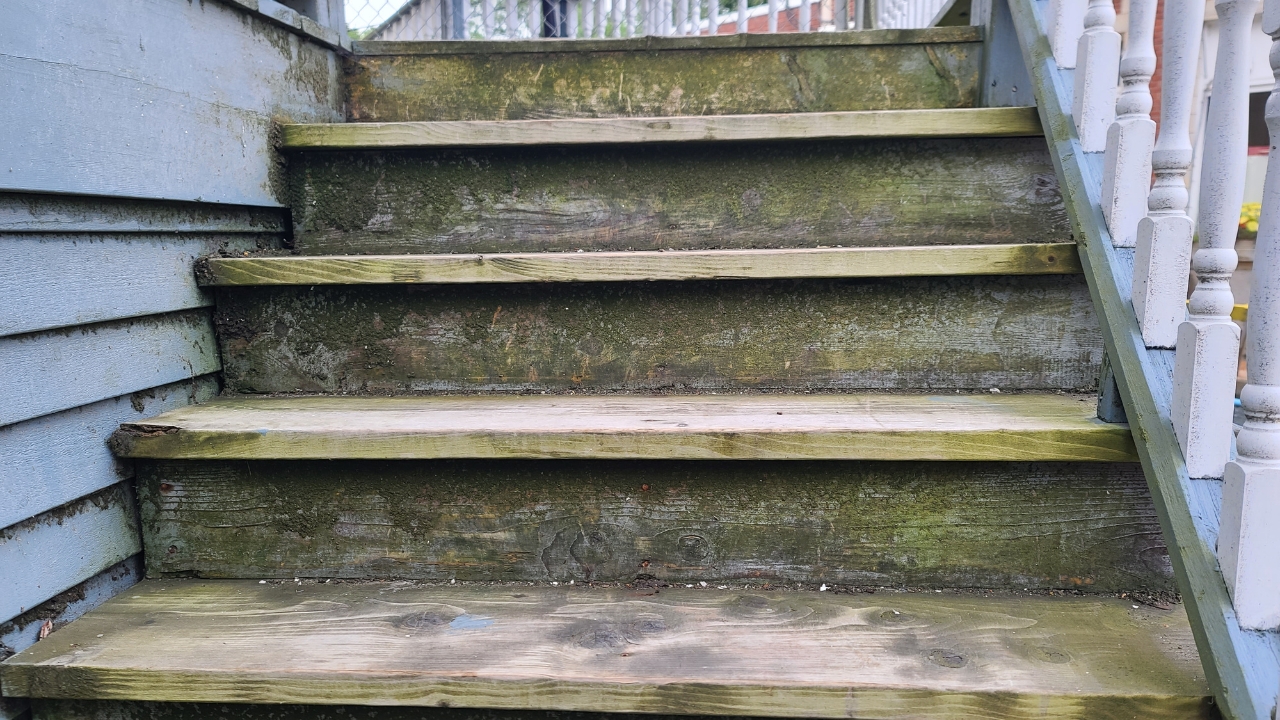
Raw wood looks pretty at first, but in humidity it warps, grows mildew, and gets eaten up by bugs fast.
If you’re building anything outside—deck, table, gate—seal it. Otherwise, you’ll be replacing it next season.
Vinyl Fencing Without Reinforcement
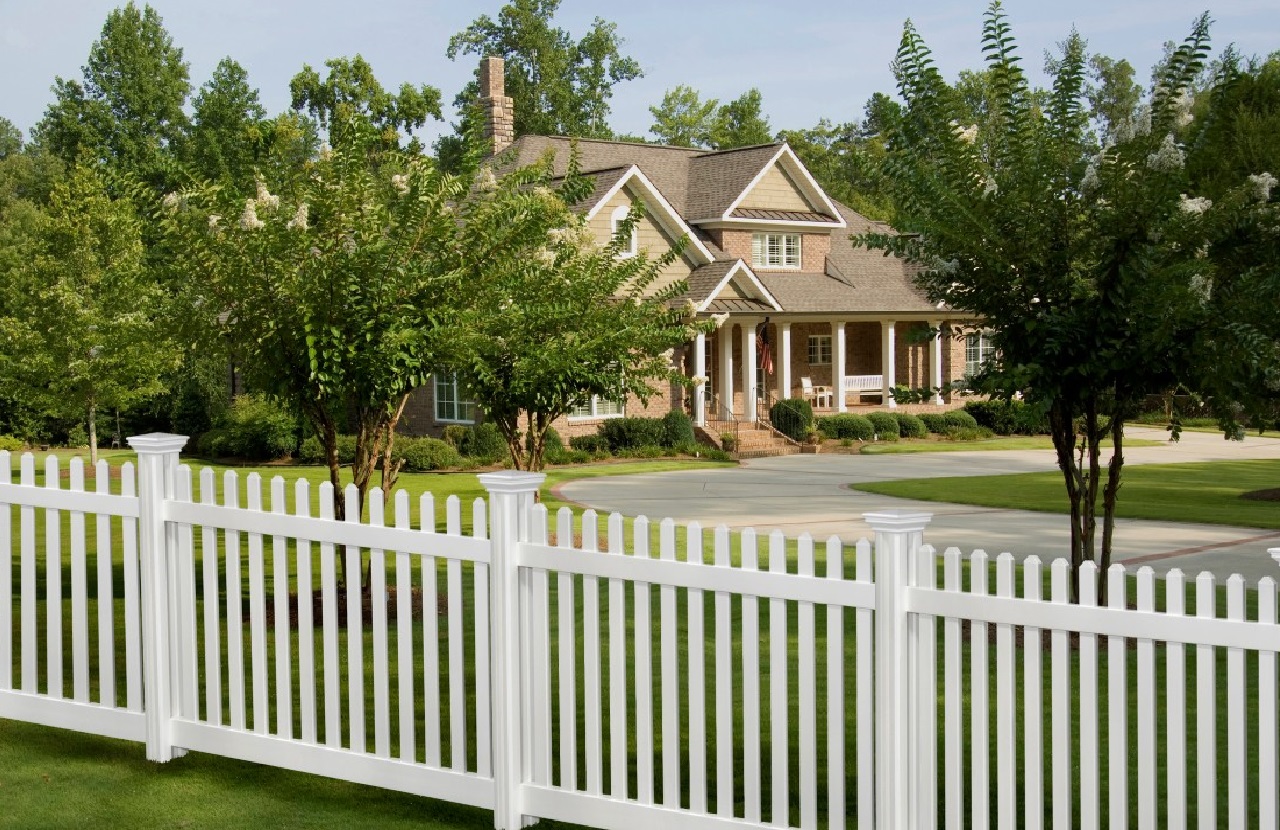
Basic vinyl fencing warps and leans when it’s hot and muggy. Some sections even get soft enough to bend with pressure.
If you want vinyl, make sure it has reinforced posts and is rated for hot, humid climates. Otherwise, it won’t hold up.
Solar Lights Without Proper Seals
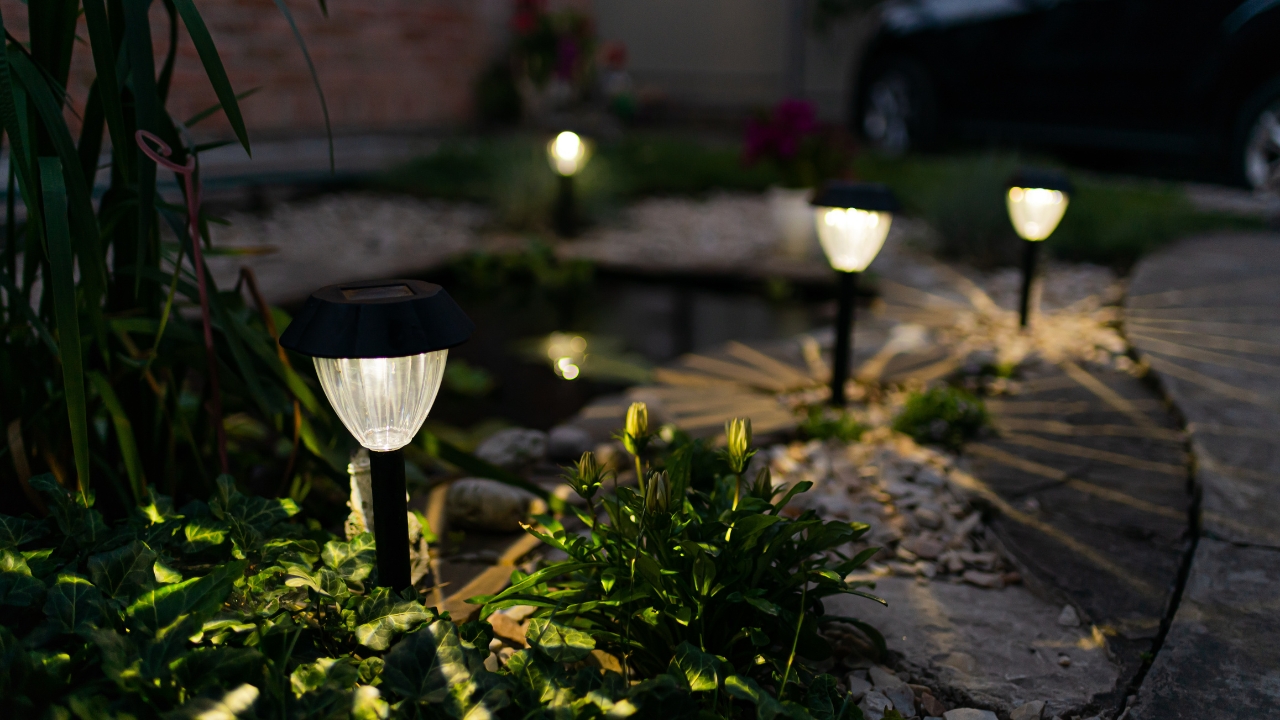
In humid states, condensation builds up inside cheap solar lights and kills the battery fast.
Look for weatherproof options with sealed housings. The $1 ones from the store usually won’t last through one season.
Low-Quality Outdoor Cushions
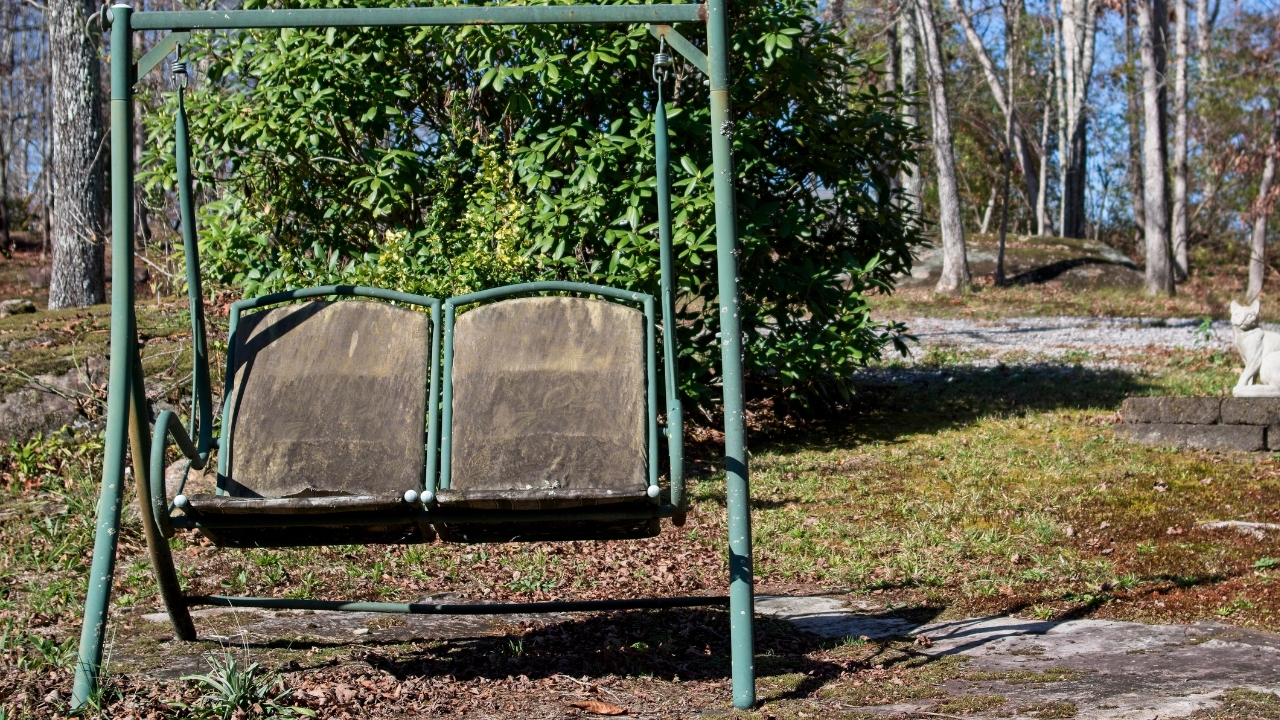
If they’re not made for humidity, those cushions are going to mildew, stink, and stain within weeks.
Look for materials labeled mold- and mildew-resistant, and bring them inside when you’re not using them. Even better—store them in a bin with airflow.
Plywood or MDF Outdoors
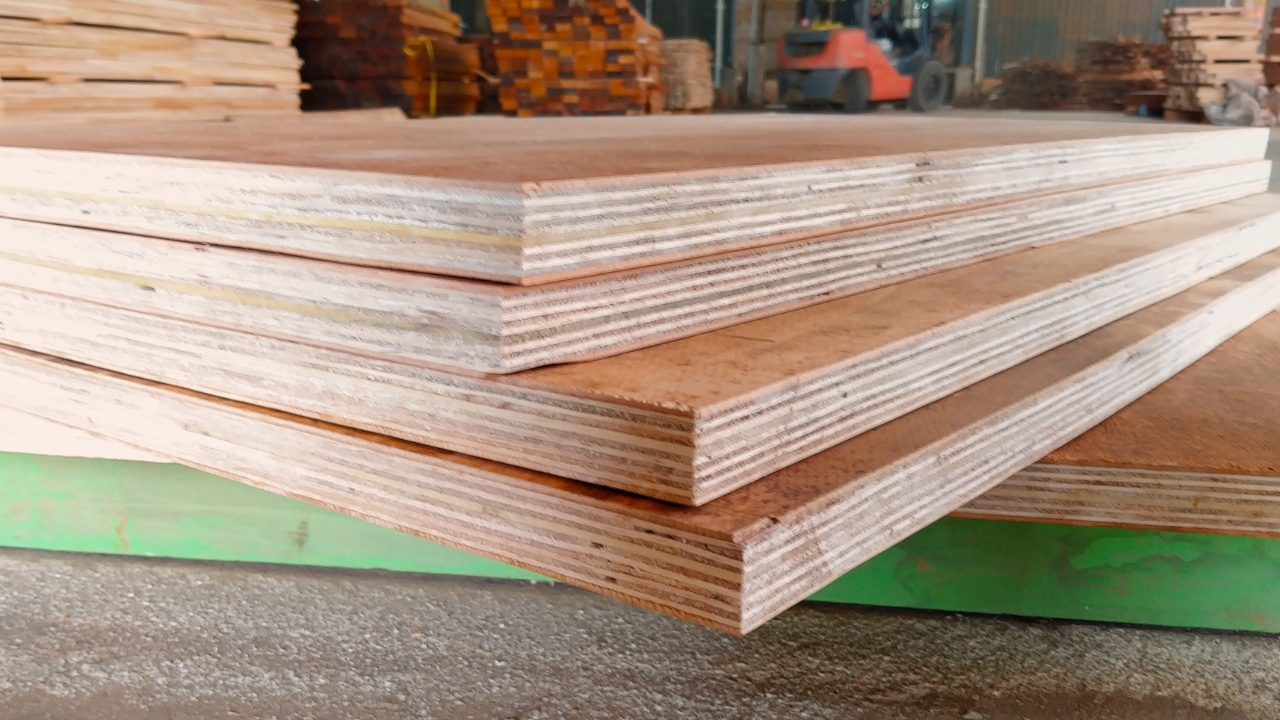
Don’t even try to use plywood or MDF for outdoor projects. Once it gets wet, it swells, warps, and falls apart.
Use treated lumber or exterior-grade materials instead. You’ll save yourself a lot of frustration.
Zip Ties in the Sun
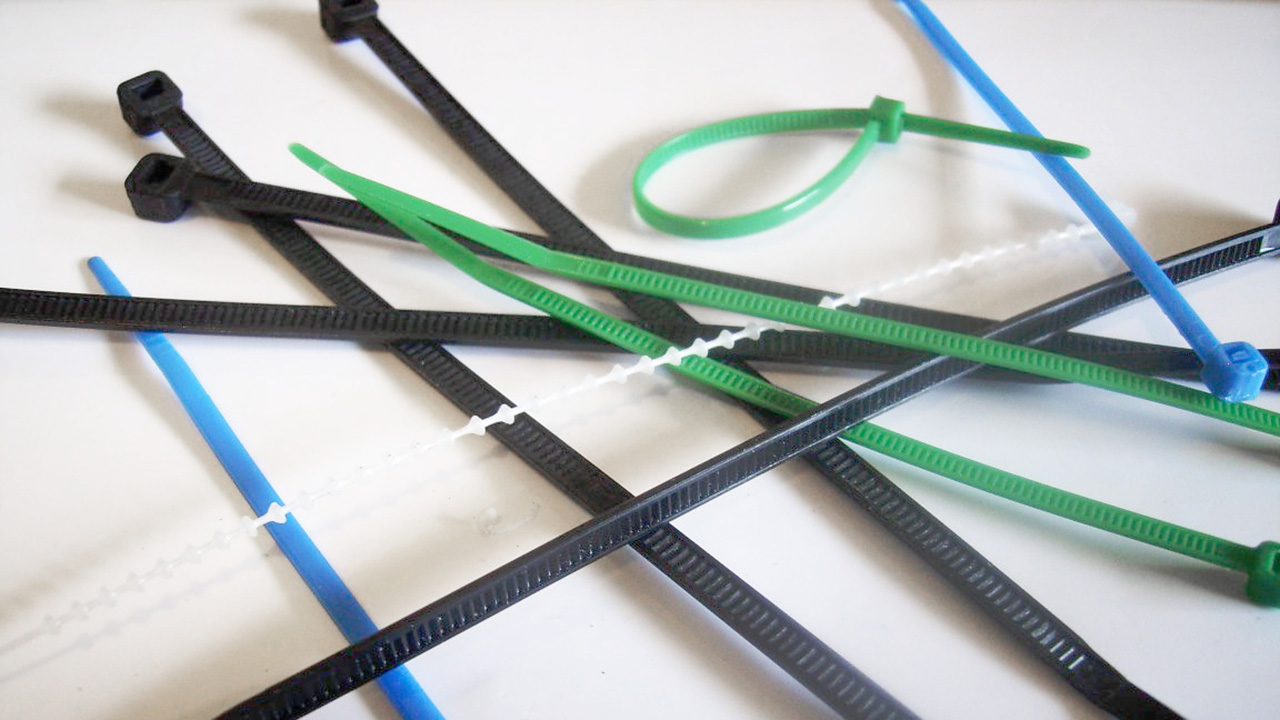
If you’re using regular zip ties outside, they’ll snap within a month. The sun and moisture weaken the plastic quick.
Get UV-resistant ties or skip them altogether for anything structural.
*This article was developed with AI-powered tools and has been carefully reviewed by our editors.