8 Things You’re Doing That Could Crack a Pipe in Summer
Photo credit: River Life WV/YouTube
Most people worry about pipes in winter, but summer can do damage too. Heat, soil shifts, pressure changes—these all wear on your system in ways you might not notice until a pipe gives out. It’s not always dramatic either—hairline cracks and slow leaks can cause real problems over time.
Watering Too Aggressively in Dry Soil
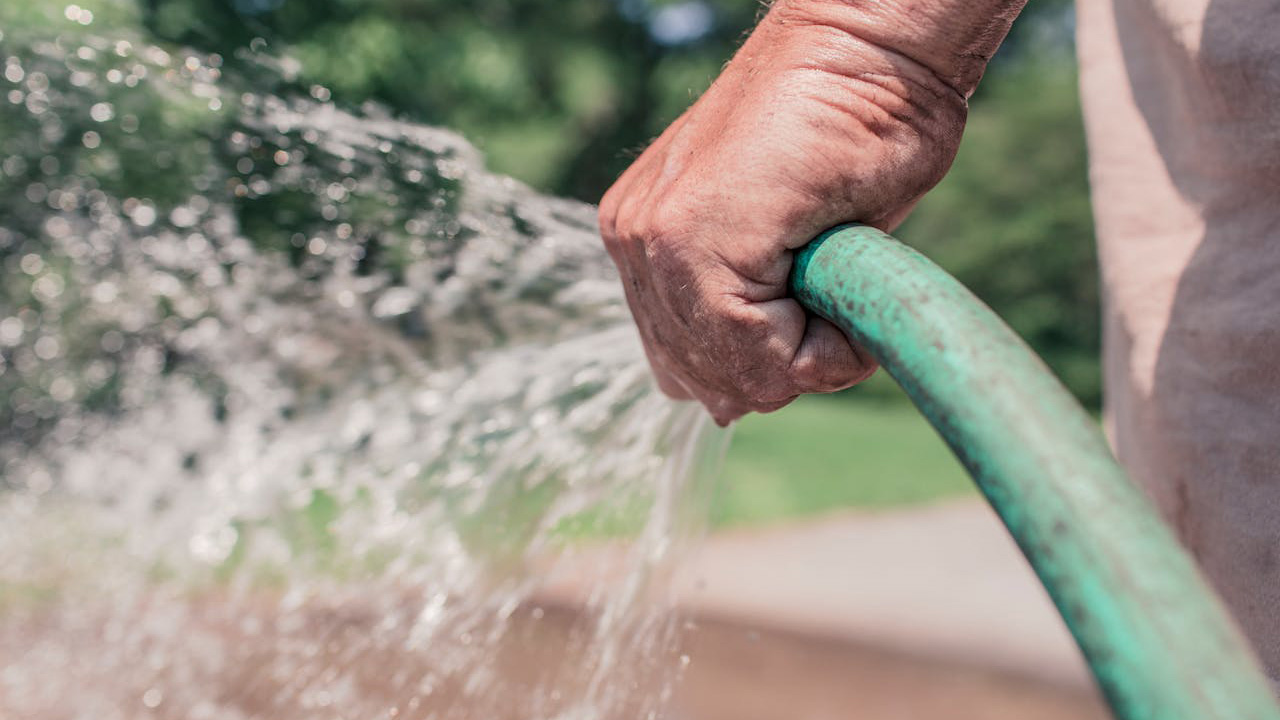
When the ground is bone-dry and you flood it suddenly, that soil swells fast. If pipes are buried shallow or poorly supported, that shift can crack them. It’s better to water gradually and consistently than shock the soil with big, sudden soaks.
Parking Heavy Equipment Over the Yard

If you’re driving tractors, trailers, or even parking a truck on areas where lines are shallow, you’re putting weight right on the pipe. It doesn’t always break immediately, but it weakens the pipe over time—especially if the ground is soft from recent rain.
Ignoring Small Leaks or Drips
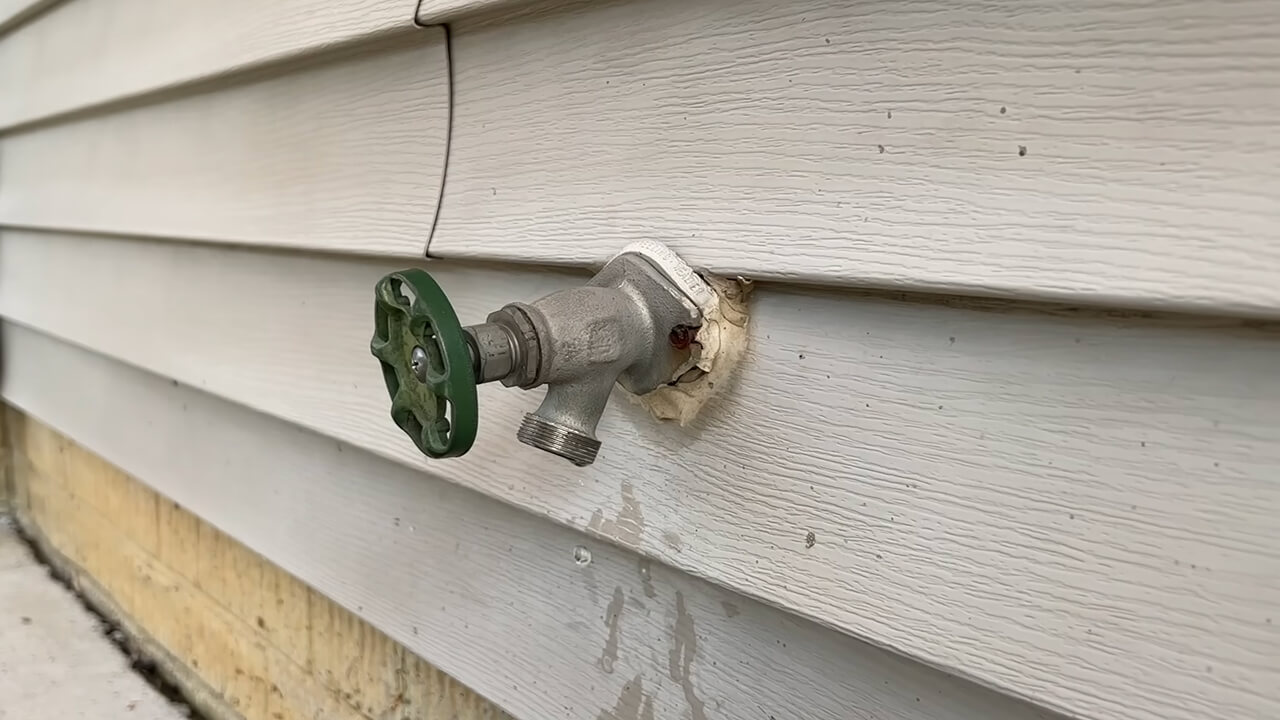
A little leak might not seem like a big deal in summer, but constant pressure loss or water erosion can make a pipe crack worse. High heat speeds up the damage too. Fix it while it’s small instead of waiting until it bursts.
Using the Wrong Kind of Hose Connection

If you’ve connected something heavy-duty to a weak faucet or added extra weight to a bib, it can strain the plumbing inside the wall or underground. That strain turns into a crack when heat or shifting soil adds even more pressure.
Running Sprinklers All Day

Long sprinkler cycles can cause underground pressure to build—especially with older systems. That nonstop flow puts stress on every joint, especially if the pipes are PVC. Break up watering into shorter cycles with breaks in between.
Letting Tree Roots Take Over
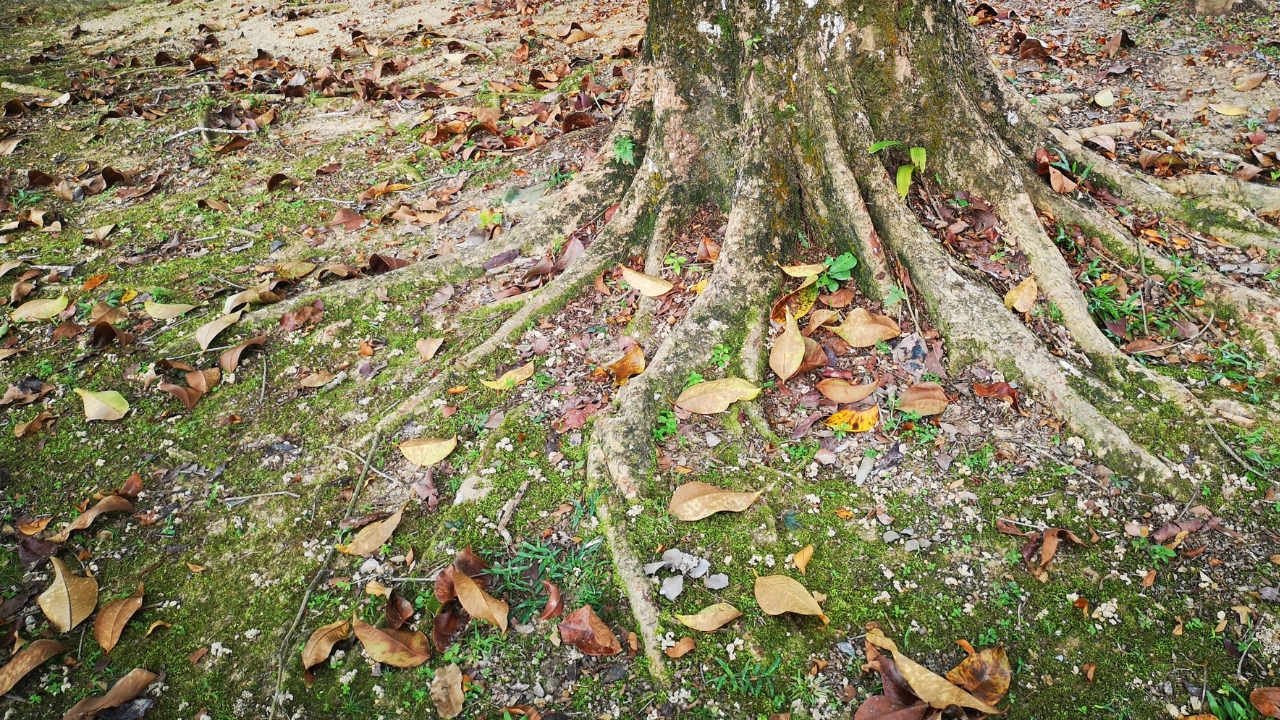
Summer is when tree roots grow the most. If you’ve got big trees near your lines, they can press against pipes and cause tiny fractures. Over time, those turn into full cracks—especially with warm soil and consistent water nearby.
Pouring Hot Water or Chemicals Down Outdoor Drains

Dumping boiling water or heavy degreasers into an outdoor sink or drain can shock the pipe. Plastic piping doesn’t handle high temps well, and even metal ones can expand and crack when cooled too fast. Let hot water cool and dispose of chemicals safely elsewhere.
Letting Sunlight Hit Exposed Lines or Fittings
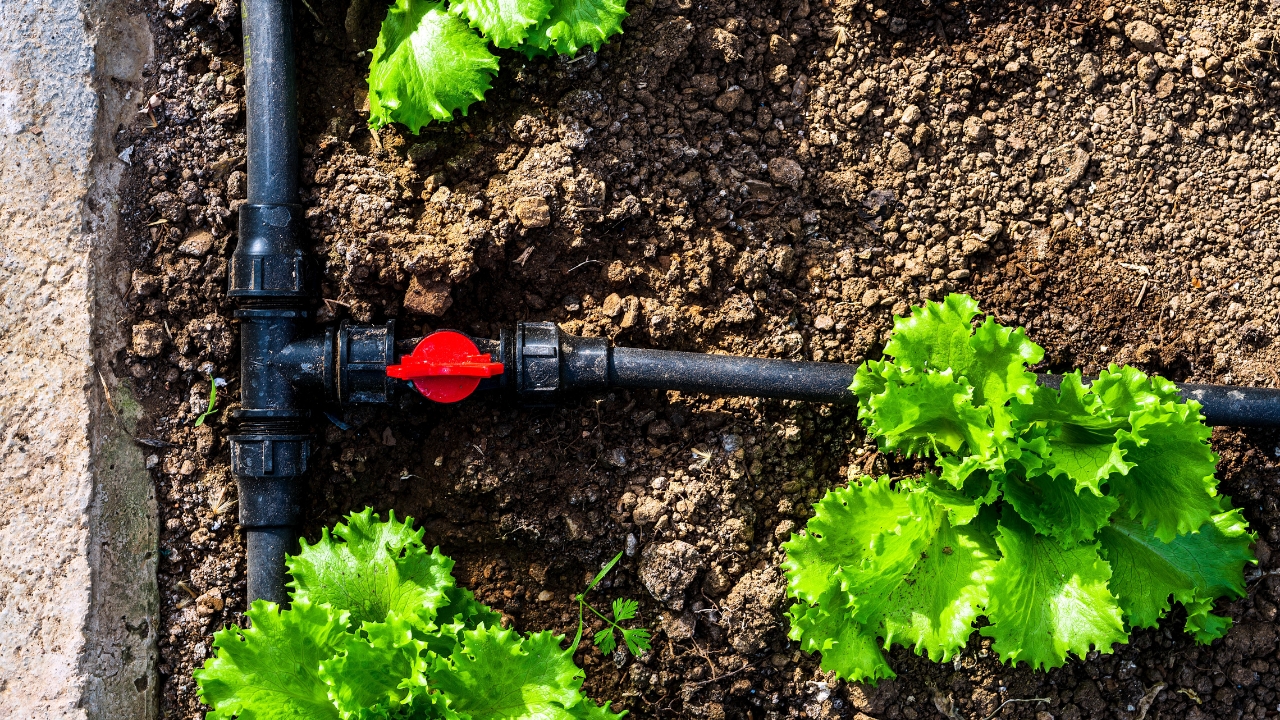
If any part of your irrigation or water line is above ground—even fittings or hose bibs—direct sun can make them brittle. Over time, they’ll crack or split. Cover exposed sections or use UV-resistant materials if you know they’ll be in the sun long-term.
*This article was developed with AI-powered tools and has been carefully reviewed by our editors.