12 Stressful Dog Problems That Are Way Worse When You Have a Small House
Photo credit: Pixel-Shot/Shutterstock.com
A small house can be cozy, but throw in a dog—or two—and the chaos gets amplified. Tight spaces mean less room to redirect behavior, more shared surfaces, and a whole lot of unavoidable interaction.
If you’re dealing with any of these issues, you’re not alone—they’re common, but way harder to manage when space is limited.
Barking That Echoes Through Every Room

One loud bark can fill the whole house. If your dog’s reactive or has a habit of barking at every noise, there’s no escaping it.
Soundproofing can help, but the real fix is training and redirection. You can’t rely on physical distance when there’s nowhere to go.
No Real Spot to Put the Crate
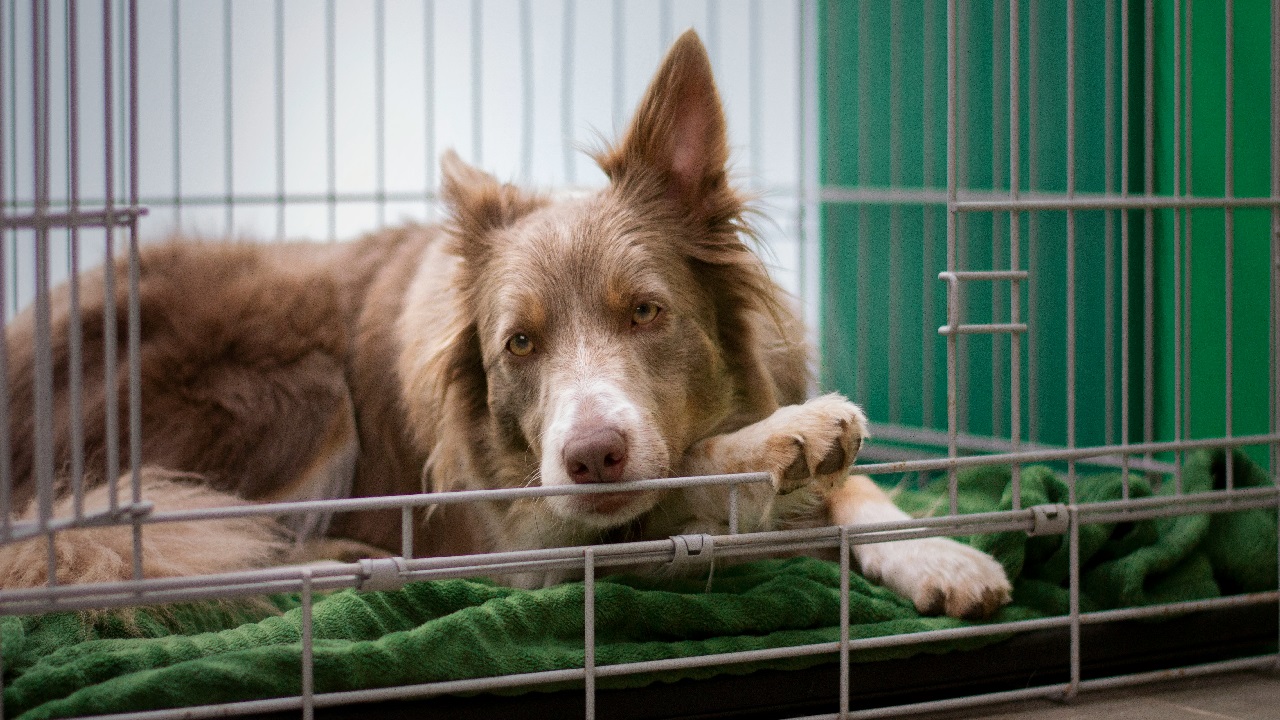
In a small home, the crate ends up in the living room, kitchen, or hallway—where everyone walks past constantly.
That can make it harder for your dog to settle or feel safe. Try creating a tucked-away zone with visual blockers, even if it’s improvised.
Toys End Up Everywhere
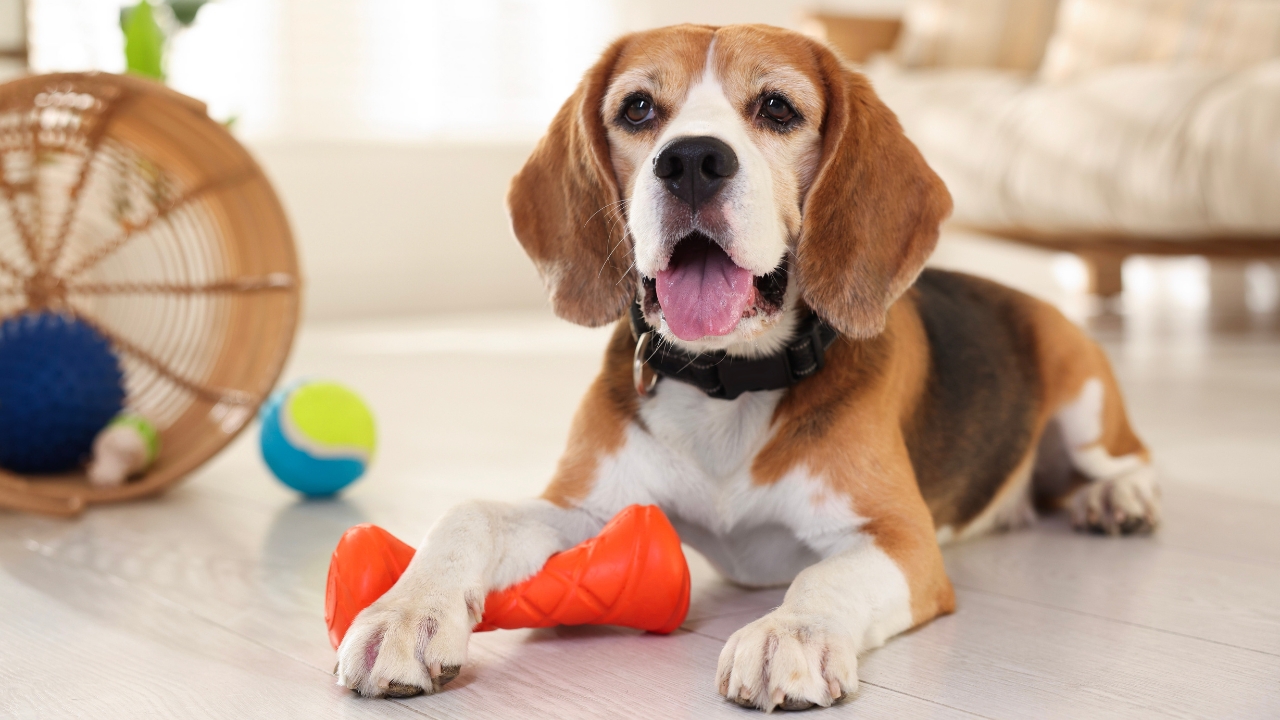
One or two toys multiply fast, especially when you’re tripping over them in a narrow hallway or kitchen.
Designate a basket or box and rotate what’s out. Too many toys at once in a small space becomes clutter fast.
Wet Dogs Have Nowhere to Dry Off
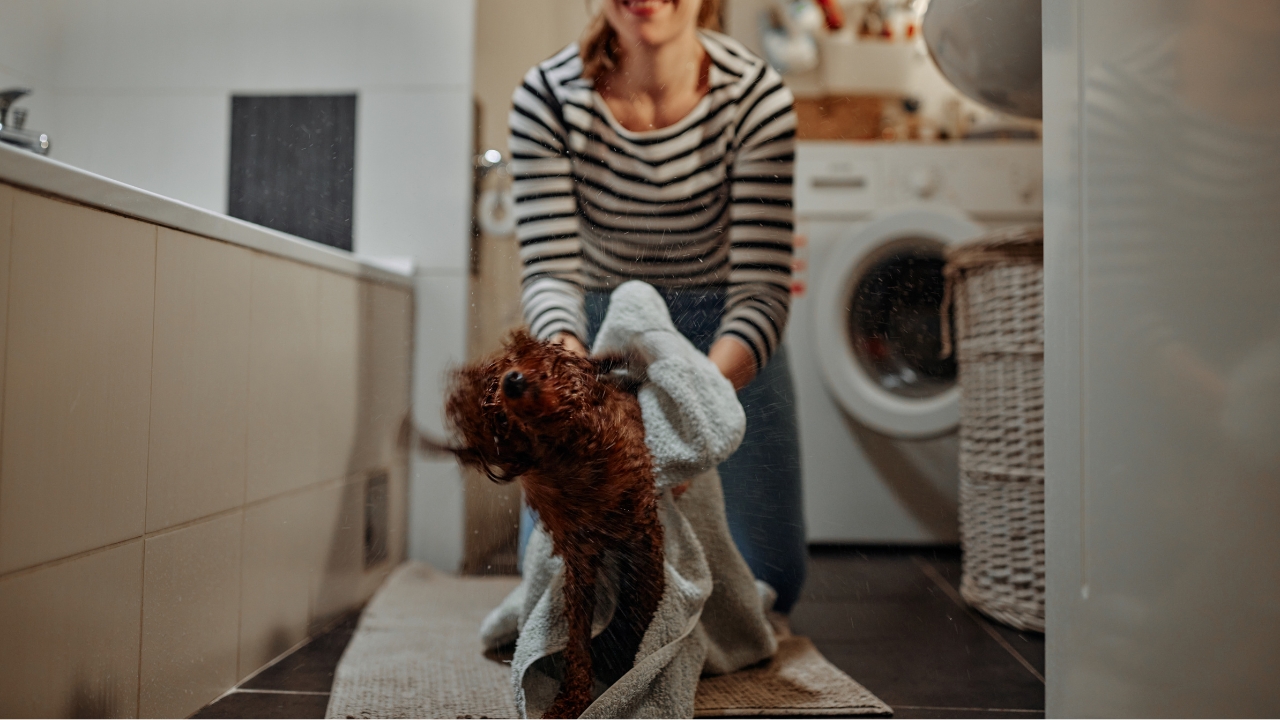
Rainy-day dogs or ones that love water bring the mess straight inside. And there’s nowhere to confine them when the whole place is carpet or hardwood.
Keep a towel station by the door and train them to pause and wait. A wet dog sprinting through 800 sq ft leaves chaos behind.
Every Smell Fills the Whole House
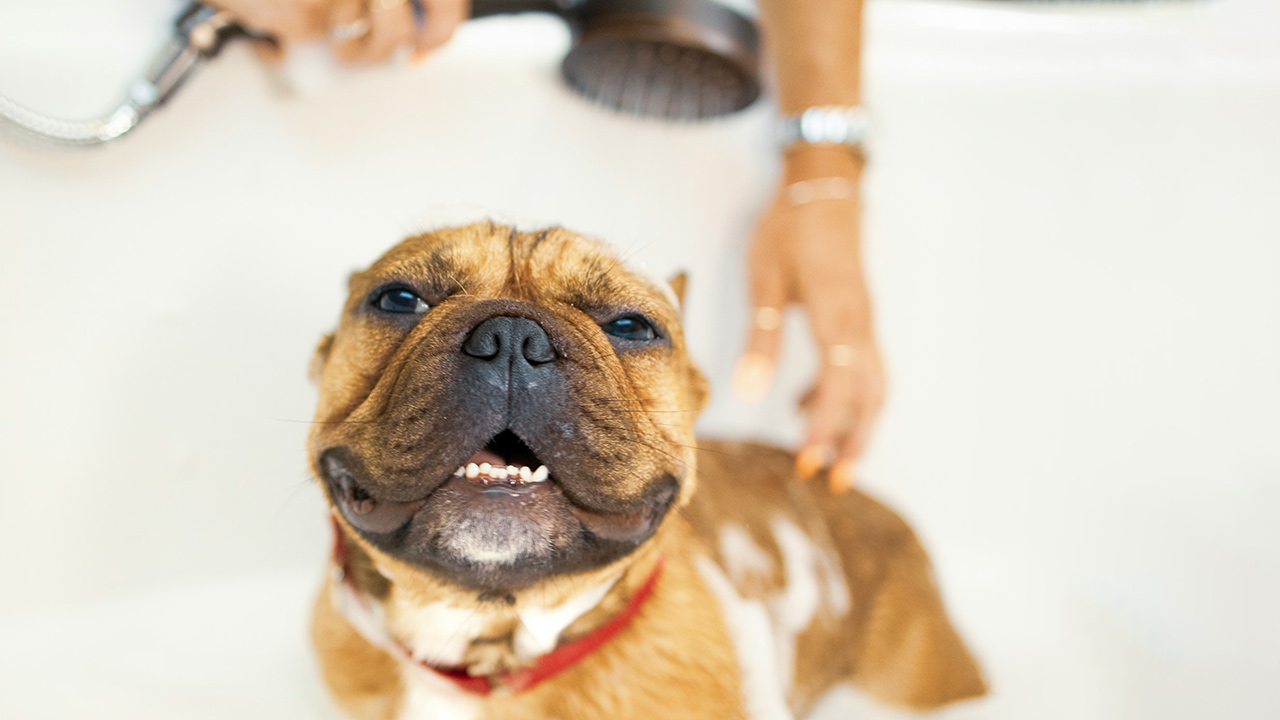
Dogs don’t smell great when they’ve been outside, rolled in something, or skipped a bath. In a small house, that funk doesn’t stay in one room.
Stay ahead with regular baths and air purifiers. It’s not their fault, but it’ll drive you crazy if you let it build up.
Nowhere to Escape During Zoomies

Big zoomies in a tiny house means walls get scuffed, furniture shifts, and toes get stepped on. There’s no safe “runway.”
Let them burn it off outside before bringing them in. You can’t train zoomies out, but you can manage the timing.
Food Bowls End Up in High-Traffic Areas
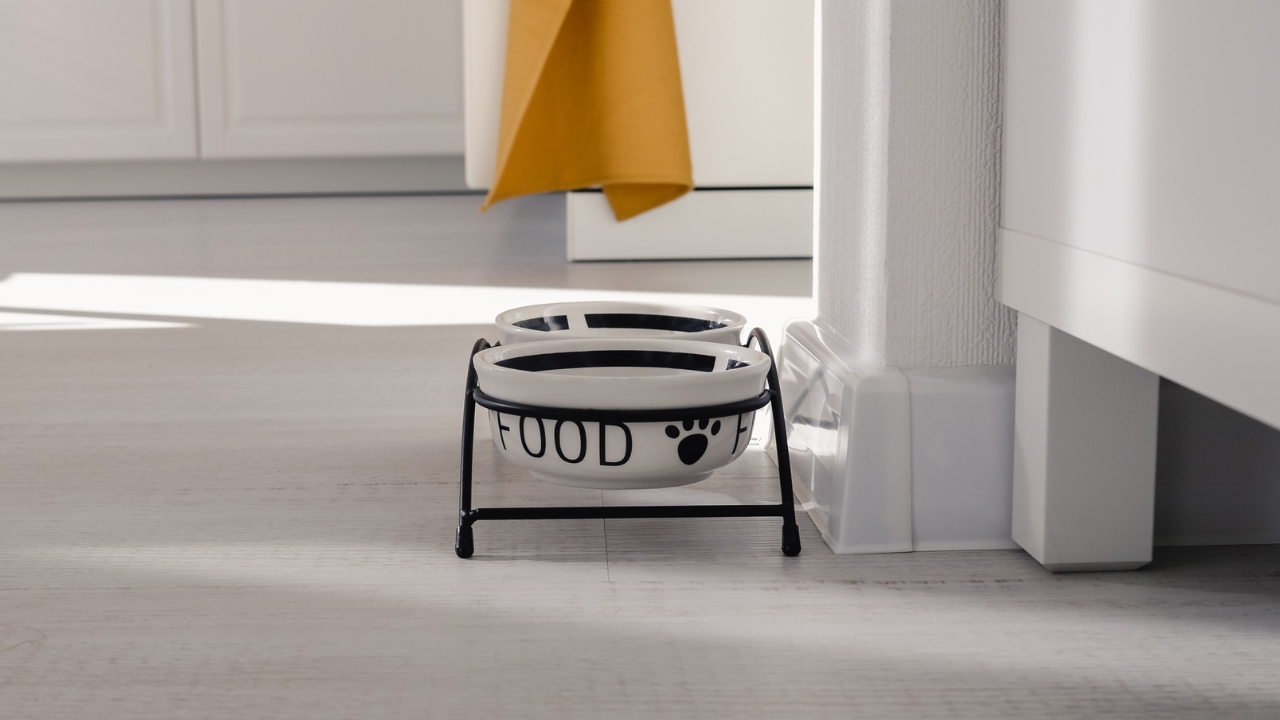
Feeding in a hallway or walkway means bowls get kicked or stepped in, and it stresses dogs out while eating.
Find a low-traffic corner or nook. Even if it’s a little inconvenient for you, it gives them peace during meals.
Visitors Are Always Too Close
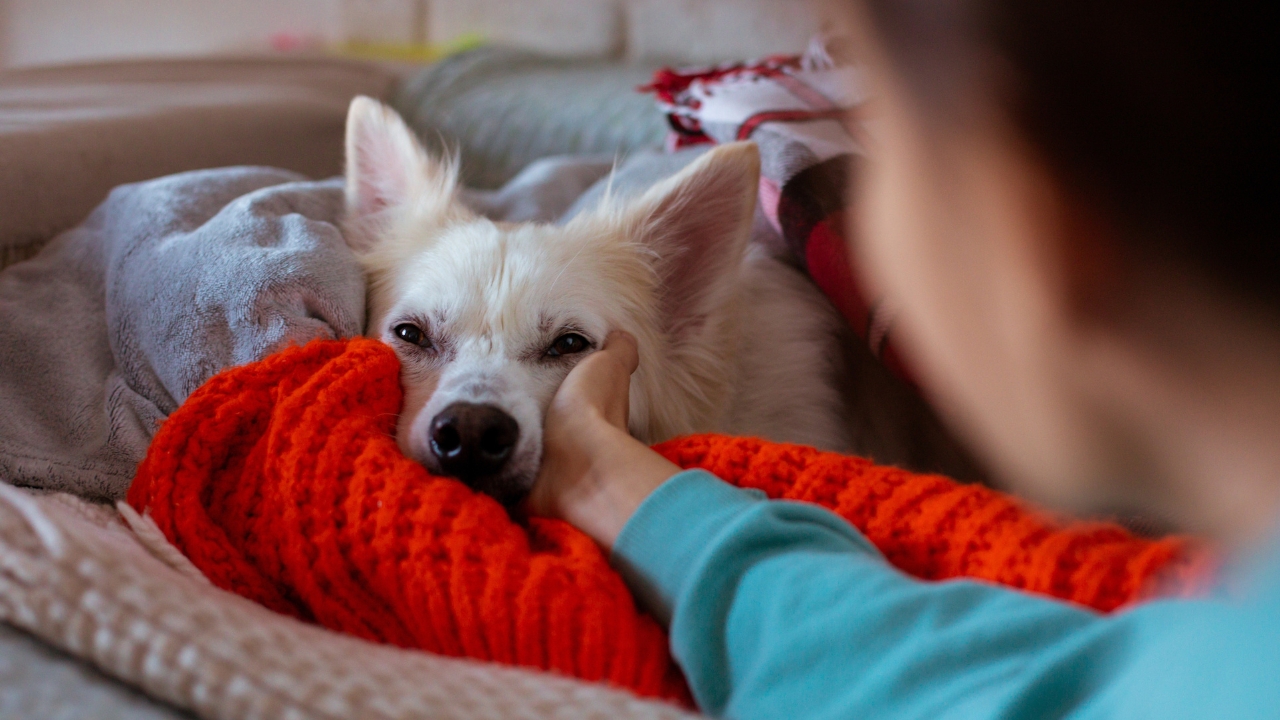
Dogs that need space don’t get it when guests are seated a foot away. It’s harder to manage reactivity or nervousness.
Create a barrier with furniture or gates so your dog can observe from a safe spot. Don’t expect them to adapt without help.
Crate Training Feels Like You’re Losing Space
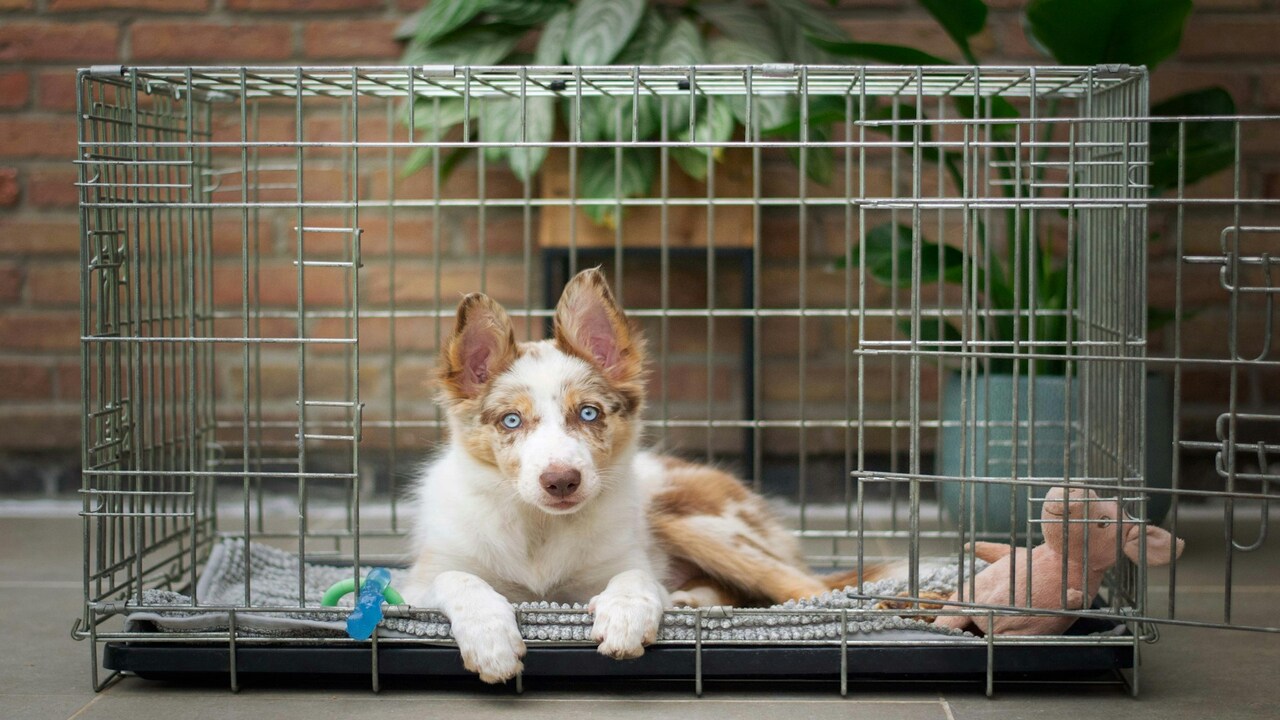
Crates are big, and in a small house, they feel like an obstacle. It’s tempting to skip it or put it in an awkward spot.
Don’t skip it—just get creative. Under counters, tucked beside a couch, or in a converted closet are all better than not crating at all.
You Hear Every Lick, Chew, and Snore
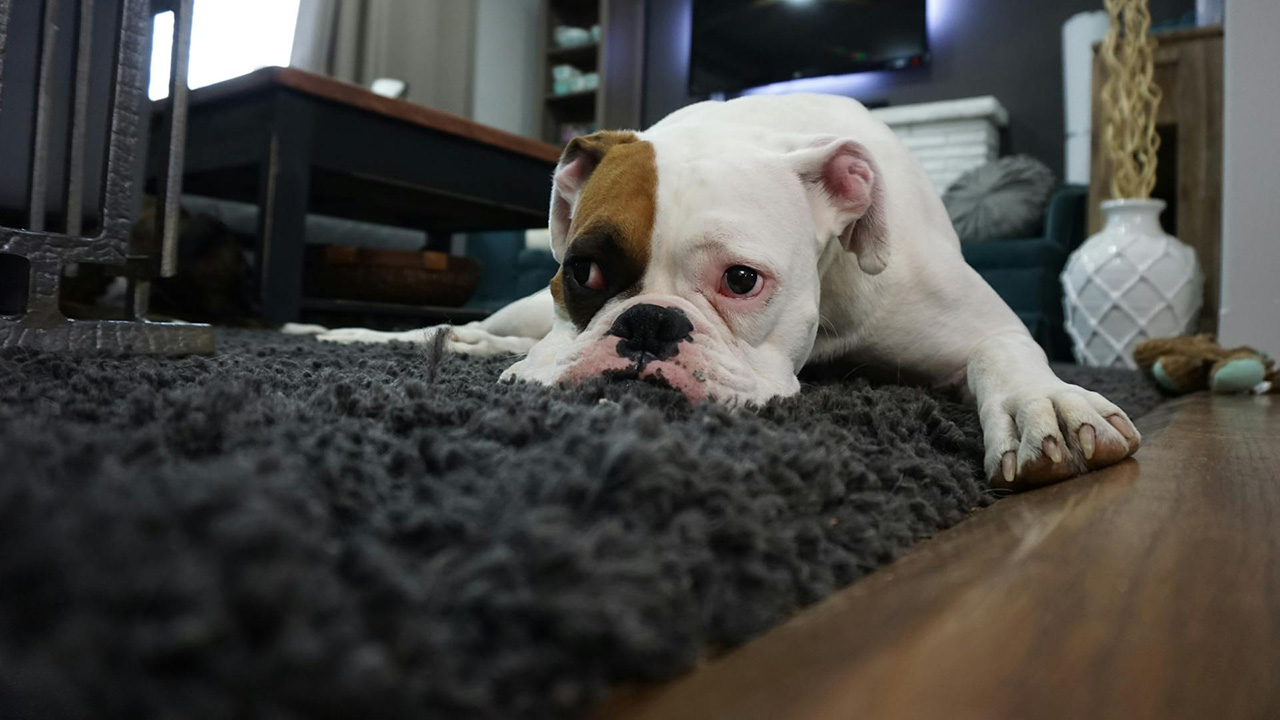
Dogs aren’t exactly subtle. In a small house, those little sounds feel louder—and can wear you down over time.
Keep chew habits in check, offer quiet enrichment like frozen Kongs, and give them wind-down time in a separate room if possible.
Boundaries Are Hard to Enforce
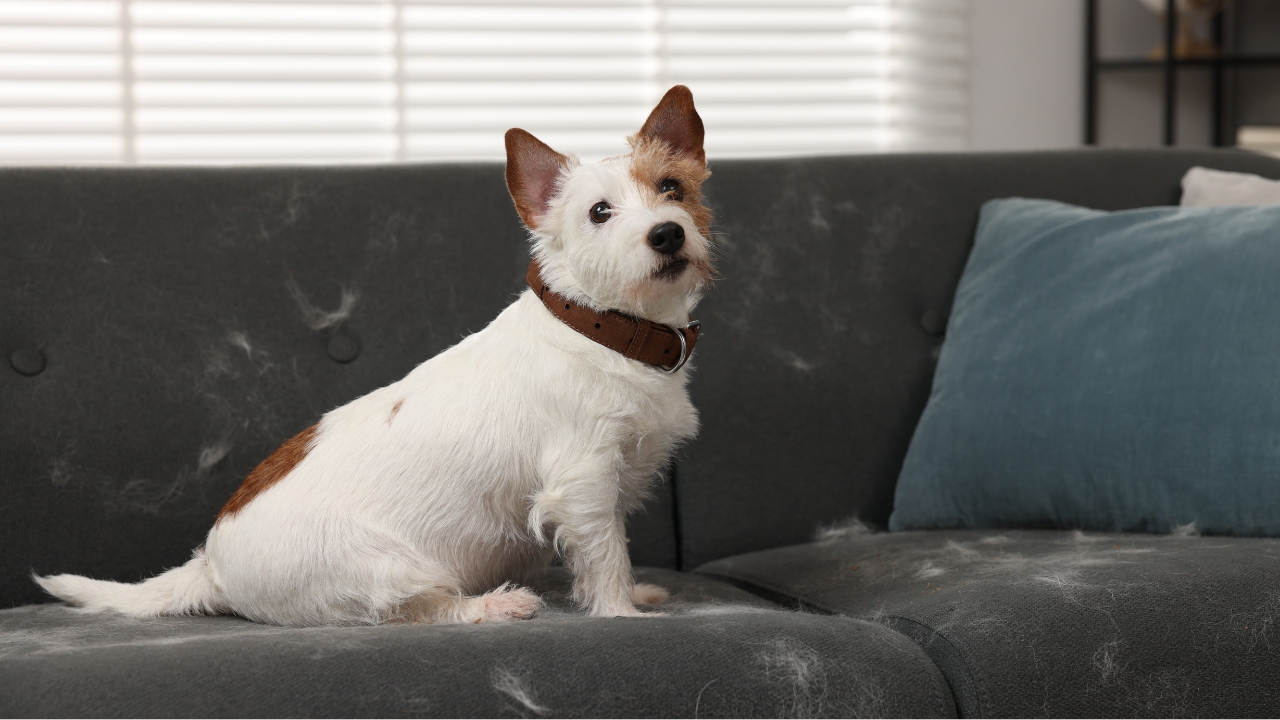
No-dog zones don’t really work when everything is a shared space. It’s harder to reinforce “stay off the couch” when the couch is the only seating.
Pick your must-have rules and be consistent. You can’t win every boundary fight in a small space, but you can control the ones that matter.
Training Distractions Are Constant
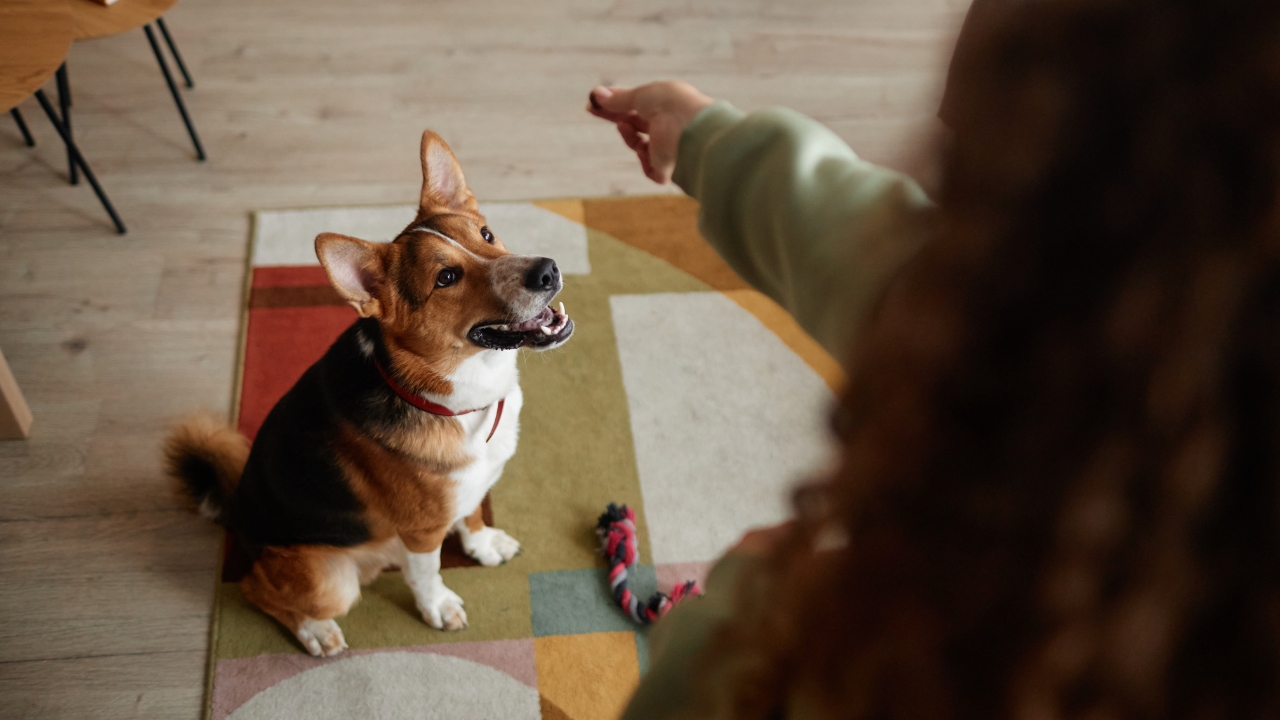
You can’t walk into another room to reset or create distance during a training session. Distractions are everywhere, and they’re constant.
Keep training sessions short and frequent. Control the environment as much as you can, even if that means practicing in the bathroom with the door shut.
*This article was developed with AI-powered tools and has been carefully reviewed by our editors.