
10 Things That Don’t Work in a Small Town
Photo credit: Dean Drobot/Shutterstock.com
Moving to a small town comes with a learning curve. Some things you might’ve relied on in the city either don’t exist or flat-out fall apart once you’re outside city limits. You’ll adapt—but it helps to know ahead of time what doesn’t fly so you’re not left frustrated (or stuck).
Delivery Apps

Most small towns aren’t covered by DoorDash, Uber Eats, or grocery delivery services. And even if you technically can place an order, the wait times or added fees usually aren’t worth it.
You get used to cooking more meals at home and grabbing your own takeout when you’re already headed that direction.
Fast Internet Everywhere

Some houses get decent internet. Others don’t. And even when fiber’s technically in the area, you might be the one property they don’t service.
You’ll find yourself rationing bandwidth, getting used to slower speeds, or relying on Starlink if you’re out in the sticks.
Trying to Stay Anonymous

You can’t disappear into a crowd in a town of 1,500. People notice your truck, your haircut, and how often your dog’s been wandering again.
Privacy matters, but pretending like no one’s watching doesn’t work here—because someone always is.
Complaining at a Business

Getting snippy with someone at the register will backfire. You’re not just dealing with an employee—you’re probably talking to someone’s cousin, neighbor, or Sunday school teacher.
You’ll get further being polite and patient than trying to escalate things like you might in a bigger city.
Assuming Everything’s Open Late
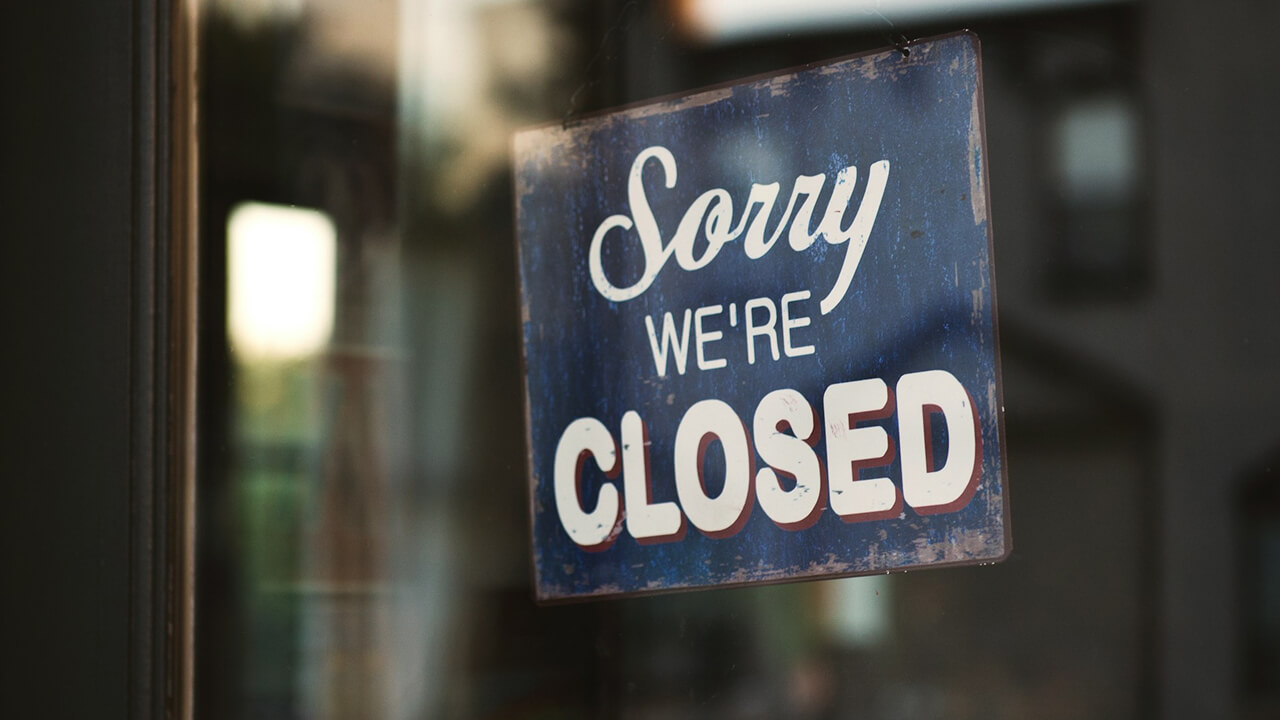
You’re not grabbing milk at 10 p.m. or going out for dinner at 9. Most local places close early, especially during the week.
It takes a little adjusting, but once you get used to it, you start planning better and shopping smarter.
Banking on Next-Day Repairs

If your AC goes out or your truck won’t start, you might be waiting days—sometimes weeks—before someone can fit you in.
There are fewer contractors and mechanics, and everyone’s busy. You learn to be patient or to start figuring out basic fixes yourself.
Acting Like a Big Shot

Flashy talk, bragging, and “do-you-know-who-I-am” energy doesn’t go far here. Most folks care more about how you treat others than what you’ve done.
If you carry yourself with humility and respect, you’ll get that in return—every time.
Hoping for Specialty Items at the Grocery Store

Don’t expect five types of oat milk or gourmet cheese. The local grocery store stocks what people buy—and that usually means basics.
You learn what to grab while you’re in the city and what to live without the rest of the month.
Walking Fast and Ignoring People

If you don’t make eye contact, wave, or stop for a quick “hey,” people notice. It might not seem rude in a bigger place—but here, it’s off-putting.
Even a quick nod goes a long way toward showing you’re part of the community.
Expecting the School to Offer Everything

Small-town schools usually don’t have the same long list of clubs, electives, or extra programs. That doesn’t mean the education is bad—it’s just different.
You’ll see more personal attention and tighter-knit classrooms, but you might need to supplement with outside options or home learning.
*This article was developed with AI-powered tools and has been carefully reviewed by our editors.