10 Ways Your Landscaping Choices Are Actually Attracting Pests
Image Credit: Tanja Esser/ Shutterstock.
Ever feel like your yard is working against you? You’re out there trying to make things look nice, but somehow, mosquitoes, mice, and every wasp in the county think you built it just for them. Turns out, a lot of common landscaping choices invite pests in without you even realizing it.
I’ve learned the hard way that things like thick mulch, overgrown shrubs, and even that cute little bird feeder can turn into a pest magnet fast. If you’re tired of swatting, shooing, and setting traps, it’s time to take a closer look at what’s really going on in your yard. Here’s what might be drawing them in—and what you can do about it.
Overgrown Grass and Weeds
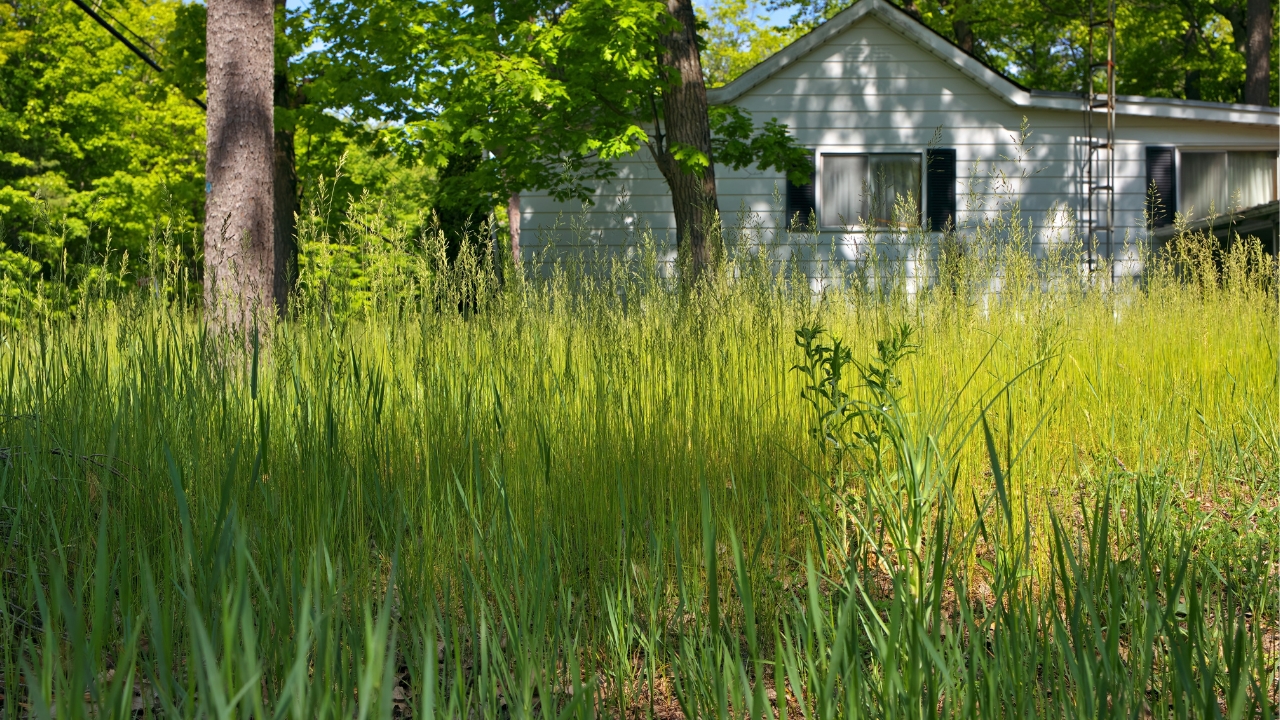
If you’re letting your grass and weeds grow wild, you’re rolling out the welcome mat for pests. Tall grass gives mice, ticks, and mosquitoes the perfect cover to hide and breed. It also traps moisture, making it an even better habitat for unwanted critters.
Keeping grass mowed and trimming around fences, outbuildings, and your house cuts down on hiding spots. If you want to leave some areas natural, push them back from where you walk and work—no sense in inviting ticks and rodents right up to the porch.
Mulch Piled Too High

Too much mulch might look nice, but it’s also a perfect hiding spot for termites, ants, and rodents. Thick layers trap moisture, creating the exact conditions these pests love. If the mulch touches your house, you’re basically giving them a direct path inside.
To avoid turning your landscaping into a pest motel, keep mulch no more than 2–3 inches deep and leave a gap between mulch and your foundation. If you want an extra layer of protection, go with cedar mulch—termites and ants aren’t big fans of the smell.
Standing Water
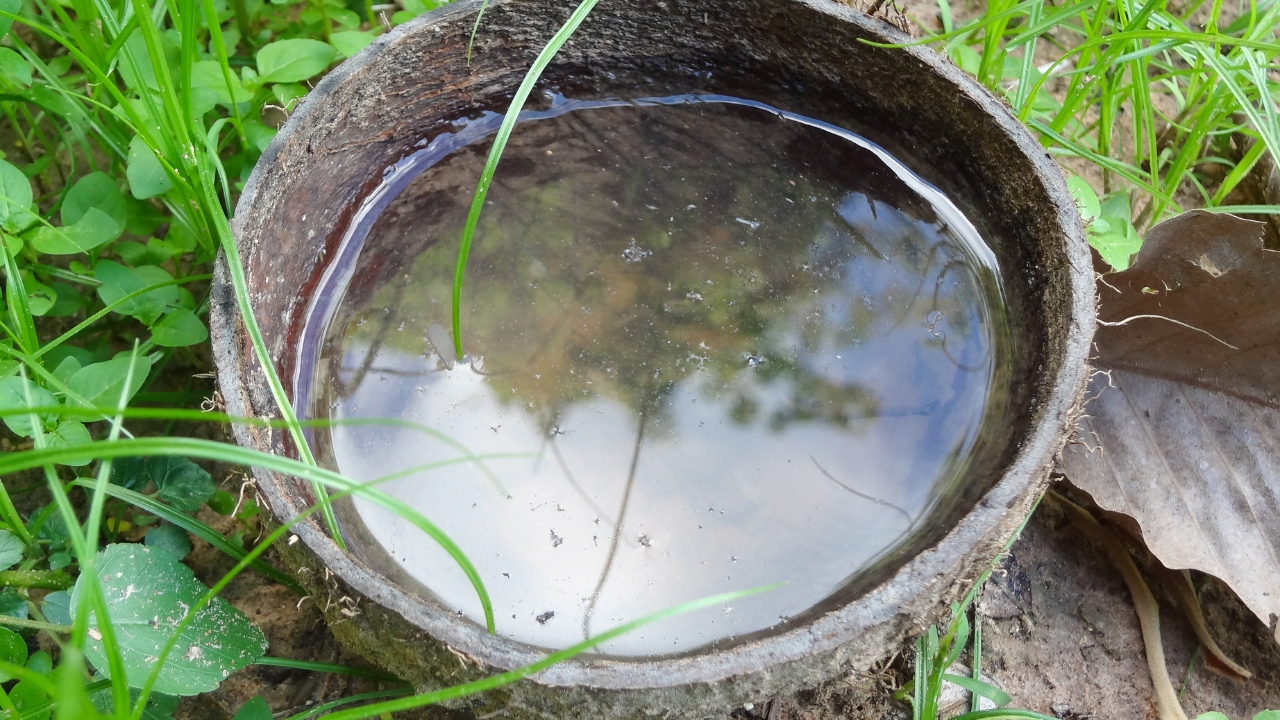
Nothing invites mosquitoes like standing water. It doesn’t take much—an old bucket, a clogged gutter, or a plant saucer left out in the rain can turn into a breeding ground overnight.
The best way to stop this is by eliminating places where water collects. Dump anything that holds rainwater, clear out gutters, and if you have a pond or birdbath, keep the water moving with a pump or aerator. Moving water makes it a lot harder for mosquitoes to lay eggs.
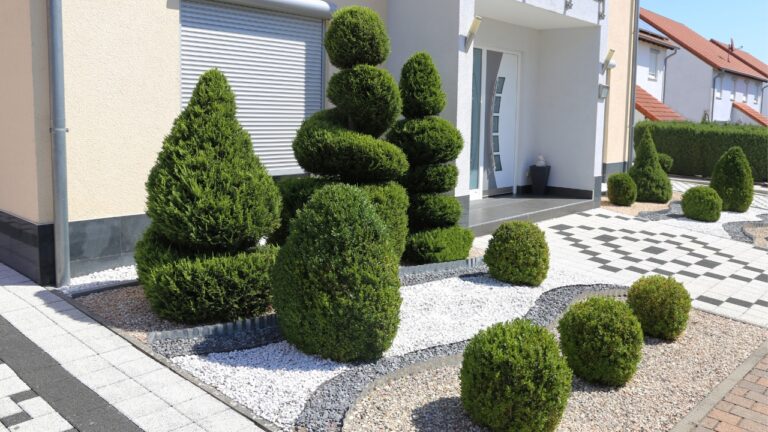
Too Many Bushes Close to the House

Bushes up against your house might look nice, but they also create the perfect cover for rodents, insects, and even snakes. Pests use overgrown shrubs as a hidden highway to find ways inside, especially near windows and crawl spaces.
Keep at least a foot of space between your house and any bushes. Trimming them back not only cuts off access for pests, but it also improves airflow and reduces moisture buildup—two things that help keep bugs and rodents in check.
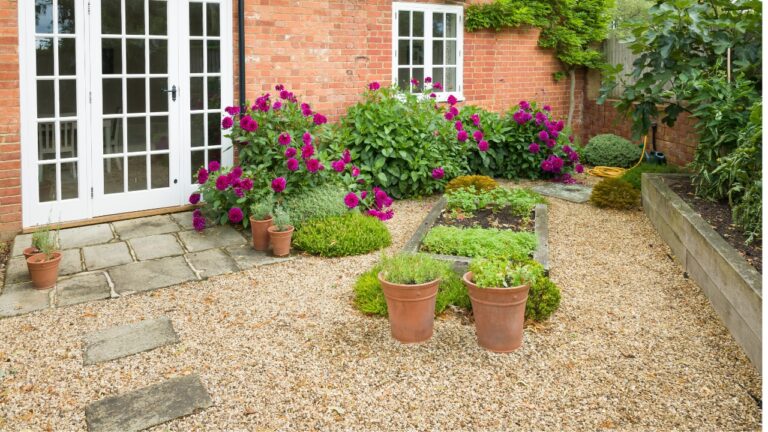
Sweet-Smelling Flowers Near Entryways

Bees and butterflies aren’t the only things drawn to nectar-heavy flowers—so are wasps, ants, and flies. If you’ve got strongly scented flowers right by your doors and windows, you’re practically luring pests straight into your house.
If you want flowers near your home, stick to low-fragrance varieties or plant the more fragrant ones away from entry points. You can also choose plants like marigolds or lavender, which actually help repel some pests instead of attracting them.
Bird Feeders Too Close to the House

A bird feeder set too close to your home might as well be a rodent buffet. Mice, squirrels, and raccoons love spilled birdseed, and once they figure out there’s food nearby, they start looking for ways inside.
To keep pests away, place feeders at least 10–15 feet from your house and use a seed tray to catch spills. Also, clean up the ground under the feeder every few days—less mess means fewer critters sniffing around.
Fruit Trees Without Regular Cleanup

If you’ve got fruit trees, leaving fallen fruit on the ground is like ringing the dinner bell for ants, wasps, and rodents. Overripe fruit ferments quickly, making it even more appealing to pests looking for an easy meal.
The fix is simple: pick up fallen fruit regularly and harvest ripe fruit before it drops. If you compost fruit scraps, keep the bin sealed tight so it doesn’t turn into a pest hotspot.
Wood Piles Left Near the House
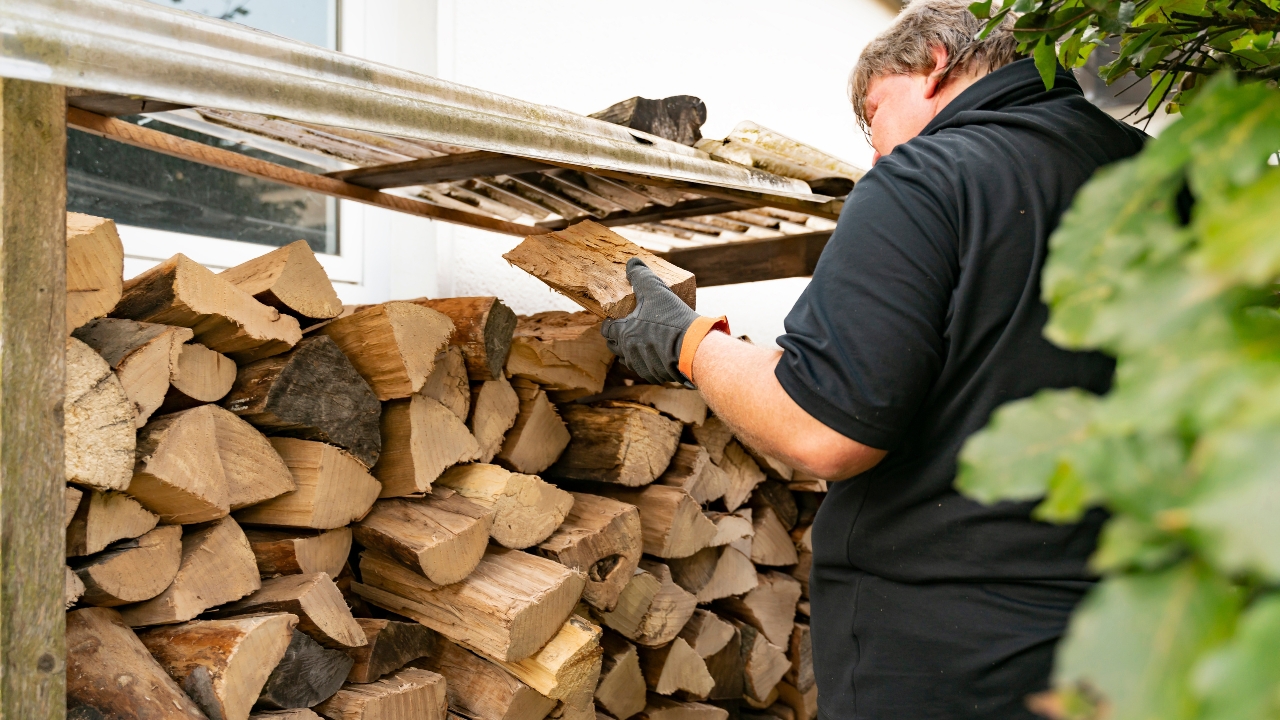
Stacking firewood against your house might be convenient, but it’s also a great way to invite termites, mice, and even snakes to move in. Piles of wood trap moisture and provide cover, making them an ideal nesting spot for pests.
Keep firewood at least 20 feet from your house, and stack it off the ground on a rack to improve airflow. This keeps the wood dry and makes it a lot less attractive to unwanted visitors.
Decorative Ponds Without Circulation
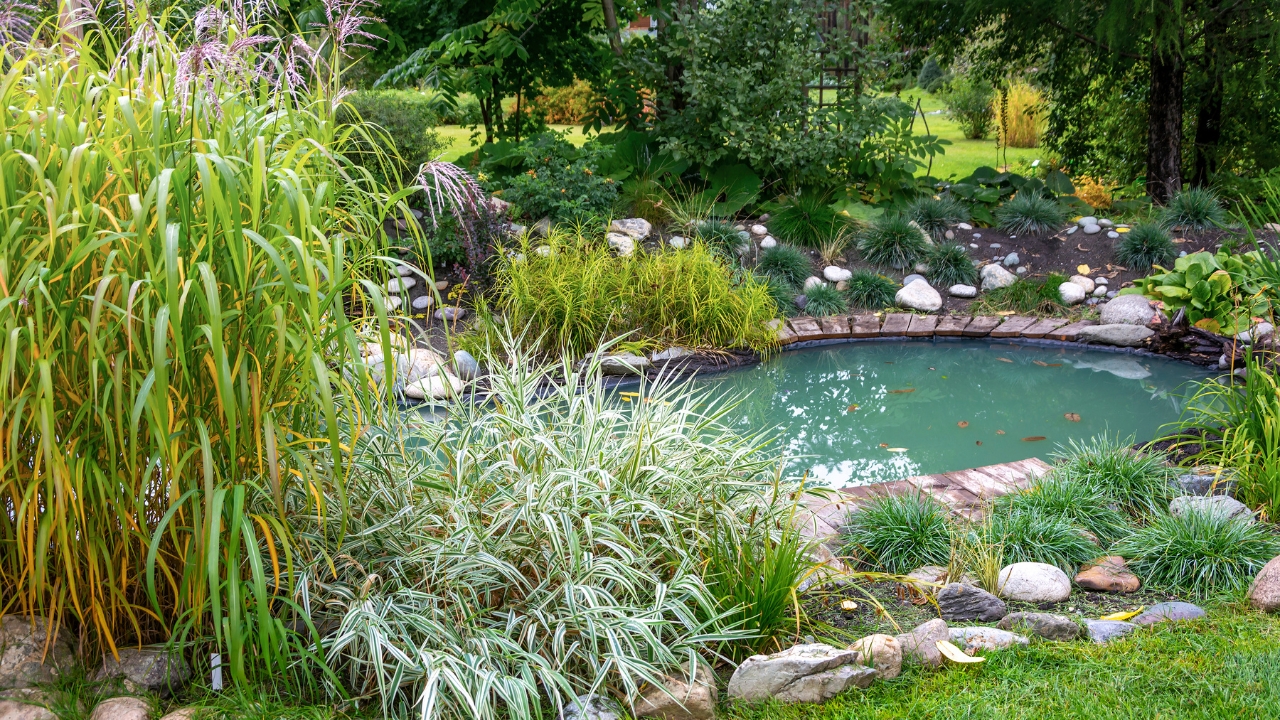
A still, stagnant pond might look nice, but it’s also a breeding ground for mosquitoes. Without circulation, the water quickly becomes a mosquito nursery, leading to more bugs swarming your yard.
If you have a pond, add a small pump, bubbler, or fountain to keep the water moving. This not only keeps mosquitoes from laying eggs, but it also improves water quality by reducing algae growth.
Unsealed Compost Bins
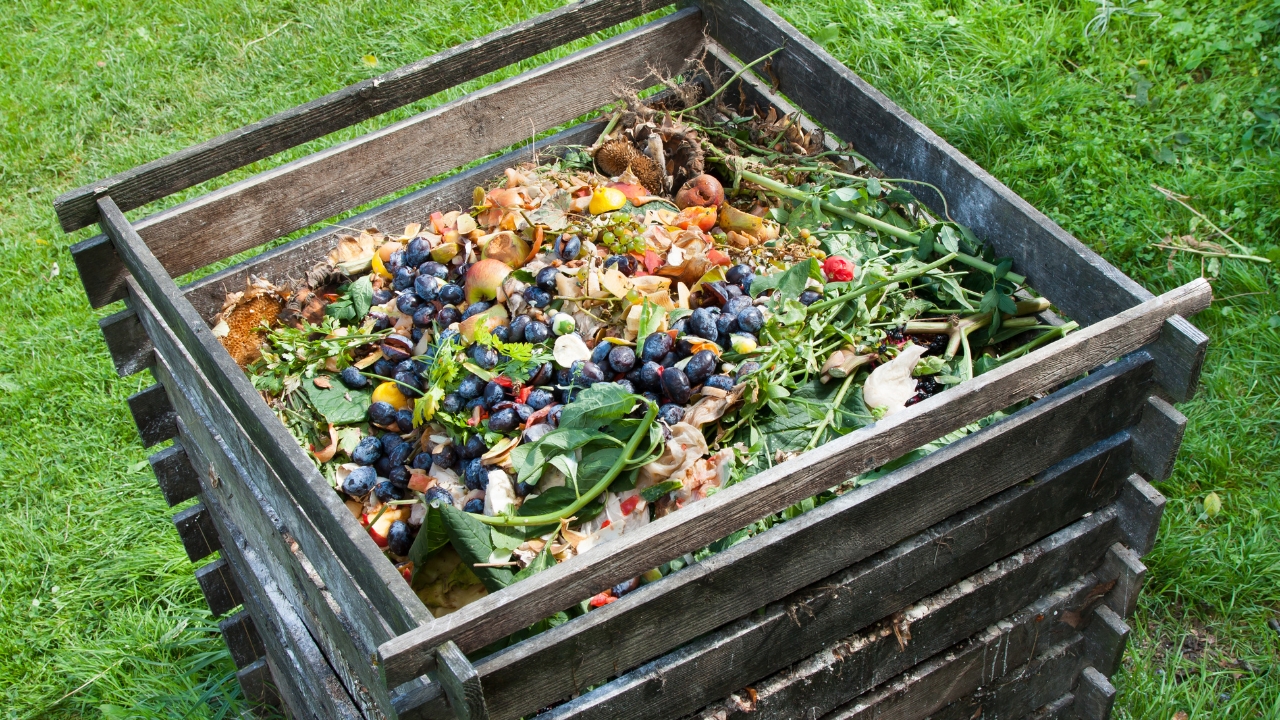
Composting is great for the garden, but an open compost pile can attract rats, raccoons, flies, and other scavengers. If food scraps are sitting out, it’s only a matter of time before something comes looking for a free meal.
To keep pests out, use a sealed compost bin and avoid adding things like meat, dairy, or oily foods, which attract animals even faster. If you have an open pile, bury food scraps under a layer of brown material (like leaves or straw) to help mask the scent.
Like Fix It Homestead’s content? Be sure to follow us.