7 Things You Should Never Use to Mulch Your Garden
Image Credit: Mariana Serdynska/ Shutterstock.
Mulch is supposed to help your garden, not make you regret every decision that led you to this point. But trust me, using the wrong stuff can turn your garden into a weed-infested, pest-attracting, plant-strangling mess faster than you’d think.
I’ve seen people mulch with everything from fresh grass clippings to literal rubber, thinking they were doing their plants a favor—only to end up with moldy sludge, nitrogen-starved soil, or a termite buffet. If you want to keep your garden happy (and avoid a disaster), here are seven things you should never use as mulch—and what to do instead.
Rubber Mulch
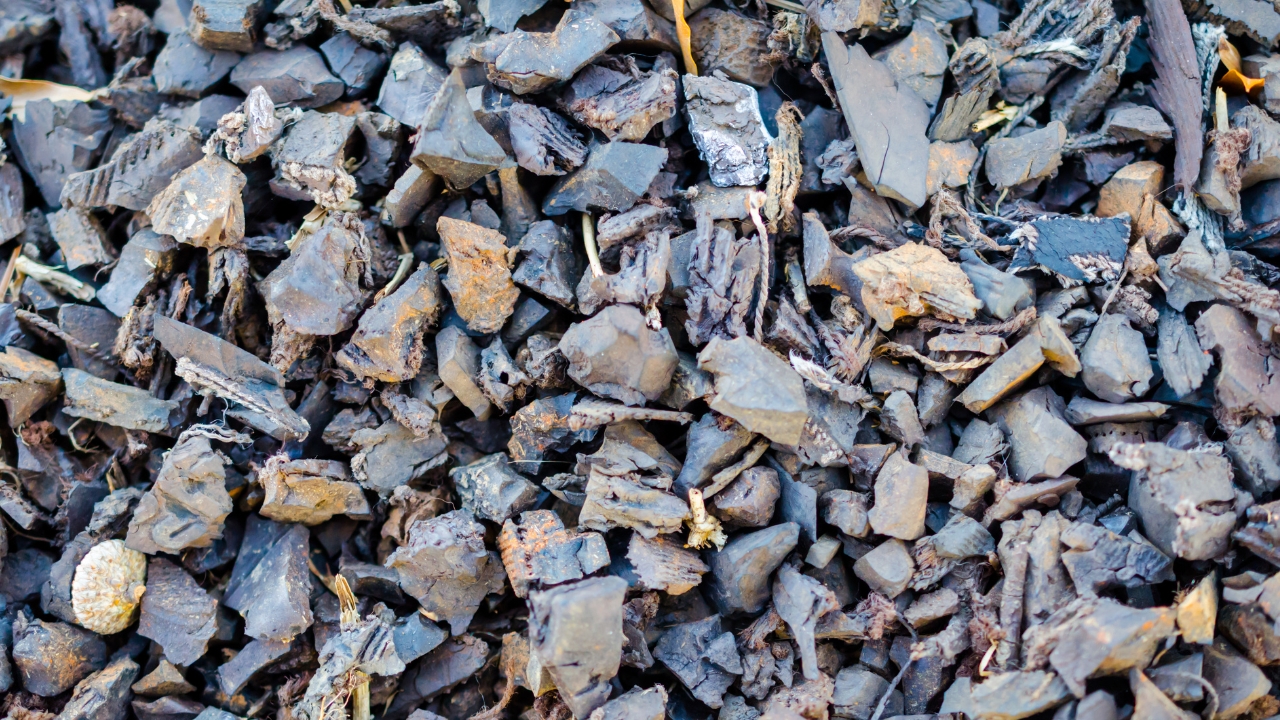
Rubber mulch might seem like a good idea—it doesn’t break down, keeps weeds down, and looks nice for a long time. But that’s exactly the problem. It doesn’t add nutrients to the soil, and over time, it can leach chemicals that aren’t good for your plants or the environment.
Another issue is heat. Rubber mulch absorbs and holds onto heat, which can stress out plants, especially in the summer. If you’re looking for something long-lasting, stick with organic mulch like wood chips or straw, which decompose over time and improve soil quality.
Dyed Wood Mulch
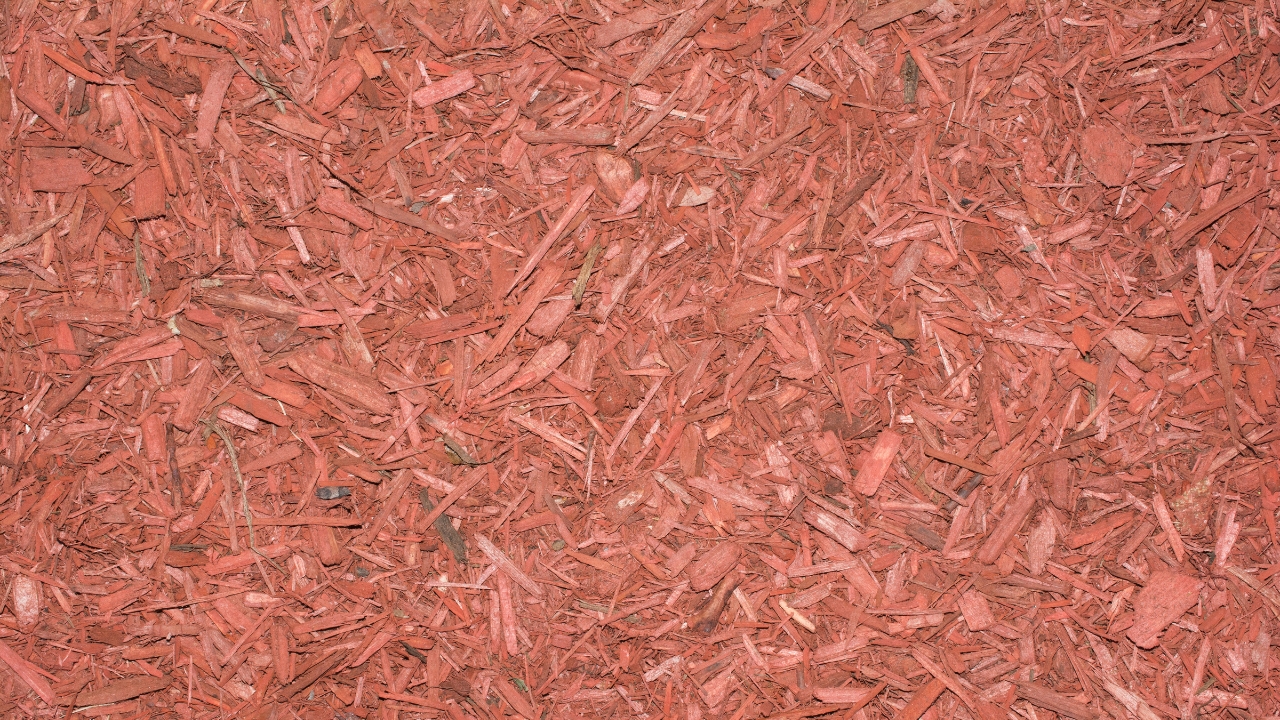
That bright red, black, or brown mulch you see in big box stores might look good at first, but it’s not always the best choice for your garden. Many dyed mulches are made from recycled wood, including old pallets or even pressure-treated wood, which may contain chemicals like arsenic and formaldehyde.
The dyes themselves can also introduce unnecessary chemicals into your soil, and as the mulch breaks down, it doesn’t add much value to your garden. If you like the look of wood mulch, go for natural, untreated varieties that will actually improve soil health over time.
Fresh Wood Chips
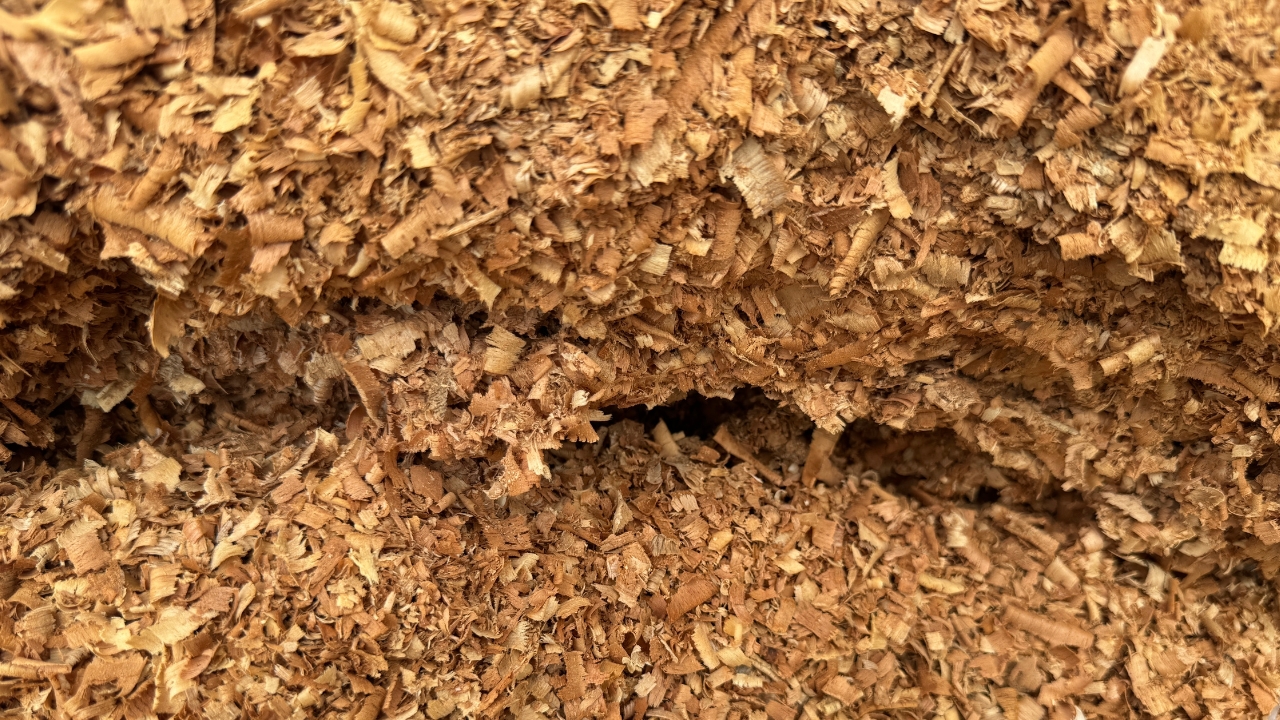
Wood chips are fine if used correctly, but fresh wood chips can cause problems when they start to decompose. As they break down, they pull nitrogen from the soil, which can starve your plants of an essential nutrient.
If you want to use wood chips, age them for a year before adding them to your garden or keep them as a top layer, rather than mixing them into the soil. They work well as a path cover or around trees and shrubs but should be used carefully in vegetable gardens.
Hay
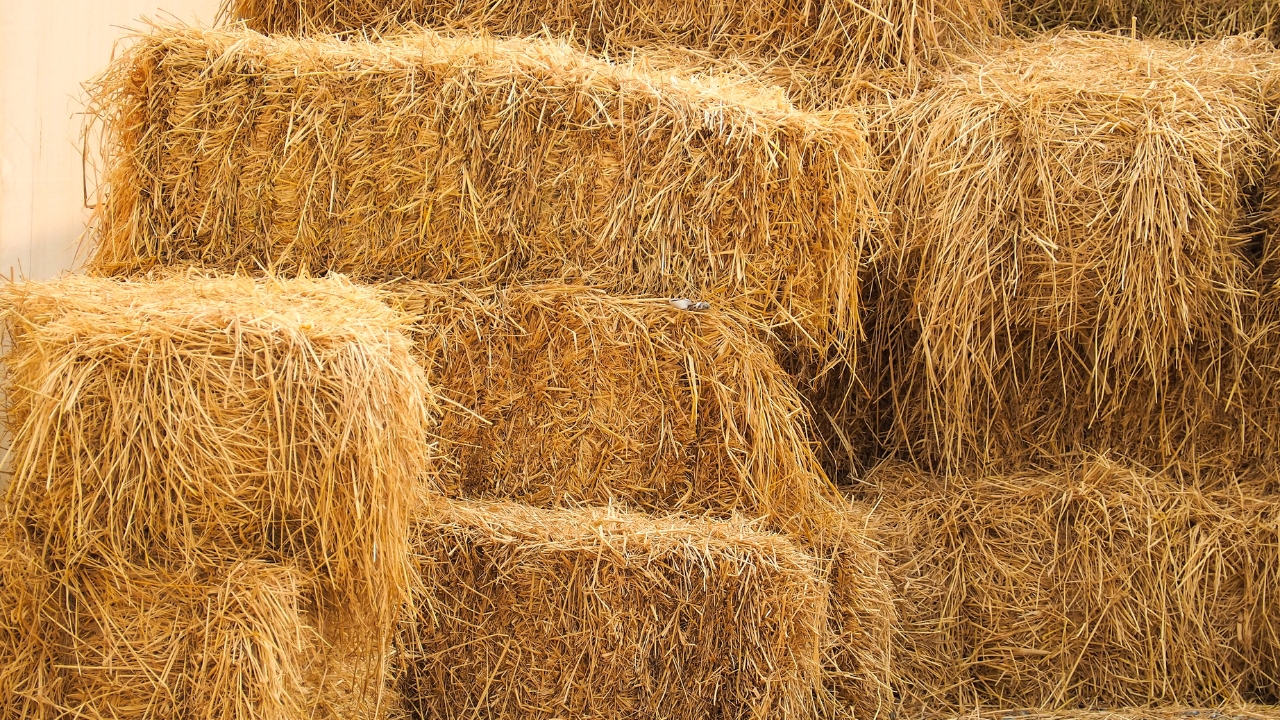
Using hay as mulch might seem like a cheap and easy option, but unless you know exactly where it came from, you’re probably introducing a ton of weed seeds into your garden. Once those sprout, you’ll be dealing with an endless battle to keep your plants from being choked out.
If you want to use something similar, straw is a better option. Unlike hay, straw is mostly seed-free and can help retain moisture while preventing weeds. Just make sure you’re buying clean, weed-free straw from a trusted source.
Grass Clippings (In Thick Layers)
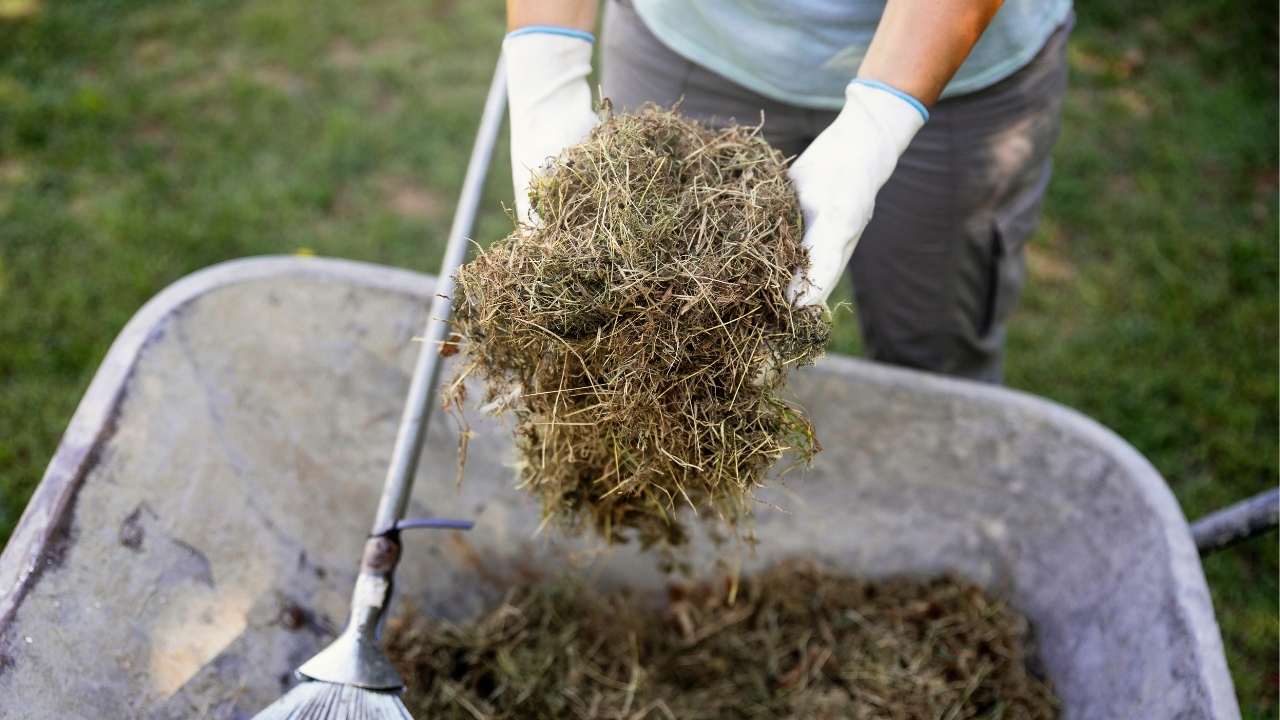
Grass clippings can be useful in the garden, but piling them on too thick is a problem. When layered heavily, they compact and create a thick mat that blocks water and air from getting through. Instead of breaking down into a nutrient-rich mulch, they turn slimy and moldy.
If you want to use grass clippings, let them dry out first and then spread them in a thin layer. You can also mix them with other organic materials like leaves to keep them from matting together.
Pine Needles in Large Amounts
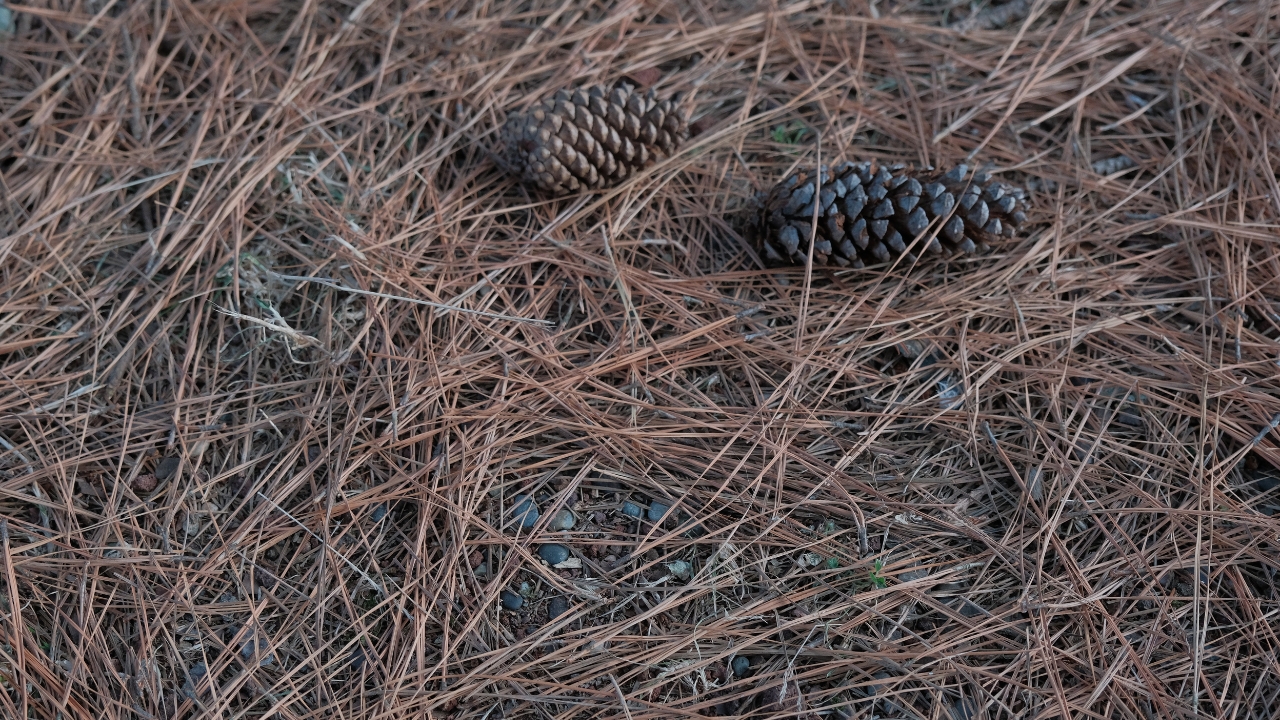
Pine needles break down very slowly and can acidify the soil, which isn’t great for most garden plants. While they work well around acid-loving plants like blueberries or azaleas, too many pine needles can throw off soil pH and create problems for your vegetables or flowers.
If you do use pine needles, use them sparingly and mix them with other organic materials to balance things out. They’re great for pathways or erosion control but shouldn’t be your primary mulch unless you’re growing plants that prefer acidic soil.
Sawdust
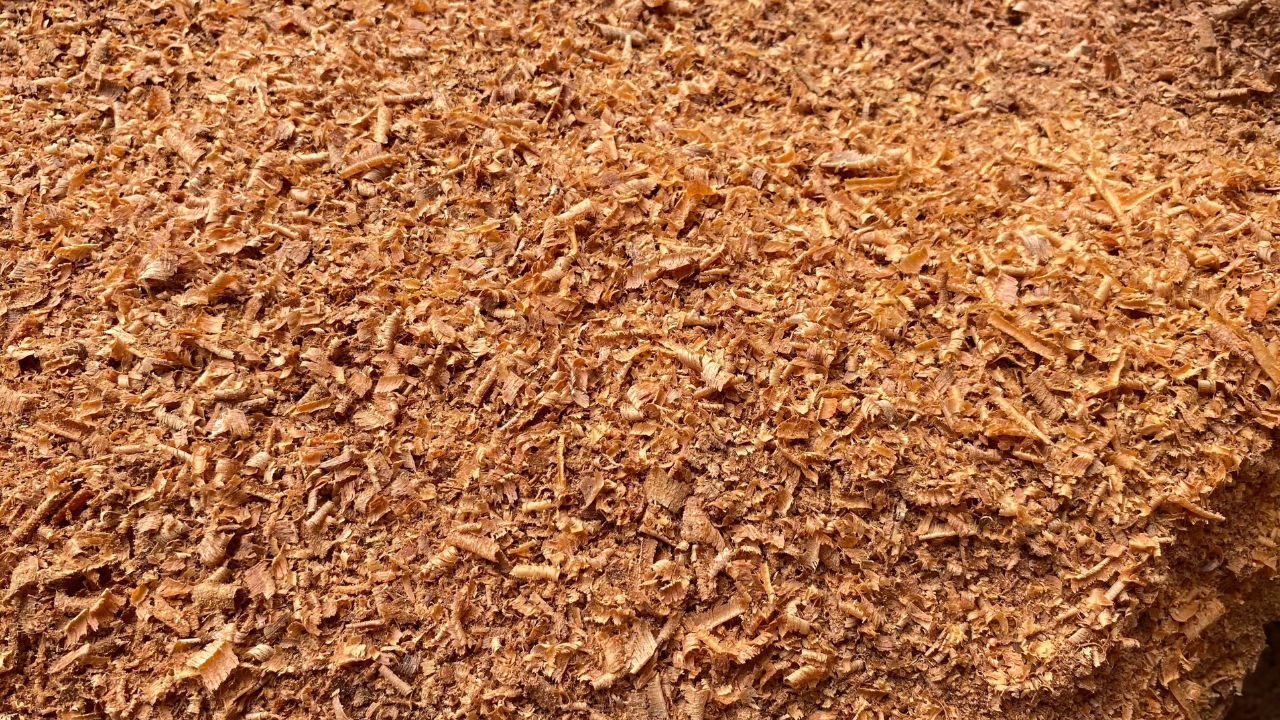
Sawdust might seem like an easy way to cover the soil, but it compacts too much and soaks up nitrogen, which can starve plants as it breaks down. It also repels water, making it tough for moisture to reach plant roots.
If you really want to use sawdust, let it age and mix it with other composted materials before adding it to the garden. It can work in small amounts, but on its own, it’s more trouble than it’s worth.
Like Fix It Homestead’s content? Be sure to follow us.