
The 10 Best Crops to Grow If You Want to Be More Self-Reliant
Image Credit: Viktor Sergeevich/ Shutterstock.com.
If you want to be more self-reliant, you need to grow crops that actually pull their weight. That means plants that produce a lot, store well, and give you real nutrition—not just something that looks nice in the garden.
The key is growing food that works for you, not the other way around. If you’re looking to stock your pantry, cut down on feed costs, and keep your homestead running strong, these are the crops worth planting.
Potatoes

Potatoes are one of the best survival crops out there. They produce a huge harvest in a small space, provide essential carbs, and store well through the winter. A single 10-foot row can yield 20 to 30 pounds of food, making it an easy way to stockpile calories.
They’re also low-maintenance. As long as the soil is loose and well-draining, potatoes will thrive with minimal attention. For long-term storage, they need a cool, dark, and well-ventilated space. If stored properly, they can last four to six months.
Corn
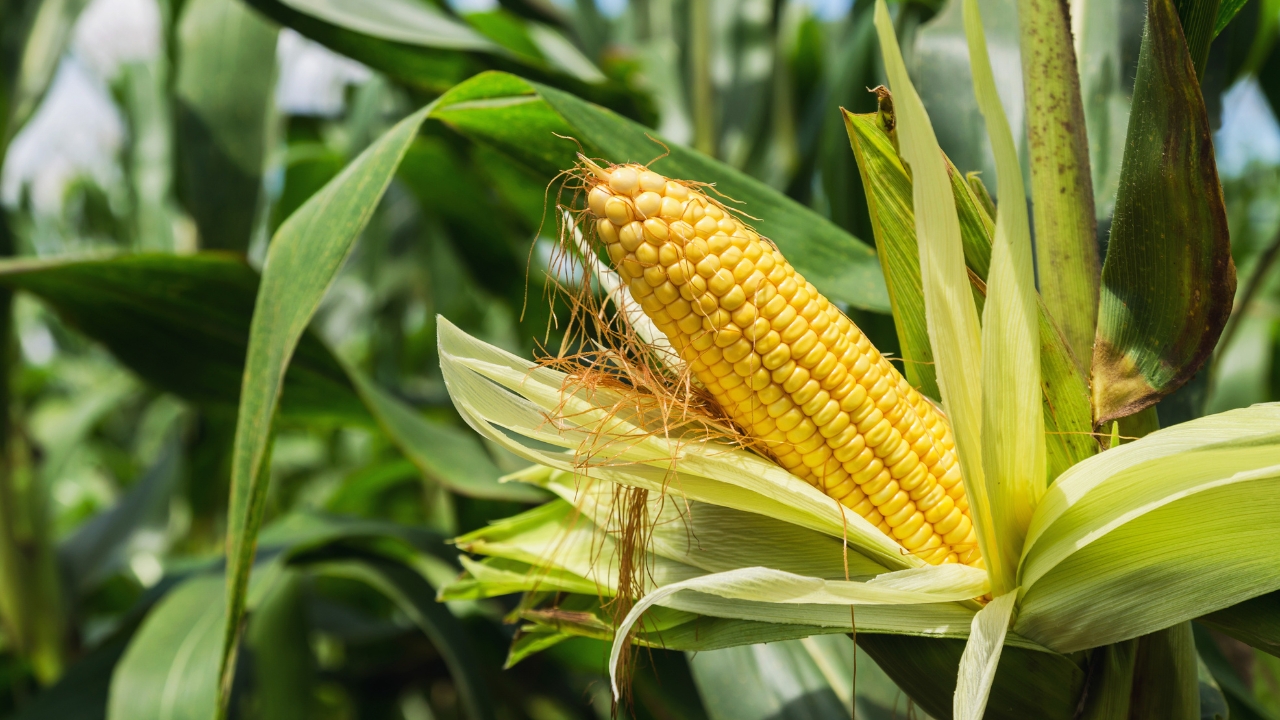
Corn is a powerhouse crop that serves multiple purposes. It’s a staple food, a solid source of animal feed, and can even be turned into cornmeal or fuel. Unlike other grains, it’s easy to grow without a lot of special equipment.
Dent and flint corn varieties are the best for self-sufficiency since they can be dried and stored long-term. Sweet corn is great for fresh eating, but it doesn’t have the same staying power. No matter which type you grow, corn loves warm weather and rich soil, so proper fertilization and full sun are key to a strong harvest.
Beans

Beans are one of the best protein sources you can grow. They’re easy to cultivate, improve soil fertility by fixing nitrogen, and store well after drying. Whether you go for green beans, lima beans, or dry beans like pinto or black beans, they’re a solid addition to any self-sufficient homestead.
Pole beans need trellises, but they produce for longer than bush beans. If you want a steady supply of protein throughout the season, planting both types is a smart move. Once dried, beans can last for years in proper storage.
Wheat
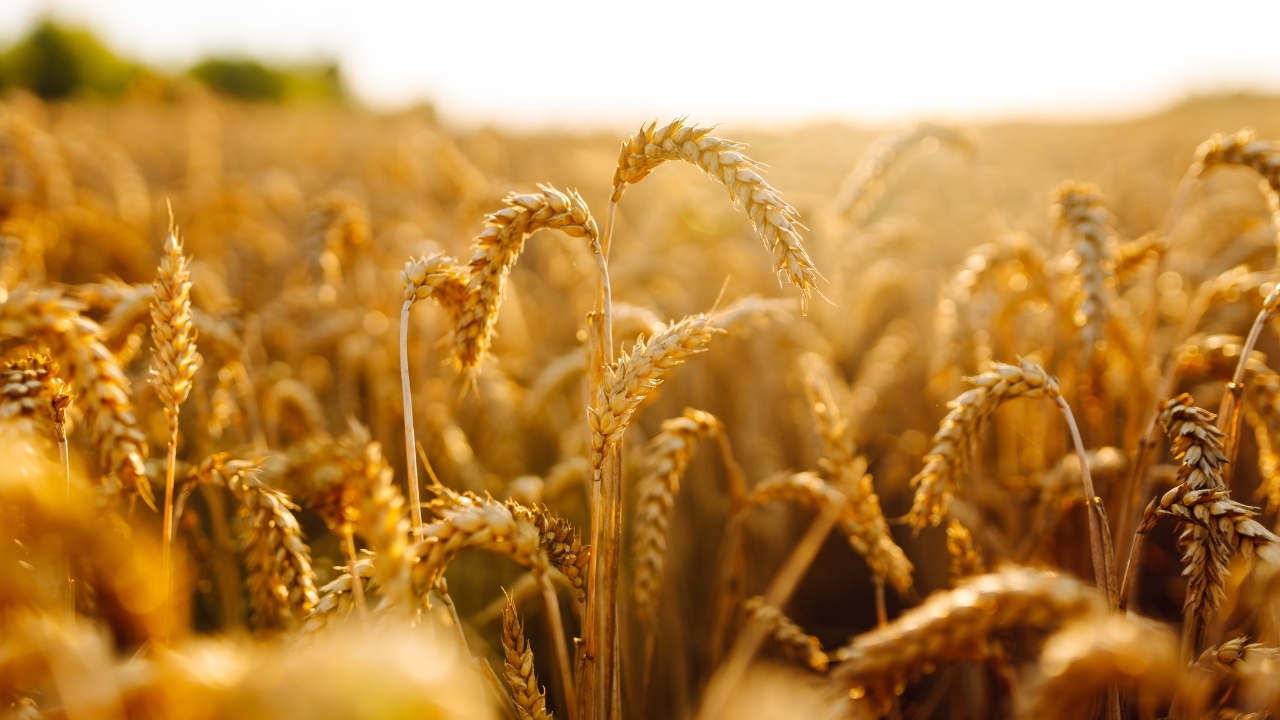
Wheat is a long-term investment that pays off when it comes to self-reliance. It provides the basic ingredient for bread, pasta, and baked goods, and it’s easy to store in bulk. A small plot can yield enough grain to make several months’ worth of flour.
It does take some effort to harvest and process, but it’s not as hard as people think. Hard red wheat is the best variety for bread-making, while soft white wheat is ideal for pastries.
Sweet Potatoes
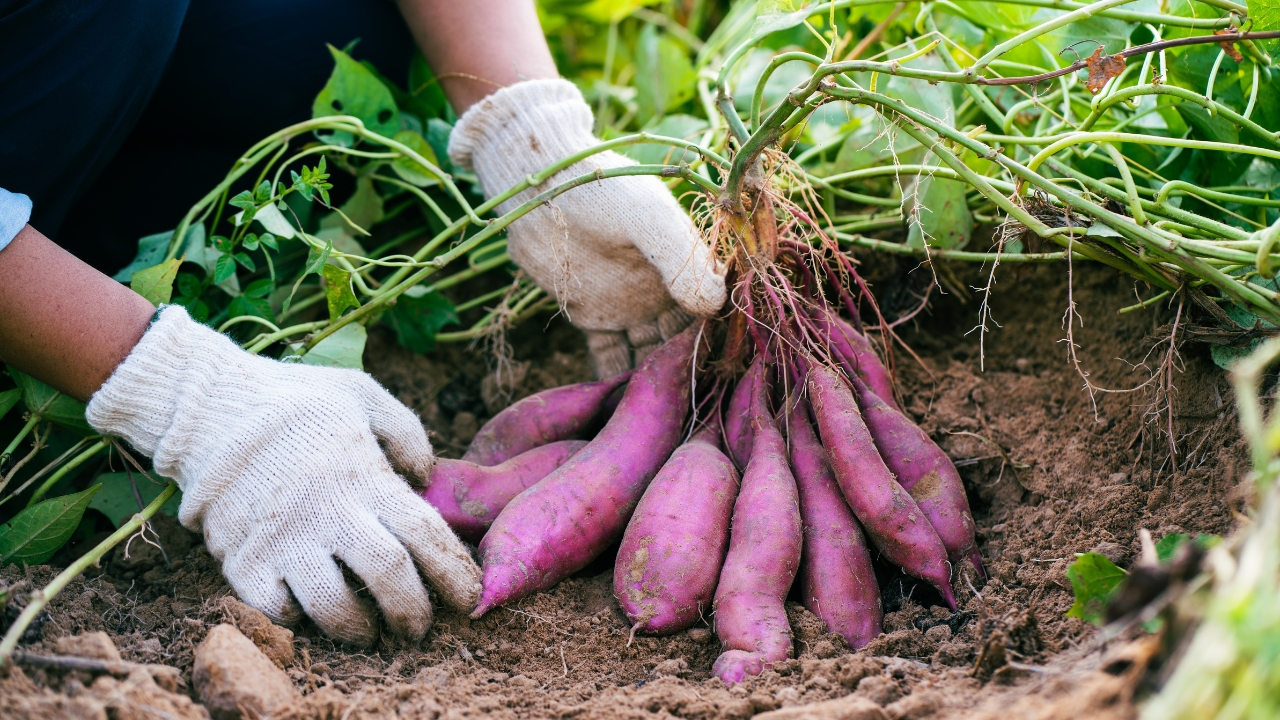
Sweet potatoes thrive in hot weather and are one of the most nutrient-dense crops you can grow. They provide carbs, vitamins, and fiber, making them a valuable food source. Unlike regular potatoes, sweet potatoes store even longer—sometimes up to a year in the right conditions.
They’re also incredibly easy to grow. Once planted, they mostly take care of themselves, and even their vines can be fed to livestock. If food security is the goal, a good sweet potato harvest can keep you stocked up for months.
Cabbage
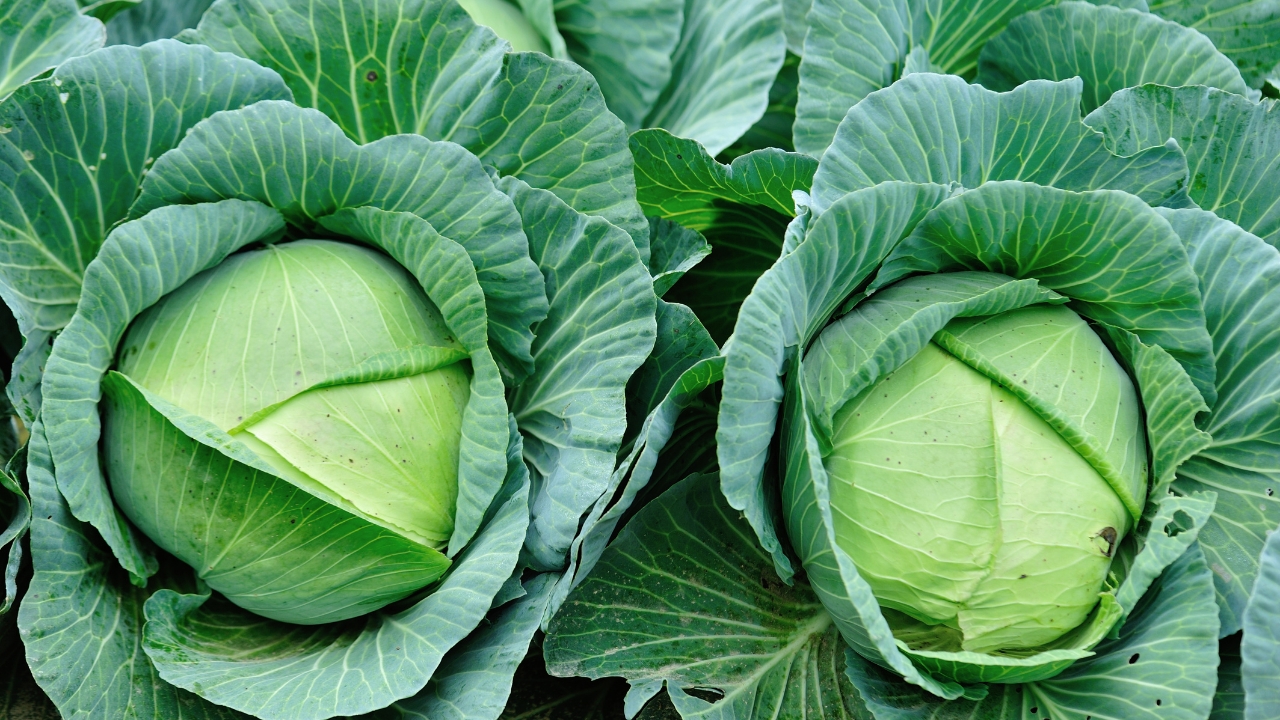
Cabbage is a tough, nutrient-dense crop that’s great for fresh eating, fermenting, and long-term storage. It’s packed with vitamins and grows well in cooler temperatures, making it a great fall crop.
One of its biggest benefits is its versatility in preservation. It can be made into sauerkraut, fermented for probiotics, or stored whole for months in a root cellar. If space is tight, look for smaller, fast-growing varieties that still produce large, dense heads.
Carrots
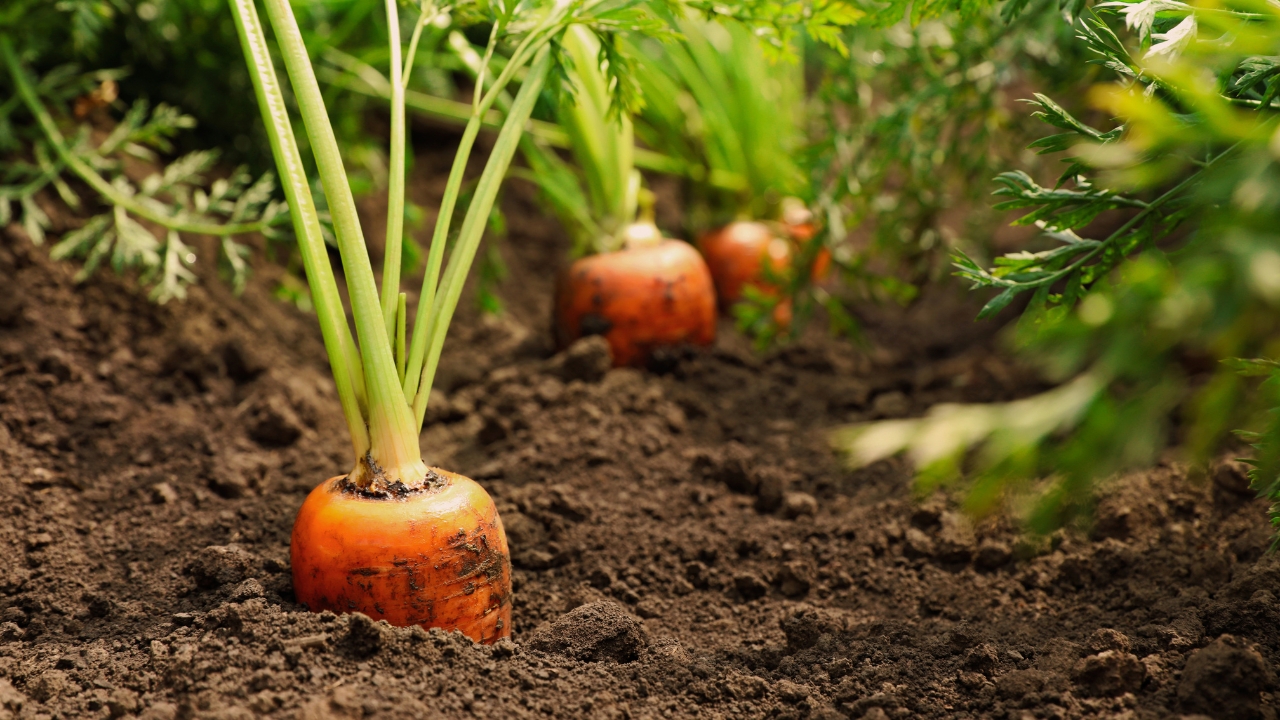
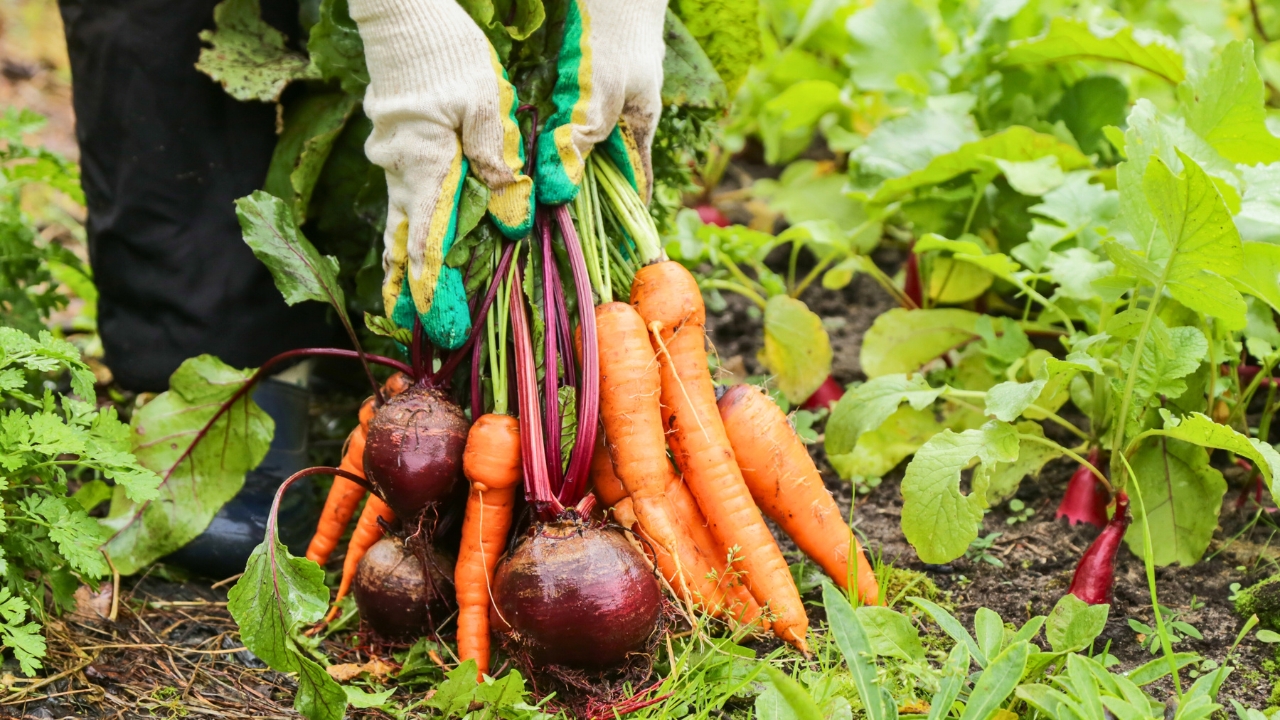
Carrots are an easy, high-yield crop that thrives in most climates. They’re nutrient-dense, store well, and require very little maintenance. Unlike some vegetables, carrots can stay in the ground even after frost, making them a reliable cool-season crop.
To keep them fresh, store them in damp sand or sawdust in a root cellar. If properly stored, they can last for months, providing a steady supply of food when other crops aren’t producing.
Garlic
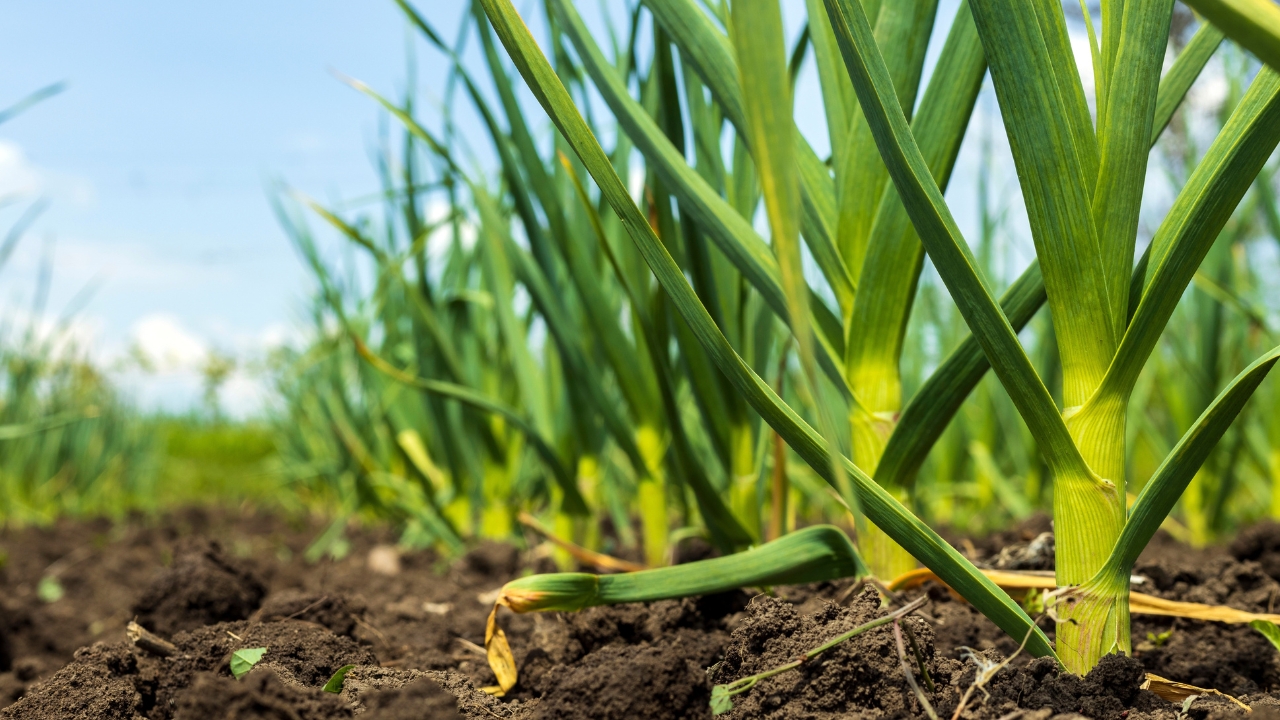
Garlic is an essential crop for cooking, medicine, and even pest control. It’s incredibly low-maintenance and stores for up to a year when cured properly. One small planting in the fall will give you a harvest the following summer with very little effort.
Beyond the kitchen, garlic has natural antibacterial and antifungal properties, which makes it great for home remedies. It’s also great for repelling certain pests in the garden.
Pumpkins and Winter Squash
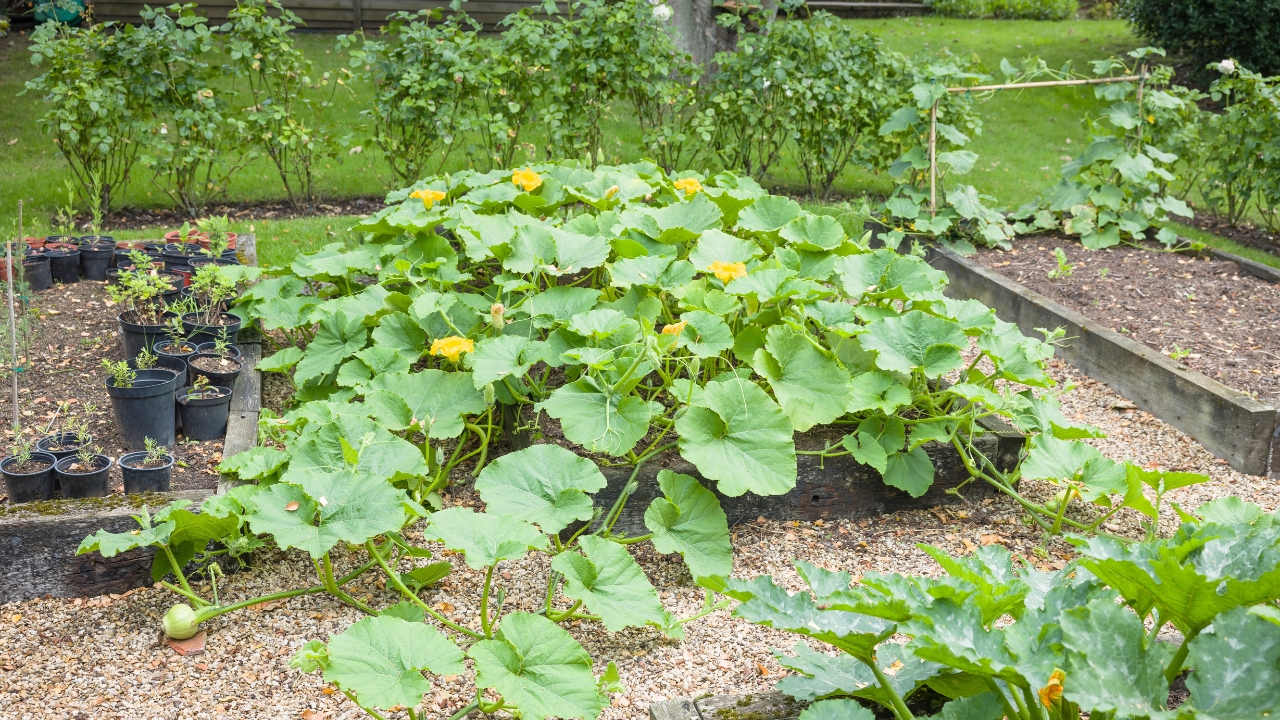
Pumpkins and winter squash are some of the longest-storing crops you can grow. Butternut, acorn, and Hubbard squash varieties can last six months or more in the right conditions.
They’re loaded with vitamins, easy to grow, and produce a ton of food per plant. Once cured properly, they don’t require refrigeration and can sit in a cool pantry or cellar until needed. Plus, pumpkin seeds make a great snack and a solid protein source.
Herbs (Basil, Thyme, Oregano, etc.)

Herbs might not be calorie-heavy, but they’re crucial for self-reliance. They add flavor to meals, have medicinal uses, and many act as natural pest repellents.
Perennial herbs like thyme, oregano, and rosemary come back every year, requiring almost no effort once established. Drying and storing herbs for the winter means you’ll always have homegrown seasonings and remedies on hand.
Like Fix It Homestead’s content? Be sure to follow us.


