7 animals that struggle hard in certain climates
Photo credit: Tadas_Jucys/Shutterstock.com
Not every animal is built for every environment. Some are sensitive to extreme temperatures, humidity levels, or seasonal changes. If you bring them into the wrong climate, you’ll spend extra time and money trying to keep them healthy — and in some cases, they still may not thrive. Knowing what works in your region before you buy can save a lot of stress.
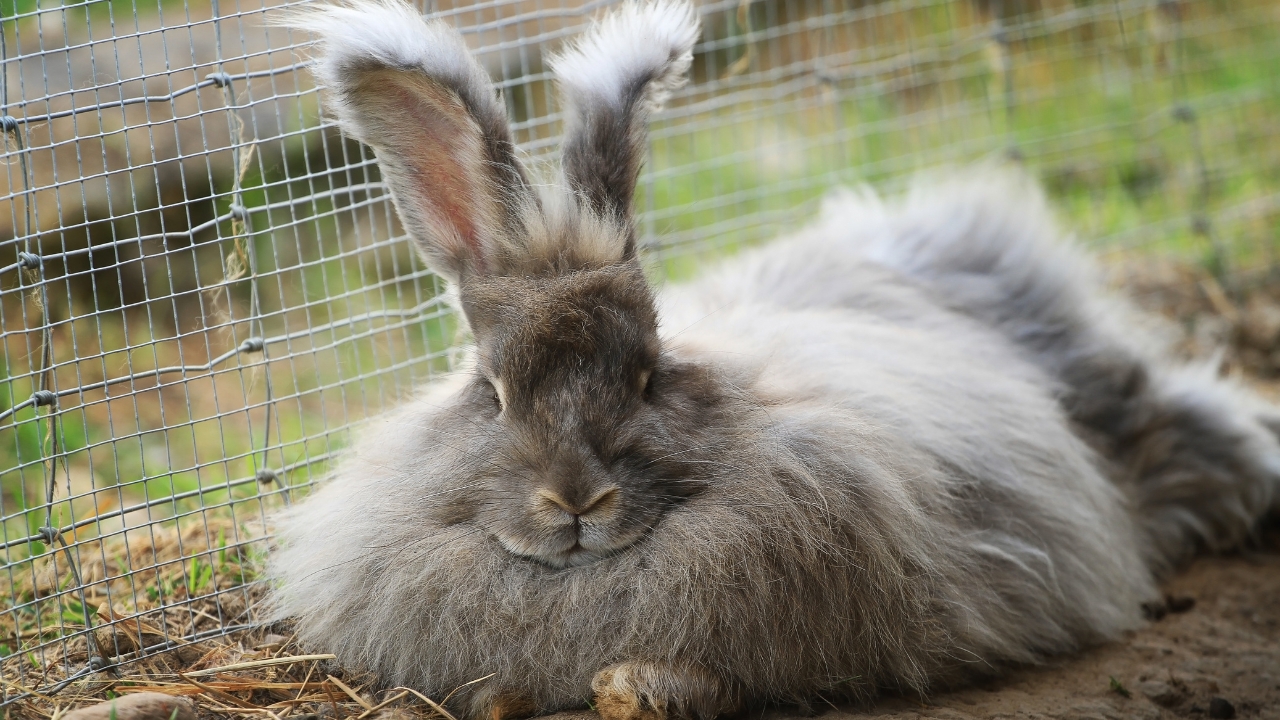
Angora Rabbits
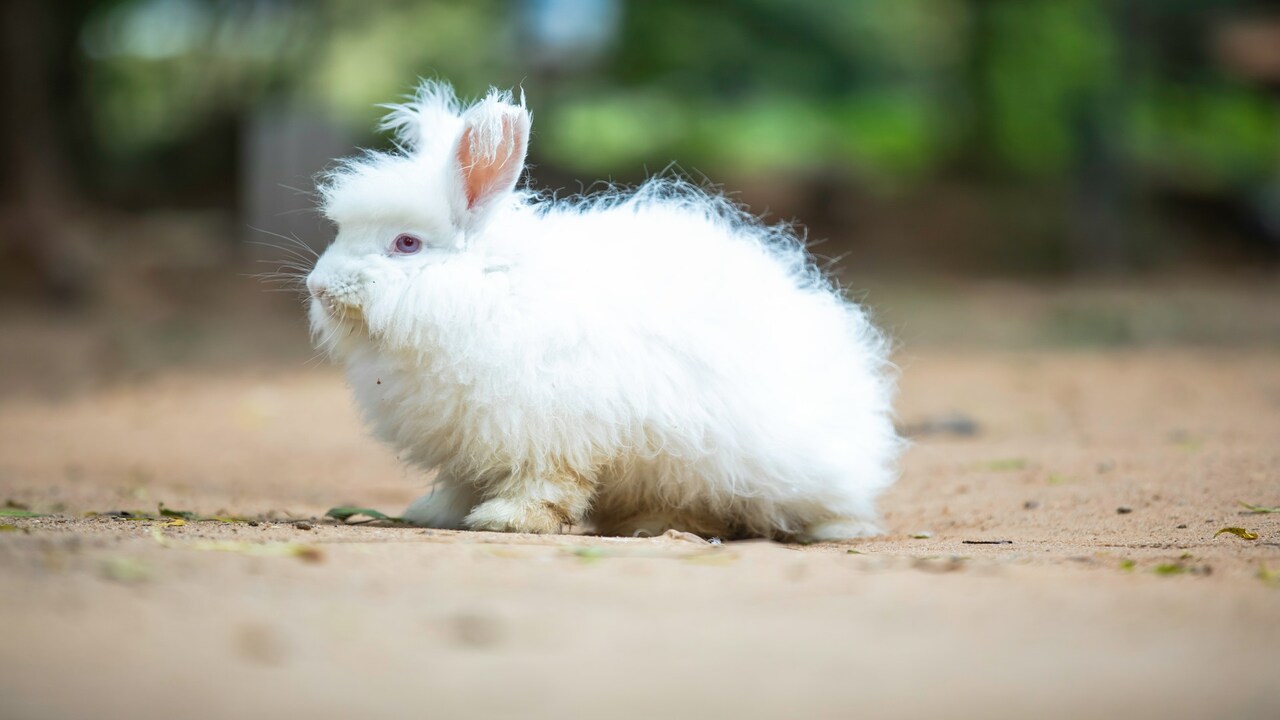
Their thick coats make them prone to overheating in hot, humid climates. They require constant grooming to prevent matting, and in warmer regions, you’ll need to keep them indoors or in climate-controlled areas for much of the year.
Alpacas
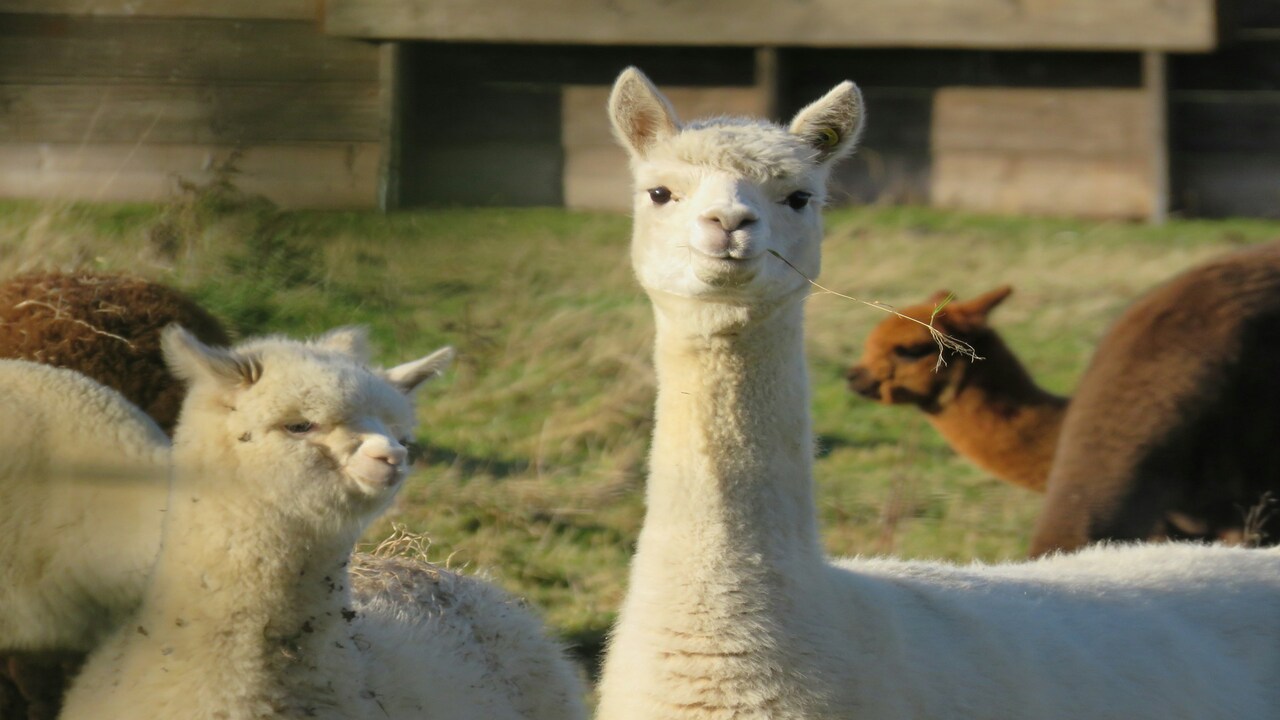
Alpacas prefer cooler, drier climates. In hot or humid areas, they’re at risk of heat stress and parasites. You’ll need shade, fans, and possibly shearing more than once a year to keep them comfortable.
Scottish Highland Cattle

These cattle are bred for cold, rugged climates. In warmer areas, their long coats can cause overheating, and they may struggle with local pests they aren’t naturally resistant to.
Ducks

While ducks handle cold fairly well, certain breeds struggle in hot, dry climates where they don’t have constant access to water for cooling off. They need shade and ponds or pools to manage heat.
Goats
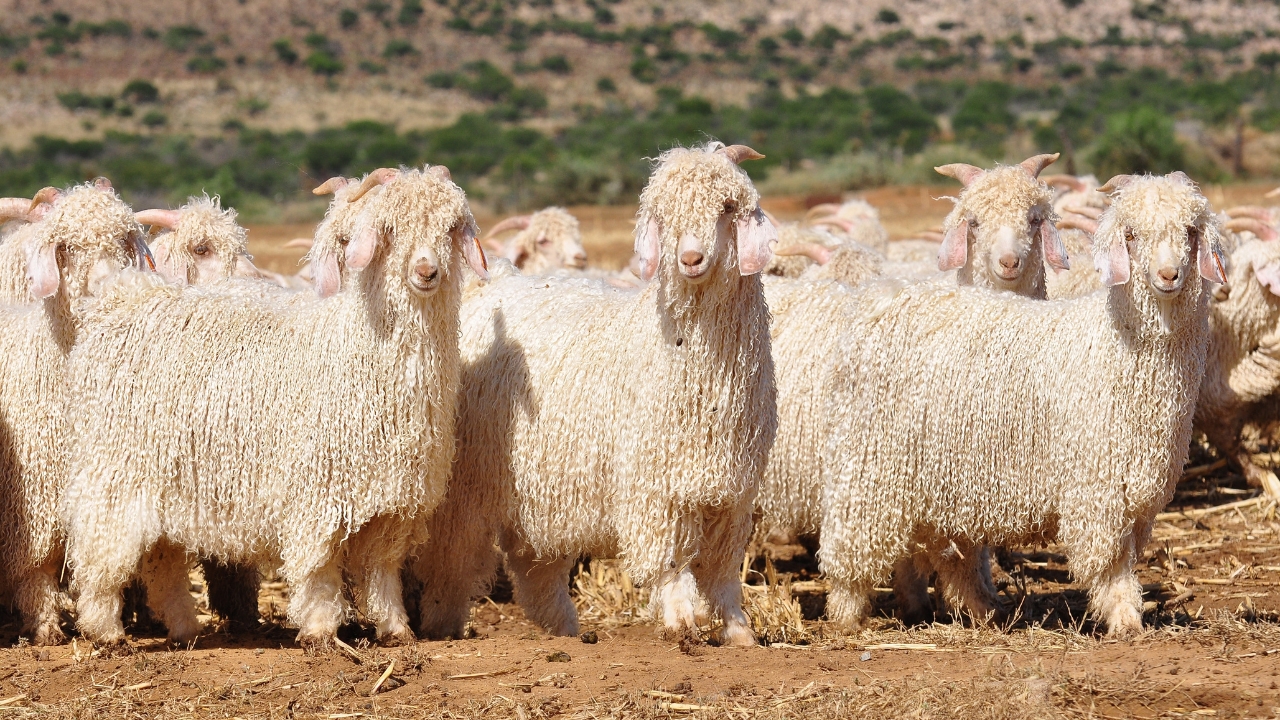
Goats from warm, dry climates often struggle in wet, humid regions, where parasites are more common. They require extra parasite control and well-drained pastures to stay healthy in those conditions.
Turkeys

Some turkey breeds, especially heritage types, don’t handle high humidity well. They’re prone to respiratory issues and need dry, well-ventilated housing to prevent illness.
Honeybees
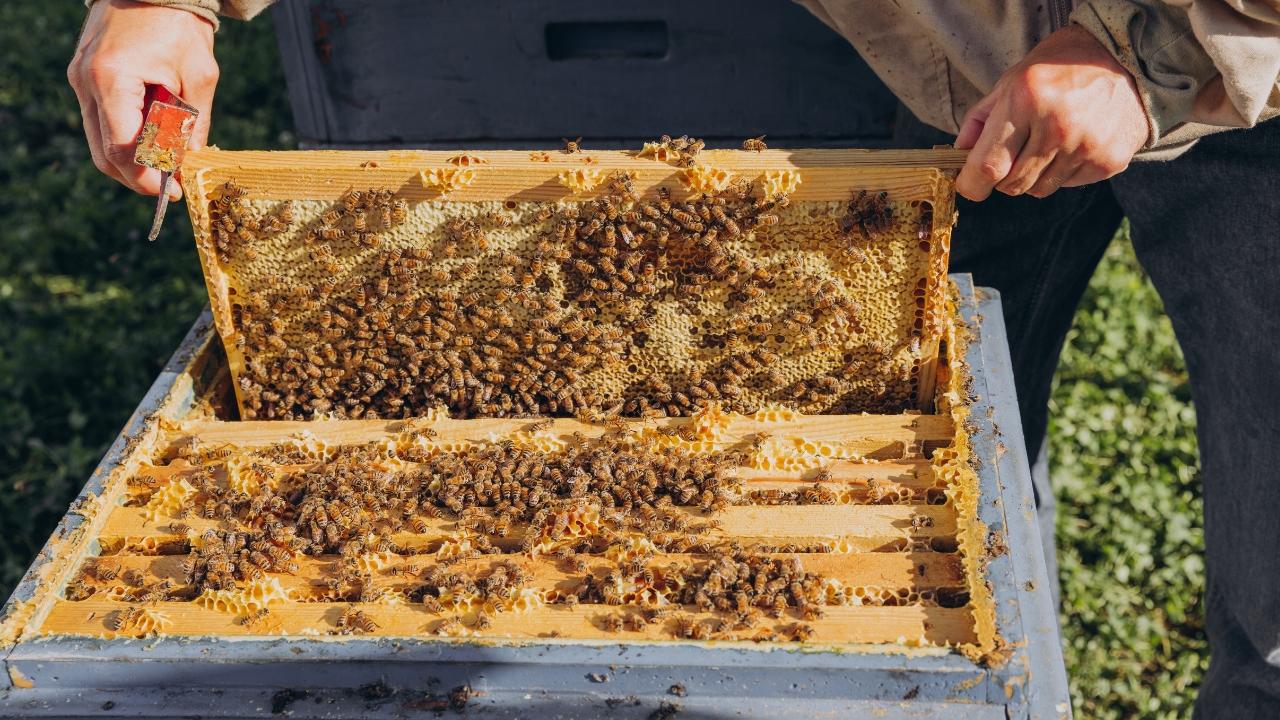
Certain bee species thrive in mild climates but can struggle in areas with harsh winters or long wet seasons. In cold climates, you’ll need to insulate hives and provide stored food to get them through.
*This article was developed with AI-powered tools and has been carefully reviewed by our editors.