9 kitchen habits that waste the most money
Photo credit: New Africa/Shutterstock.com
The kitchen is one of the easiest places to overspend without realizing it. Small habits with food, appliances, and even how you store things can add up to wasted money month after month.
By paying attention to these habits, you can cut waste and make your groceries and appliances last longer. The savings may not feel huge right away, but over time they really stack up.
Leaving the fridge too full
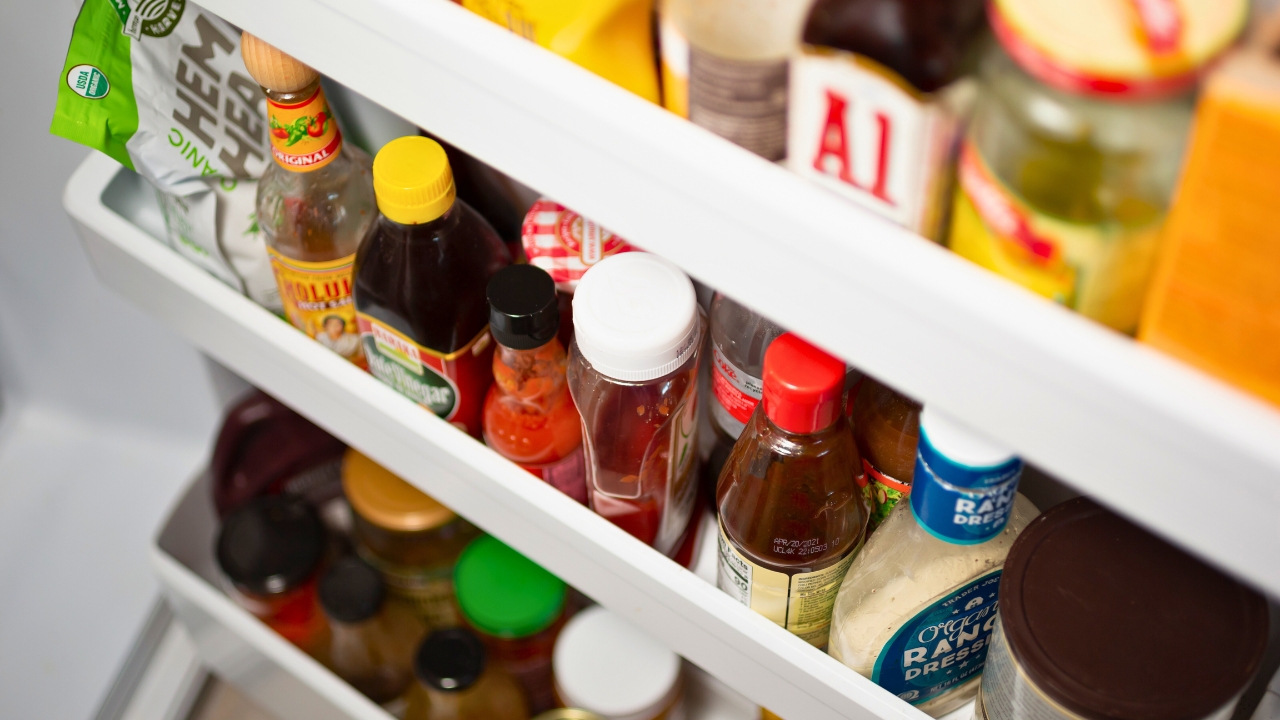
An overstuffed fridge doesn’t cool evenly. Food in the back spoils before you remember it’s there, and airflow is restricted.
Keeping it organized with space between items helps food stay fresh longer. It also makes it easier to see what you actually have before buying more.
Using too much water to cook
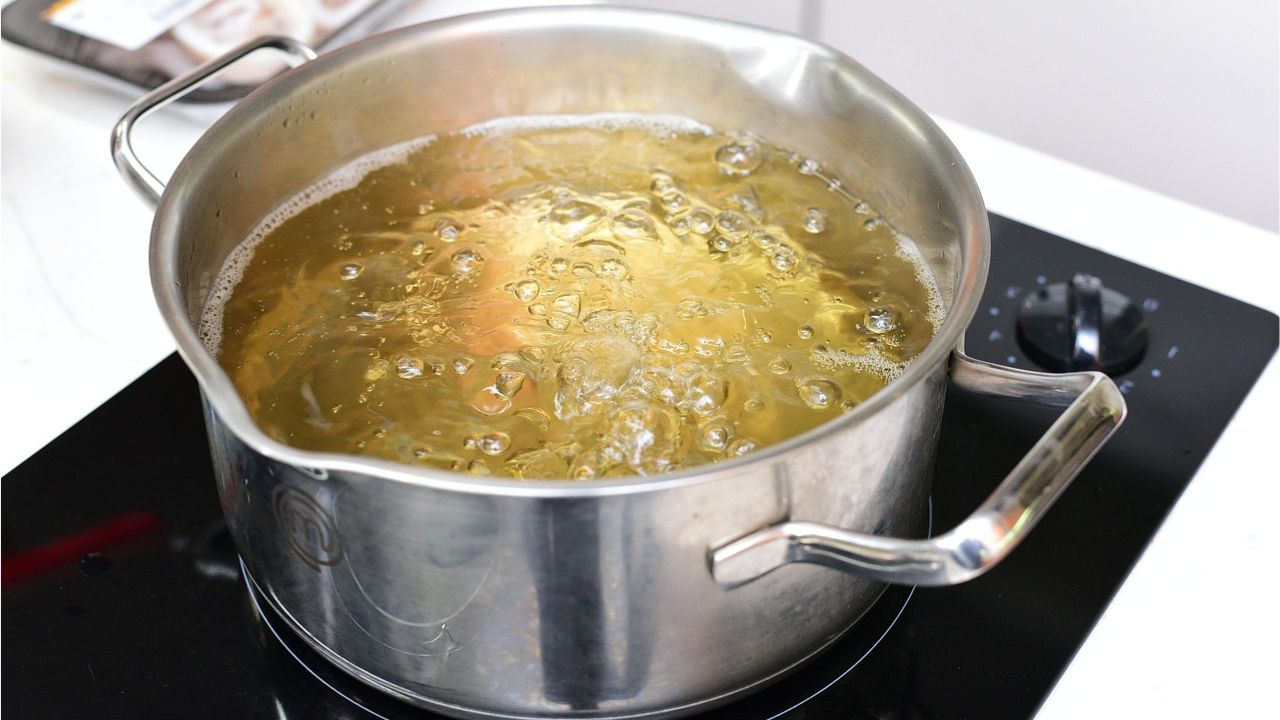
Boiling large pots of water for small amounts of pasta or vegetables wastes both water and energy.
Using smaller pots with less water cooks food just as well and saves on utility costs. Covering the pot while heating also cuts cooking time.
Tossing leftovers too quickly
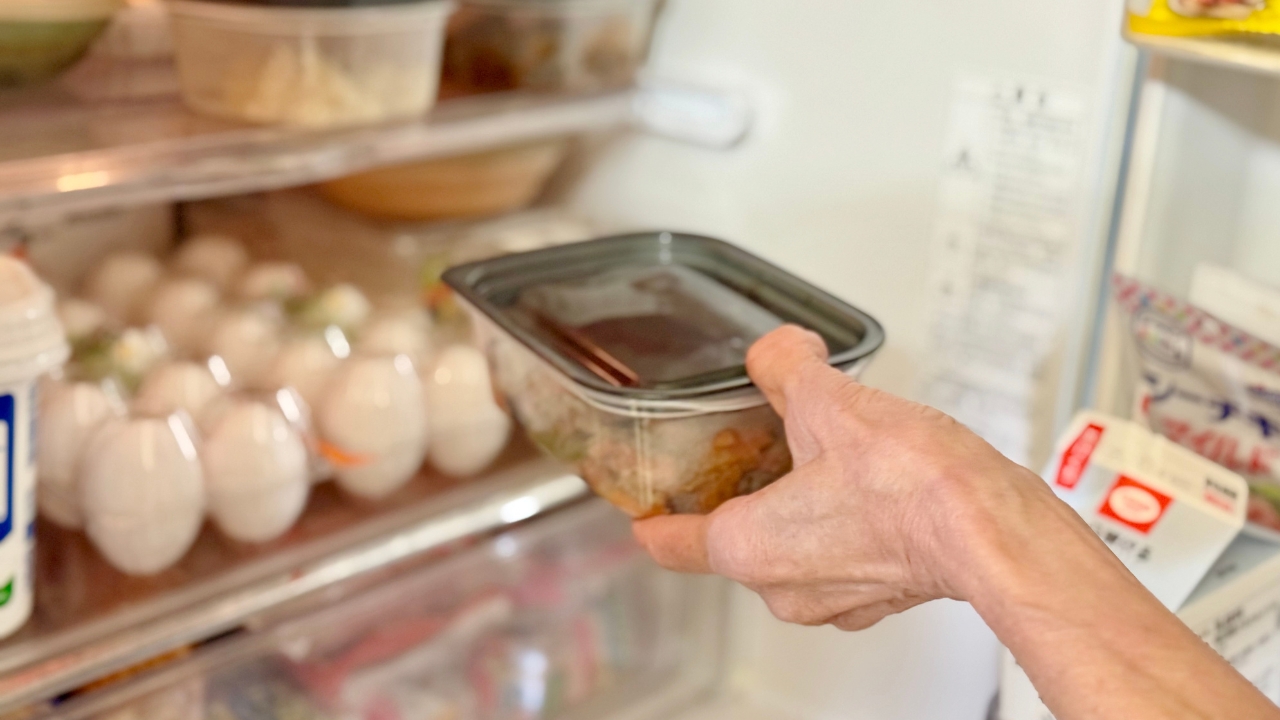
Many leftovers get tossed after a day or two even when they’re still fine to eat. That’s money going straight in the trash.
Labeling containers with the date helps you know what’s safe. Repurposing leftovers into new meals also keeps them from going to waste.
Letting produce spoil
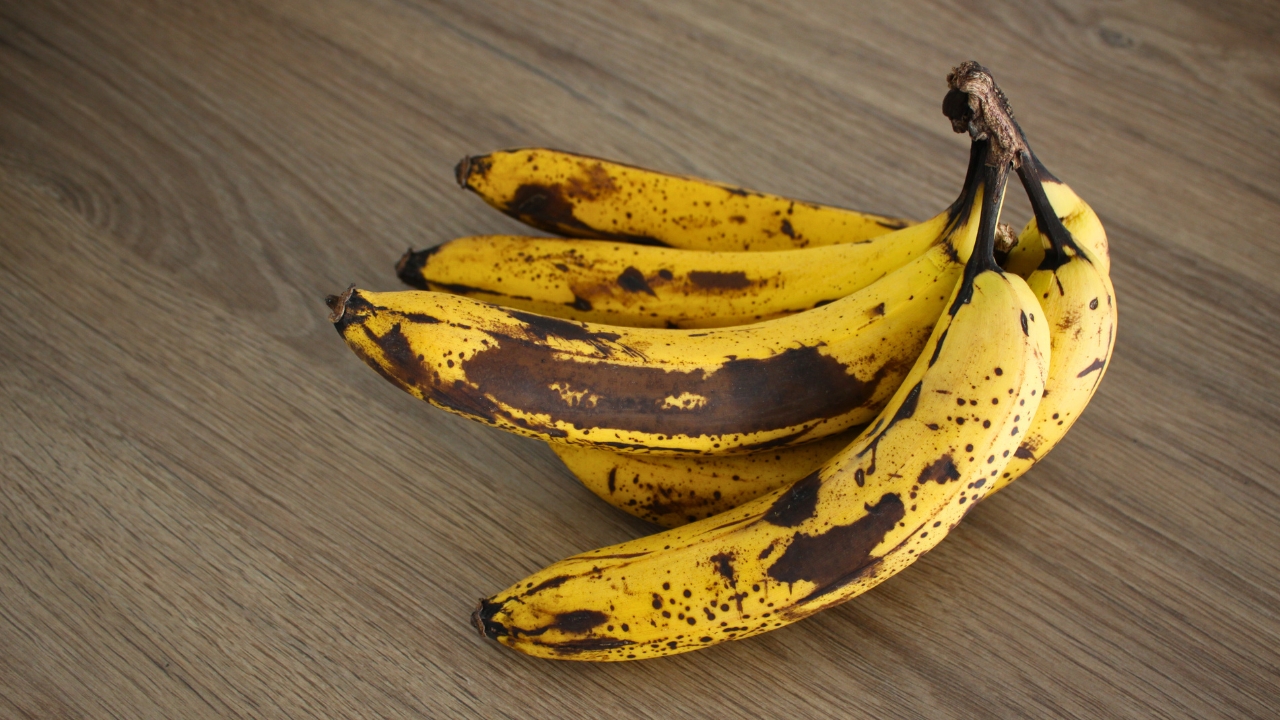
Fruits and vegetables often go bad before they’re used. It’s one of the biggest sources of kitchen waste.
Storing produce properly—like keeping apples away from other fruit—extends freshness. Planning meals around what you already have helps too.
Running the dishwasher half empty
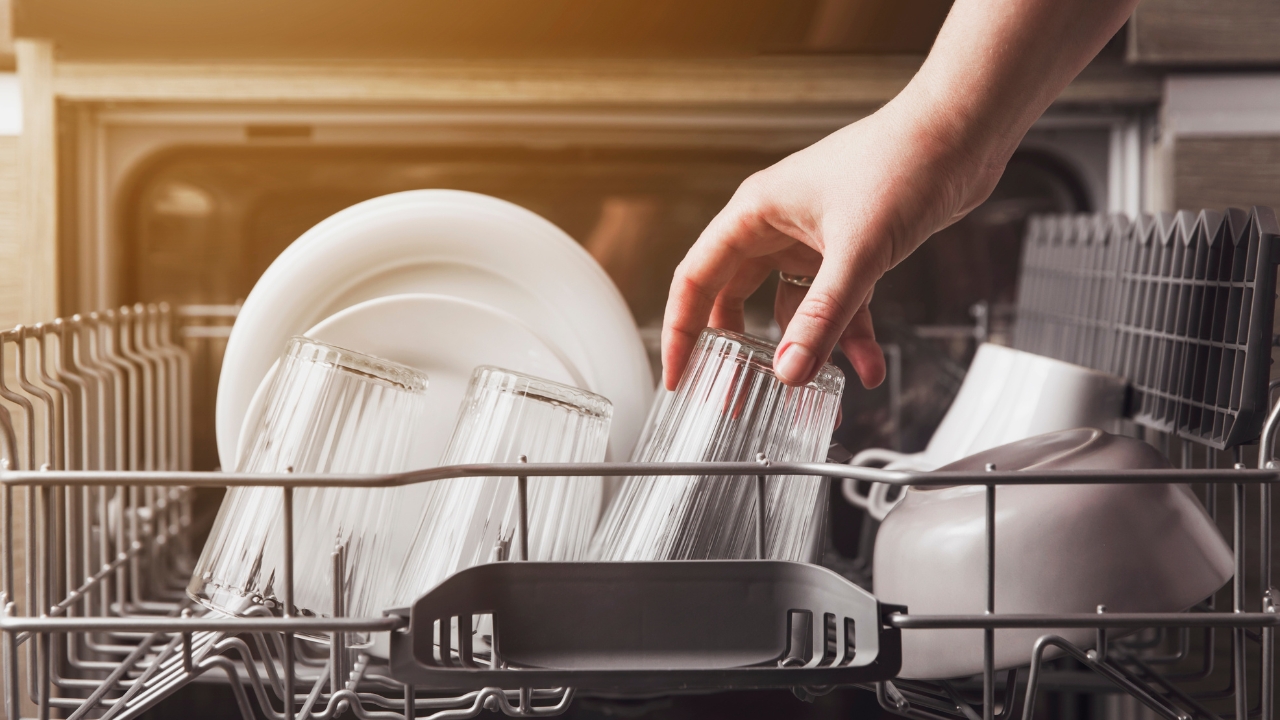
Half-empty cycles waste both water and energy. Over time, that’s money you don’t need to spend.
Waiting until the dishwasher is full makes each cycle more efficient. If you need a clean dish sooner, hand washing is the better option.
Using pre-packaged convenience foods

Pre-cut vegetables, shredded cheese, and pre-portioned snacks cost more than buying whole versions. The markup adds up quickly.
Spending a few extra minutes prepping ingredients yourself saves money without much effort. It also often tastes fresher.
Leaving appliances plugged in
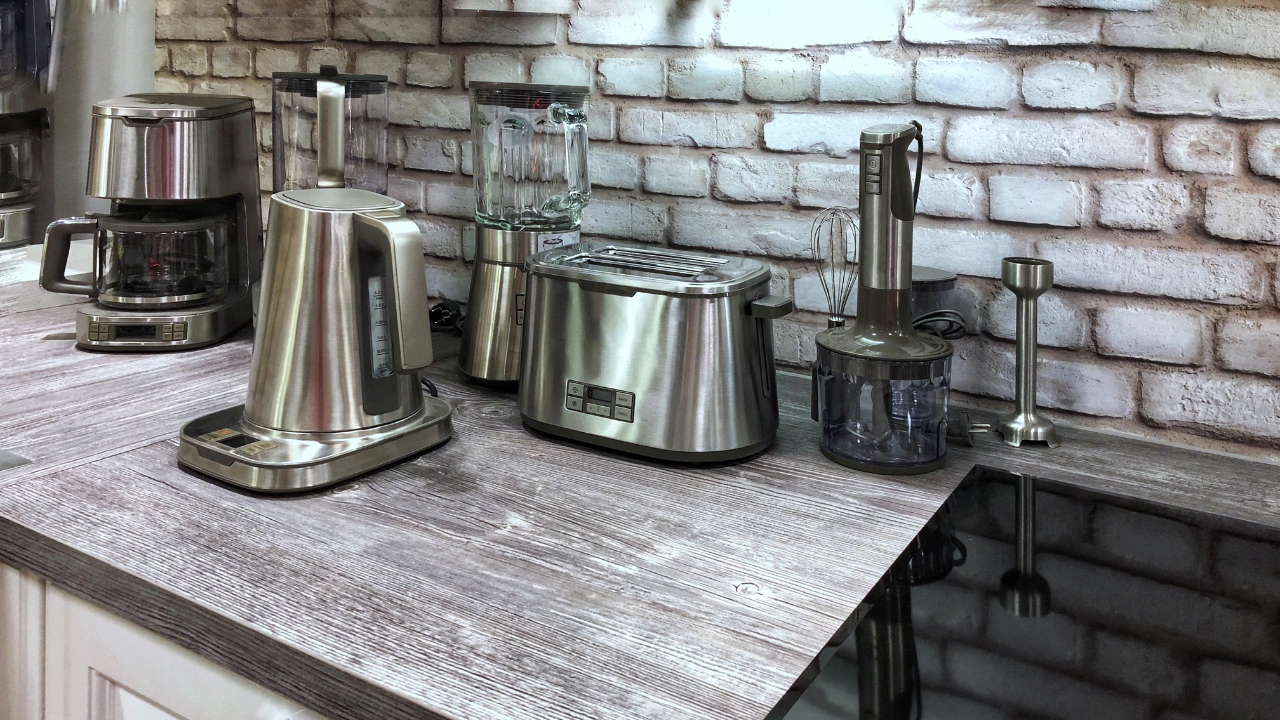
Coffee makers, toasters, and microwaves use small amounts of power even when turned off. Over months, that adds up.
Unplugging them when not in use or using a power strip to switch them off saves energy costs.
Overusing paper products
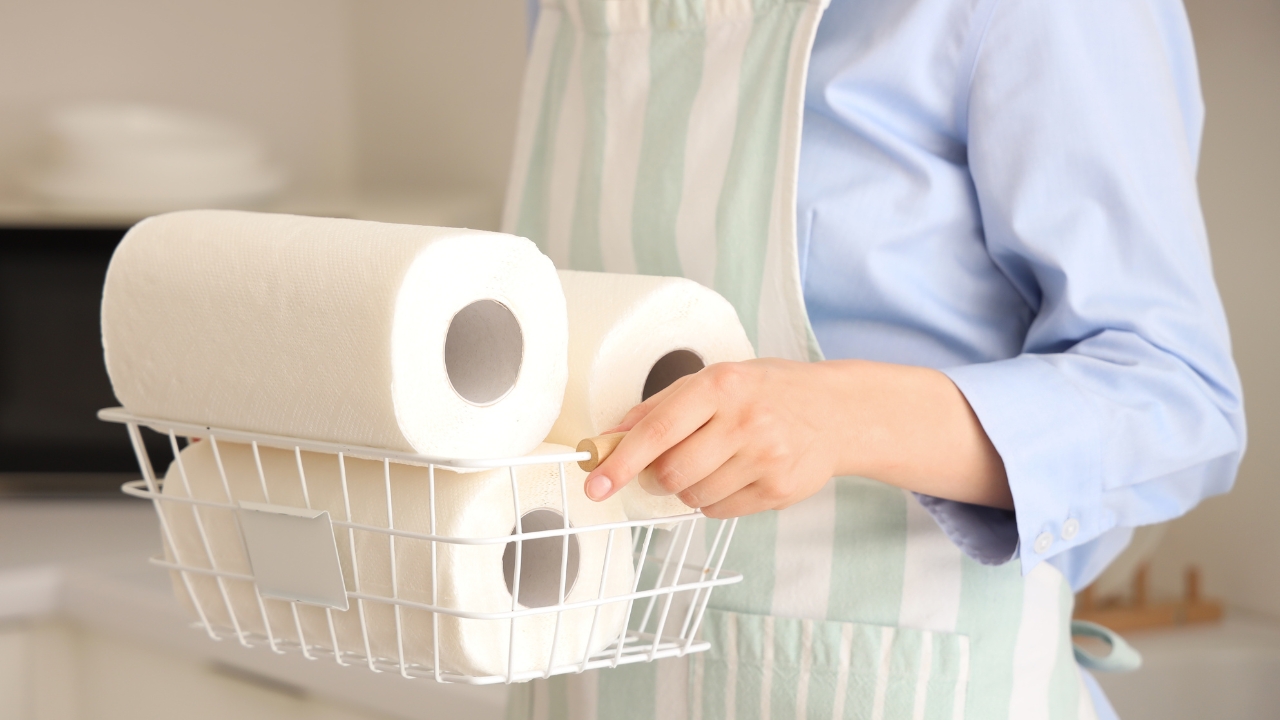
Paper towels and disposable plates add to grocery bills. While they’re convenient, relying on them daily gets expensive.
Keeping a set of washable rags and reusable containers on hand helps cut down on waste and saves money over time.
Not using freezer space

Food left in the fridge too long often gets thrown out. Freezing items you won’t use right away keeps them from spoiling.
Portioning out meals and freezing extras also reduces waste and makes weeknights easier.
*This article was developed with AI-powered tools and has been carefully reviewed by our editors.