10 sneaky things around the house that waste water fast
Photo credit: pexels.com
It’s easy to notice a running hose or sprinkler system, but water waste usually happens in smaller, hidden ways. These are the household habits and fixtures that can quietly raise your water bill and put unnecessary strain on your plumbing.
Leaky Faucets
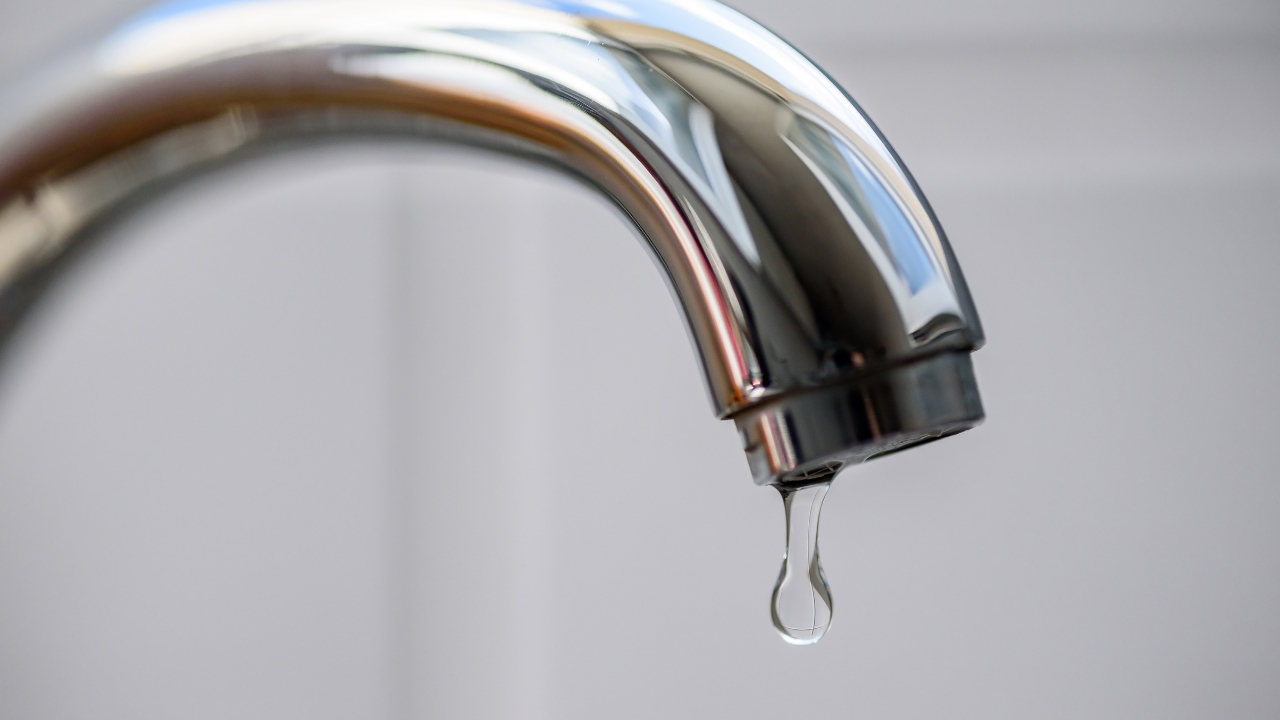
A dripping faucet doesn’t look like much, but it adds up fast.
Even a slow drip can waste over 2,000 gallons of water a year. Besides the cost, it’s constant wear on your plumbing. Replacing a washer or cartridge is cheap compared to the waste of ignoring it. If you hear a drip, fix it quickly before it adds up on your bill.
Running Toilets

A toilet that won’t stop running is one of the worst water wasters.
It can use hundreds of gallons a day without you realizing it. Many times, it’s caused by a worn flapper or a bad fill valve—both inexpensive fixes. Ignoring it could make your water bill spike dramatically for something that costs less than $20 to repair.
Long Showers
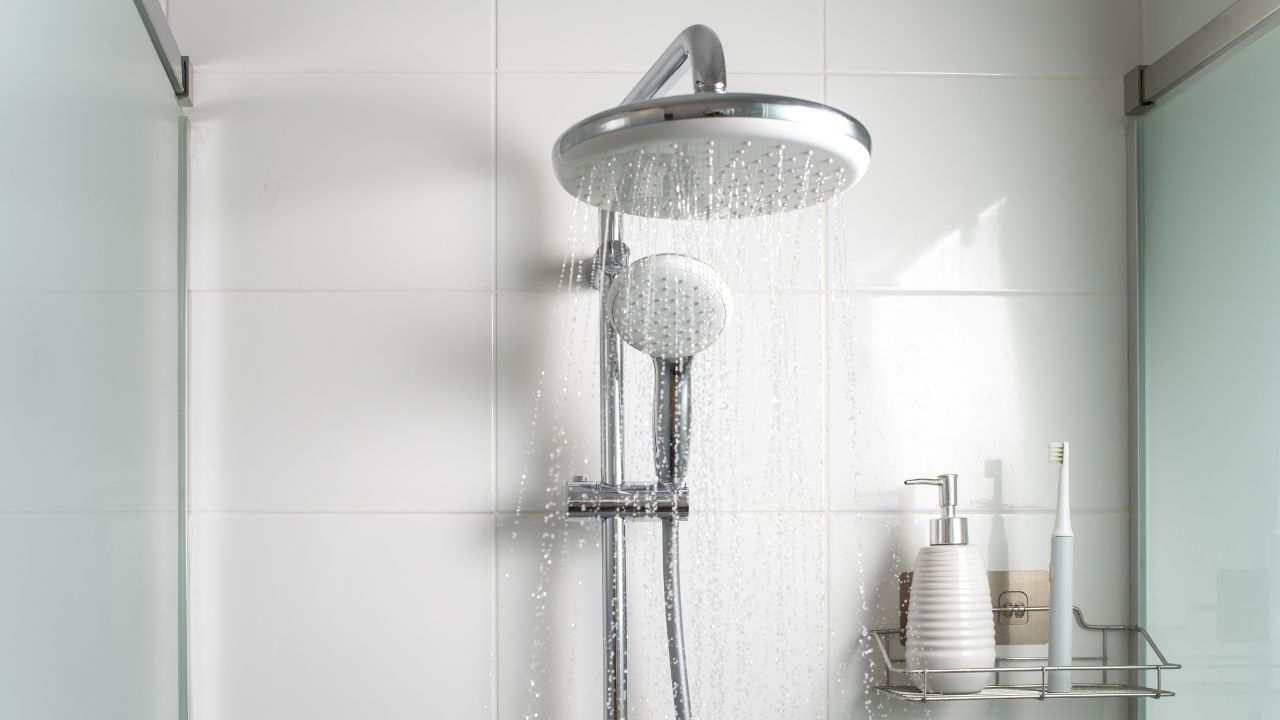
Five extra minutes per shower doesn’t sound like much.
But across a family, that could mean thousands of gallons wasted each year. Hot water also costs money to heat, so you’re doubling the waste. Installing a low-flow showerhead or setting a timer is a small adjustment that keeps water bills under control without sacrificing comfort.
Sprinklers Running Too Long
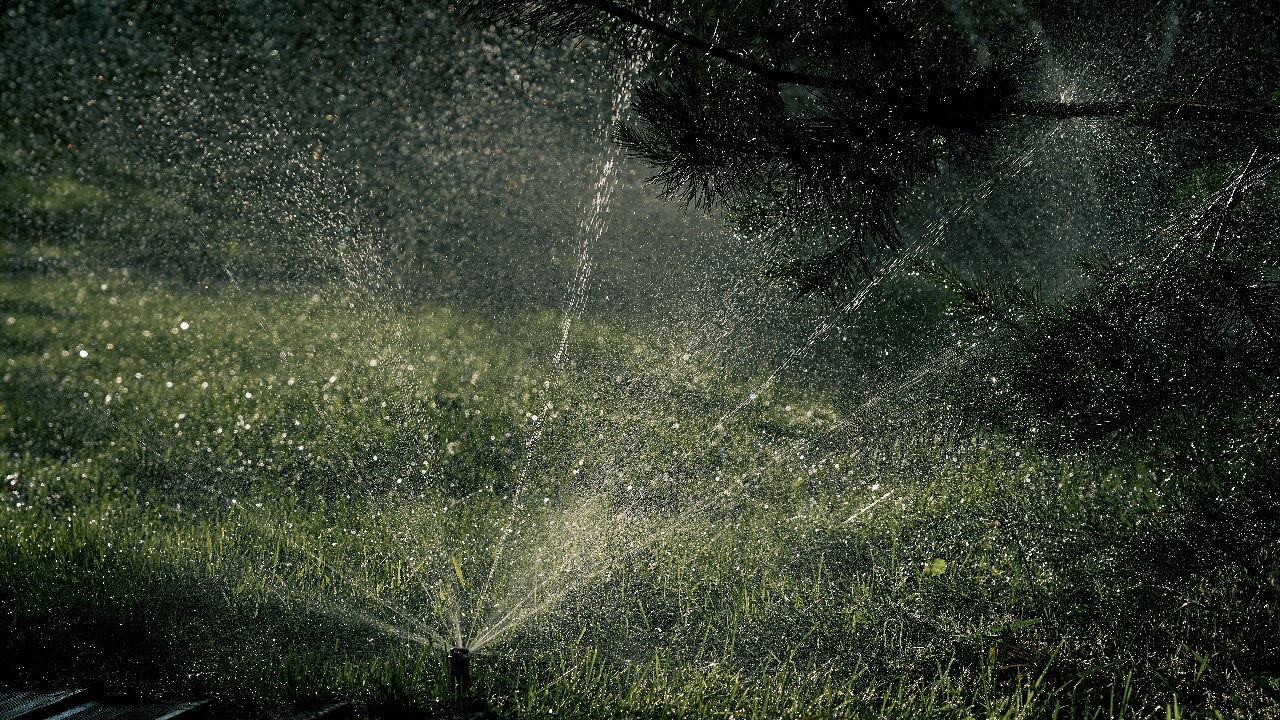
Lawns don’t need as much water as you might think.
Overwatering not only wastes gallons, but it also harms your grass by making roots shallow and weak. Watering deeply twice a week instead of every day keeps your lawn healthier and lowers your bill. A sprinkler timer is worth it for keeping things in check.
Washing Dishes by Hand
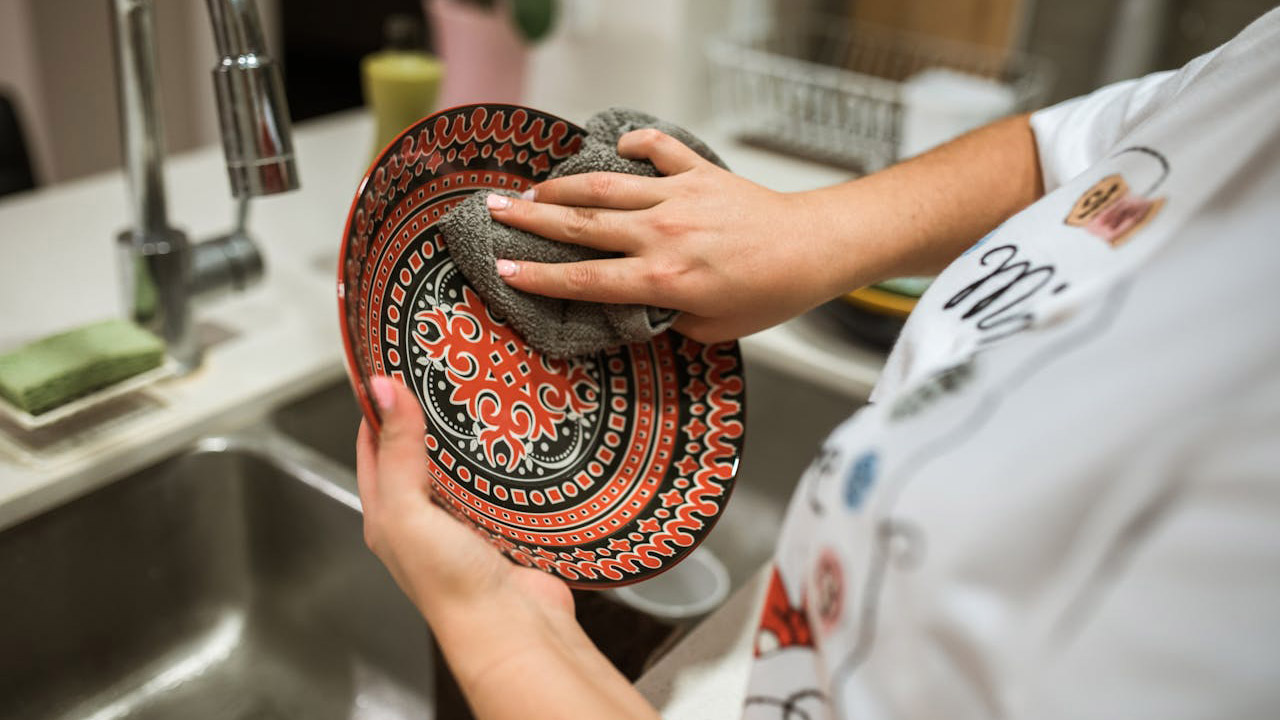
It feels like you’re saving water, but most people don’t.
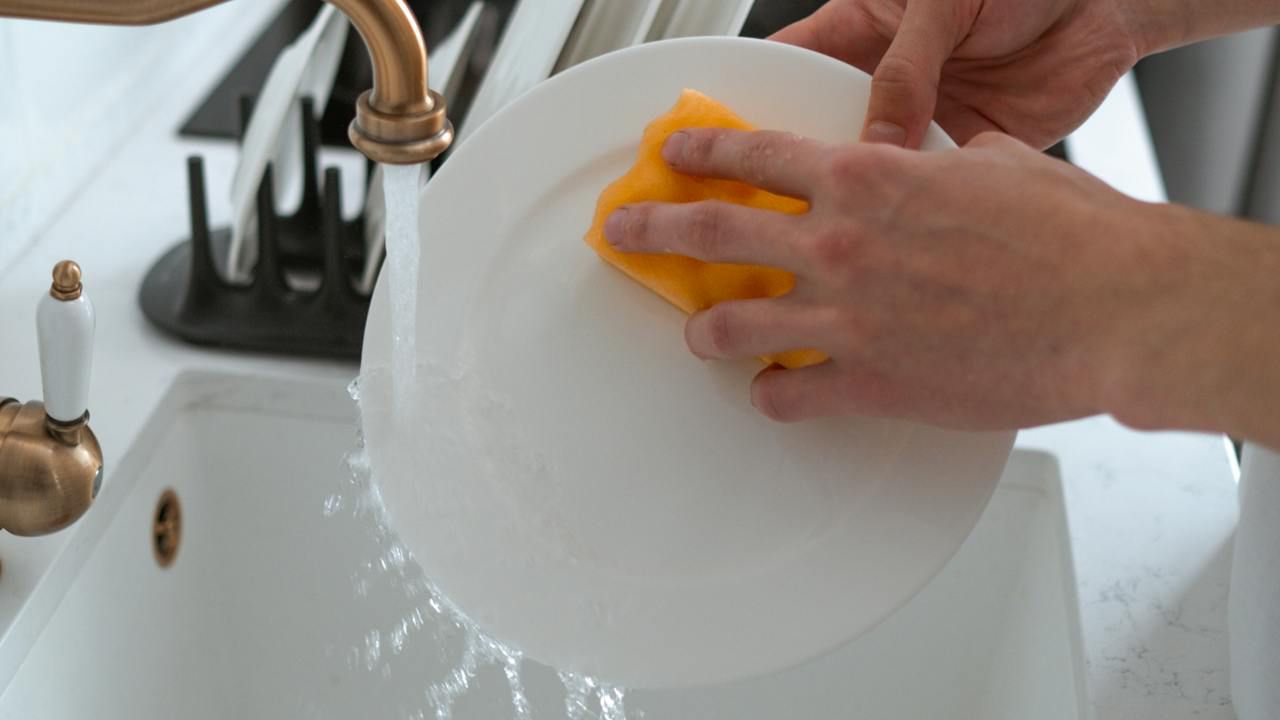
Running the faucet while scrubbing wastes far more than a dishwasher cycle. Modern dishwashers are designed to use less water, especially when run full. If you do wash by hand, filling a basin instead of letting the water run helps keep waste to a minimum.
Old Showerheads
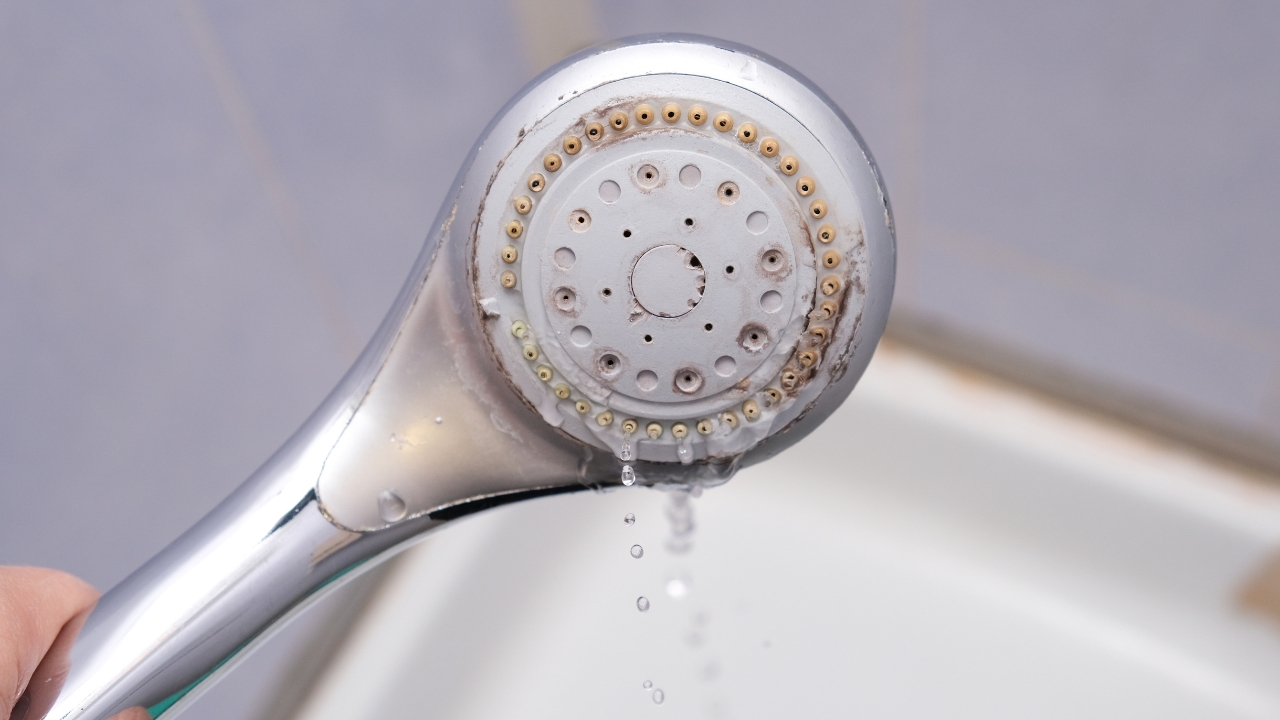
Older showerheads often spray out two or three times more water than newer models.
That excess flow makes your water heater work harder, too. Switching to a WaterSense showerhead saves both water and energy without sacrificing pressure. It’s one of the easiest upgrades you can make to stop waste.
Washing Machine Settings
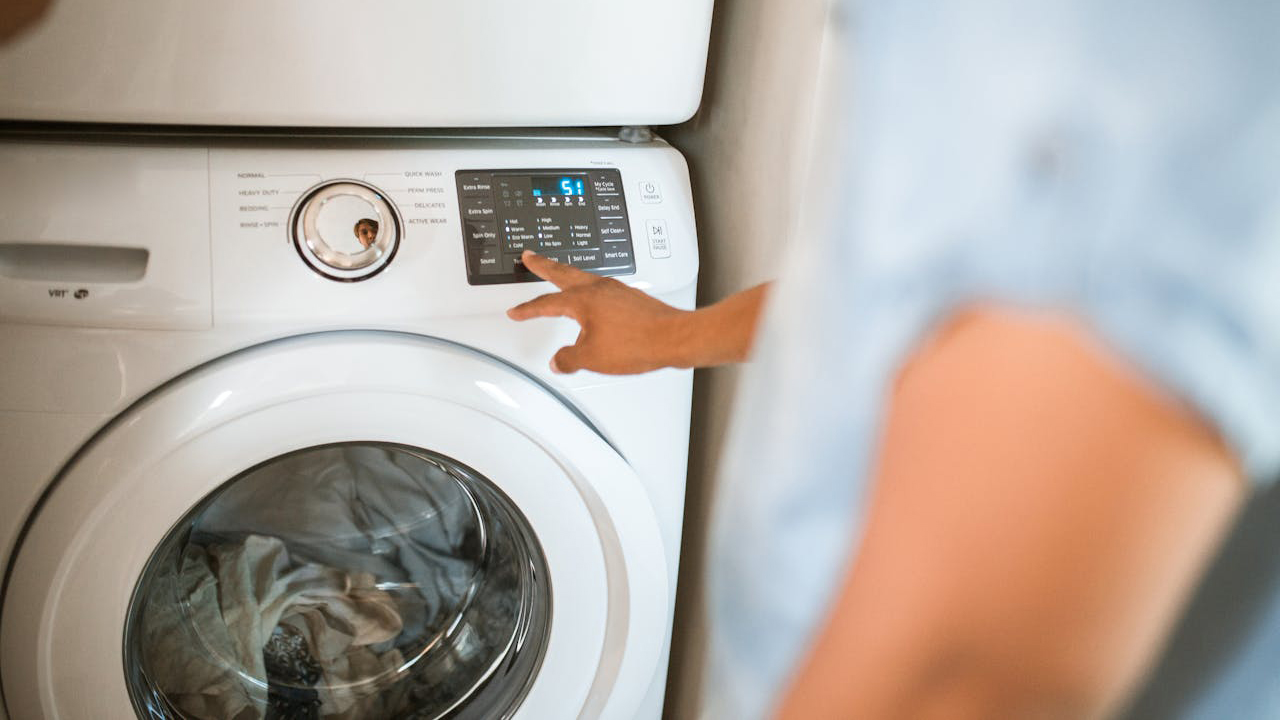
Using the wrong settings can waste gallons per load.
Older machines especially use far more water on “large load” settings even if the tub isn’t full. Choosing the right cycle and upgrading to a high-efficiency washer when possible makes a big difference. It’s one of those habits where being mindful really pays off.
Hoses Left Running
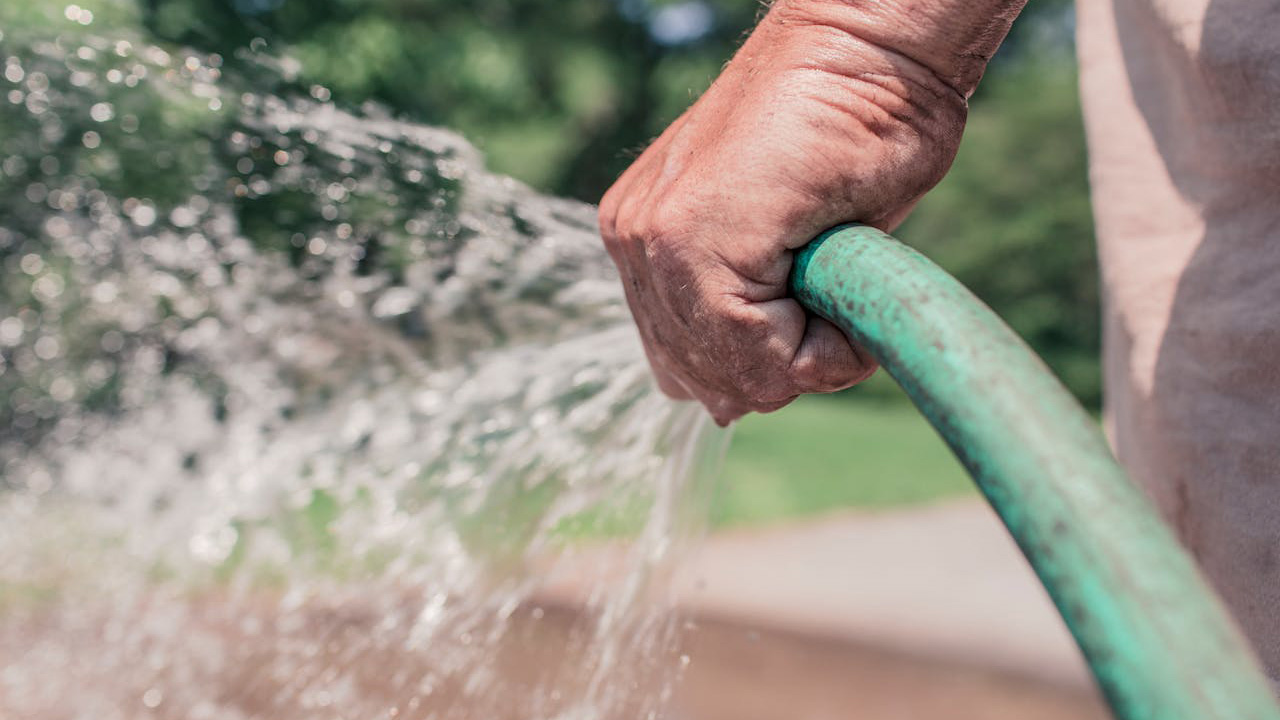
Walking away from a hose, even briefly, can waste hundreds of gallons.
It happens more often than people admit—watering plants, washing the car, or filling a pool and forgetting. Hose timers or automatic shutoff nozzles keep accidents like this from turning into sky-high bills.
Old Toilets
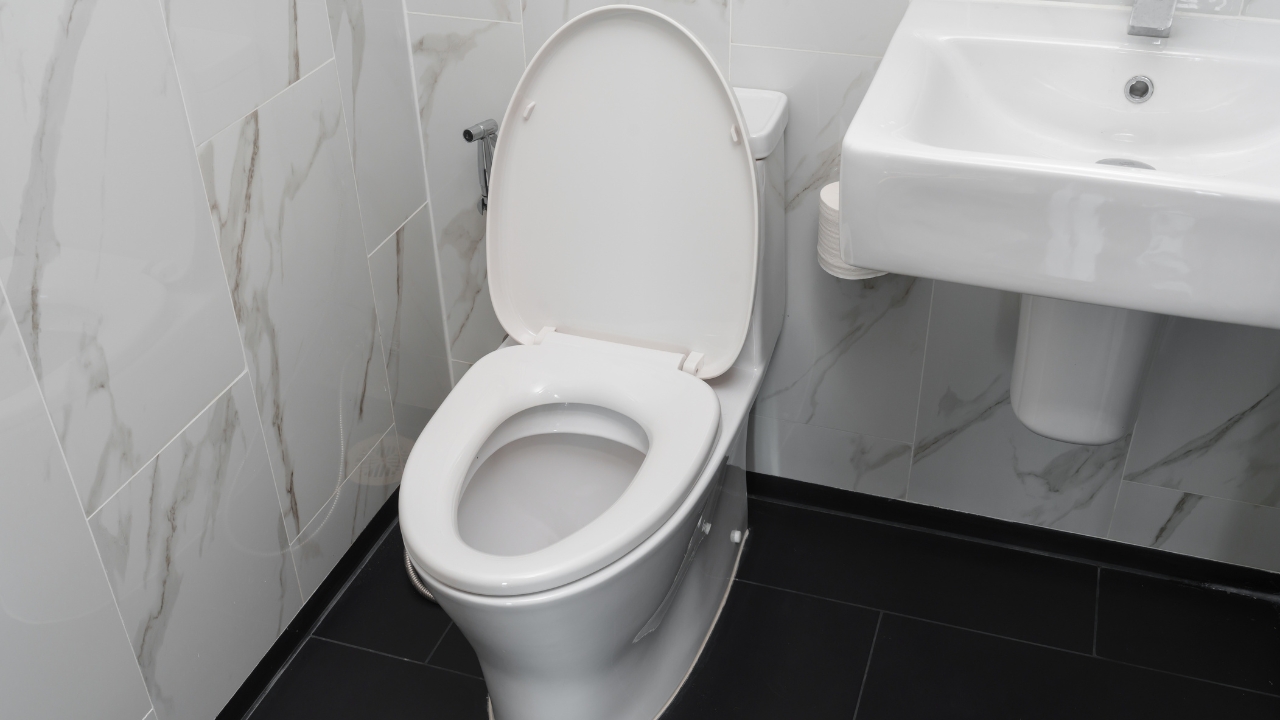
Older toilets can use 3–5 gallons per flush compared to newer 1.6-gallon models.
That difference adds up quickly in a busy household. Replacing them with efficient models cuts water bills long-term. Even adding a dual-flush kit to an older toilet is a budget-friendly way to save.
Outdoor Leaks
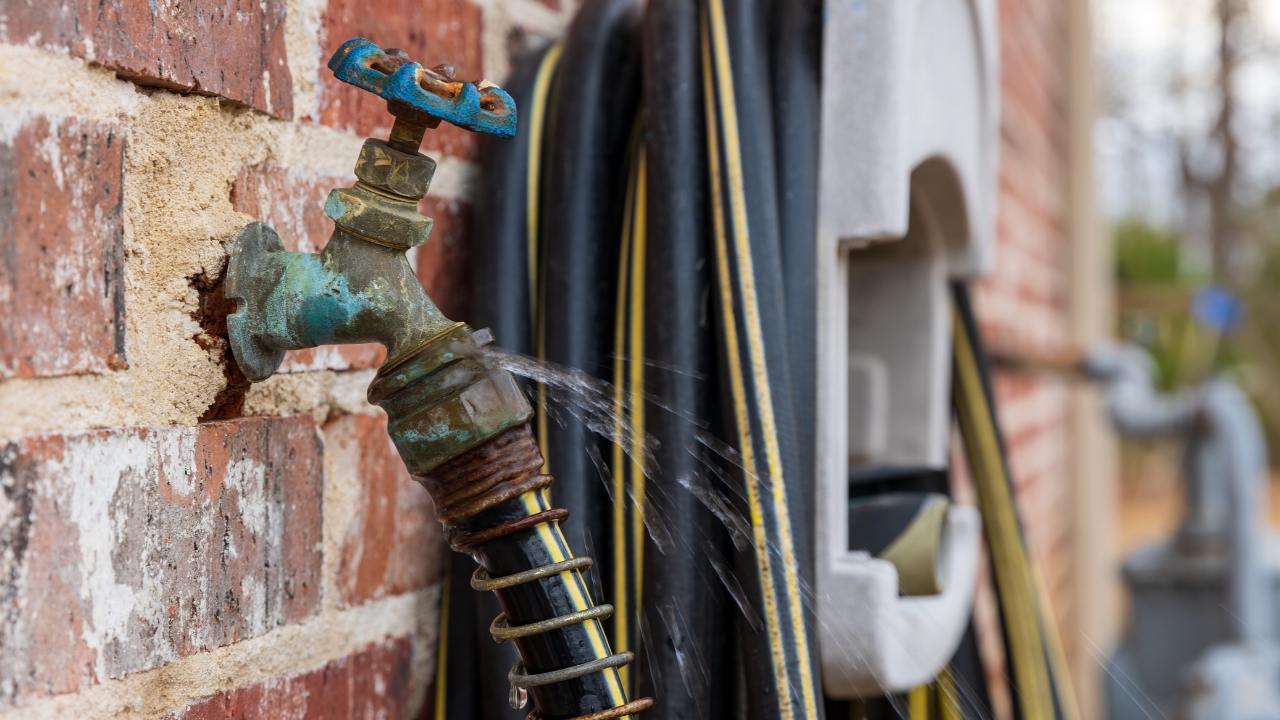
A leaky spigot or underground irrigation line is harder to notice.
These slow leaks can waste thousands of gallons before you catch them. Checking outdoor lines regularly and replacing worn washers or fittings is key. If your bill spikes but nothing inside changed, the leak may be outside.
*This article was developed with AI-powered tools and has been carefully reviewed by our editors.