10 hidden spots mice find the second It gets cold
Image Credit: Lorenzo Sala/ Shutterstock.
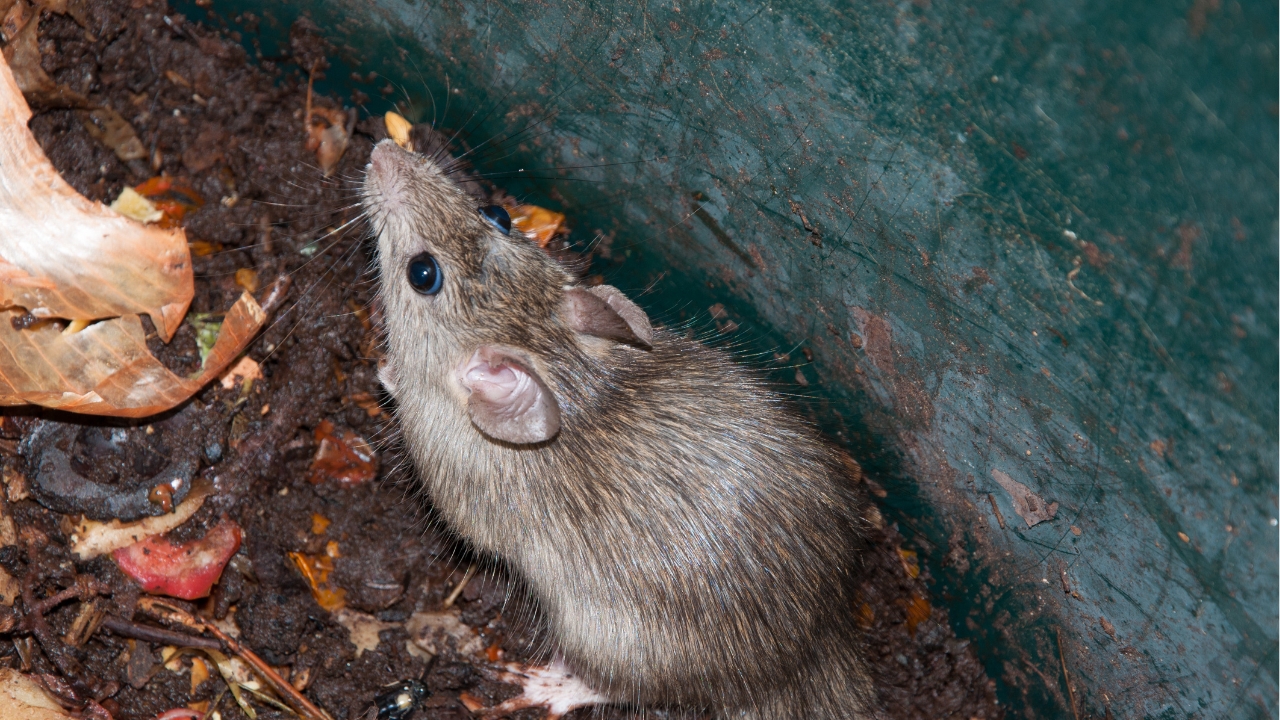
When temperatures drop, mice don’t waste time finding shelter. Your house becomes the perfect target, and they’ll squeeze into spots you don’t even think about.
They only need a hole the size of a dime, which means even the tiniest gaps can turn into a mouse highway. Knowing where they sneak in helps you stay ahead of a winter invasion.
Behind Kitchen Appliances
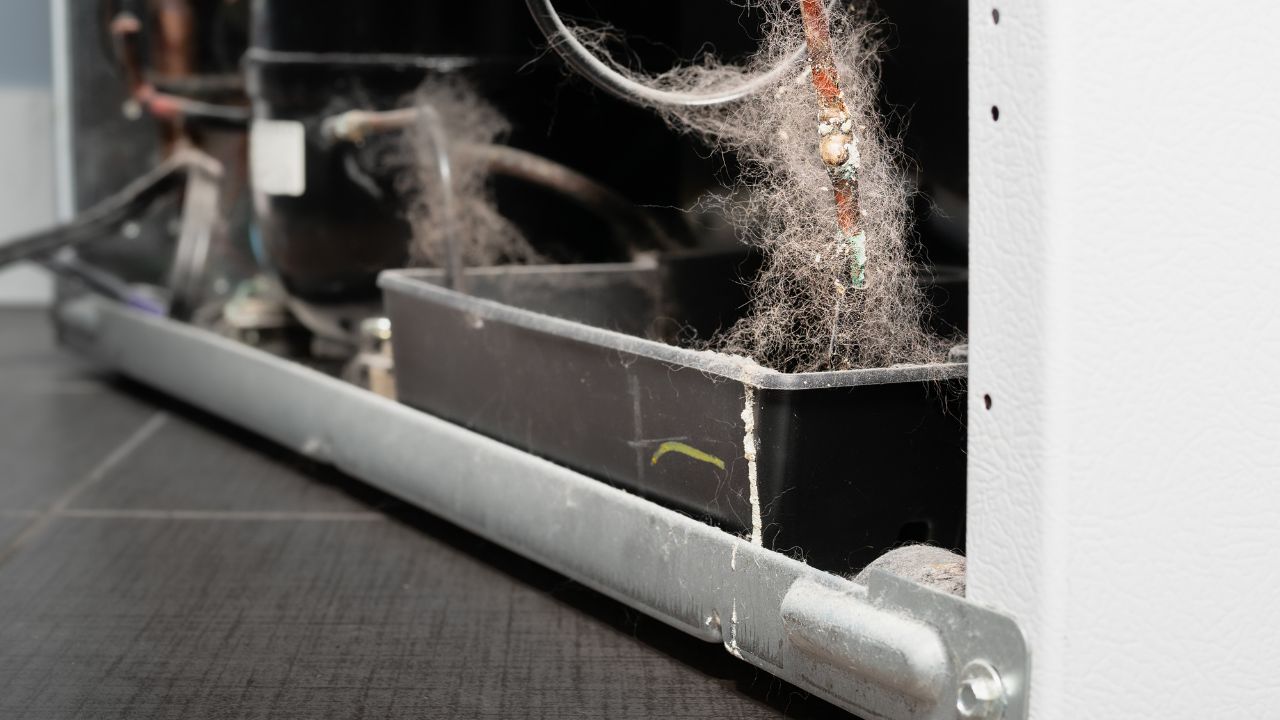
That narrow space behind your stove or refrigerator is a prime hiding spot. It’s warm, dark, and often has crumbs or grease buildup that makes for an easy snack. Mice can squeeze back there unnoticed and stay hidden for weeks. Pulling appliances out occasionally and sweeping behind them makes a huge difference. Adding a steel wool barrier in cracks or holes keeps them from returning once you’ve cleaned up.
Inside Wall Voids

Mice love slipping into wall cavities where you’ll never see them. They get in through gaps around plumbing or electrical lines and use the space as a safe nesting area. You might not notice until you hear scratching or find droppings near outlets. Sealing those entry points with expanding foam and steel wool is key. It’s also worth checking basements and attics since they’re common access points that lead directly into wall spaces.
Garage Corners
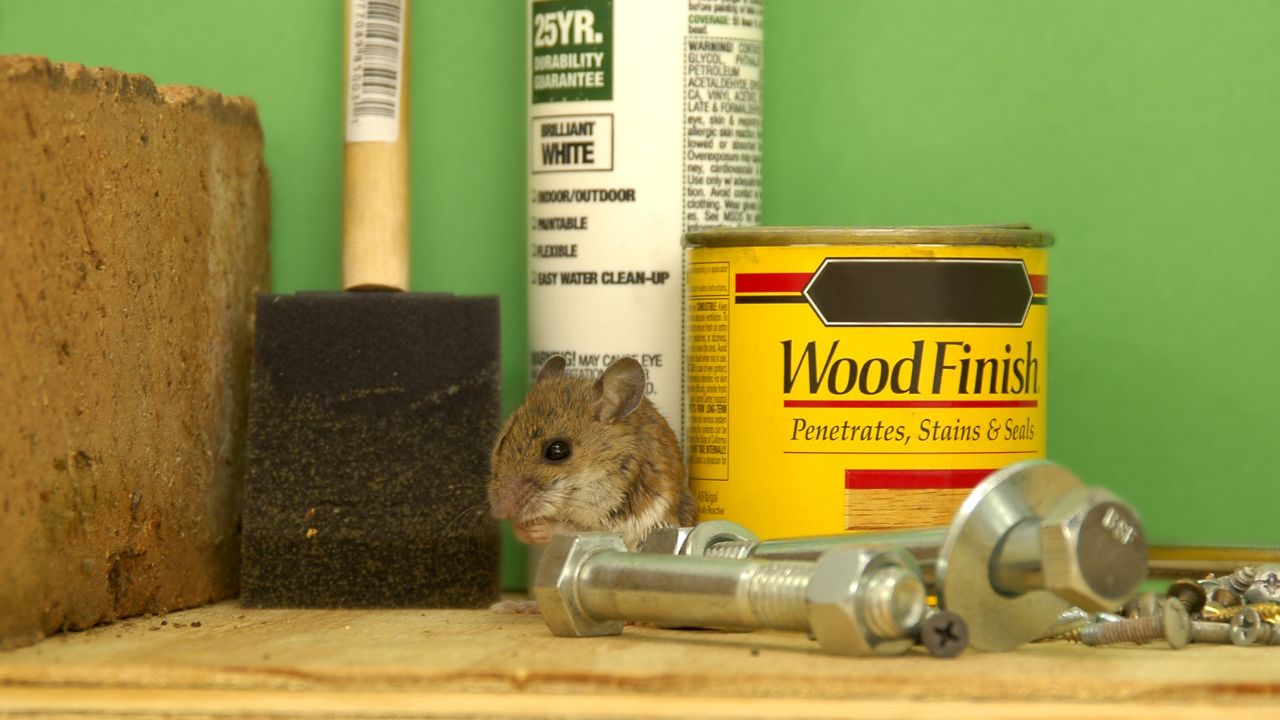
A garage offers easy entry points through doors and walls that don’t always seal tightly. Mice set up camp in corners where cardboard boxes or stored items give them cover. Once they’re in, it’s a short trip into the rest of your house. Replacing weatherstripping on garage doors and keeping items in plastic bins instead of cardboard cuts down on hiding spots and food sources.
Under the Sink
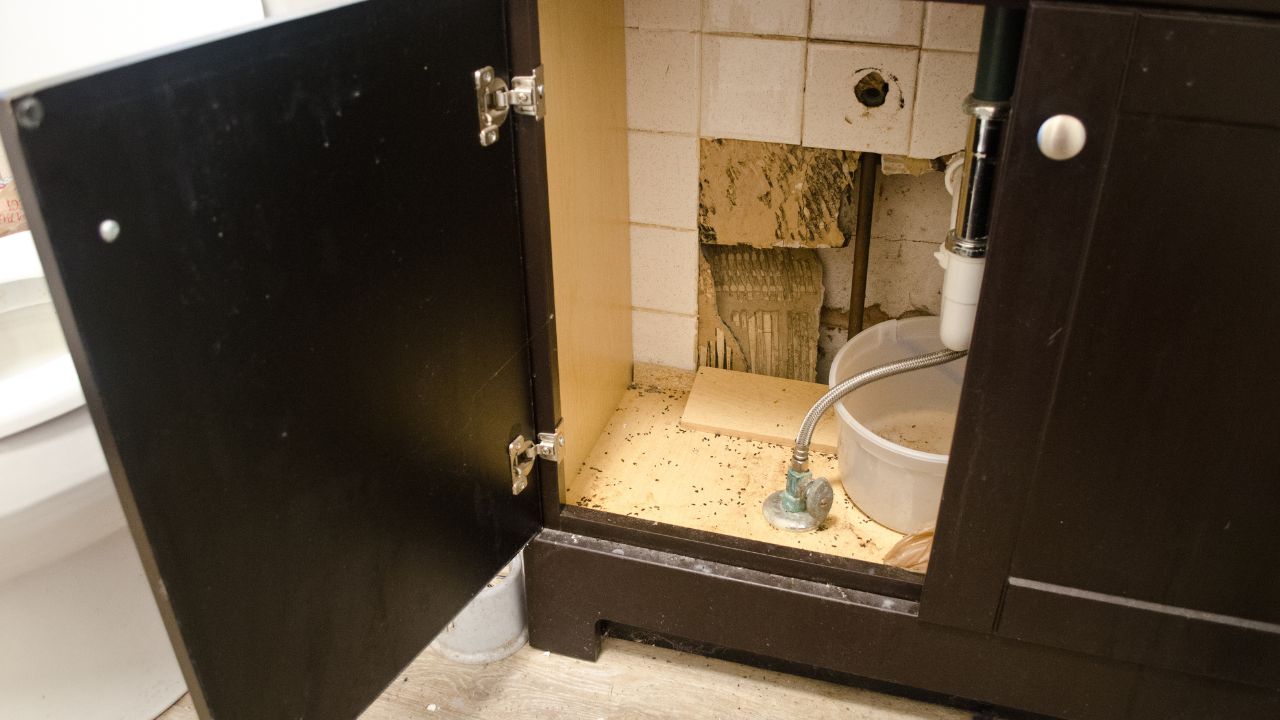
Cabinet space under the kitchen or bathroom sink is like a welcome mat for mice. It’s dark, often has a drip or two of water, and provides access to pipes they can follow into other rooms. They’ll shred paper towels, grocery bags, or cleaning rags into nesting material. Keeping this area dry, tidy, and blocked off with wire mesh helps prevent it from becoming their next hangout.
Attics

An attic is out of sight and usually quiet — perfect conditions for a mouse nest. They get in through vents, roof gaps, or even around chimneys. Once inside, insulation becomes their bedding, and droppings pile up fast. Inspecting your attic every season and sealing gaps with hardware cloth can stop them before they settle in. Using snap traps near common entry spots is another preventative step.
Basements
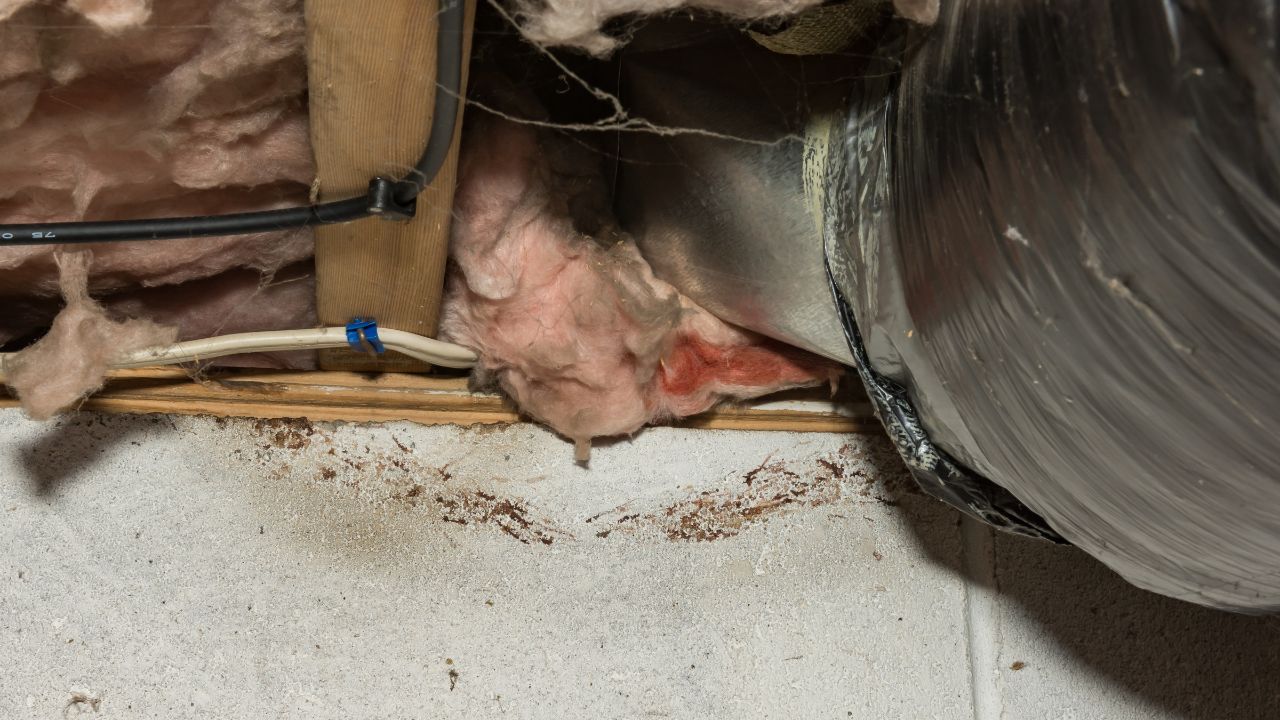
Cooler, damp basements are ideal for mice, especially if they can slip in through foundation cracks or old windows. They’ll make nests behind stored boxes or in insulation along the walls. Because basements are often less trafficked, infestations can get worse before anyone notices. Sealing cracks, fixing window seals, and storing items off the ground keeps this area less appealing to pests.
Closets
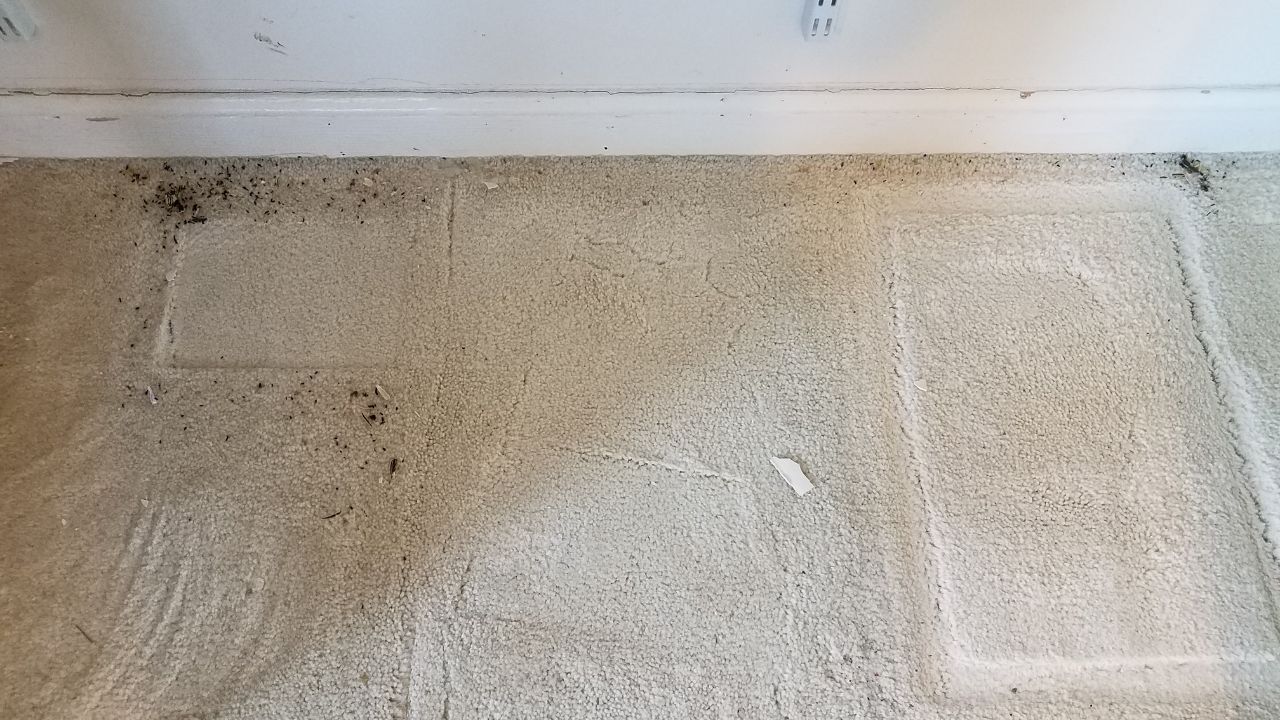
It might sound surprising, but closets provide mice with warmth and soft nesting materials. Clothes, blankets, and old shoes are perfect for hiding out. If you find unexplained holes in fabric or droppings in corners, you may have an unwanted guest. Avoid storing items directly on the floor and use sealed bins for out-of-season clothes. Regularly opening and airing out closets discourages pests from moving in.
Crawl Spaces
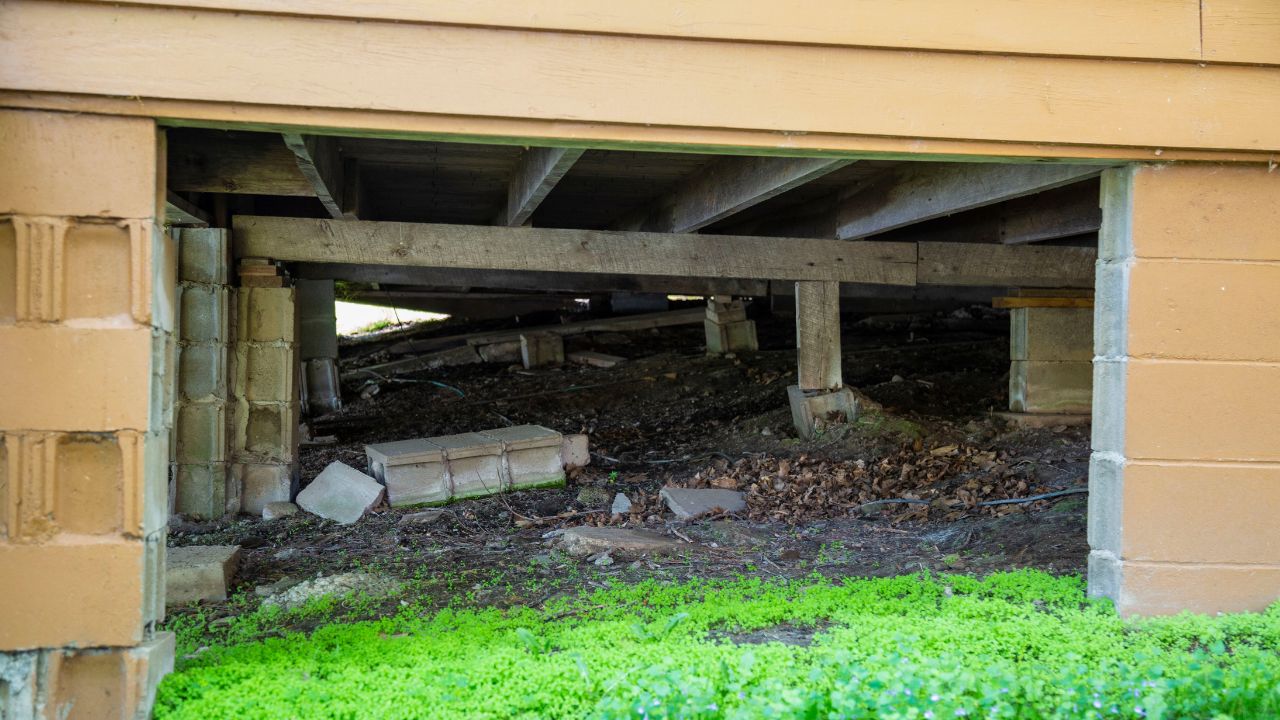
Crawl spaces are notoriously difficult to keep mouse-free. They’re dark, protected, and often loaded with insulation that rodents love. If your crawl space isn’t sealed, it’s one of the first places mice will head when the cold sets in. Installing a vapor barrier and sealing access points is the best defense. Setting traps along the perimeter can also help catch any intruders before they reach your living areas.
Pantry Shelves
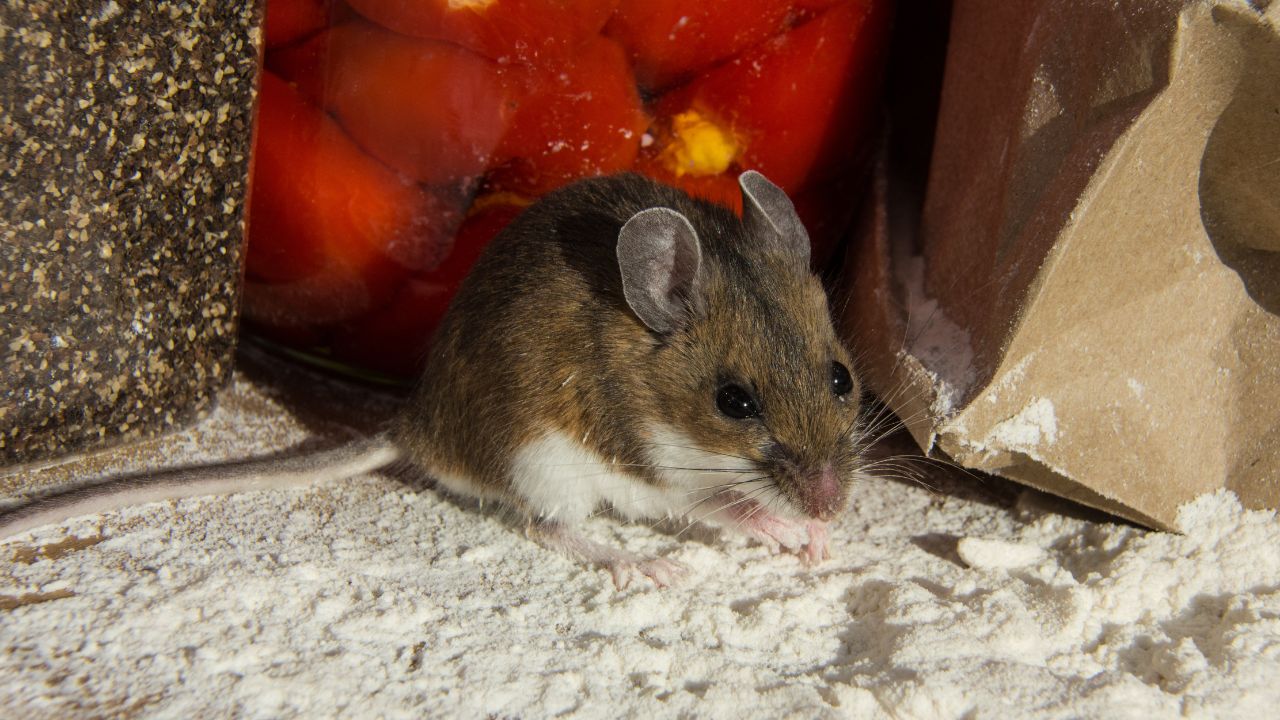
If you store dry goods in bags or boxes, mice will chew right through them. Pantry shelves are a jackpot for food access, which makes them one of the top hiding and feeding spots. Using airtight glass or plastic containers eliminates their food source. Wiping down shelves regularly and checking for droppings or gnaw marks helps you catch problems early.
Heating Ducts
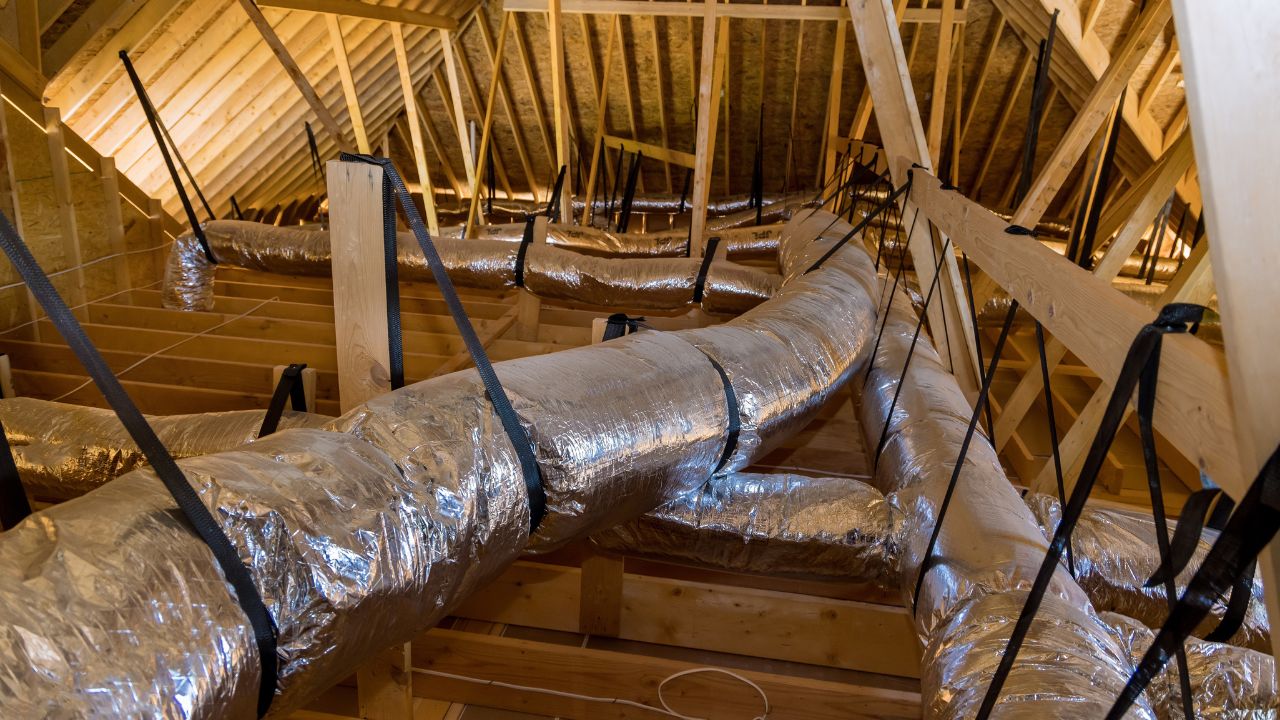
Once mice get inside your house, they can slip into ductwork and travel anywhere. They’re drawn to ducts because they’re warm and let them move unnoticed between rooms. Unfortunately, this can spread droppings and urine through the airflow. Sealing ducts, checking vents, and adding mesh over openings keeps them out. If you suspect activity, call a pro for a thorough cleaning.
*This article was developed with AI-powered tools and has been carefully reviewed by our editors.