12 Big Ways to Homestead on a Tiny Plot
Image Credit: RossHelen/ Shutterstock.
You don’t need a hundred acres to start homesteading. Truth is, you can do a whole lot with a small yard, a little grit, and some smart planning. Most of what makes a homestead work isn’t about size—it’s about using what you’ve got to its full potential.
If you’re working with a tiny plot but still want to grow food, raise animals, and be more self-reliant, you’re in the right mindset. These 12 ideas can help you homestead big, even in a small space.
Grow Vertically
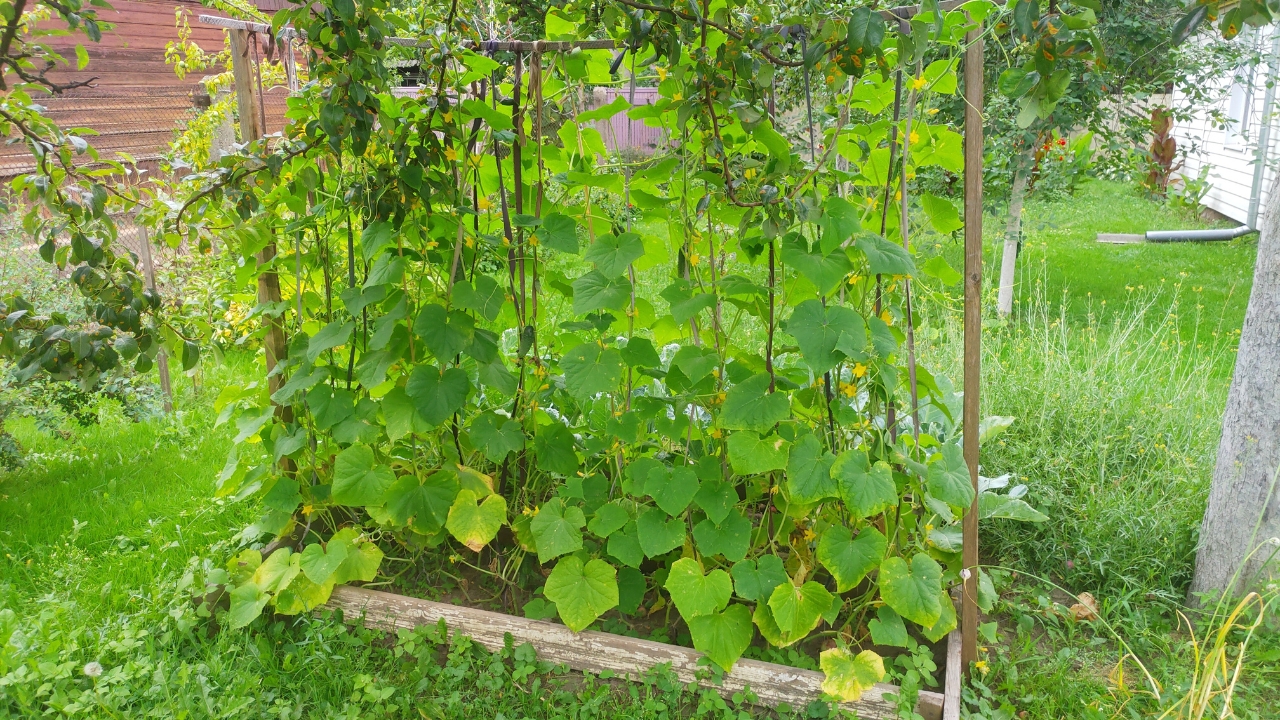
When ground space is tight, the only way to go is up. Trellises, hanging baskets, wall planters—they all let you grow more in less space. Crops like tomatoes, beans, peas, and even cucumbers do well when trained to climb.
Use fences, walls, or simple DIY frames to support vertical growth. It keeps plants off the ground, makes harvesting easier, and helps with airflow to reduce disease. You’d be surprised how much food you can grow when you stop thinking flat.
Raise Backyard Chickens
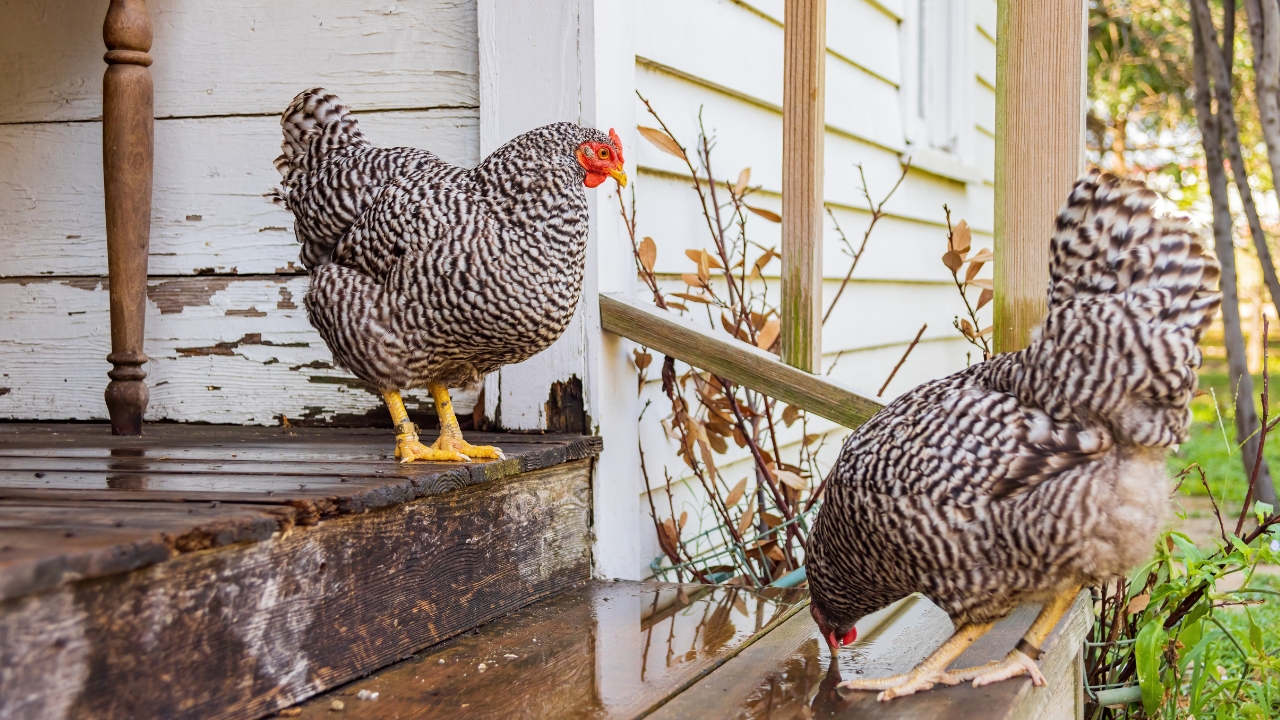
You don’t need acres to raise chickens. A small flock of three or four hens can fit in a modest backyard and still give you a steady supply of eggs. Just make sure your coop is secure, and they have enough room to move around.
Look into city or county rules before you start, but plenty of folks raise chickens on tiny plots. They eat scraps, help control bugs, and their manure boosts your compost pile. They earn their keep even in small spaces.
Use Container Gardening
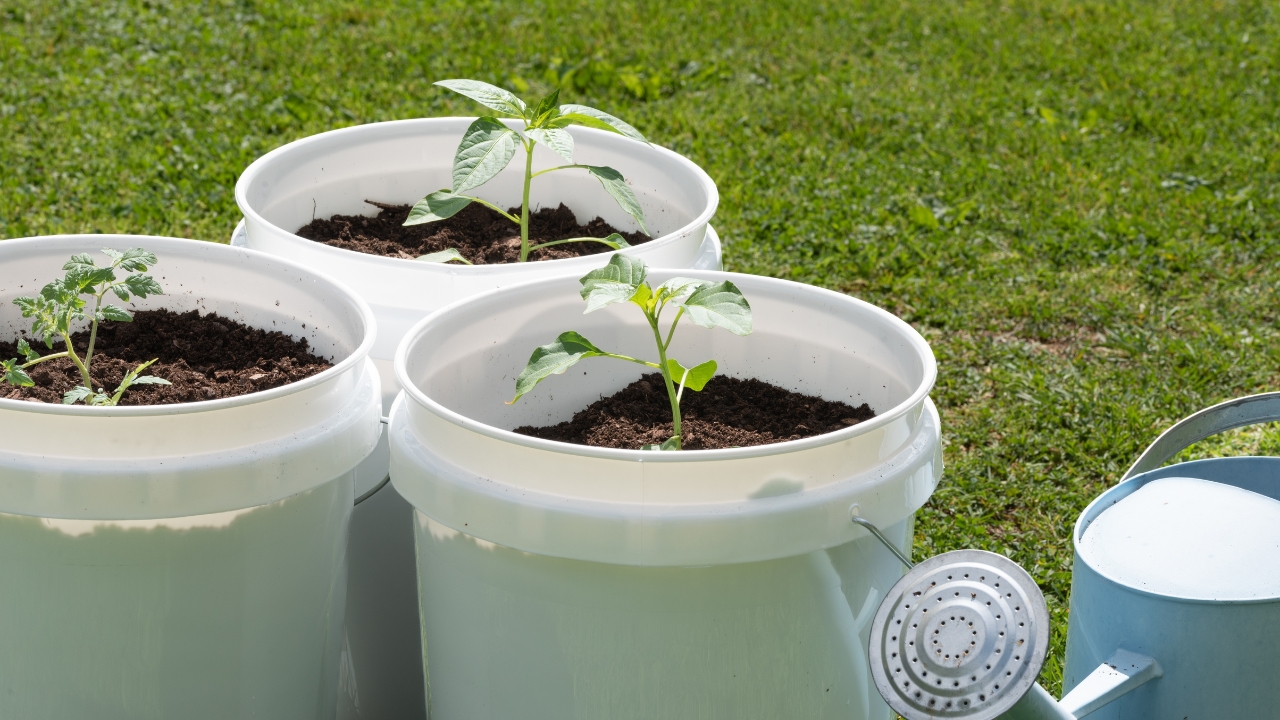
If your soil’s no good—or you just don’t have much of it—containers are your best friend. Buckets, barrels, grow bags, and old tubs can all be turned into productive mini-gardens. Just make sure there’s good drainage.
You can grow everything from herbs and peppers to potatoes in containers. Move them around as needed for sunlight, and you’ll have full control over your soil quality. It’s a flexible setup that works anywhere, even on a patio or balcony.
Make Use of Every Inch

Don’t let any space go to waste. Grow herbs in windowsills, hang baskets from railings, or tuck leafy greens in between flowers. If there’s dirt and light, you’ve got a growing spot.
Look at your space with fresh eyes. That awkward strip beside the shed? Plant it. The sunny side of your fence? Trellis it. The more you maximize what you have, the more you’ll get out of it. Homesteading’s about working smart, not just working big.
Start a Compost System

Even on a small lot, you can turn kitchen scraps and yard waste into rich compost. A simple bin or pile in the corner of the yard is all it takes. No need for anything fancy.
Composting saves money on fertilizer and helps improve whatever soil you do have. Plus, it cuts down on trash. Keep the ratio of greens (like veggie scraps) to browns (like leaves or cardboard) balanced, and you’ll have good compost in no time.
Use Rainwater Collection
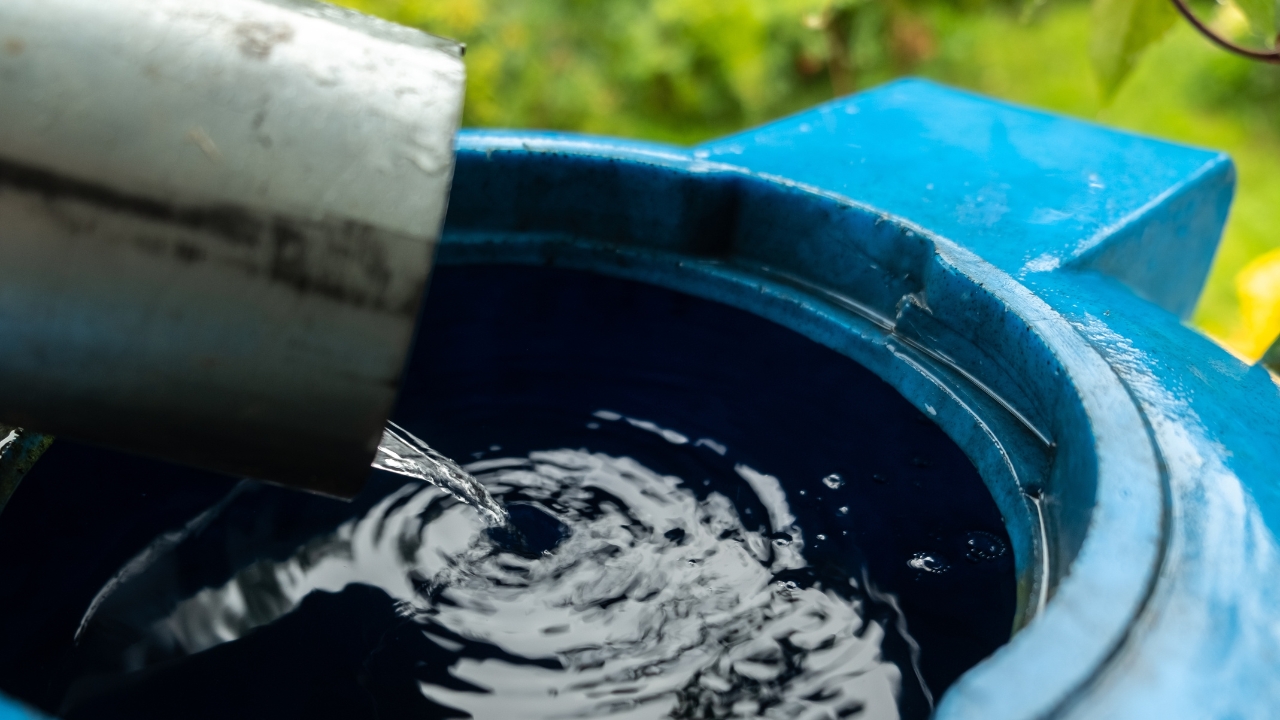
Collecting rainwater is an easy way to reduce your water bill and prep for dry spells. Even on a tiny plot, a couple of barrels under the gutter spout can hold plenty for watering plants or cleaning tools.
Just check local rules before setting it up—some areas regulate rain collection. Keep the barrels covered to avoid mosquitoes, and add a screen to catch debris. It’s a simple setup that pays off, especially in the hotter months.
Focus on High-Value Crops
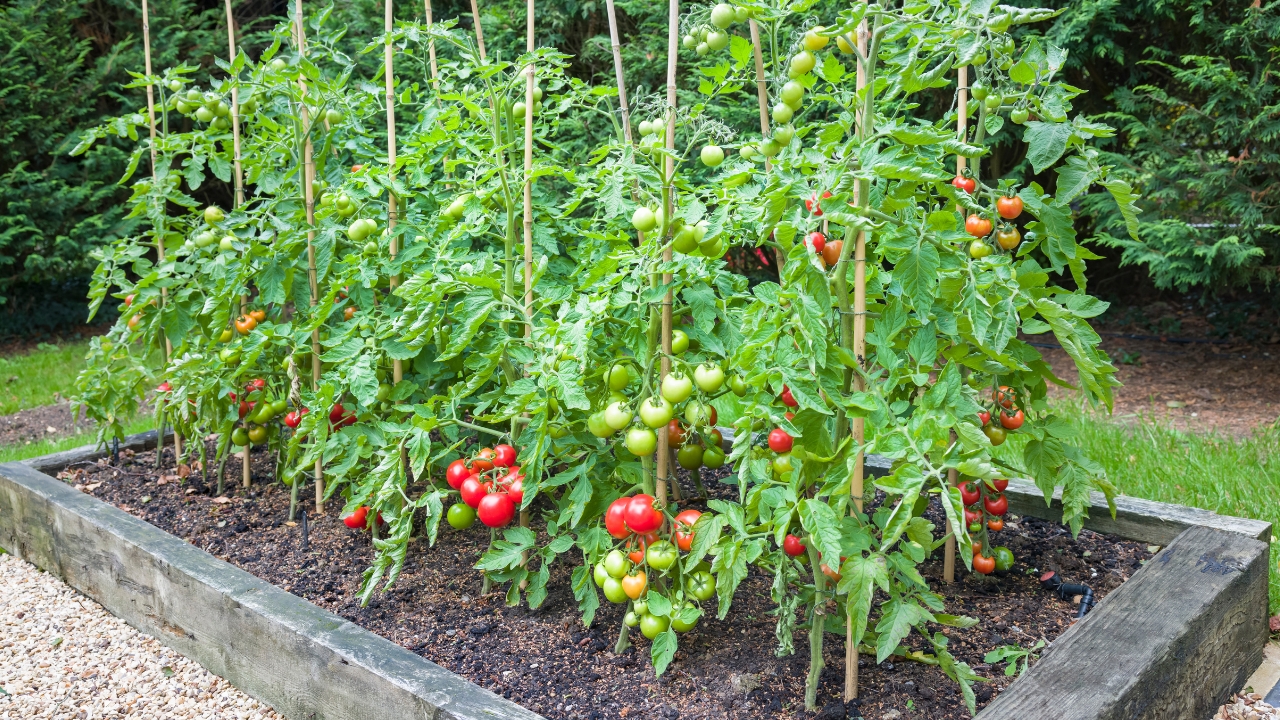
If space is limited, don’t waste it on things you can buy cheap in bulk. Focus on growing what costs more at the store or what you eat often—like fresh herbs, salad greens, tomatoes, or peppers.
These kinds of crops give you more bang for your buck and are perfect for harvesting fresh as needed. You’ll save money and always have something fresh on hand. That’s how you make a tiny garden pull its weight.
Keep Small Livestock
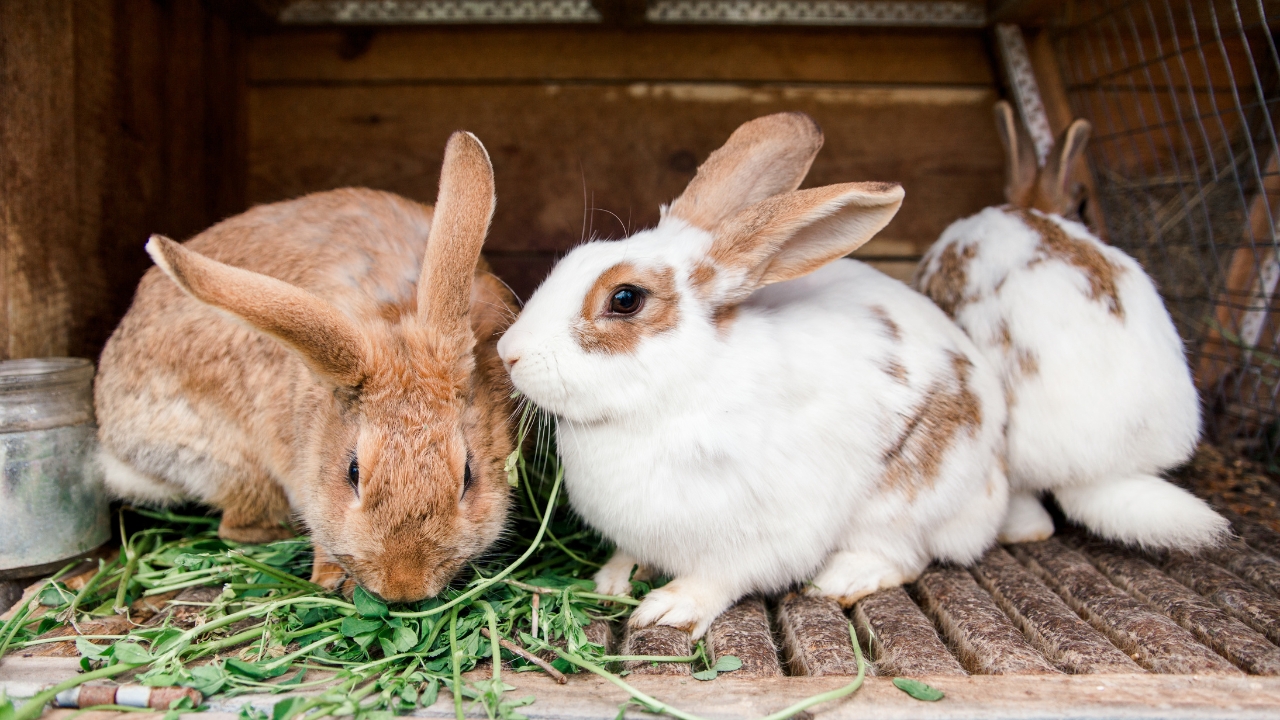
Chickens aren’t the only option. Rabbits and quail are two small livestock choices that don’t need much space. They’re quiet, don’t take up much room, and can provide meat or eggs depending on the breed.
Just like with chickens, you’ll need a secure pen and a clean setup. But if you’re tight on land and still want to produce protein, these animals can do the job without needing a pasture. They’re efficient, manageable, and surprisingly productive.
Practice Succession Planting
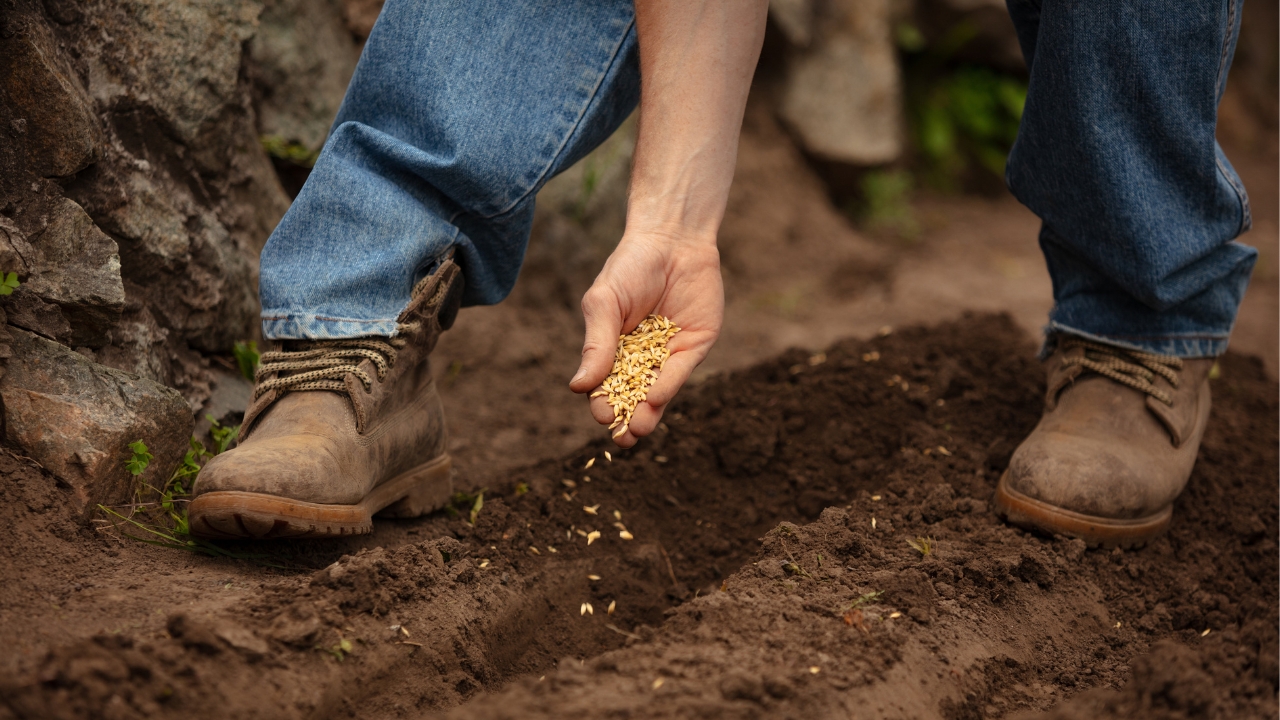
Instead of planting once and being done, use your space over and over. As soon as one crop’s done, plant something else. Leafy greens, radishes, carrots—lots of crops mature quickly and can be planted multiple times a year.
This keeps your beds productive and ensures a steady harvest. It takes a little planning, but it makes the most of every square foot. The more rounds you can get out of a single bed, the more food you’ll pull out of your plot.
Preserve What You Grow

Just because your harvest is small doesn’t mean it has to go to waste. Learn to preserve it—dry herbs, can tomatoes, pickle cucumbers. Even a few extra jars can go a long way over the winter.
Preserving lets you stretch your harvest and make the most of what you worked for. You don’t need a root cellar or industrial canner to get started—just basic tools and a little know-how. It’s part of the homesteading mindset, even on a small scale.
Barter With Neighbors
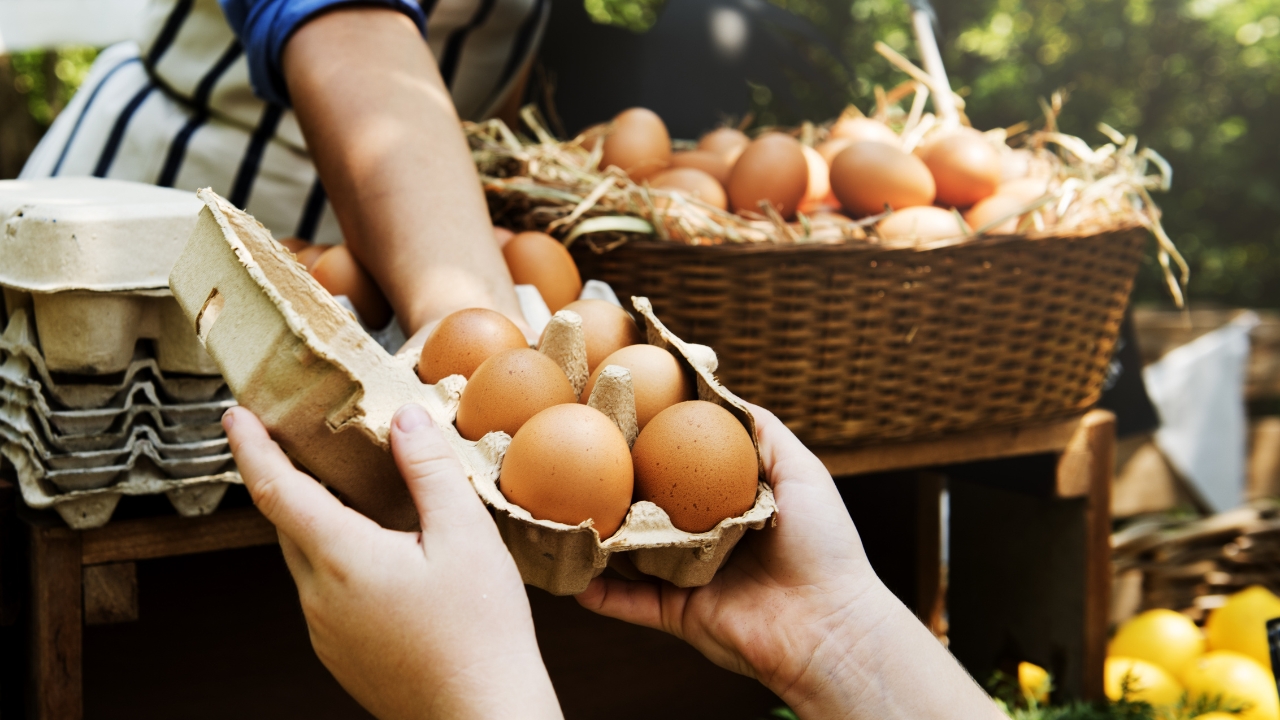
If you can’t grow or raise everything, team up with folks who can. Trade your eggs for someone’s honey, swap herbs for extra produce, or exchange compost for firewood. It keeps the community strong and fills in the gaps.
Even on a small lot, you have something valuable to offer. Bartering brings back that old-school mentality of helping each other out without always reaching for cash. It’s practical, and it makes you less dependent on the store.
Grow Year-Round When Possible
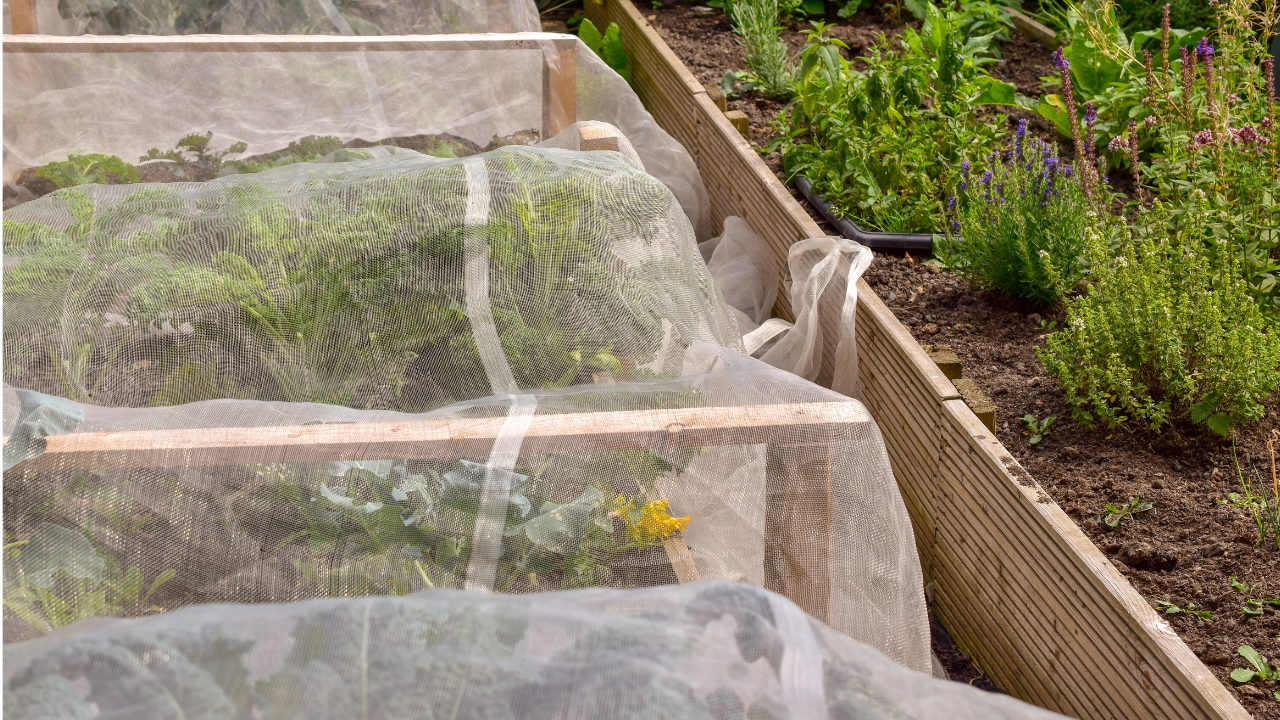
A tiny plot can still produce in the off-season with a little effort. Use cold frames, row covers, or even a small greenhouse setup to keep things growing through fall and winter.
Even in colder climates, you can grow cold-hardy greens and root veggies. Stretching the season gives you more food from the same space and keeps the garden productive longer. Every extra harvest counts, and it keeps your homestead working all year.
Like Fix It Homestead’s content? Be sure to follow us.