What You Can Raise on a Quarter Acre (More Than You Think)
Image Credit: Julia Zavalishina/ Shutterstock.
A quarter acre might not sound like much, but you can raise a surprising amount of food on it if you use the space right. You don’t need 40 acres and a tractor to start homesteading—what matters more is how you plan, rotate, and manage what you’ve got.
Whether you’re working with a big backyard or a small slice of land outside town, there’s plenty you can do to become more self-sufficient. Here’s a breakdown of what you can actually raise on a quarter acre.
Chickens

Chickens are the easiest place to start. You can keep a small flock of layers in a coop and run setup that doesn’t eat up much space. Even just five or six hens can give you a steady supply of eggs with enough left to share or sell.
They’ll also help clean up kitchen scraps and give you fertilizer for your garden. If your setup allows, you could even raise a few meat birds in batches through the warmer months. With the right rotation, chickens earn their keep quick.
Rabbits
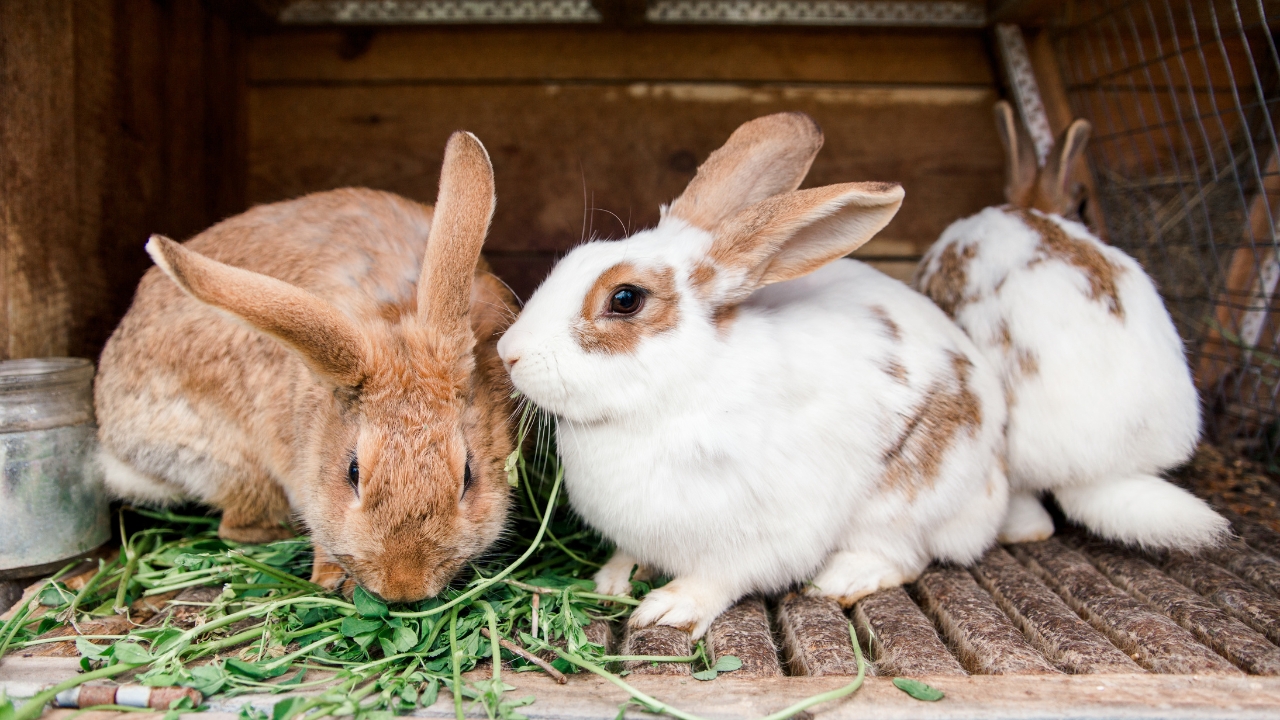
Rabbits are quiet, clean, and take up very little room. You can raise them in hutches, tractors, or colony-style setups depending on what works best for your space. A trio of rabbits (one buck and two does) can produce a surprising amount of meat in a year.
They’re also great for turning weeds, garden scraps, and hay into protein. Their manure is cold, meaning you can use it straight in the garden without composting. For small-scale meat production, rabbits are one of the most efficient options out there.
Ducks

If you’ve got a bit of room for a water source—like a kiddie pool or small pond—ducks are a solid addition. They lay rich eggs, are great for pest control, and can handle wet, messy conditions better than chickens.
You’ll want to give them more space than a tight chicken run, but they still do well in a backyard setup. Keep in mind they’re messier with water and feed, so you’ll need to clean their area more often. But they’re hardy, productive birds that pull their weight.
Bees
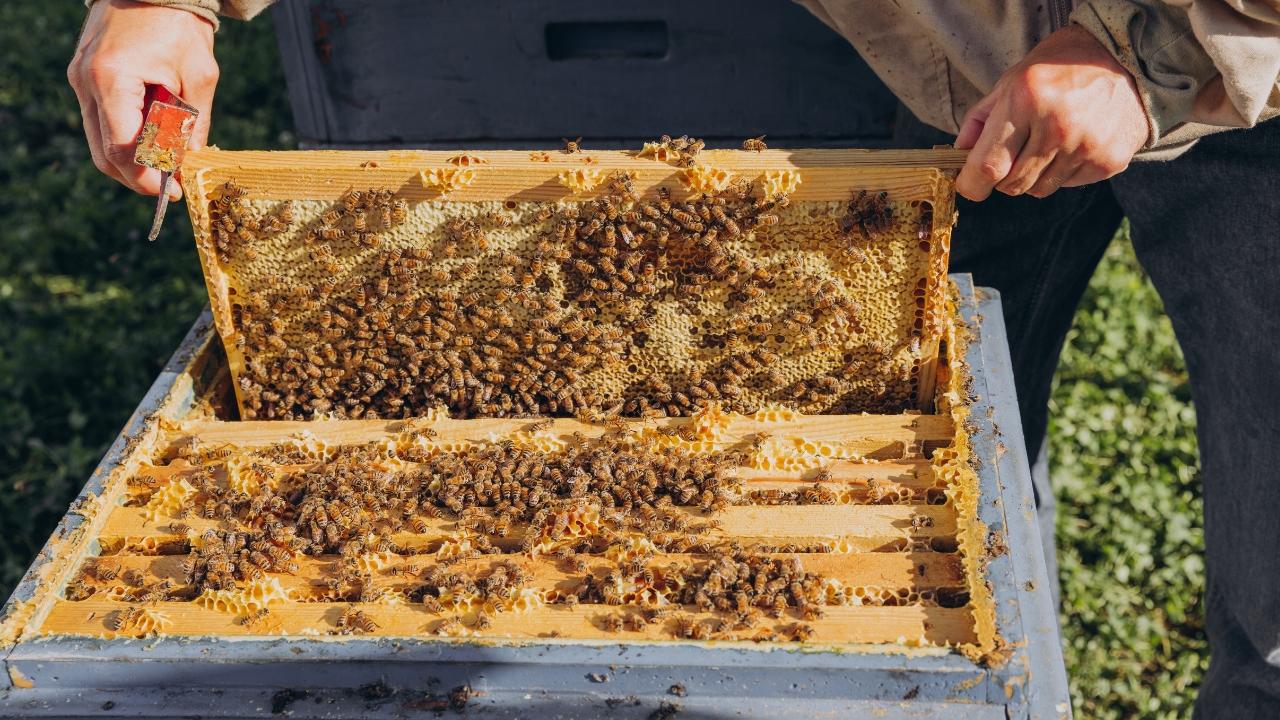
Beekeeping doesn’t take much space—just a corner of your yard that gets good sun and isn’t too close to high-traffic areas. A single hive can produce pounds of honey a year, plus beeswax and pollination benefits for your garden.
You’ll need to do some homework upfront, and there’s a learning curve. But once you’re set up, bees mostly take care of themselves with a little maintenance. If your area allows it and you’ve got the right spot, it’s a great way to add value to your land.
Quail

Quail are perfect for tight spaces. They don’t need a ton of room, and they grow fast—usually ready to butcher in about eight weeks. Coturnix quail are the most common breed for backyard setups, and they lay small but consistent eggs.
You can raise them in cages or aviaries, depending on how much space and time you want to put into it. They’re quieter than chickens, easier to process, and make sense for folks looking to produce meat and eggs on a small scale.
Goats (Mini Breeds)
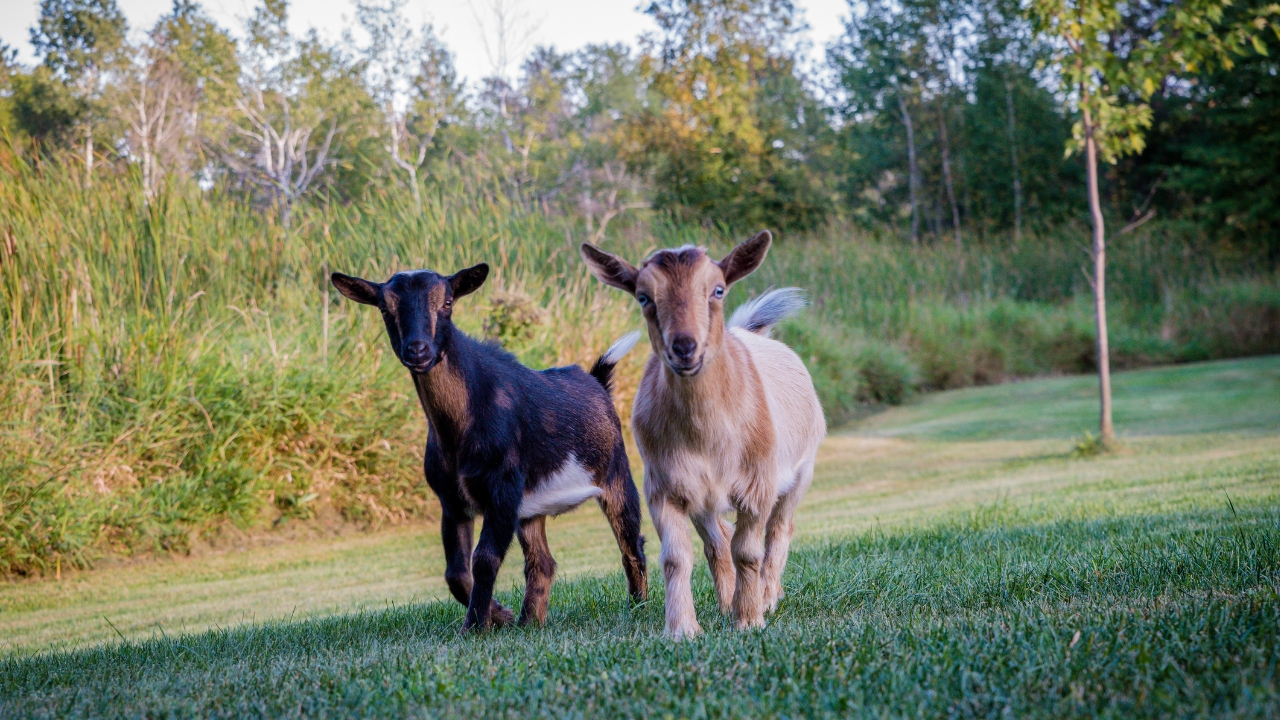
Full-size goats are a tight squeeze on a quarter acre, but mini breeds like Nigerian Dwarfs can work with the right setup. You’ll need good fencing, shelter, and a plan for rotating or managing forage—but it’s doable.
Two does and a wether for company is a manageable group. They can provide milk, manure, and brush control all in one. Goats are more work than chickens or rabbits, but they’re worth considering if dairy’s something you want to produce yourself.
Meat Birds (In Batches)
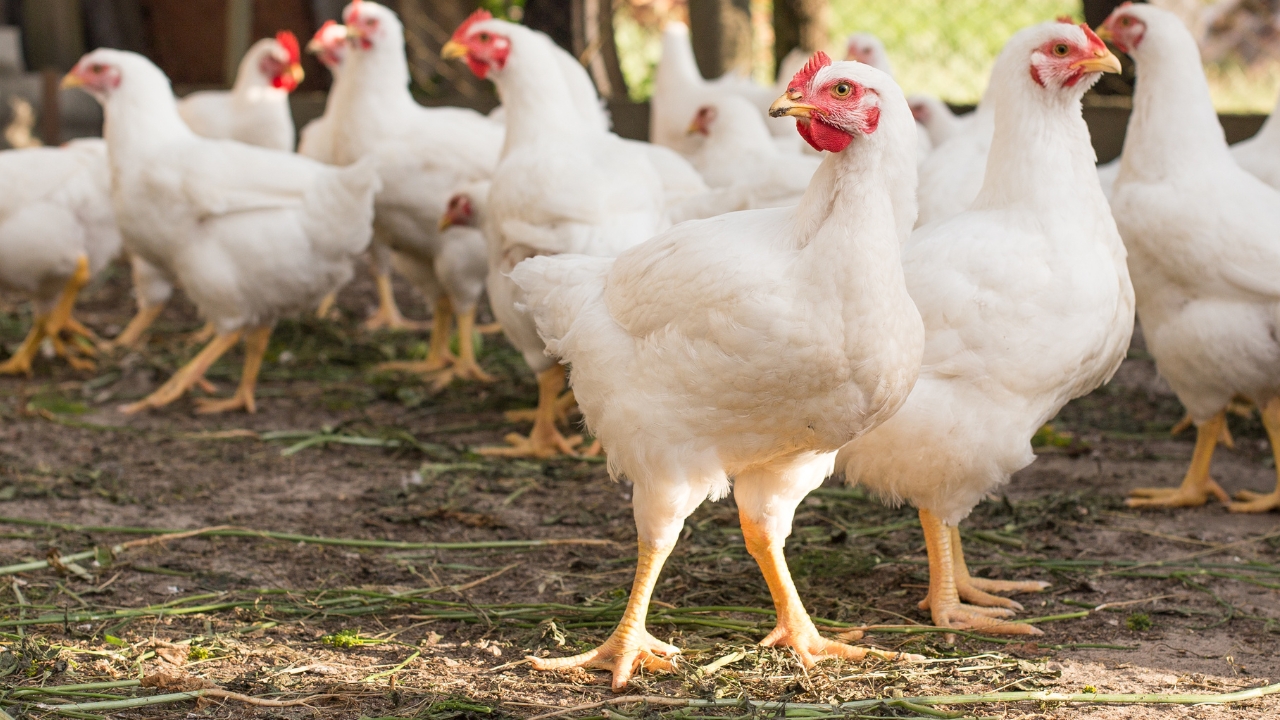
You might not have space for a permanent setup, but you can raise meat chickens in small batches using chicken tractors or portable pens. A 10- to 12-week cycle will give you plenty of meat without needing year-round space.
Cornish Cross are fast-growing and efficient, but you’ll want to butcher them all at once to free up your setup. Do one or two runs a year and freeze the meat—it’s a great way to keep your freezer full and your feed bill manageable.
Worms (Vermicomposting)

Raising worms might not sound exciting, but it’s a smart use of space. A small bin under your sink, in your basement, or outside in the shade can handle food scraps and turn them into rich compost.
Red wigglers are the go-to. They’ll break down kitchen waste and give you worm castings that are great for gardens or houseplants. It’s clean, it doesn’t smell when done right, and it’s one of the simplest ways to start producing something useful without needing land.
Meat Ducks or Turkeys (Seasonally)

Raising turkeys year-round on a quarter acre isn’t ideal, but doing a seasonal batch is very doable. Same goes for heavier duck breeds. Set up a movable pen or use an area of the yard for a few months, then process and rest the space.
Heritage turkeys take longer to grow, while commercial breeds like Broad Breasted Whites are ready in about four months. Keep the batch small, rotate often, and clean regularly. It’s a great way to raise a little meat without long-term housing needs.
Garden Beds and Vertical Growing
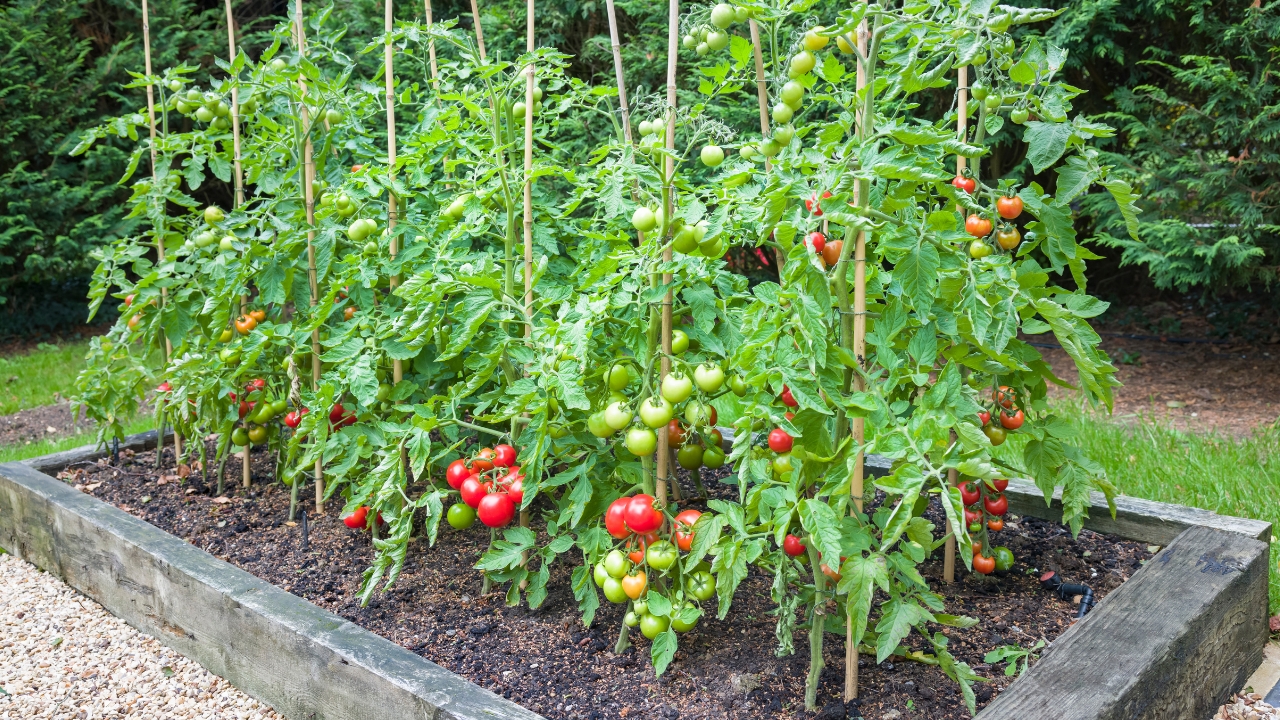
A quarter acre can hold a lot of food if you use the space well. Raised beds, container gardens, and vertical setups let you grow vegetables, herbs, and even small fruits without needing a full field.
Use trellises, hanging baskets, and stacked planters to maximize every inch. Focus on high-yield crops like tomatoes, peppers, lettuce, or beans. With good planning, you can grow enough produce to feed your family and preserve extras through the season.
Like Fix It Homestead’s content? Be sure to follow us.