10 Homesteading Mistakes That Could Cost You Thousands
Image Credit: Julia Zavalishina/ Shutterstock.com.
When we first got into homesteading, we were full of plans and way too confident about our budget. Turns out, it’s really easy to make expensive mistakes when you’re learning as you go—especially if you’re juggling animals, gardens, buildings, and a million other things at once.
Some lessons are worth learning firsthand, but others will drain your savings and leave you wondering what went wrong. If you’re trying to build something sustainable without breaking the bank, here are 10 homesteading mistakes to watch out for early.
Buying Land Without Researching Zoning
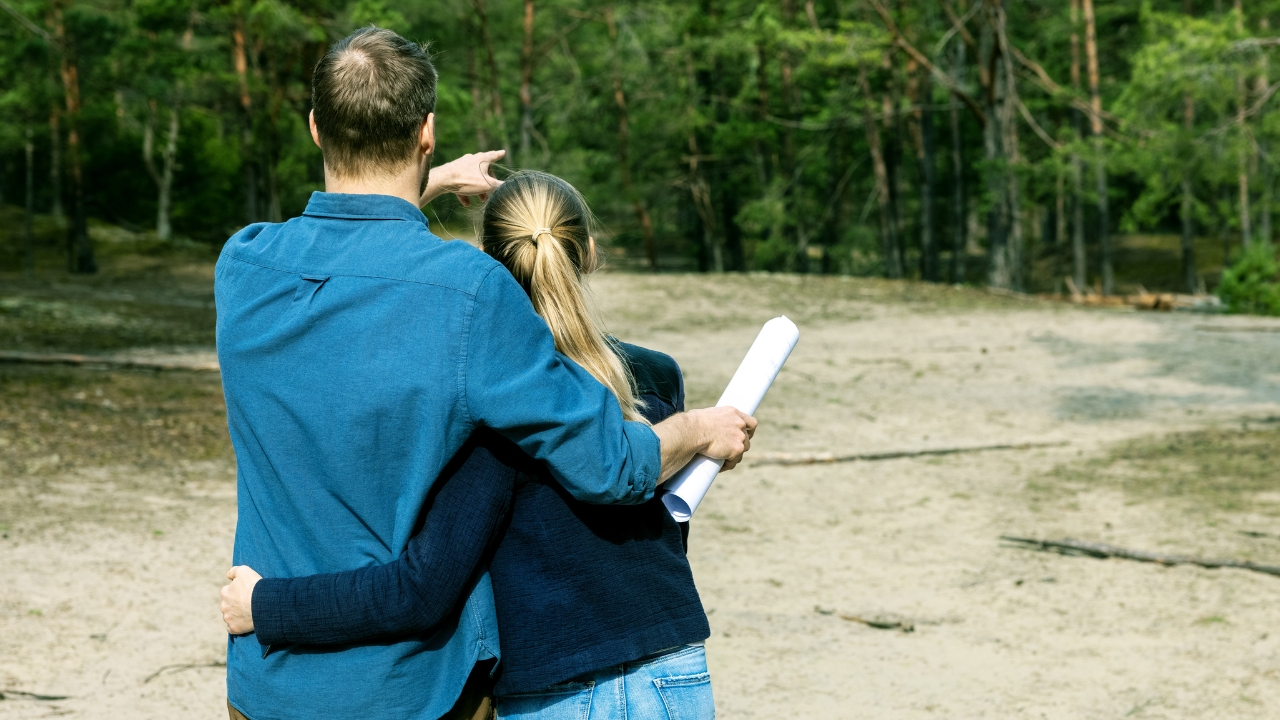
Just because a piece of land looks perfect doesn’t mean you can do what you want on it. Zoning laws can shut you down fast—no livestock, no tiny homes, no off-grid living in some areas.
Before you buy, check everything: zoning rules, building restrictions, water rights, and even local ordinances. It might seem like boring paperwork, but missing this step can turn your dream property into a nightmare that costs a fortune to fix—or forces you to start over.
Skipping Soil Testing
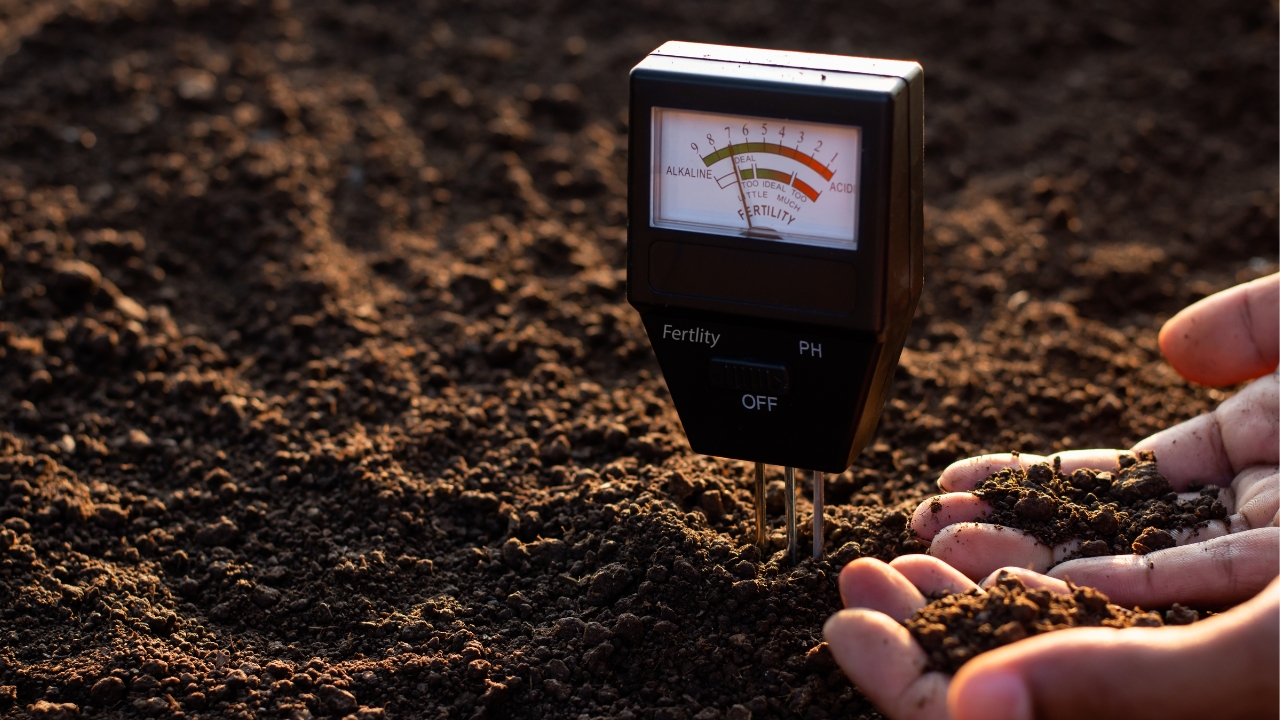
It’s easy to look at green grass and assume you can grow anything, but bad soil can wreck your garden plans and waste a ton of time and money. Poor drainage, pH issues, or nutrient imbalances are common—and fixable, but only if you catch them early.
Test your soil before planting anything major. You’ll get a better idea of what you’re working with and avoid throwing money at crops that won’t thrive. Good soil is everything when it comes to growing your own food.
Underestimating Water Needs

Hauling water gets old real fast. Whether it’s for livestock, gardens, or daily use, you need a reliable water source—and a backup plan if something goes sideways. Wells, rainwater systems, and irrigation all cost more than folks usually expect.
A lot of new homesteaders underestimate how much water they’ll use and end up scrambling when their well runs low or their rain barrels run dry. Get your water plan sorted before you bring in animals or plant anything big.
Taking On Too Much Too Fast

It’s tempting to try it all at once—gardens, chickens, goats, bees, maybe even a milk cow. But too many projects right out of the gate can burn you out and break the budget.
Start small and build as you go. Focus on getting one or two things running well before adding more. That way you’re not pouring money into stuff that ends up half-finished or failing because you didn’t have the time or know-how to manage it.
Not Fencing Properly
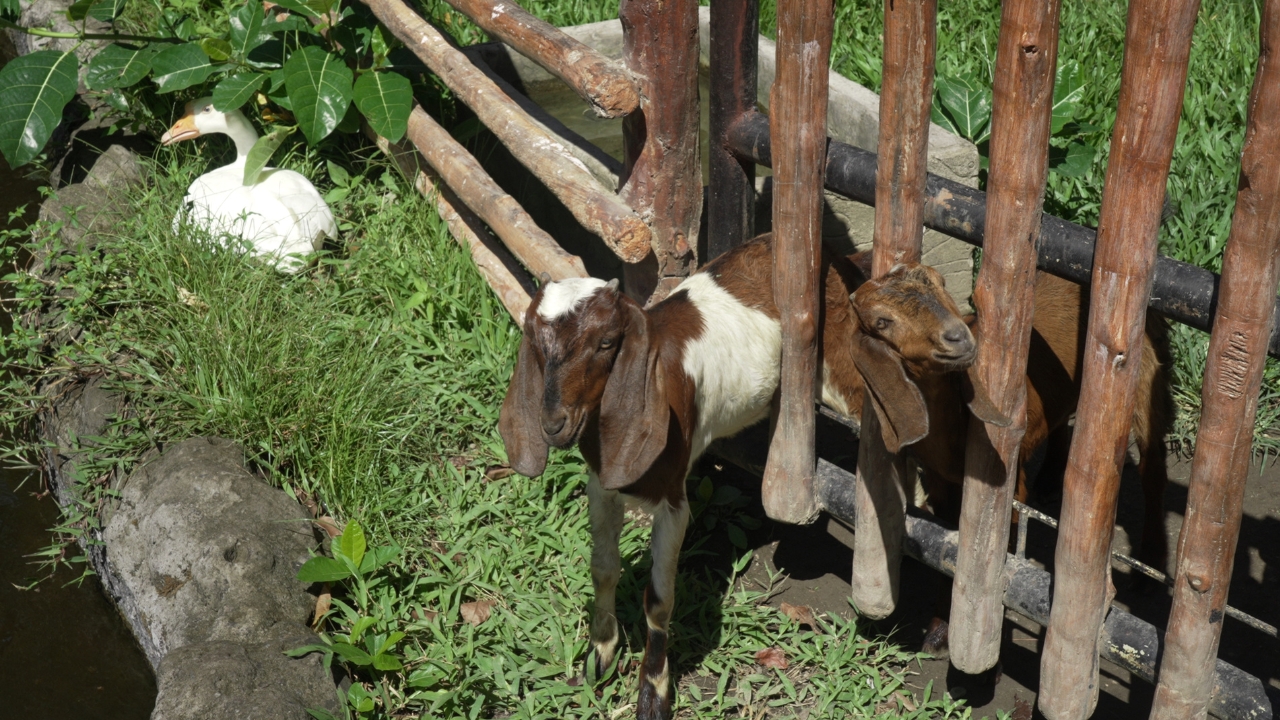
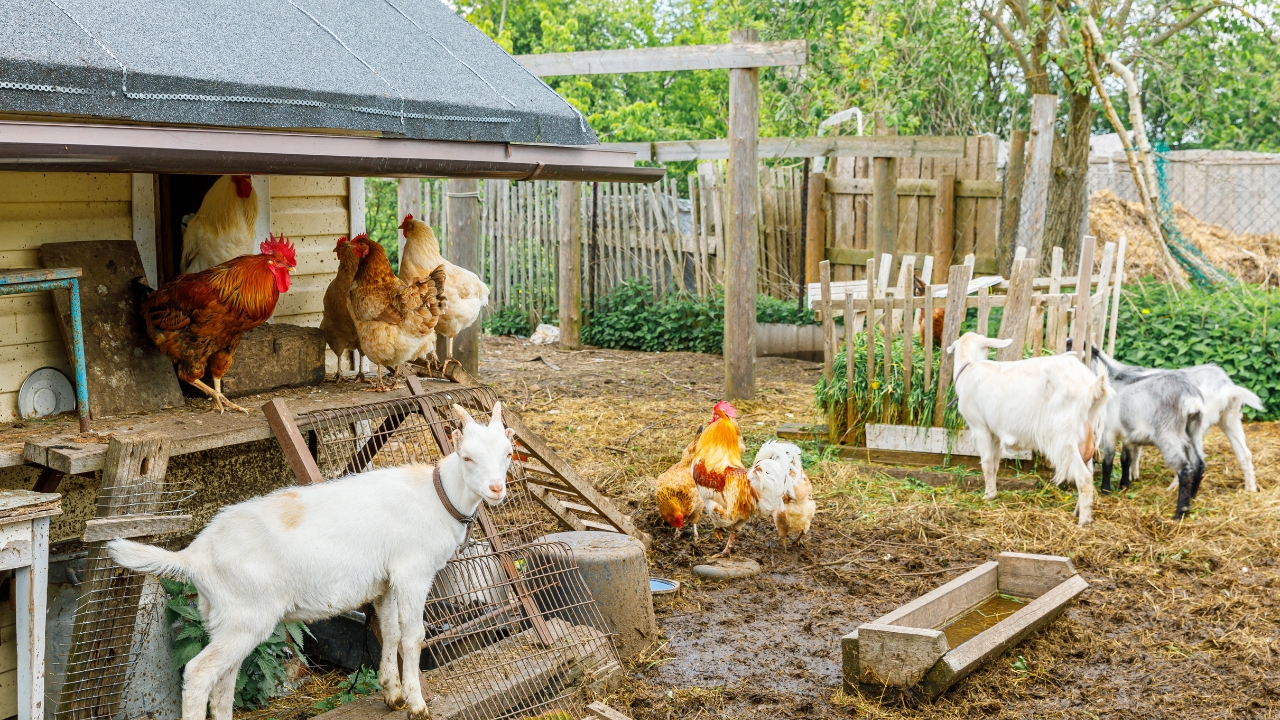
Cheap fencing always ends up costing more. Whether it’s goats escaping, predators getting in, or garden beds getting trampled—bad fencing can wreck everything you’ve worked for in one afternoon.
Invest in good materials and plan your layout carefully. Make sure it fits the animals or crops you’re protecting. You’ll spend more upfront, but it’s a lot cheaper than replacing lost livestock or rebuilding your garden from scratch.
Ignoring Maintenance
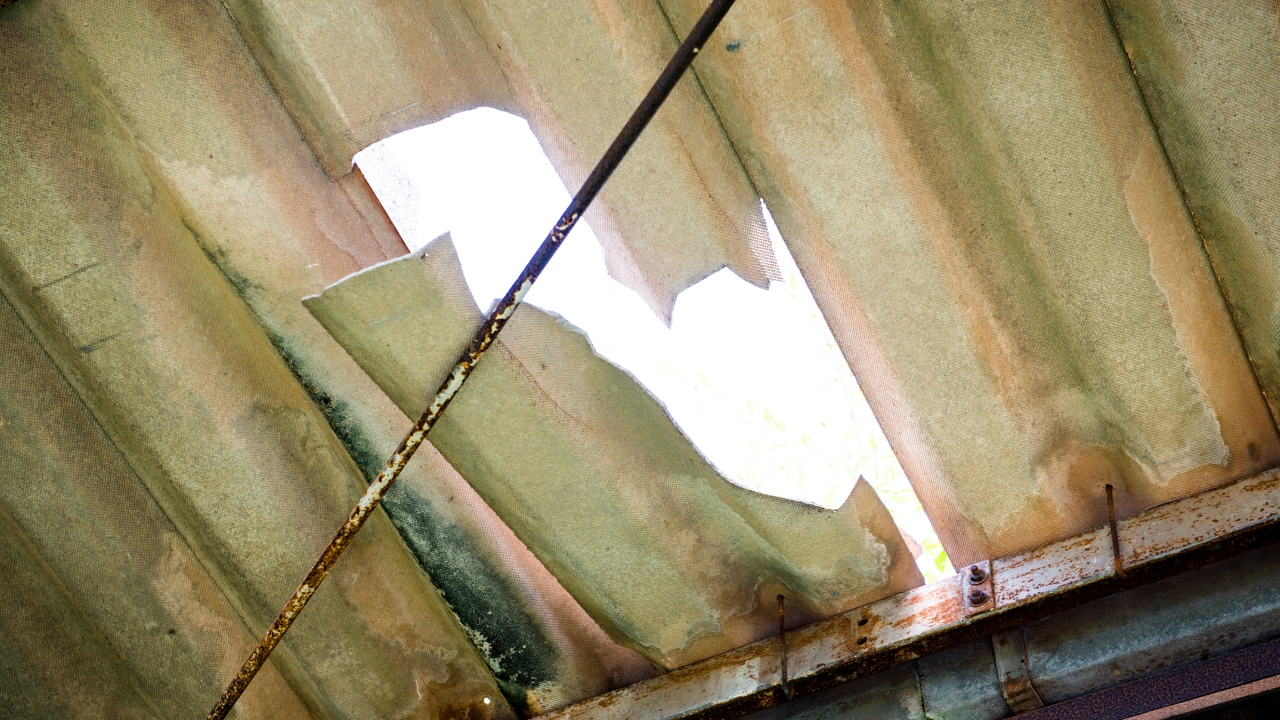
Letting things slide because you’re “too busy” is a trap. A leaky roof, broken gate, or bad wiring might seem small now, but they snowball into expensive fixes if you don’t keep up.
Set aside time every week to walk the property and fix what needs fixing. It doesn’t have to be perfect, but staying on top of the little stuff saves you from big repairs down the line—and keeps your place running the way it should.
Buying Too Much Equipment
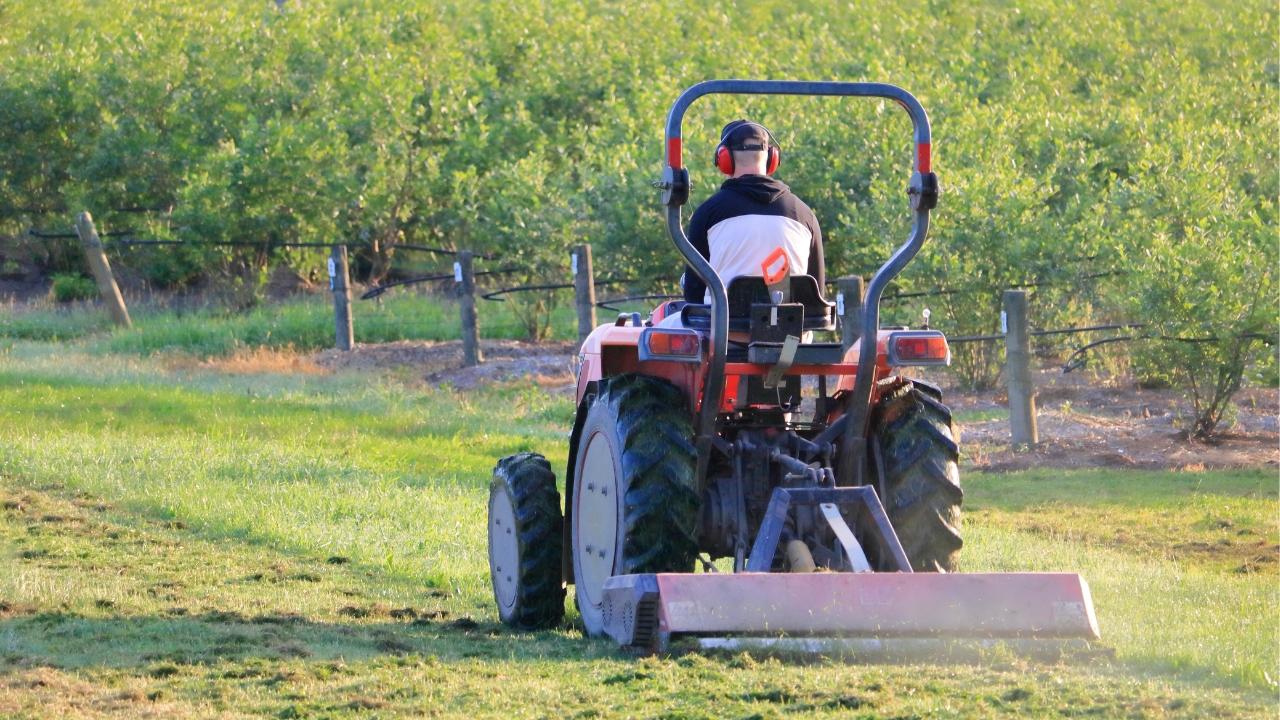
It’s easy to get carried away buying tools, tractors, and gadgets you think you’ll need—especially if you’re watching YouTube homesteaders with ten times the land. But a lot of that stuff ends up collecting dust or breaking down.
Start with the basics. Borrow or rent bigger gear when you can. Figure out what actually makes your work easier after you’ve done it the hard way once or twice. That’s when you’ll know if it’s worth the cost.
Overbuilding Before You Need It
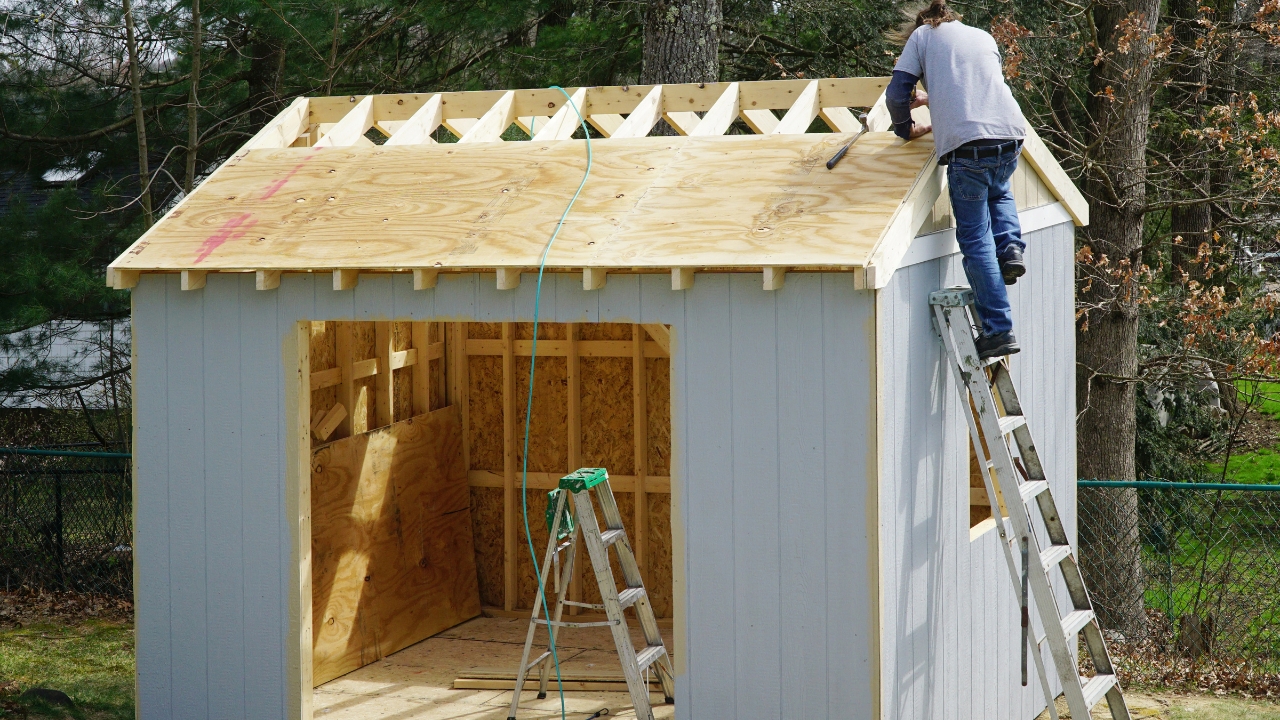
Building the perfect barn, greenhouse, or canning kitchen before you’ve even used the space is a good way to blow your budget. Plans change once you start living the lifestyle, and what you thought you needed often isn’t what you end up using.
Start with the essentials, and improve as you go. You’ll build smarter once you know how the land works and what your routine actually looks like. Overspending on infrastructure too early puts pressure on everything else.
Not Having a Backup Power Plan
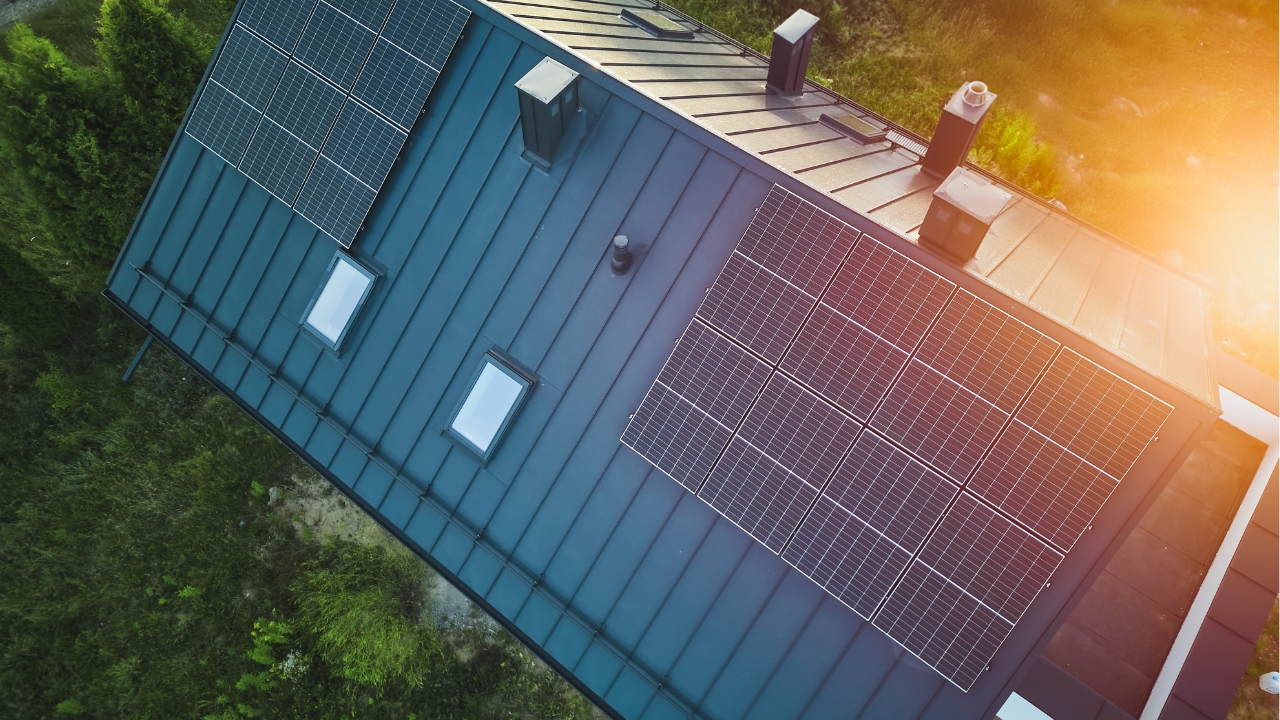
Power goes out more often than folks think, especially in rural areas. If you don’t have a backup, you’re risking spoiled food, frozen water lines, or even losing animals in extreme weather.
Whether it’s a generator, solar, or even battery backups for essentials, make sure you’ve got something in place. It doesn’t have to power the whole homestead, but it should cover your fridge, water pump, and heat sources at the very least.
Forgetting About Insurance

A lot of homesteaders skip insurance or assume their homeowner’s policy covers everything—but it usually doesn’t. Outbuildings, livestock, farm equipment, or even food sales can all fall outside normal coverage.
Talk to your insurance provider and get clear on what’s actually covered. It might cost more than you hoped, but it’s nothing compared to the financial hit if something big goes wrong. Fires, storms, and accidents don’t care how prepared you feel—they care how prepared you are.
*This article was developed with AI-powered tools and has been carefully reviewed by our editors.