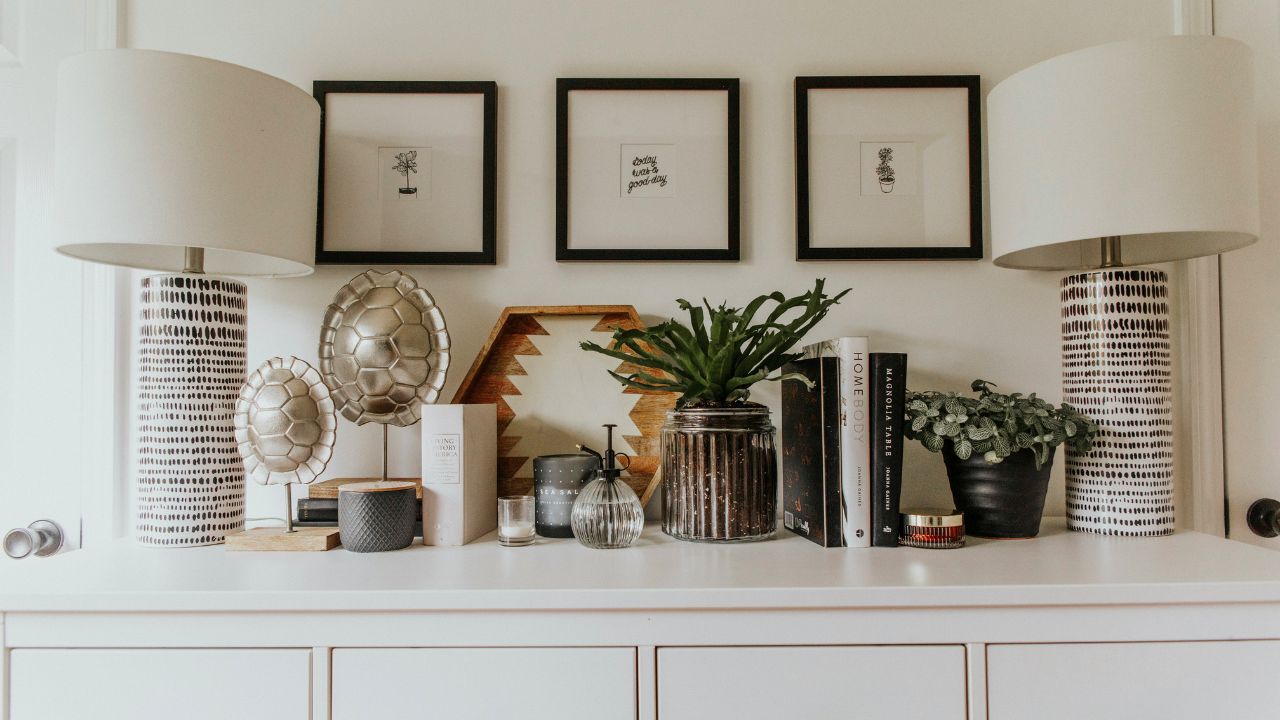
What designers say never looks expensive (even if it was)
Photo credit: Corinne Kutz/Unsplash
There’s a difference between spending a lot and looking like you spent a lot—and designers can spot it instantly. Some decor choices might have a big price tag but still read as cheap once they’re in your space.
The trick to creating an elevated look isn’t about how much you spend, but where you put your money and how everything works together. These are the things designers say will never look expensive, no matter how much you paid for them.
Matching furniture sets
A full matching set might seem like the easy route, but it instantly gives away that the pieces were bought together instead of collected over time. It flattens the personality of a room and makes it look straight out of a catalog.
Designers recommend mixing materials and styles—like pairing a wood table with metal chairs or adding an upholstered piece to a room full of hard surfaces. That variety is what makes a space look layered and high-end.
Fake plants
Even high-quality faux greenery often misses the mark. The uniform color and unnatural shine make them look staged, not lived in. Under bright lighting, the plastic stands out instantly.
If you need low-maintenance greenery, go for dried stems or preserved plants instead. They give that same touch of life without the fake gloss.
Too many small decor pieces

A shelf full of tiny trinkets can make a space look cluttered instead of curated. Even if everything came from an upscale store, too many small items compete for attention and make it hard for the eye to rest.
Swap them for fewer, larger statement pieces. A single vase or sculpture makes a stronger impact and feels more intentional.
Shiny chrome finishes
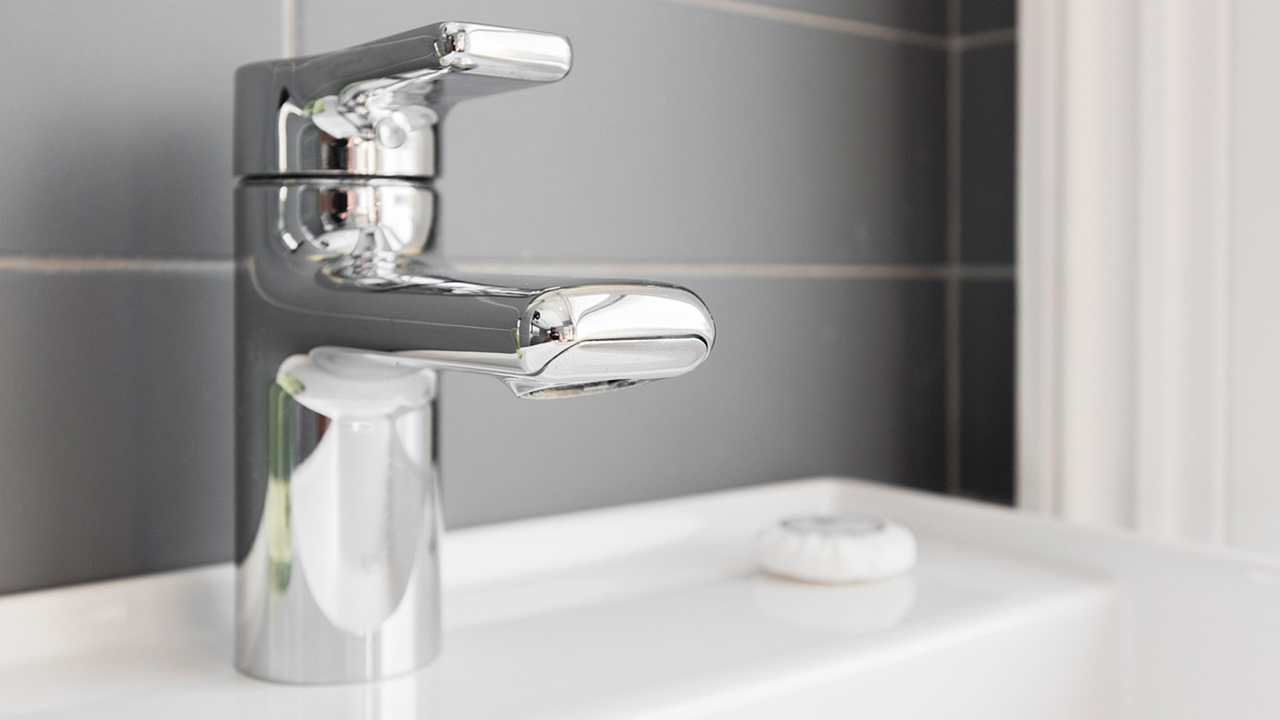
Polished chrome can look harsh and cheap when used everywhere. It reflects light in a way that highlights fingerprints and water spots, which instantly kills the “luxury” feel.
Matte black, brushed brass, or nickel finishes tend to read much higher-end. Mixing finishes thoughtfully across your space also helps it feel more custom and less builder-grade.
Overdone accent walls
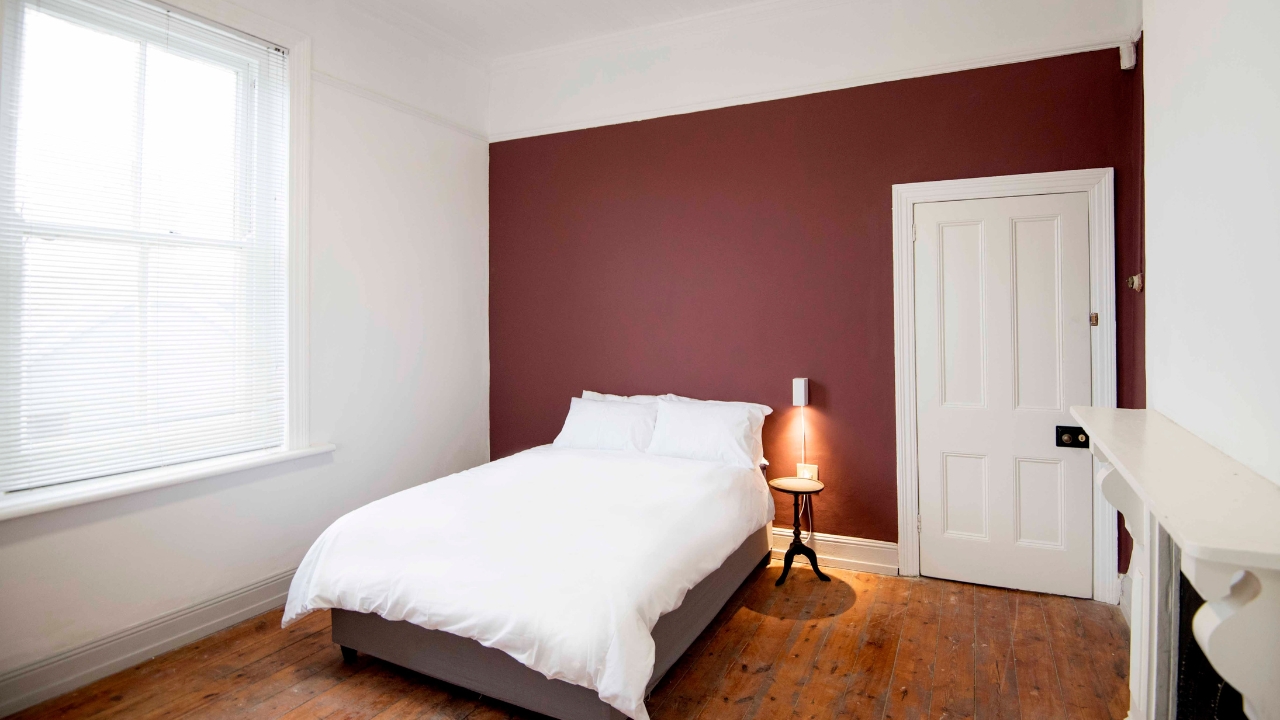
An accent wall can look good in theory but often ends up making a space feel disconnected. When only one wall gets attention, it can look like you ran out of paint or ideas halfway through.
Designers are moving toward full-room color or subtle texture instead. A consistent tone across all walls gives a more sophisticated, cohesive look.
Cheap curtains hung low
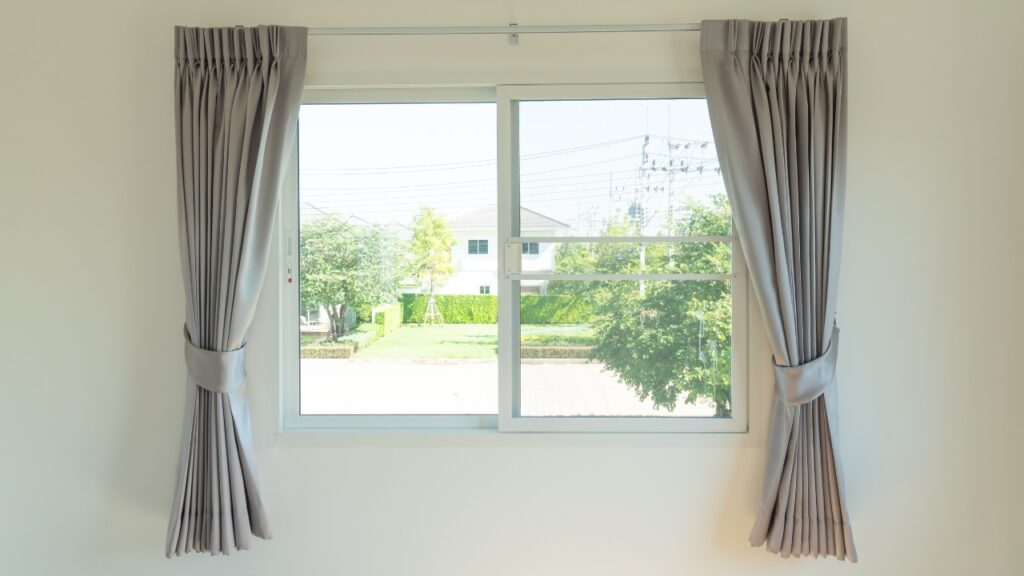
Curtains that start right above the window frame instantly make ceilings feel shorter and rooms look smaller. Even expensive fabric can’t save that mistake.
Hanging curtain rods closer to the ceiling and using longer panels draws the eye up and makes the room feel more grand. It’s one of the easiest ways to elevate a space without changing much else.
Overly staged decor
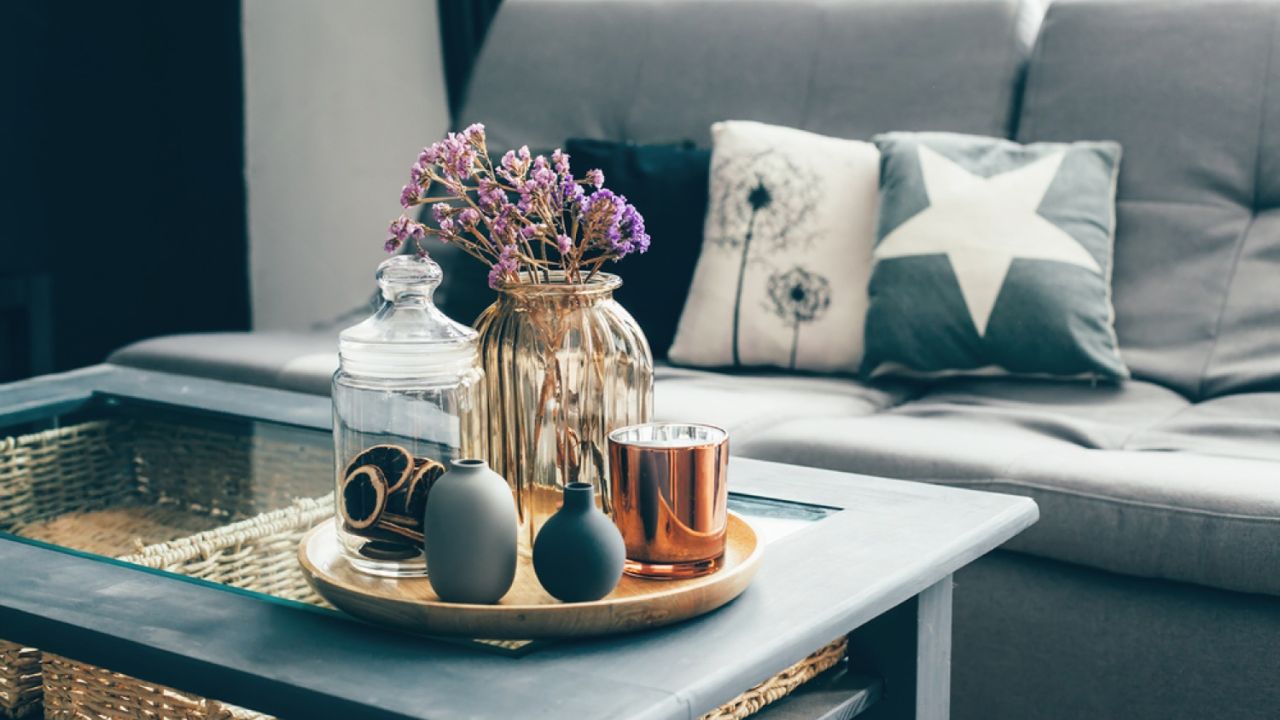
When every throw pillow is perfectly fluffed and every book is turned spine-in, it can make a room feel more like a showroom than a home. That kind of perfection comes across as forced, not luxurious.
Spaces that feel lived in—where fabrics are layered, textures vary, and personal touches show through—tend to look far more elevated.
Flat lighting

A room with only one type of lighting, like a single overhead fixture, always feels cheaper. It flattens everything and removes the depth and warmth designers aim for.
Layering lighting—like adding table lamps, sconces, or warm bulbs—creates dimension and makes furniture and finishes look more expensive instantly.
Plastic “marble” finishes

Countertops, trays, and decor pieces that try to mimic marble rarely fool anyone. The repeating patterns and glossy plastic sheen give away the material immediately.
If you love the look of marble, go for quartz, stone-look ceramic, or even a matte concrete finish instead. They deliver a more natural, authentic feel that holds up over time.
Furniture that’s too large for the space
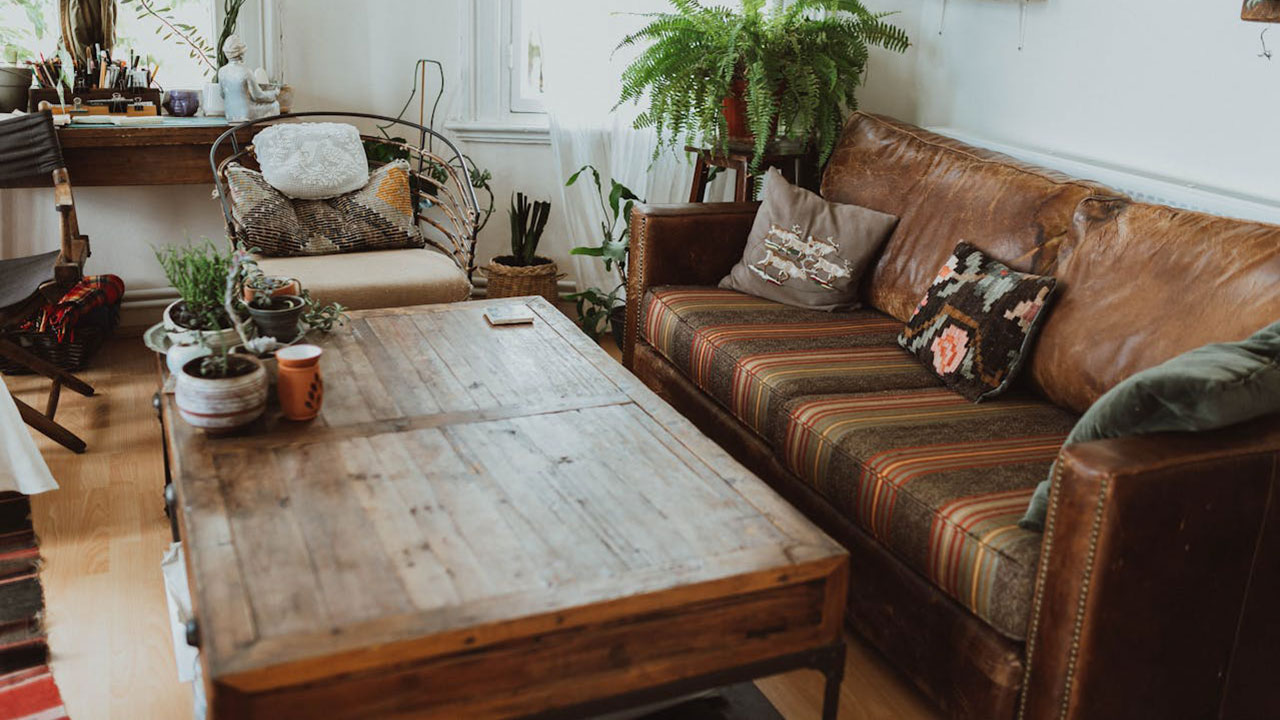
Even luxury pieces can look cheap if they overwhelm a room. Oversized sectionals and tables that leave no walking space make a home feel crowded instead of comfortable.
Designers focus on balance—leaving breathing room around furniture and keeping proportions right. When scale fits the space, everything automatically feels more expensive.
*This article was developed with AI-powered tools and has been carefully reviewed by our editors.