9 ways to ruin good land without even realizing it
Photo credit: Paul Groom Photography Bristol/Pexels
Owning land is a dream for a lot of people—but keeping it in good shape takes more than mowing and putting up a fence. It’s easy to make small mistakes that slowly destroy your soil, water flow, or long-term potential.
Whether you’ve got a few acres or a big spread, the choices you make early on can have lasting effects. Here’s what people do—often with good intentions—that ends up ruining perfectly good land over time.
Overworking the soil
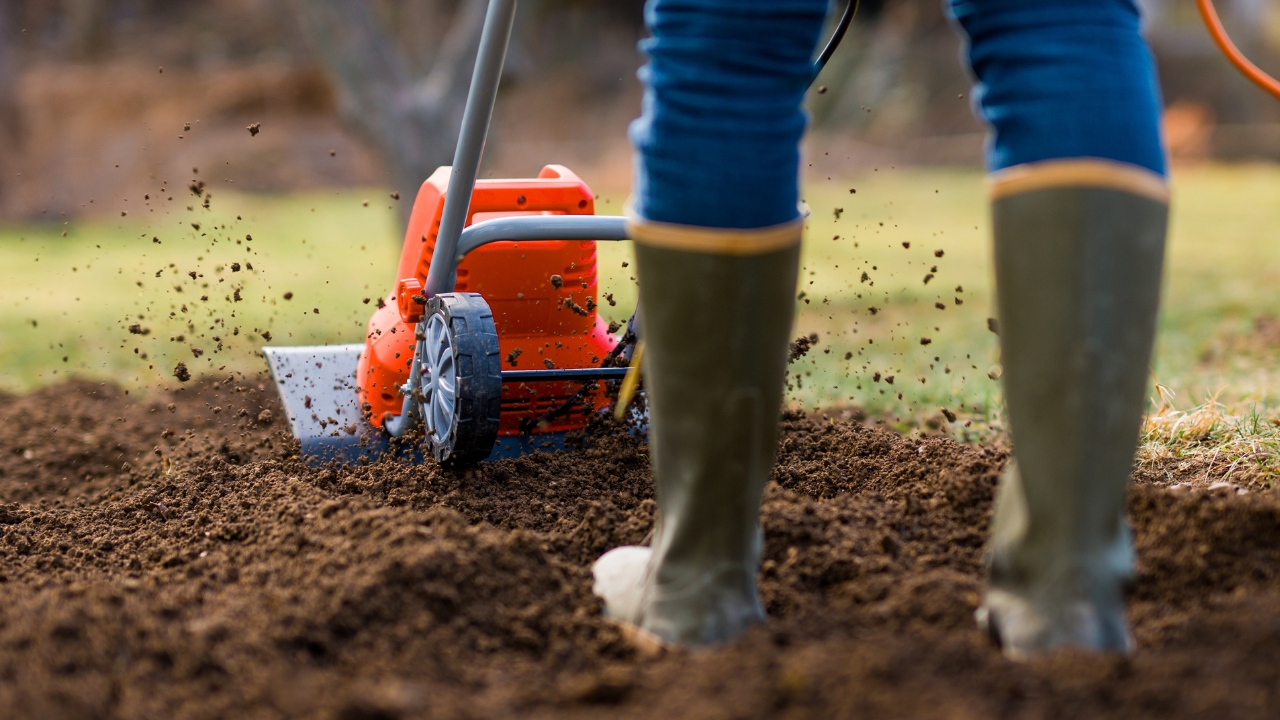
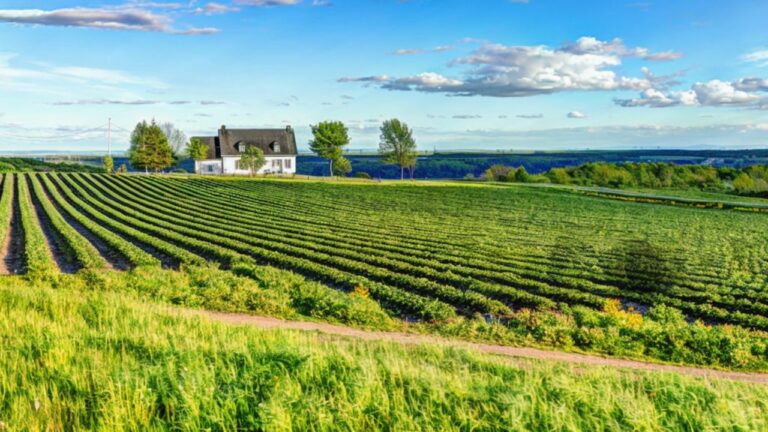
Tilling too often or too deep breaks down your soil structure and kills off the beneficial organisms that keep it healthy. When that happens, rain runs off instead of soaking in, and your ground gets compacted fast. Rotate crops, reduce tilling, and keep some cover crops or mulch in place to help rebuild what you’ve disturbed. Healthy soil should feel loose and hold moisture—it’s worth protecting.
Ignoring drainage issues

Poor drainage doesn’t just make a muddy mess—it can ruin your foundation, drown plants, and create erosion problems that spread across your property. Standing water usually means the soil is compacted or the grading is wrong. Fixing it early with proper slopes, French drains, or swales saves you from major headaches later. Once erosion starts, it’s tough to stop without expensive work.
Clearing too much vegetation

It’s tempting to mow everything flat or clear out brush for a cleaner look, but doing so removes natural erosion control and kills habitats for pollinators. Bare soil washes away easily and invites invasive weeds. Instead, leave some native grass and tree cover to hold the soil and manage runoff. A little controlled growth is better for your land long-term than a perfectly manicured field.
Letting animals overgraze

Livestock can destroy pasture fast if they stay in one area too long. Overgrazing strips away grass and exposes bare soil, which leads to erosion and weed takeover. Rotational grazing helps the land recover and keeps grass healthier. If your animals are constantly eating down to the dirt, it’s a sign you need to move them or rest that section for a while.
Ignoring invasive species
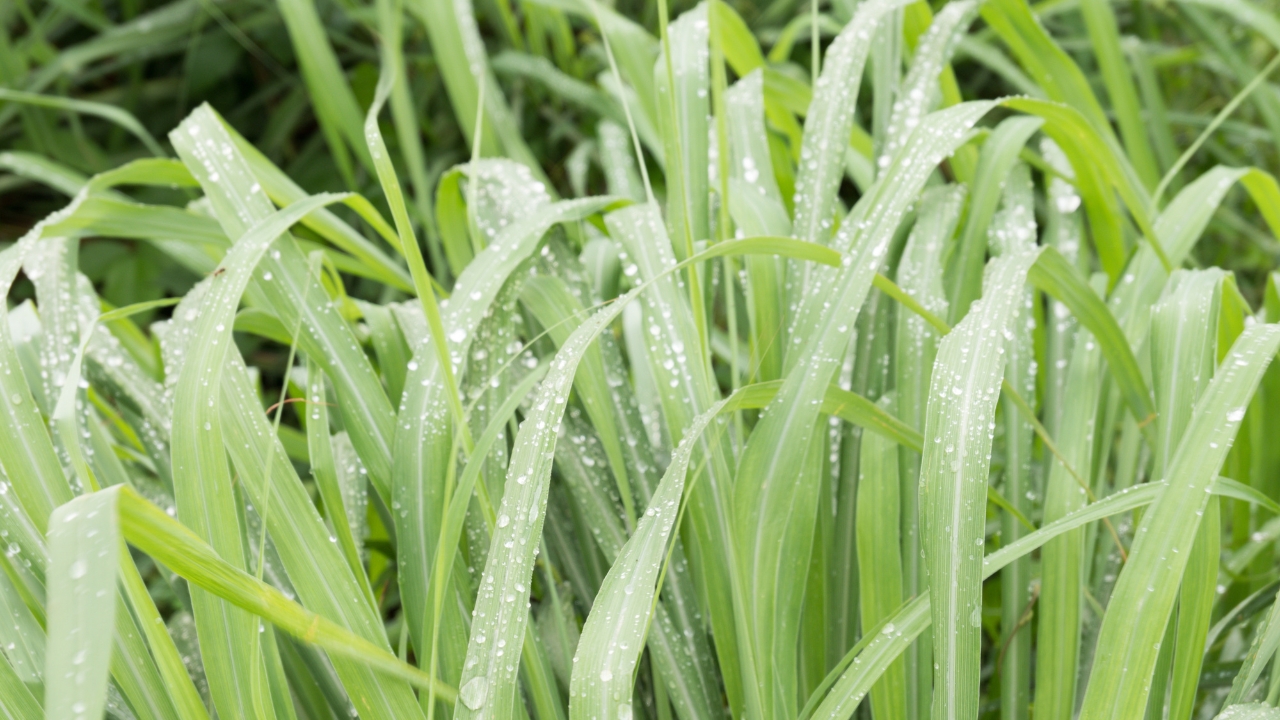
Weeds like Johnson grass, kudzu, or Chinese tallow trees spread faster than you think. Once they take hold, they choke out native plants and are nearly impossible to get rid of without ongoing work. Walk your land regularly and deal with invasives early—pull, mow, or spray as needed before they seed. It’s easier to handle a few plants than acres of takeover.
Compacting the ground with heavy equipment

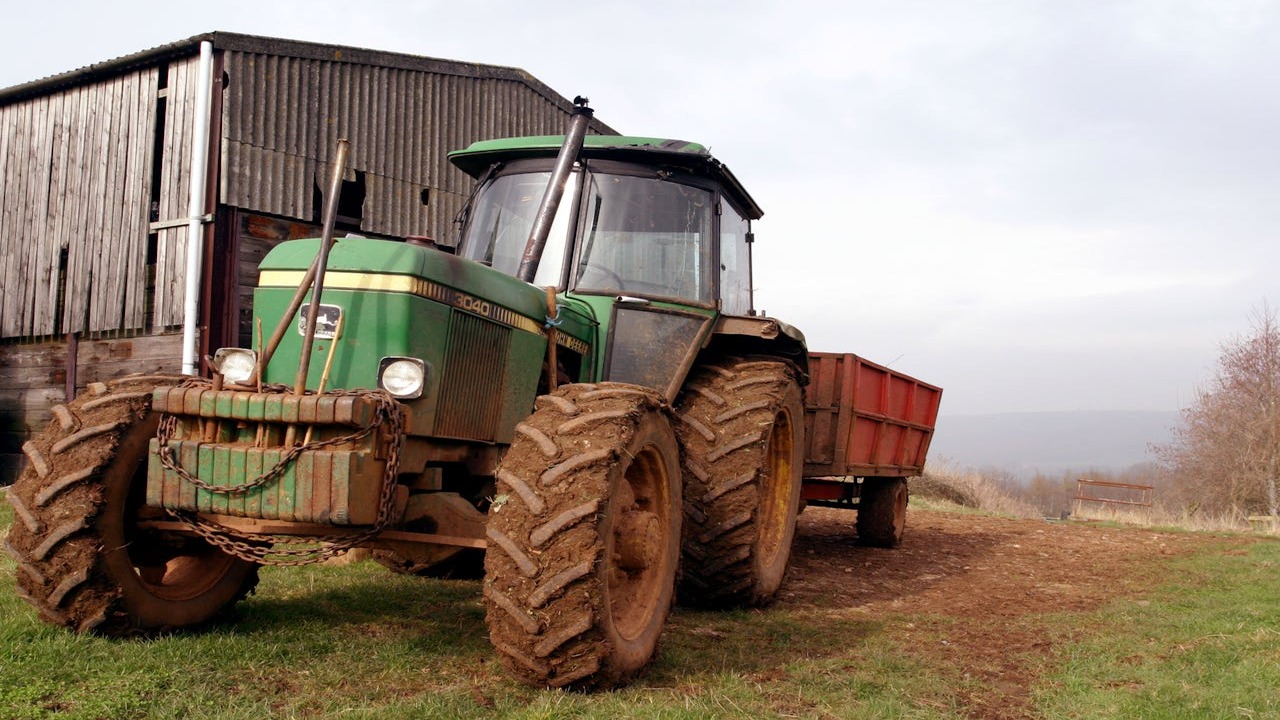
Driving tractors, trucks, or ATVs over the same paths repeatedly compacts the soil, making it hard for roots and water to penetrate. Over time, that compacted layer kills grass and limits drainage. Designate driving paths or lanes, and avoid working wet ground. The soil structure under your tires matters more than most people realize.
Neglecting erosion control
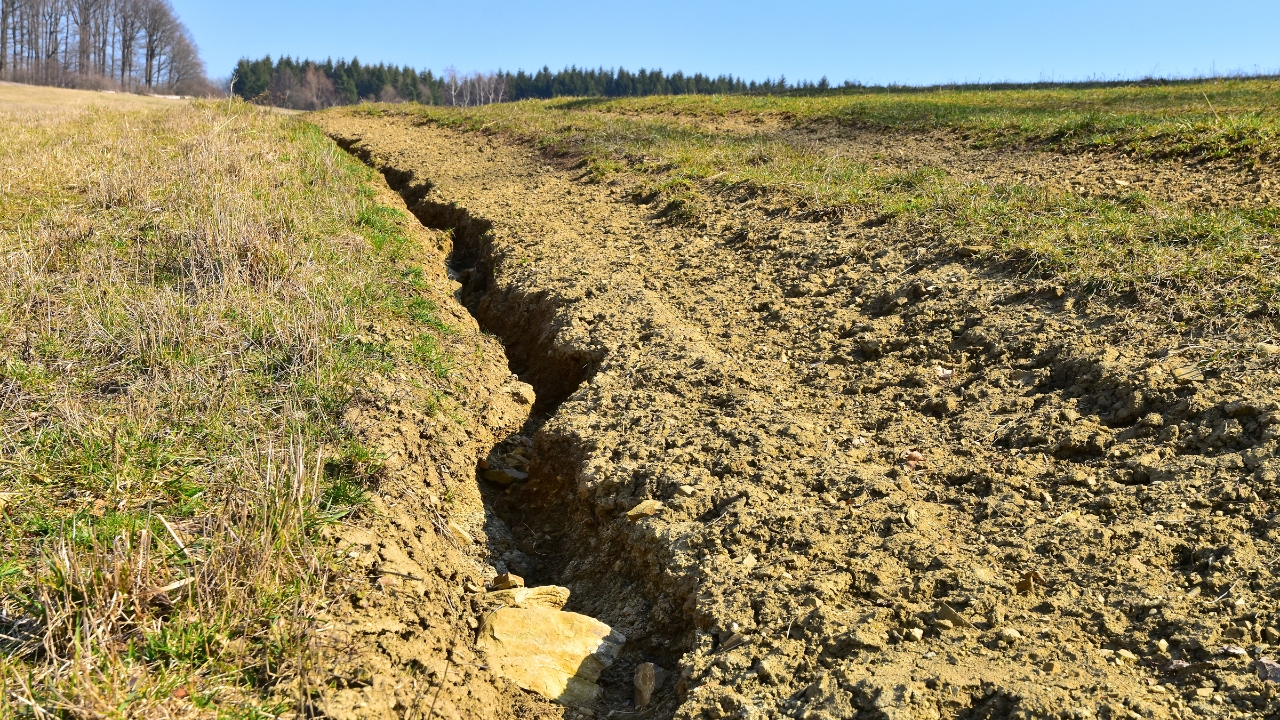
Bare slopes and drainage ditches can wash out fast in a heavy rain. Once soil starts moving, you lose nutrients, root depth, and stability. Use grass seed, straw, or erosion mats on exposed areas until vegetation takes over. Even small patches of bare earth can lead to bigger washouts if ignored.
Dumping or burning in the wrong spots
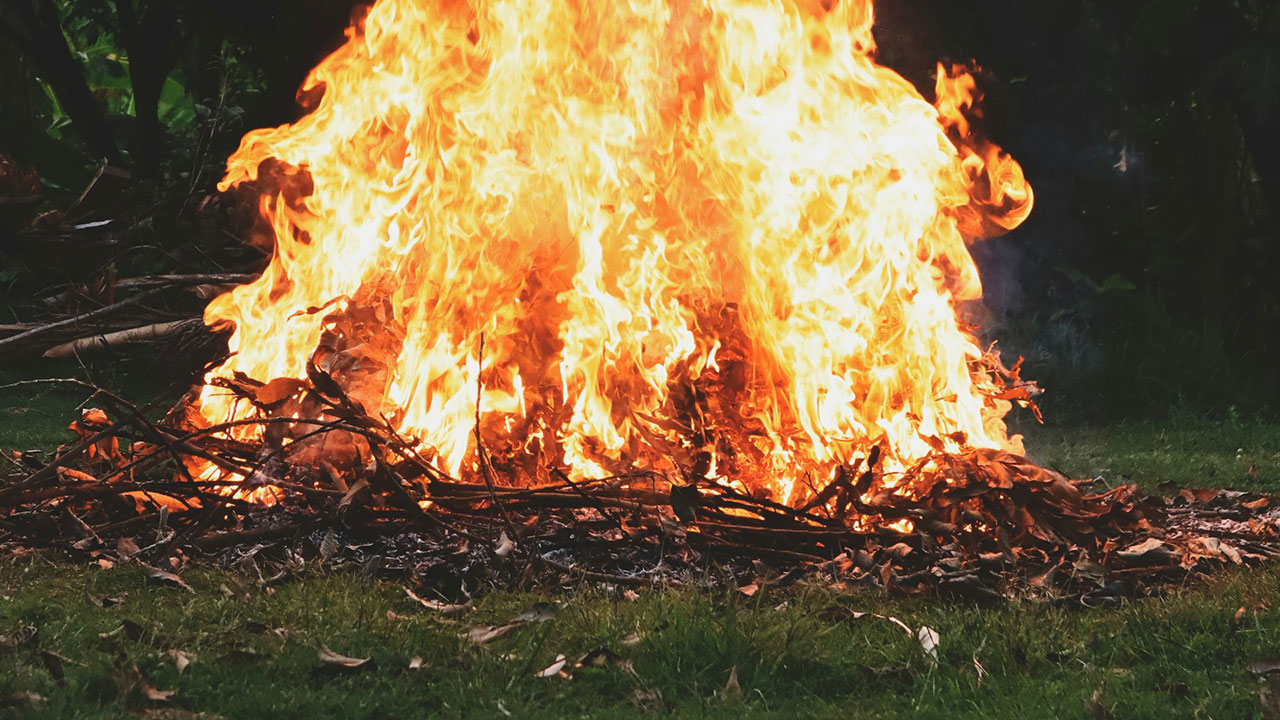
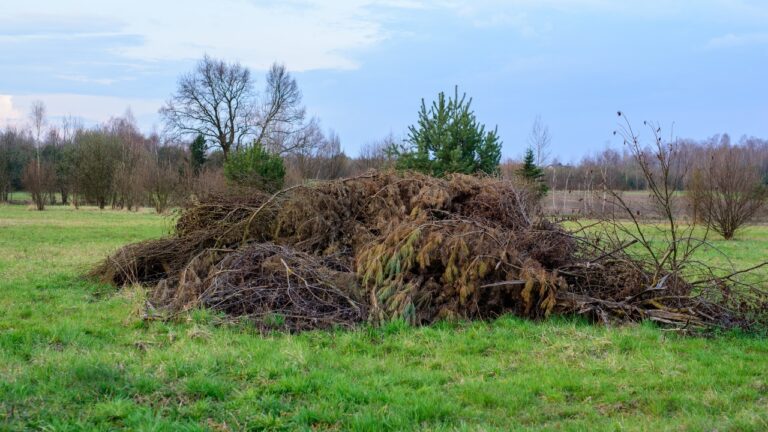
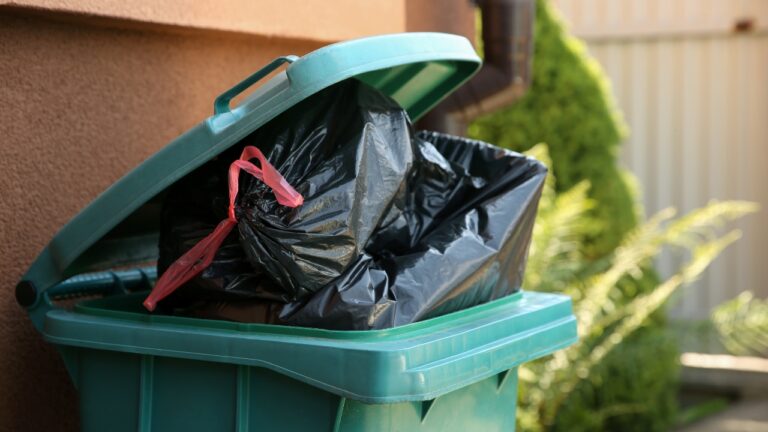
Burning piles or dumping debris in low areas might seem harmless, but it can poison the soil or block water flow. Ash and chemicals seep down and damage the ground for years. Designate a safe, level area for burning or dispose of waste properly. It’s easier to prevent contamination than to try to fix it later.
Skipping regular maintenance

Fences, culverts, and drainage ditches all need upkeep, but they’re easy to forget once the big projects are done. Neglect turns small issues—like a clogged pipe or loose post—into bigger damage that affects the whole property. Set time aside each season to walk the land, check for changes, and handle small fixes before they become expensive ones.
*This article was developed with AI-powered tools and has been carefully reviewed by our editors.