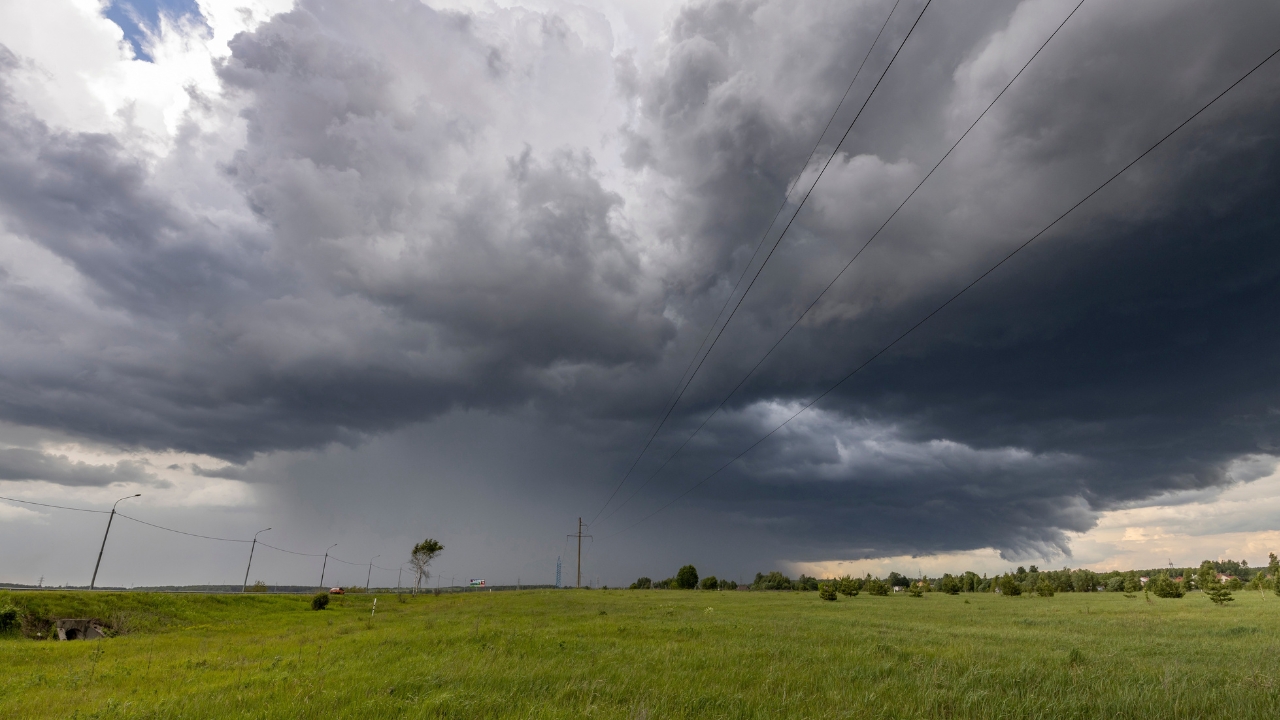
7 ways your property gets dangerous after one storm
Image Credit: ARTpok/ Shutterstock
A single strong storm can undo months of work around your property. Heavy rain, wind, and lightning don’t just make a mess—they quietly create hazards that can linger long after the skies clear. From weakened trees to hidden electrical risks, the aftermath of a storm often brings more danger than people realize.
Before everything dries up and looks “fine,” it’s worth knowing where the real problems tend to show up so you can catch them before they get worse.
Trees that look fine but aren’t
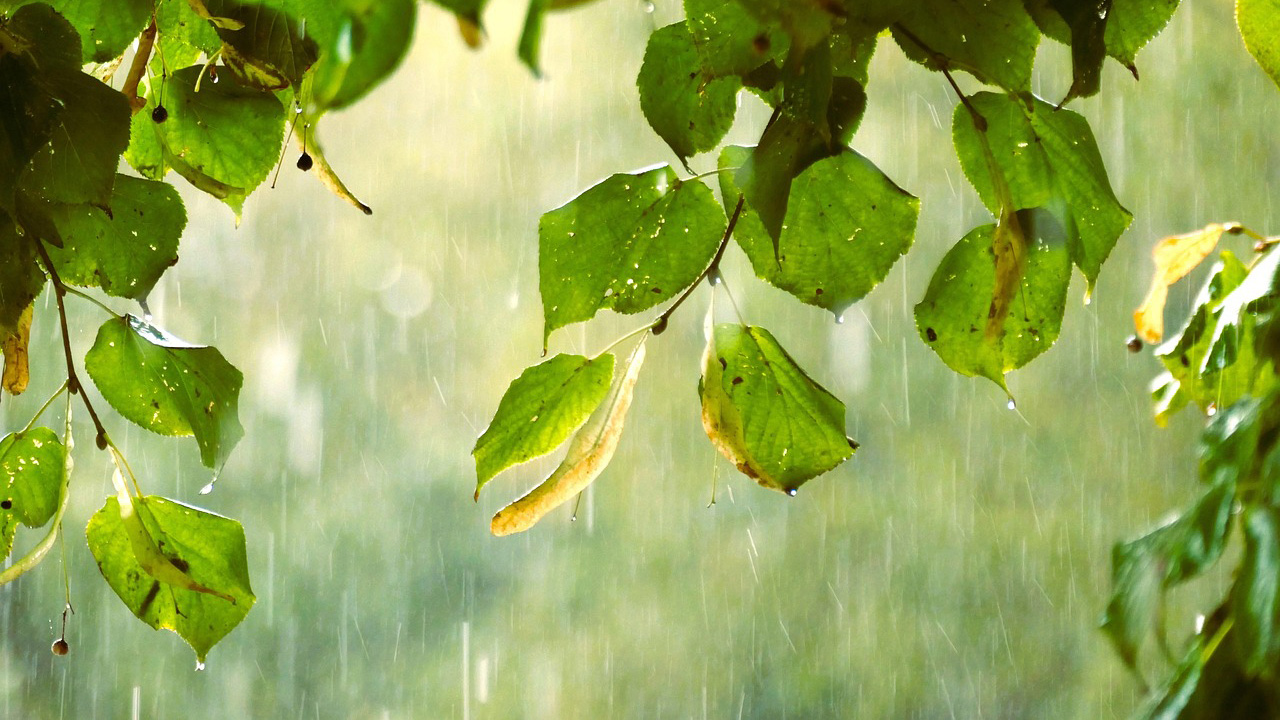
Even sturdy trees can be compromised by one strong storm. Wind and soaked soil can loosen roots or crack branches that don’t break right away. These weak spots often go unnoticed until the next storm brings them down—sometimes on fences, cars, or roofs.
Walk your property and look for leaning trees, hanging limbs, or cracks in the trunk. It’s better to have a tree trimmed or removed early than deal with a dangerous fall later.
Loose power lines or damaged wiring
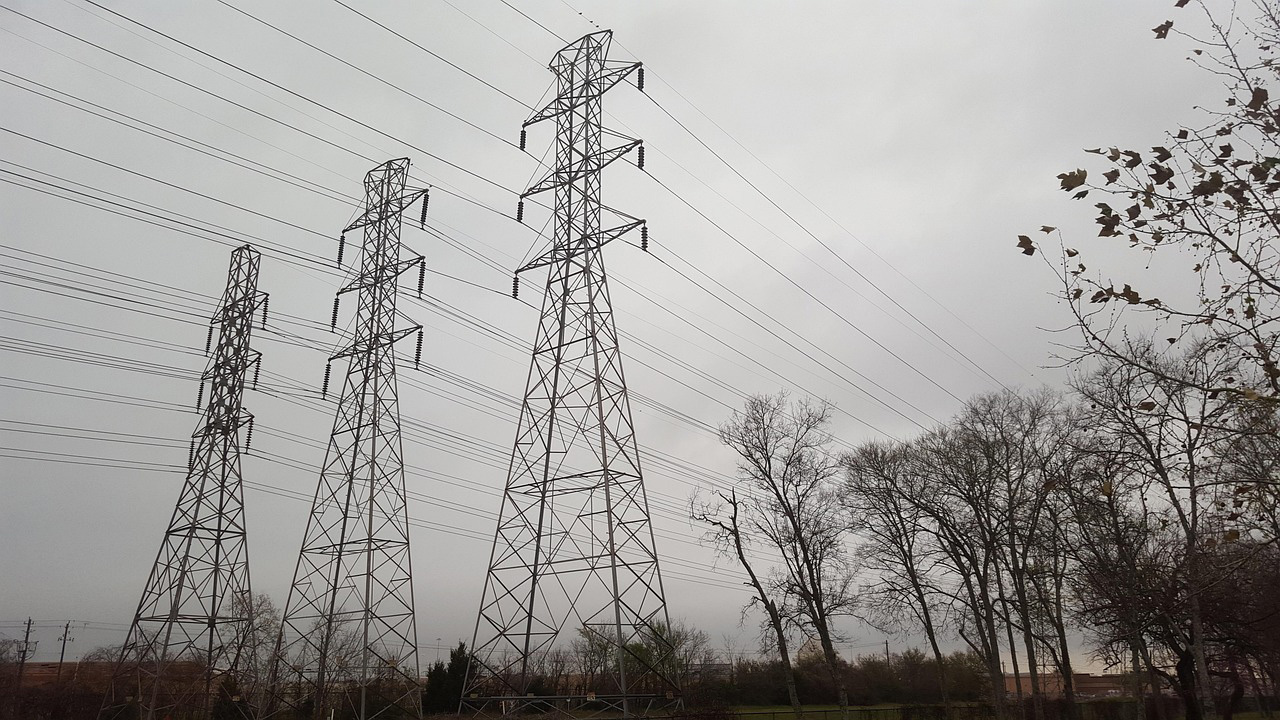
High winds and falling branches can pull down power lines or expose buried cables near outbuildings. Even if they’re not sparking, damaged wires are a serious risk to anyone walking through wet ground.
If you see sagging lines or hear a buzzing sound, stay back and call your electric company immediately. Don’t try to handle it yourself, even if it looks minor. Electricity travels unpredictably through wet soil and metal fences after a storm.
Flooded areas that hide sinkholes or erosion
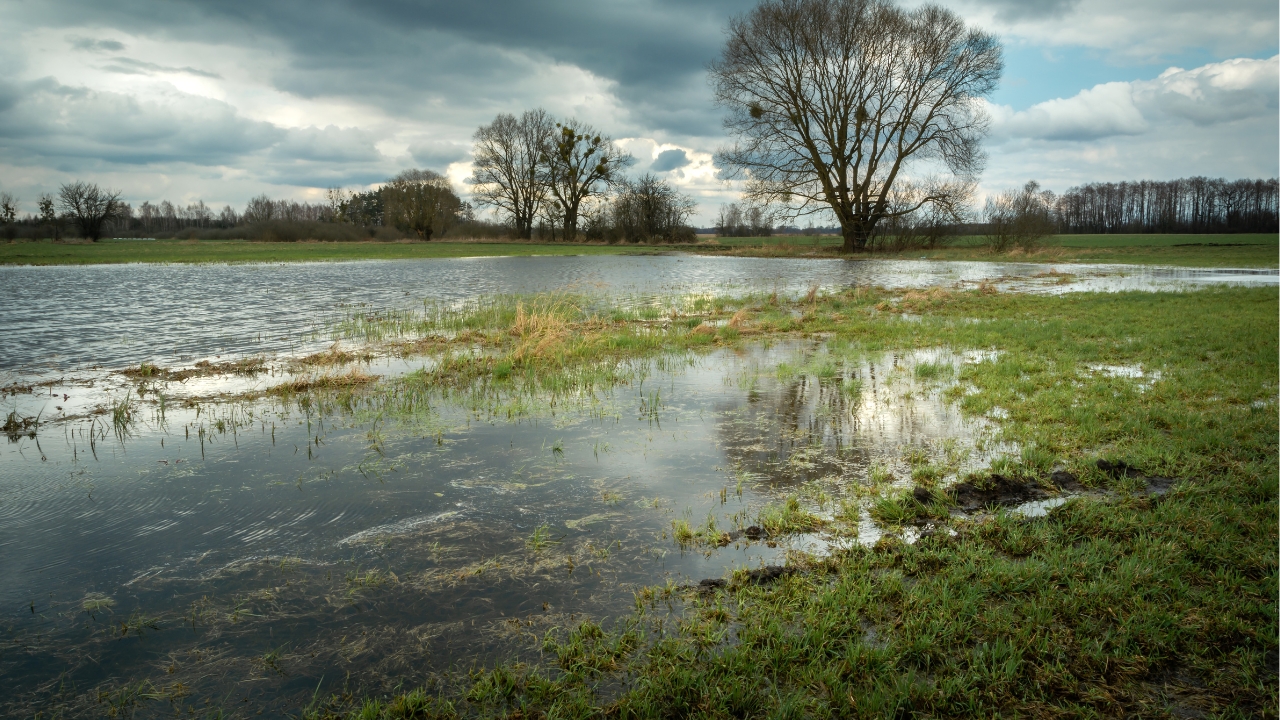
Heavy rainfall can wash out soil, especially near driveways, ditches, or culverts. What looks like a shallow puddle can hide deeper erosion underneath, creating unstable ground that collapses under pressure.
Inspect your property’s low points once the water drains. Fill eroded spots with compacted soil or gravel and make sure runoff is directed away from foundations, septic systems, and roads.
Fences that became live wires
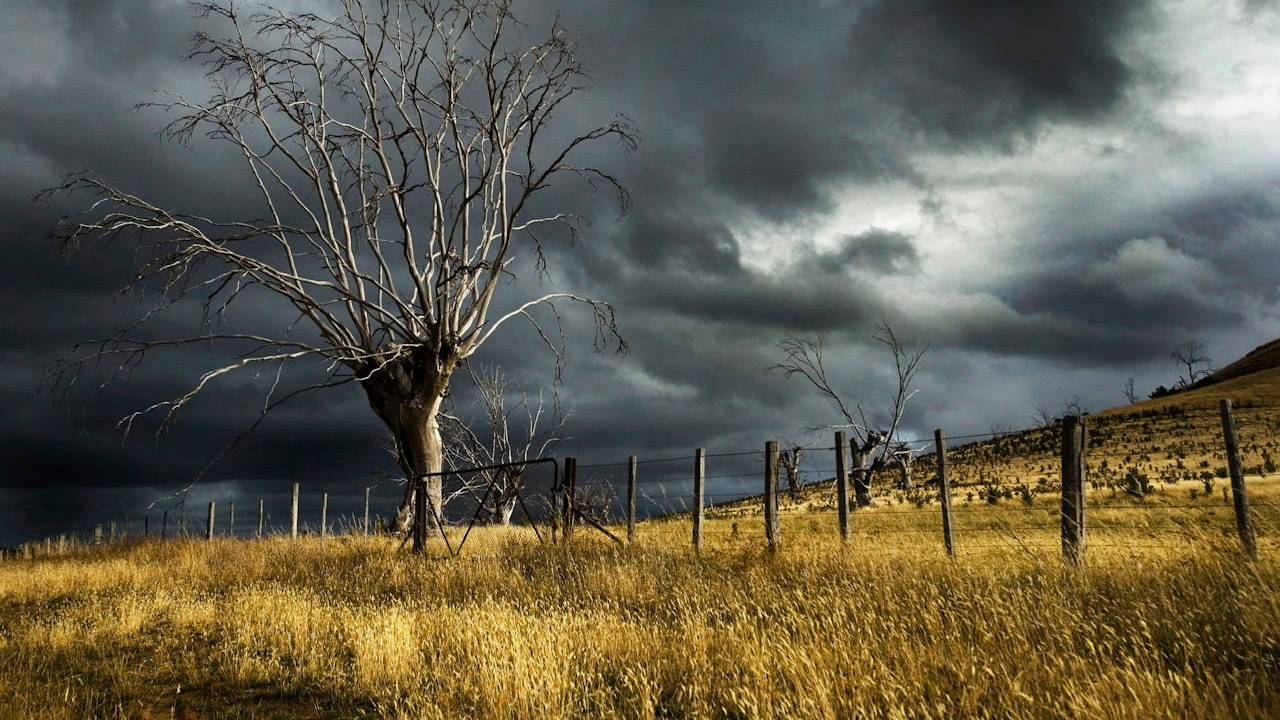
If your fence runs near downed power lines, metal posts or wire fencing can carry current. Even wooden fences with metal hardware can become dangerous when soaked.
Before checking fences, make sure there are no nearby electrical hazards. If livestock or pets are on the property, keep them contained elsewhere until you know everything’s safe.
Roof damage that starts slow leaks
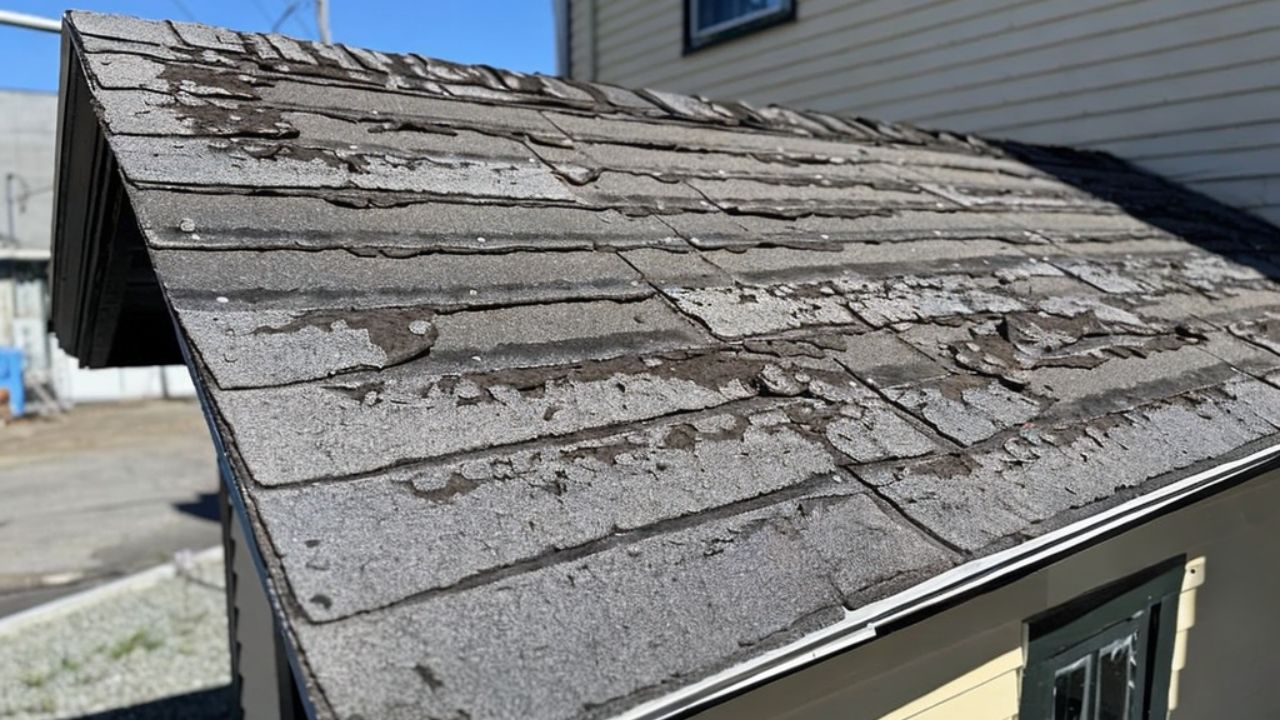
High winds and flying debris can lift shingles or dent flashing without causing an obvious leak right away. A week later, you might notice water stains in the attic or ceiling.
After every major storm, check your roof from the ground or use binoculars to spot missing or lifted shingles. Catching those small gaps early can save you thousands in water damage later.
Clogged drainage and ditches

Storm debris like leaves, sticks, and gravel can block your ditches or French drains overnight. Once clogged, water backs up toward your foundation or septic system instead of draining away.
Clean out debris as soon as the ground dries enough to walk safely. A quick pass with a rake or shovel can prevent far more serious flooding the next time it rains.
Hidden contamination in standing water

If your property flooded, that water may contain oil, sewage, or bacteria. Even shallow puddles near barns or garages can become unsafe for people and animals.
Avoid walking barefoot or letting pets drink from standing water after a storm. Once it drains, rinse hard surfaces with clean water and disinfect where needed. Keeping runoff clean protects your soil and your well water long-term.
*This article was developed with AI-powered tools and has been carefully reviewed by our editors.