9 things worth upgrading right now before winter hits
Photo credit: AvailableLight/istock.com
Winter has a way of finding weak spots around the house—drafty doors, aging filters, dead batteries, you name it. A few small upgrades before the cold sets in can make your home more comfortable, efficient, and less likely to surprise you with mid-season repairs.
You don’t have to overhaul your whole setup to be prepared—just tackle the areas that’ll matter most when the temperatures drop. These upgrades are practical, affordable, and pay off the first time a freeze rolls through.
weatherstripping and caulk
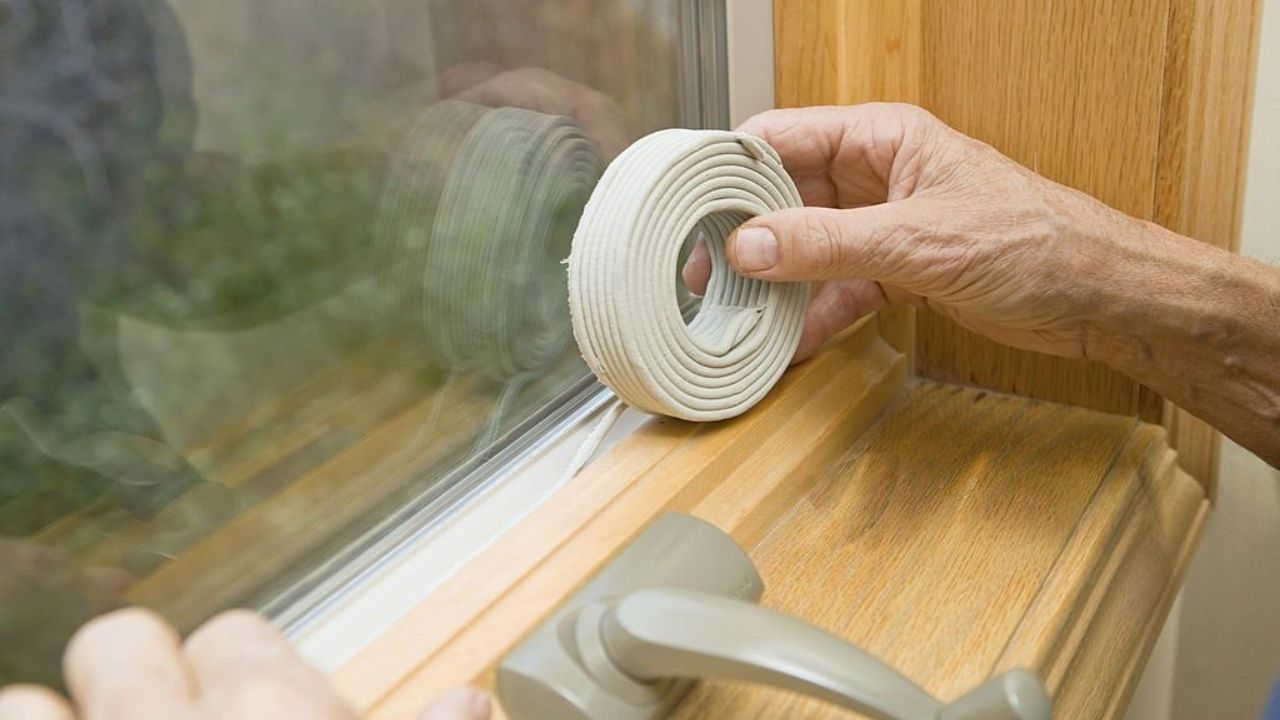
If your doors or windows rattle in the wind or leak a little air, you’re heating the outdoors. Replacing worn weatherstripping or resealing gaps with caulk is one of the cheapest ways to keep heat inside and bills lower.
A quick check with your hand near the frame will tell you where drafts sneak through. A $20 roll of foam or tube of caulk can save you hundreds on energy costs through the winter.
furnace filter
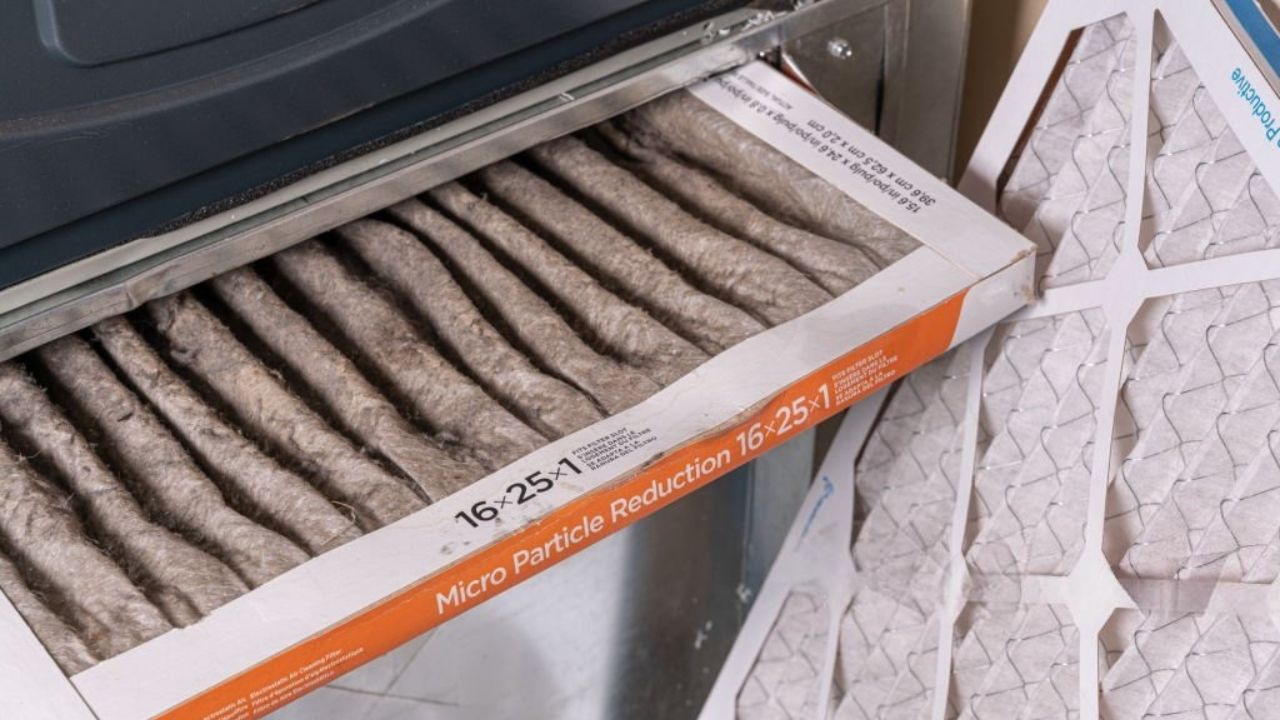
A dirty furnace filter makes your system work harder, burns more fuel, and lowers air quality. Swapping it out every couple of months—especially before winter—helps your heat run smoother and keeps dust out of the ducts.
Choose a filter with the right MERV rating for your system. Spending a few extra dollars on a quality filter now can mean fewer service calls and better airflow when you need heat the most.
exterior door sweeps
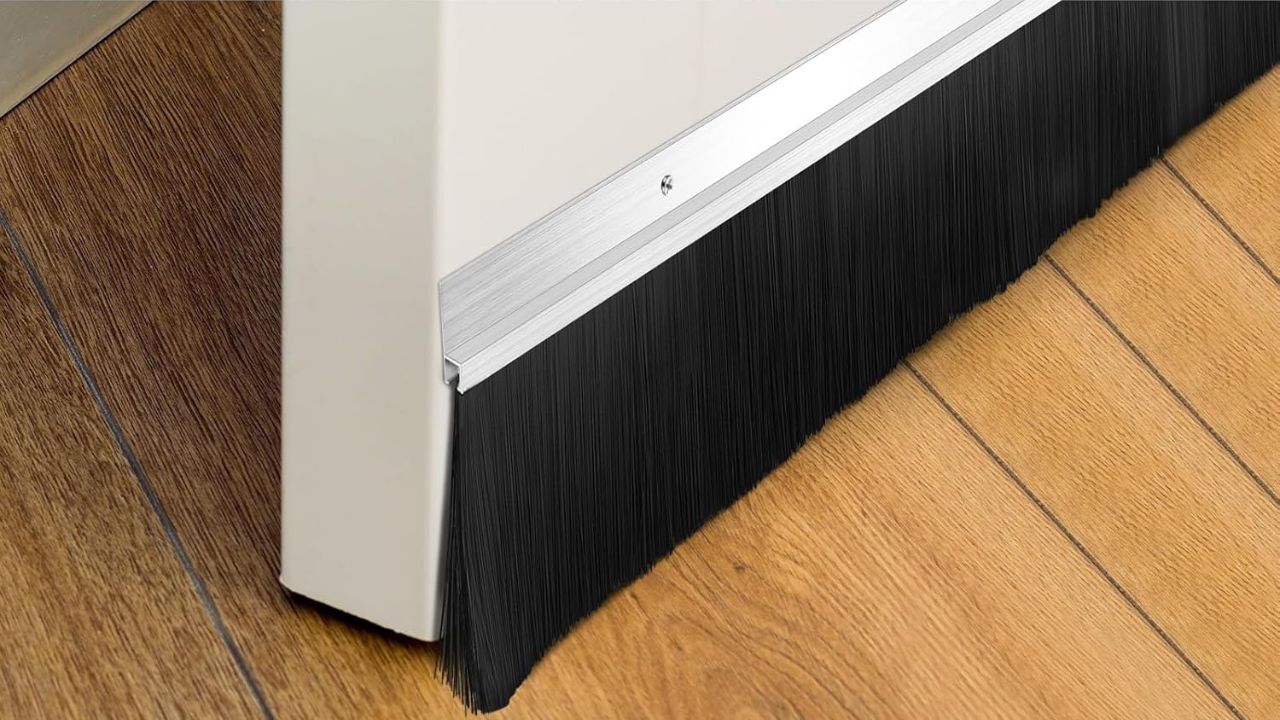
If you see daylight under your doors, cold air and bugs are slipping right in. Adding or replacing door sweeps keeps out drafts and moisture before it becomes a problem.
They’re easy to install, inexpensive, and immediately noticeable once the temperature drops. That small strip of rubber or brush can make your entryways feel tighter and your rooms warmer.
smart thermostat
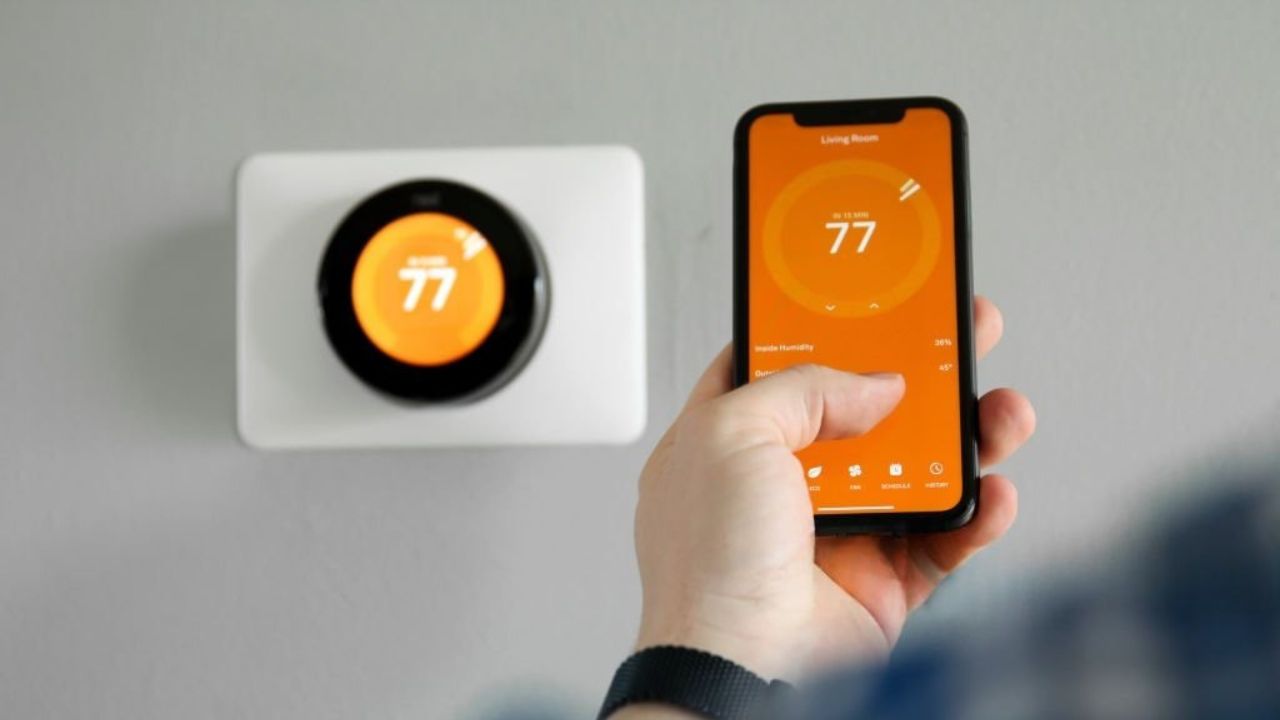
An upgraded thermostat can easily pay for itself within a year by cutting back on wasted energy. Being able to set schedules or control temps from your phone means your heat only runs when you need it.
Look for models that work with your HVAC system and have adaptive learning features. You’ll keep your home comfortable and avoid the steep energy spikes that happen during cold snaps.
heat tape for exposed pipes
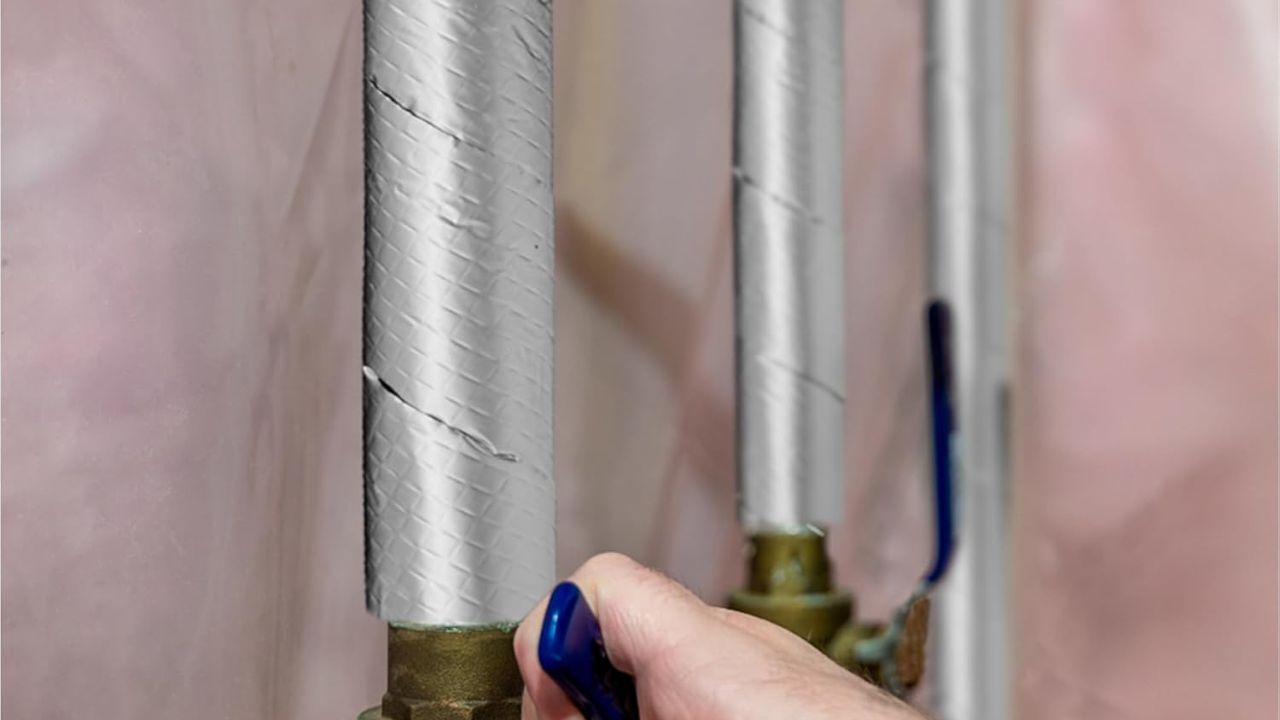
If you’ve got pipes running along exterior walls or under crawl spaces, heat tape is a smart investment. It prevents freezing and bursting pipes—which can cause thousands in water damage.
Installing it takes less than an hour and gives peace of mind through hard freezes. You’ll protect your plumbing and avoid emergency calls when the temperatures nosedive.
garage door insulation
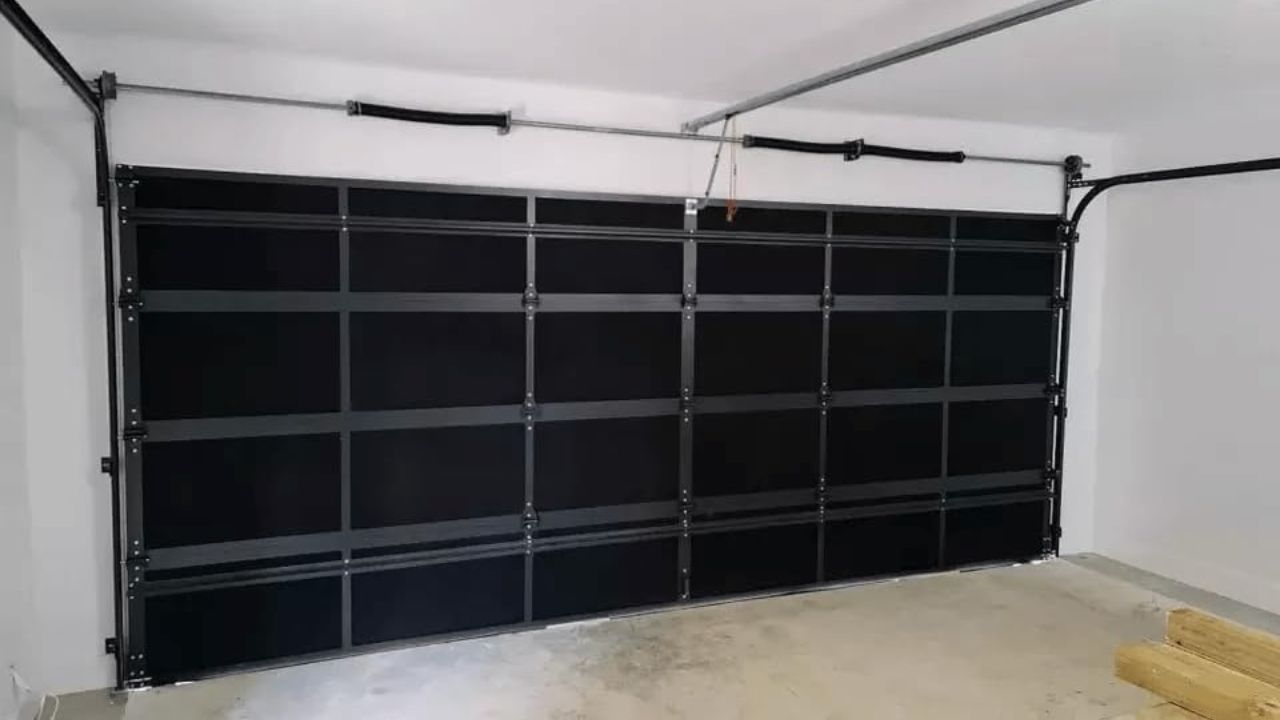
Garages can pull a surprising amount of heat from your house if they’re not insulated. Adding insulation panels or a thermal kit to your door helps regulate temps and makes any connected rooms warmer.
It also keeps your car, tools, and stored items from facing extreme temperature swings. A well-insulated garage means less heat loss and a noticeable bump in comfort.
outdoor lighting
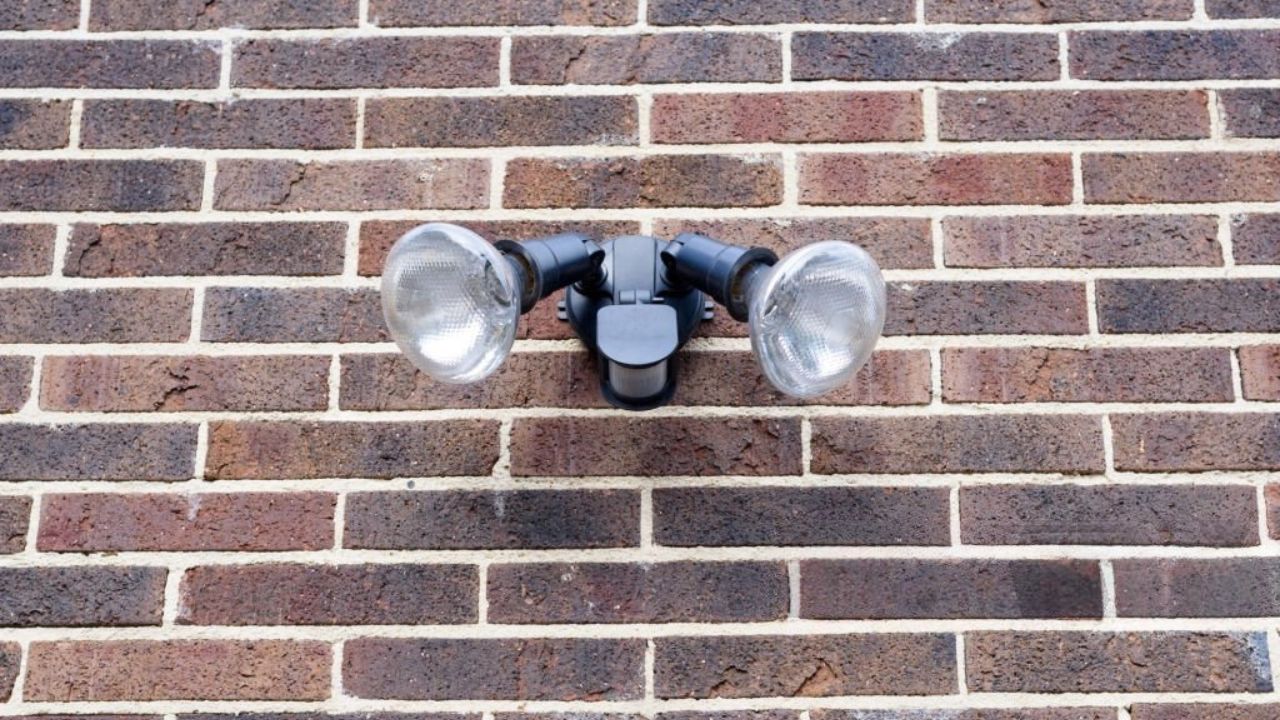
Winter means shorter days, darker mornings, and slippery conditions. Upgrading to LED or motion-sensor lights improves safety and visibility without increasing your power bill.
They’re low maintenance, last years, and help you spot ice or wildlife before stepping outside. It’s a quick win for safety that pays off every night through the season.
weatherproof extension cords
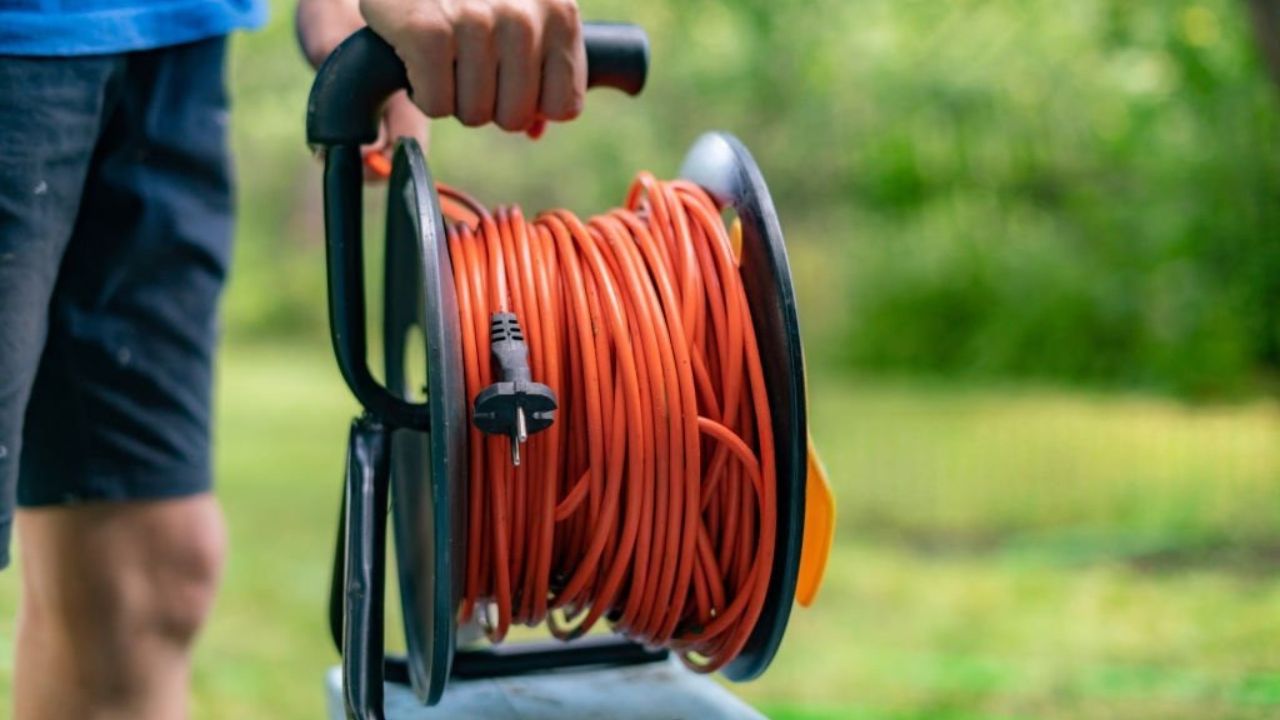
If you use outdoor heaters, trough heaters, or holiday lights, make sure your extension cords are rated for outdoor use. Old or cracked cords can short out, waste power, or even start a fire.
Investing in heavy-duty, weather-rated cords keeps your power stable and your setup safe. It’s one of those small details that matters more than most people realize when the weather turns rough.
attic insulation
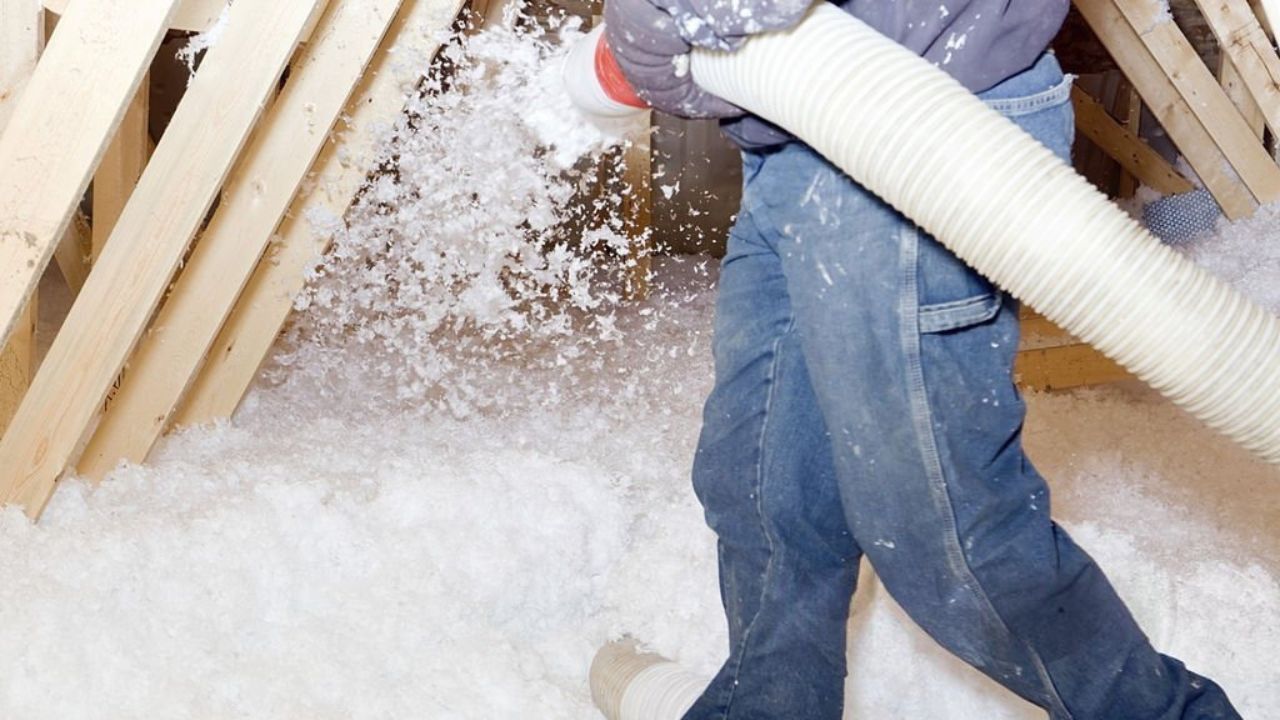
Heat rises—and escapes fast through a poorly insulated attic. Adding a few rolls of fiberglass or cellulose insulation keeps that warmth where it belongs and can cut your heating bill significantly.
You don’t have to redo the whole attic; even topping off thin spots makes a difference. It’s one of the best upgrades you can make before winter for comfort, savings, and energy efficiency.
*This article was developed with AI-powered tools and has been carefully reviewed by our editors.