How to Clean and Maintain Your Homestead Firearms
Image Credit: Dmitri T/Shutterstock.com
When you’re living out on a homestead, your firearms are more than just tools — they’re part of how you protect your animals, your family, and your property. But if you don’t take care of them, they’ll eventually let you down when you need them most. Regular cleaning and maintenance don’t have to be complicated or take all day. A little steady attention keeps your guns reliable for years to come. Here’s a straightforward breakdown of what you need to do.
Always Start with Safety
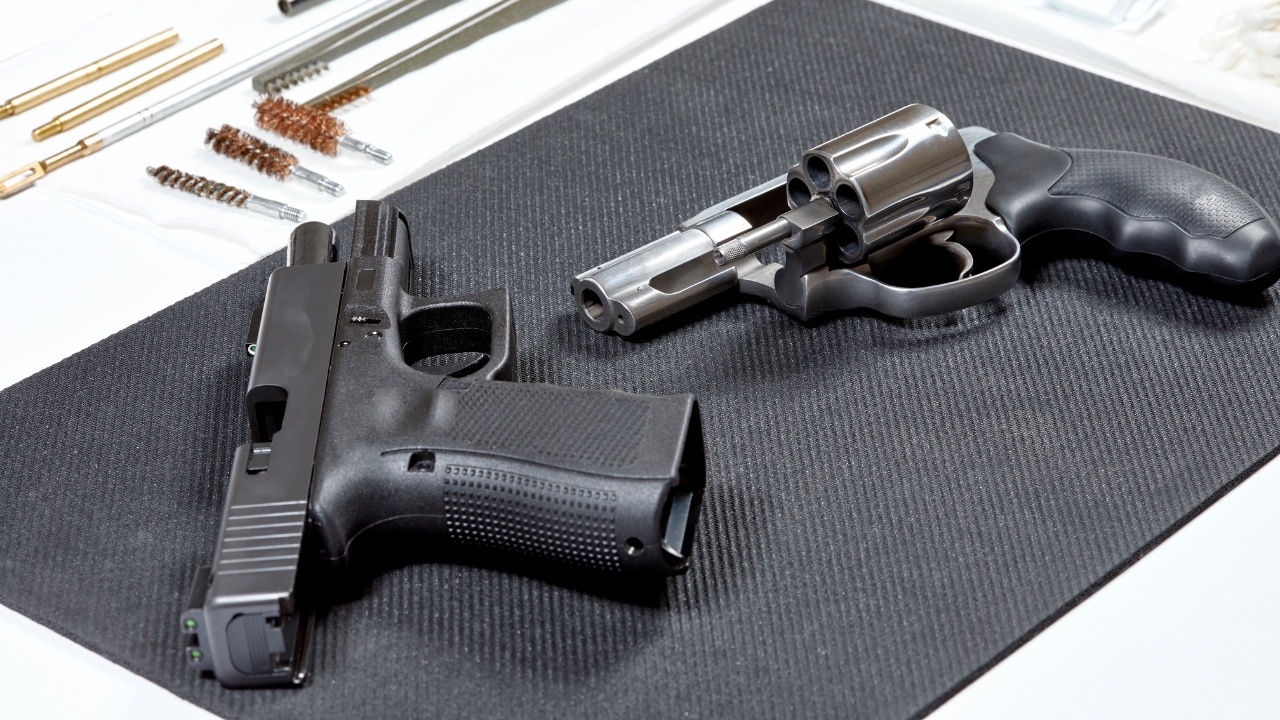
Before you touch anything, make absolutely sure the firearm is unloaded. Check the chamber, magazine, and action, even if you “know” it’s empty. It’s just too easy to have a slip-up if you skip this step. Get in the habit of treating every gun like it’s loaded until you confirm otherwise.
After you’ve cleared it, move to a safe workspace. Ideally, you’ll want a well-lit, clutter-free bench or table with no distractions. It sounds simple, but setting up right saves a lot of headaches later.
Use the Right Cleaning Supplies
You don’t need a fancy kit, but you do need the basics. A good cleaning rod, bore brush, patches, solvent, oil, and a few rags will get you through just about any job. Make sure your brushes and rods are the right size for your calibers — using the wrong ones can actually damage your barrels.
Keep your supplies organized in a tackle box or a small bin. When you’re working out on the homestead, you want to grab what you need fast instead of hunting around every time you clean a gun.
Break It Down Properly
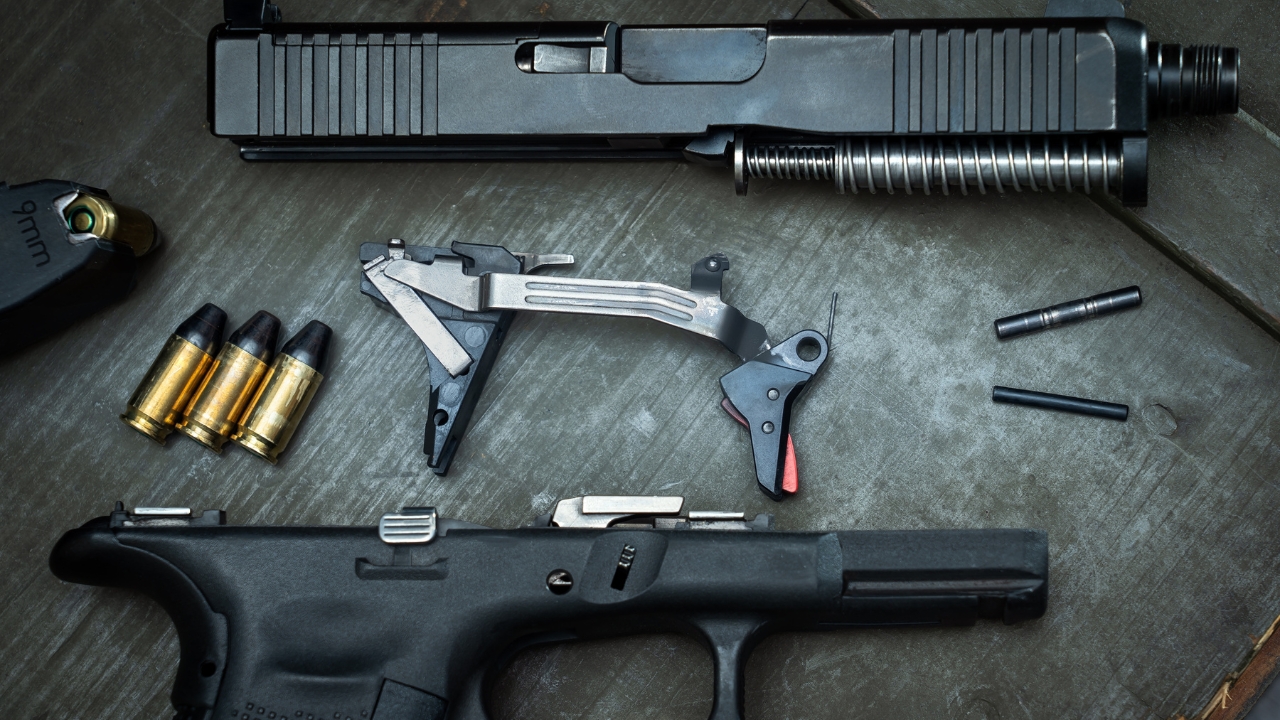
Field strip your firearm according to the manual. Don’t try to tear it all the way apart unless you really know what you’re doing. Most guns only need a basic takedown for a thorough clean. Trying to overdo it can leave you with extra parts you can’t figure out how to put back.
Breaking it down the right way lets you access the barrel, bolt, chamber, and internals where grime loves to build up. Plus, it helps you spot small problems before they turn into big ones.
Clean the Barrel First
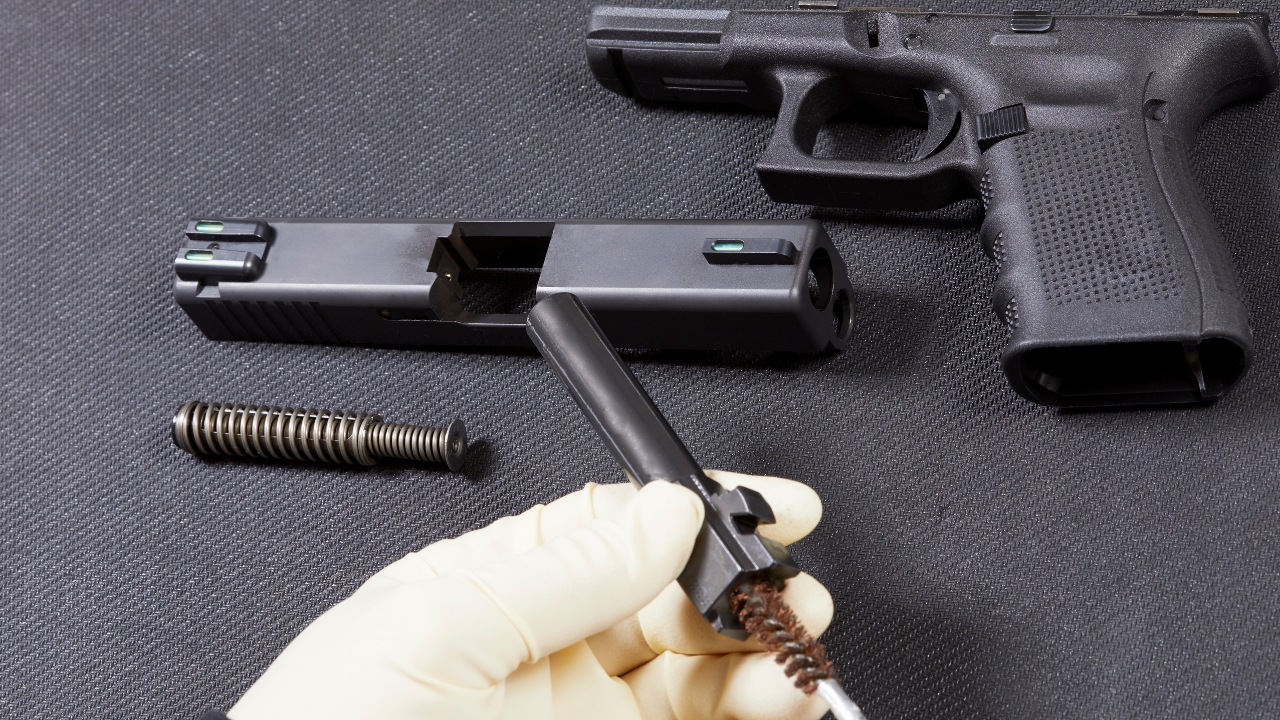
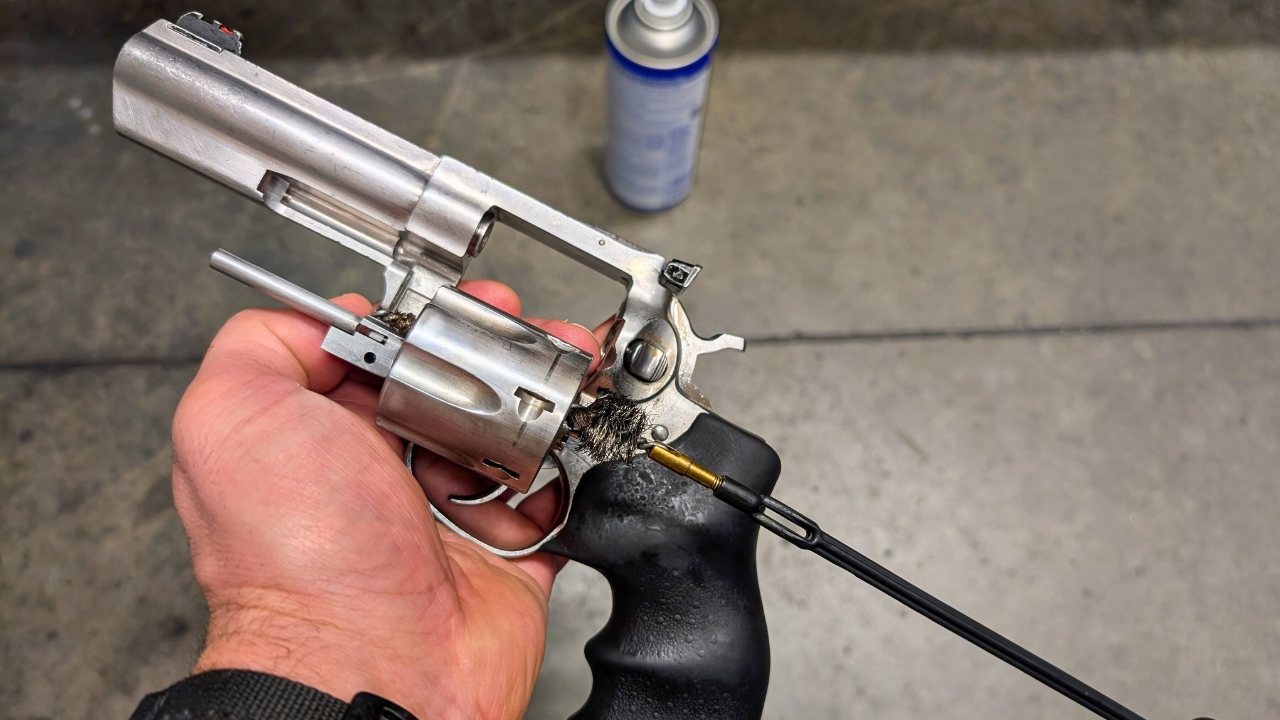
The barrel is where a lot of fouling builds up, especially if you’re shooting often. Run a patch soaked in solvent through it a few times, then use a bore brush to scrub out the gunk. After that, push clean patches through until they come out spotless.
Keeping the barrel clean helps preserve accuracy and prevents corrosion. On a working homestead gun, you can’t afford a rusty, pitted bore that throws your aim off when it counts.
Wipe Down the Action
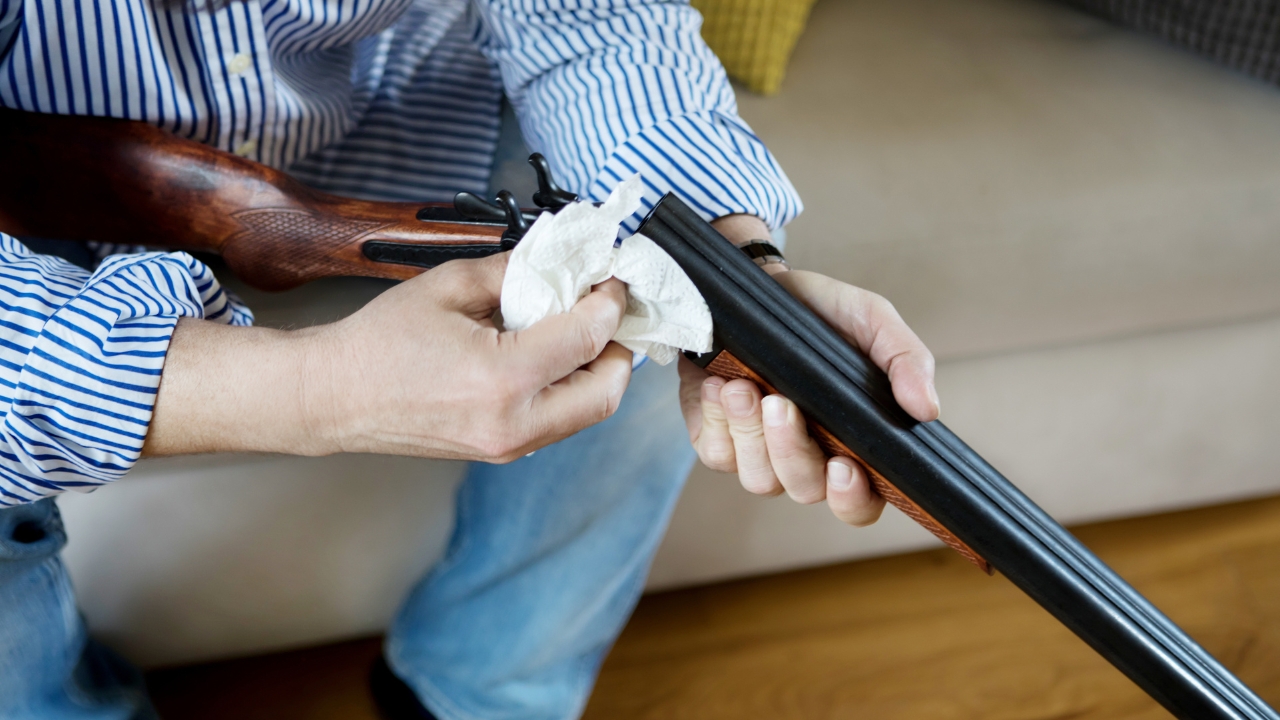
The action — whether it’s the bolt, slide, or lever — needs attention too. Apply a little solvent to a rag or brush and scrub out carbon buildup, powder residue, and old oil. Focus on where parts rub against each other, because that’s where wear happens first.
Once you’ve got it clean, don’t leave it dry. A light film of oil helps everything move smoothly and protects against rust. Just don’t overdo it — too much oil can attract dirt like a magnet.
Check for Wear and Tear
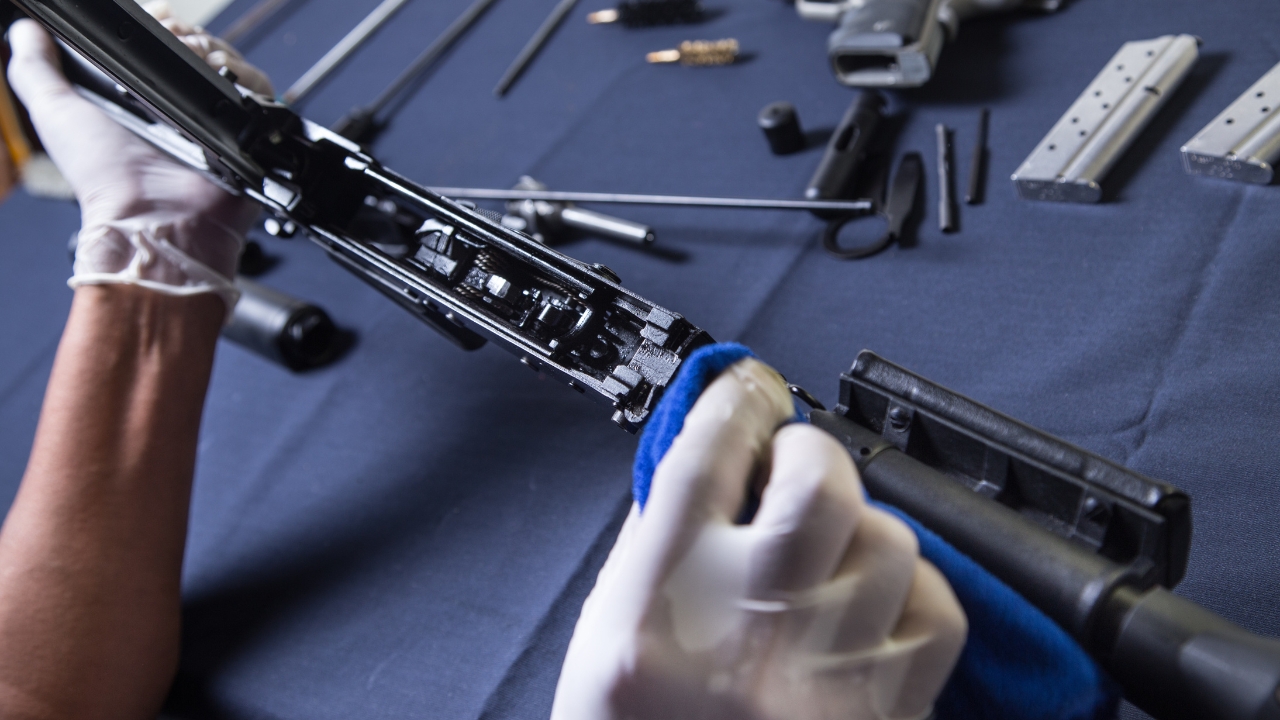
While you’re cleaning, take a minute to look over your parts. Are there any cracks, sharp edges, or spots where metal looks thin? Pay extra attention to springs, pins, and the firing mechanism — those are weak points that can wear out with heavy use.
Catching these things early lets you fix or replace parts before a small issue sidelines your firearm. Out here, sending a gun off for repairs isn’t always quick or easy.
Lightly Oil Moving Parts
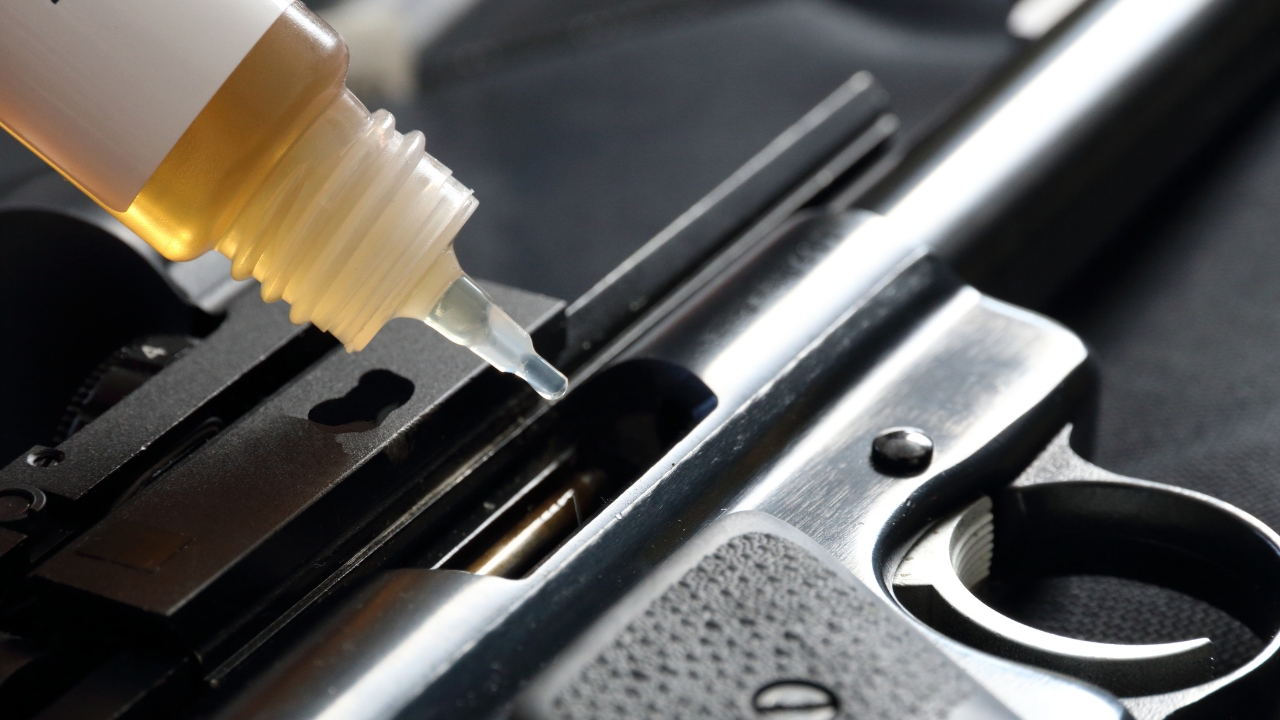
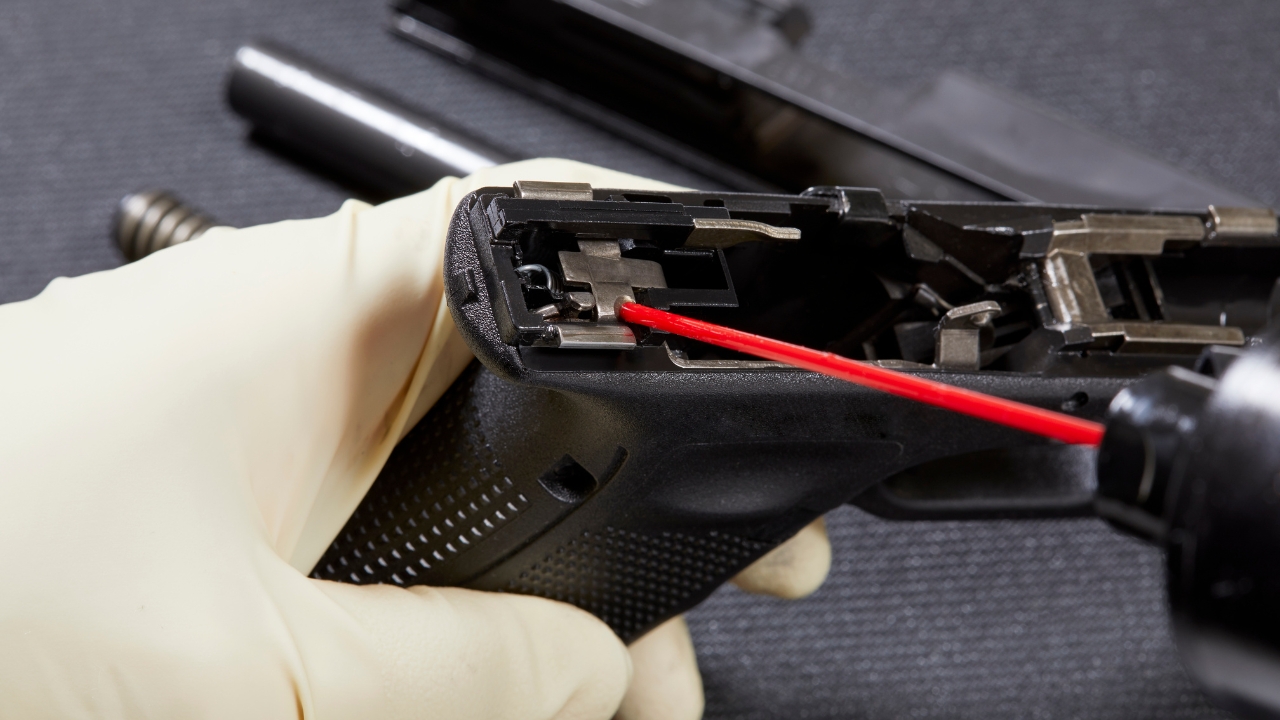
After everything’s clean, apply a small amount of gun oil to any parts that move — triggers, bolts, slides, hinges, whatever your firearm has. Just a drop or two is usually enough. You want smooth movement without creating a sticky mess.
If you live in a dusty or humid area, use oil sparingly. Too much oil can trap dirt and moisture, which is the last thing you want sitting inside your firearm.
Wipe Down the Outside
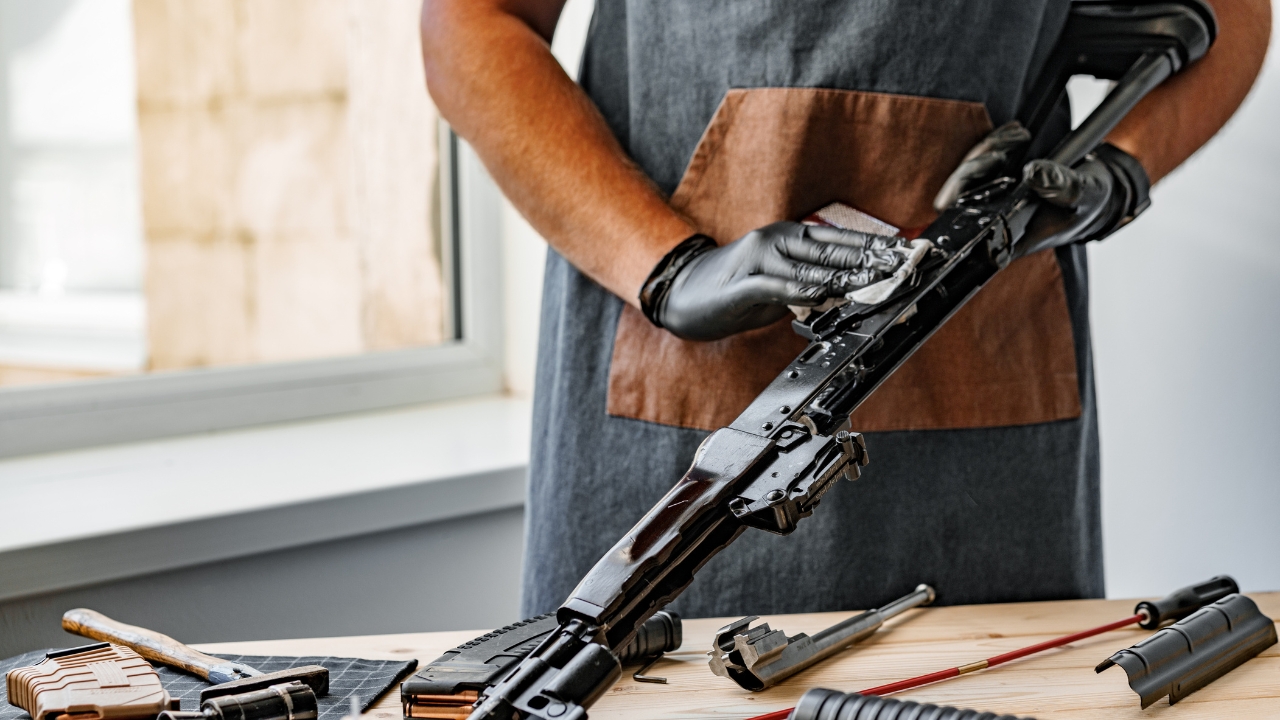
Once the inside’s good to go, give the outside of your firearm a wipe-down with a lightly oiled cloth. This protects the metal from moisture and keeps surface rust from creeping in, especially if you’re using your guns outdoors a lot.
Wood stocks and grips deserve a little attention too. A dry cloth and a little wood conditioner now and then will keep them from cracking or drying out over time.
Store Them Properly
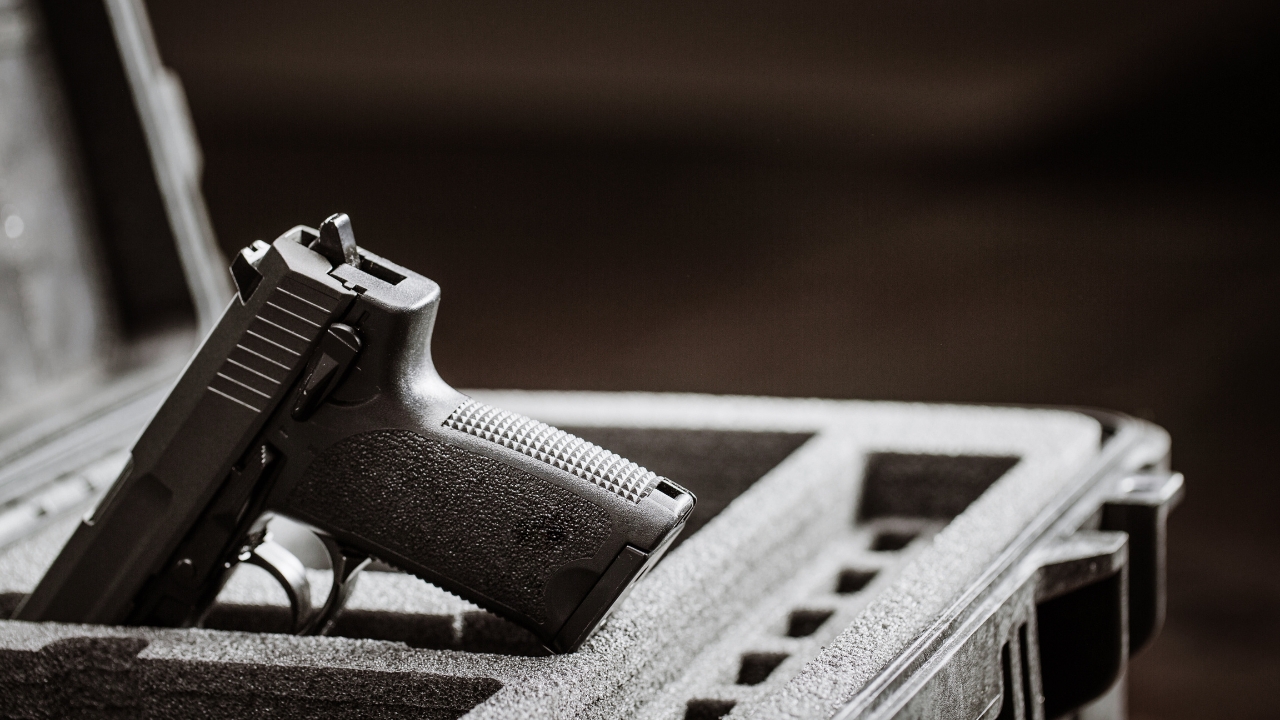
When you’re done, store your firearms in a safe, dry place. If you’ve got a secure cabinet, that’s great. If not, at least keep them off the ground and away from moisture. Throwing a few silica packets into your storage area helps control humidity.
Proper storage isn’t just about protecting the guns — it’s about making sure they’re ready to go when you need them. Nobody wants to grab a rifle and find it jammed up or rusted over.
Keep a Cleaning Routine
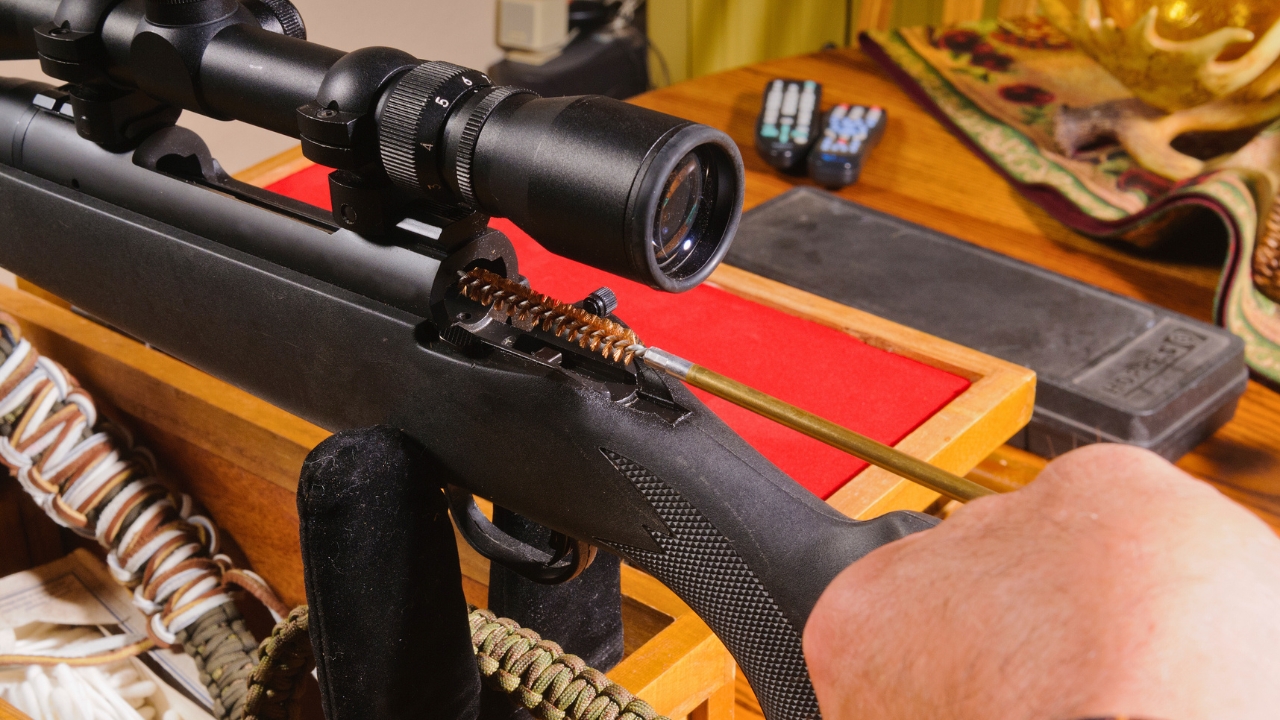
The trick to reliable firearms isn’t cleaning once a year — it’s sticking to a simple routine. If you shoot it, clean it. If it sits unused for a while, check it every couple of months anyway. Dust, moisture, and temperature changes can still cause problems even when a gun’s not being fired.
A little time here and there saves you from big problems later. Plus, if you’re cleaning regularly, it never feels like a big chore. It just becomes part of living smart on the homestead.
*This article was developed with AI-powered tools and has been carefully reviewed by our editors.