8 times designers forgot real people live here
Photo credit: Lotus Design N Print/Unsplash.com
Some homes are made to impress—and others are made to function. Every now and then, a designer goes so far into the “statement” zone that they forget someone has to actually live in the space.
Sure, it looks great in photos, but the second you try to sit down, cook dinner, or use the bathroom, reality hits. You don’t need to be a professional to spot when design went too far—you just need to know the difference between livable and staged.
When furniture is too pretty to touch
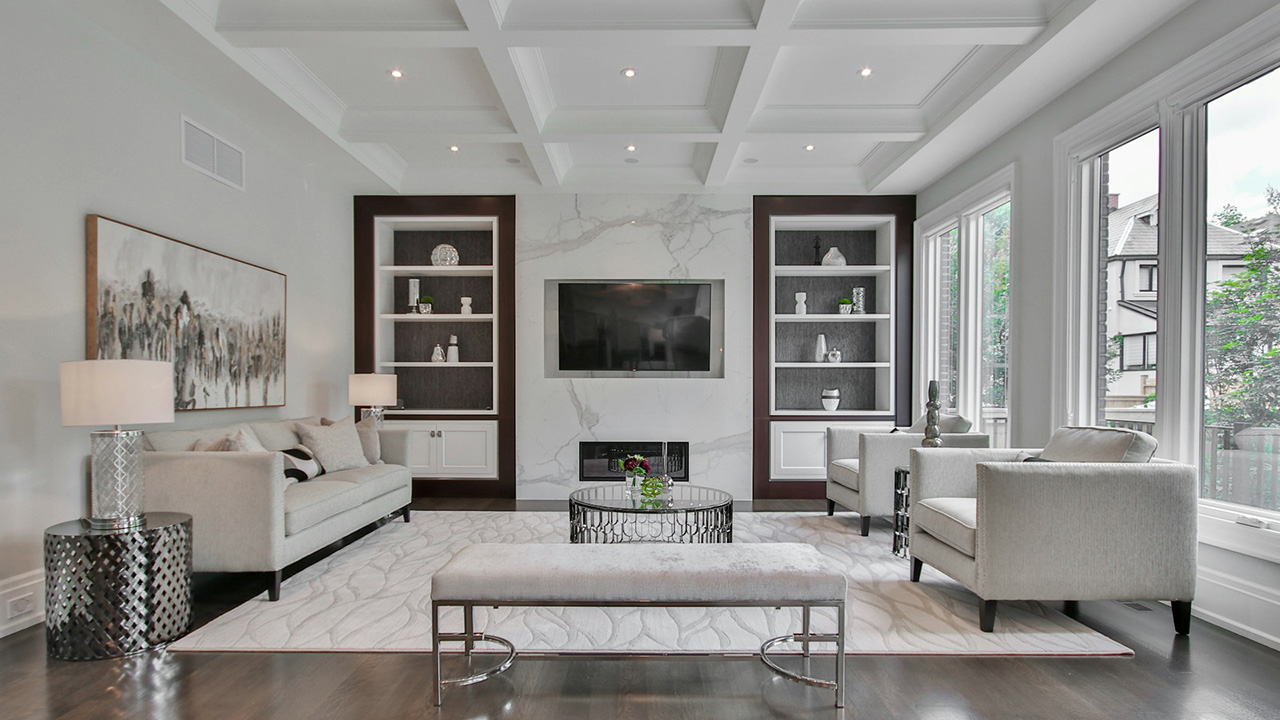
Designers love statement pieces, but when every surface is fragile, uncomfortable, or impossible to clean, it stops being furniture and starts being a prop. A living room with all-white cushions or a glass coffee table with sharp corners looks sleek, but it doesn’t survive pets, kids, or real life.
The best rooms balance beauty with durability. You should never have to apologize to your guests for sitting on something.
When kitchens are designed for photos, not food
Nothing says “designer mistake” like a kitchen without enough counter space or outlets. Floating shelves packed with decor instead of dishes might photograph well, but in real life, you’re out of room before you finish making breakfast.
Real kitchens need storage, surfaces, and lighting where you actually work. When style takes over function, it’s a clear sign someone valued the photo shoot more than the cooking.
When bathrooms forget people actually use them
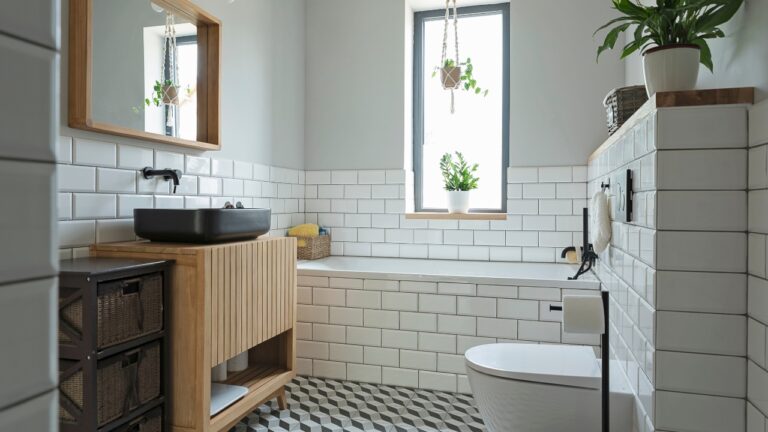
Bathrooms full of marble and open shelving look high-end until you realize there’s nowhere to put a towel, toothbrush, or extra roll of toilet paper. A room meant for daily routines should make life easier, not harder.
Even the smallest bathroom feels more expensive when it’s practical. Closed storage, hooks, and lighting that flatters—not blinds—make a bigger difference than any tile ever could.
When every room matches perfectly

Designers love cohesion, but when every wall color, texture, and piece of decor matches too perfectly, the house feels like a catalog. Real homes have personality—mixing wood tones, finishes, and fabrics makes it feel lived in, not staged.
You can tell when someone’s scared to mess up a design instead of making it their own. A perfectly coordinated house might look high-end, but it rarely feels like home.
When lighting is all overhead
Bright overhead lighting can make a room look harsh and cold. Designers who skip lamps, sconces, or dimmers create spaces that look sterile after sunset.
A good lighting plan layers light—task lighting where you work, soft light where you relax. It’s what makes a home feel warm instead of clinical, and it’s one of the most overlooked details in designer spaces.
When doors and drawers don’t clear each other
It happens more often than you’d think—cabinet doors that collide, drawers that can’t open fully, or appliances crammed into corners. It’s the kind of oversight that shows a layout was designed on paper, not lived in.
A functional home should move with you. If you have to shift sideways to open your dishwasher, someone cared more about aesthetics than usability.
When there’s nowhere to drop everyday stuff
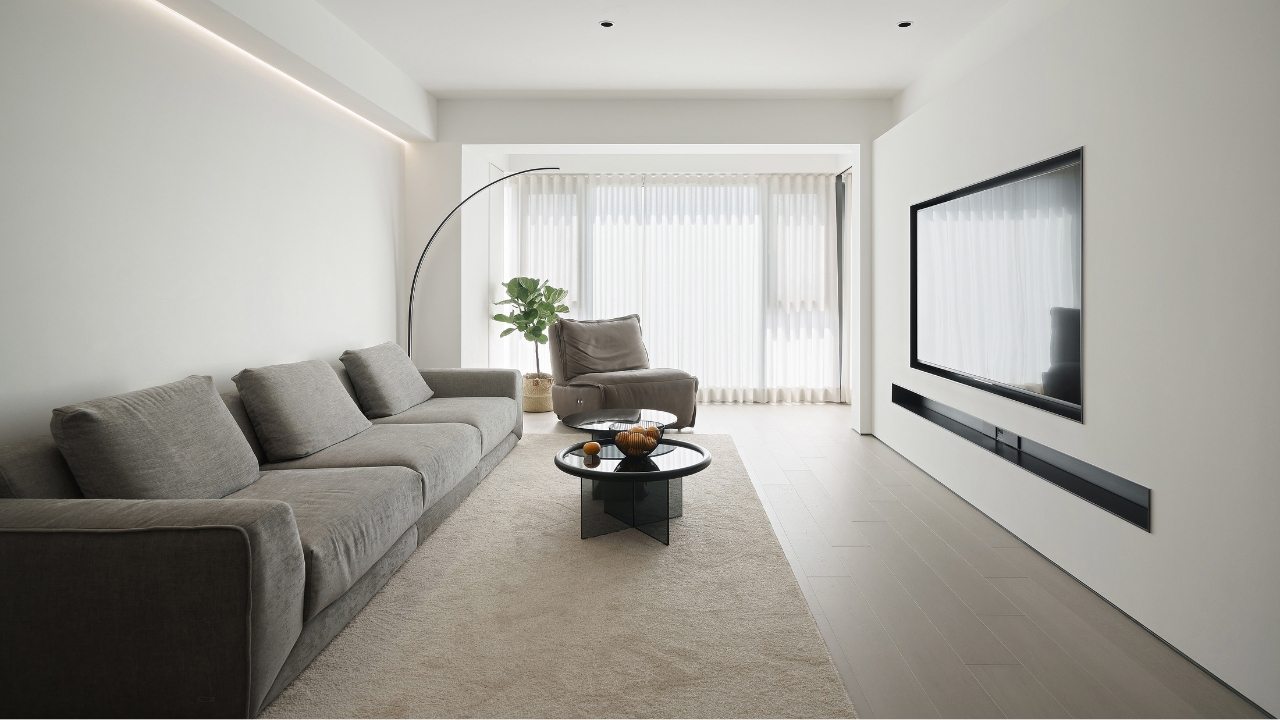
Some designers plan every inch for symmetry, not life. But if you walk into a home and there’s nowhere for keys, shoes, or mail, it’s not livable—it’s staged. Real people need landing zones that don’t ruin the look but still make life manageable.
A small basket, bench, or hidden drawer keeps things organized without breaking the aesthetic. Good design works with habits, not against them.
When nobody thought about cleaning
If you’ve ever tried to keep glass showers spotless or dust open shelving every other day, you know some designs don’t age well. They might start out beautiful, but they take too much time to maintain.
Designers who forget cleaning exists create homes that only stay beautiful with constant effort. The smartest homes look good on busy days too—and that’s the kind of design that actually works.
Like Fix It Homestead’s content? Be sure to follow us.